
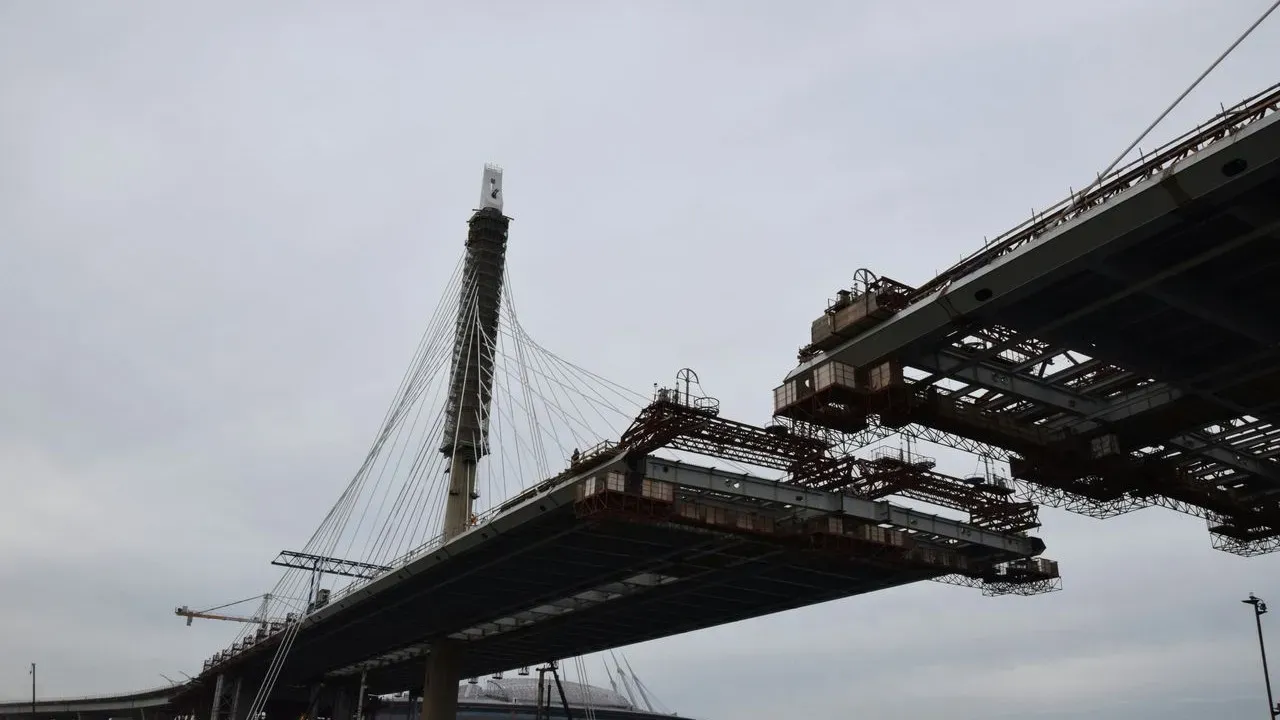

Burnet County, Texas – A bridge long envisioned for the Wirtz Dam site is moving forward with the goal of strengthening connections across the Highland Lakes. The project, discussed since the 1970s, centers on improved emergency medical access for residents of Horseshoe Bay and Marble Falls. Archaeological discoveries along the route have shaped the timeline, yet the effort continues with support from TxDOT and federal partners. ([1])
Connecting Communities Across the Lakes
The proposed Wirtz Dam bridge would span a key stretch of water that currently requires longer detours for many local trips. For families in Horseshoe Bay and Marble Falls, the shorter route could mean faster responses when medical care is needed most. The Highland Lakes region draws visitors year-round for its clear waters, rolling hills, and small-town character, and reliable local access supports both daily life and the quiet rhythms of travel through the area.
Residents have discussed the idea for nearly five decades, reflecting a steady commitment to practical improvements that respect the landscape. The bridge is expected to serve as a steady link rather than a dramatic change, allowing people to move more easily while the surrounding natural beauty remains the main draw.
Respecting the Region’s Layered Past
Archaeological findings encountered during planning have prompted careful adjustments to the route and schedule. Such discoveries are common in the Texas Hill Country, where layers of human history rest beneath the surface. The process underscores a thoughtful approach that values what lies beneath the ground as much as the connections built above it.
Project leaders have worked with specialists to document and address these findings, ensuring the work proceeds with appropriate regard for the area’s heritage. This measured pace reflects the kind of responsible development that many travelers appreciate when they seek places where history and daily life coexist.
Timeline and Funding in Context
The roughly $63 million effort draws on state and federal resources to bring the long-planned crossing to reality. Construction is currently slated to begin around 2029, with completion targeted for 2032. These dates allow time for thorough preparation while keeping the focus on delivering a durable structure that serves the community for generations.
Key elements of the project include coordination among Burnet County, TxDOT, and federal agencies. The timeline also accounts for ongoing reviews that protect both the environment and cultural resources. Travelers who value places shaped by patient planning will recognize the care behind these steps.
What the Bridge Means for the Highland Lakes
Beyond the immediate benefit of quicker medical access, the bridge supports the everyday movement that keeps small communities vibrant. Visitors exploring the lakes, wineries, and parks of the region may find the improved link convenient, yet the primary purpose remains local resilience. The project illustrates how infrastructure can quietly enhance the quality of life in places known for their natural setting and welcoming character.
As planning continues, the emphasis stays on thoughtful execution that honors both the land and the people who call it home. The result is expected to be a bridge that feels at home in the Texas Hill Country, connecting what has long been discussed with what the future requires.
AI Disclaimer: This article was created with the assistance of AI tools and reviewed by a human editor.