
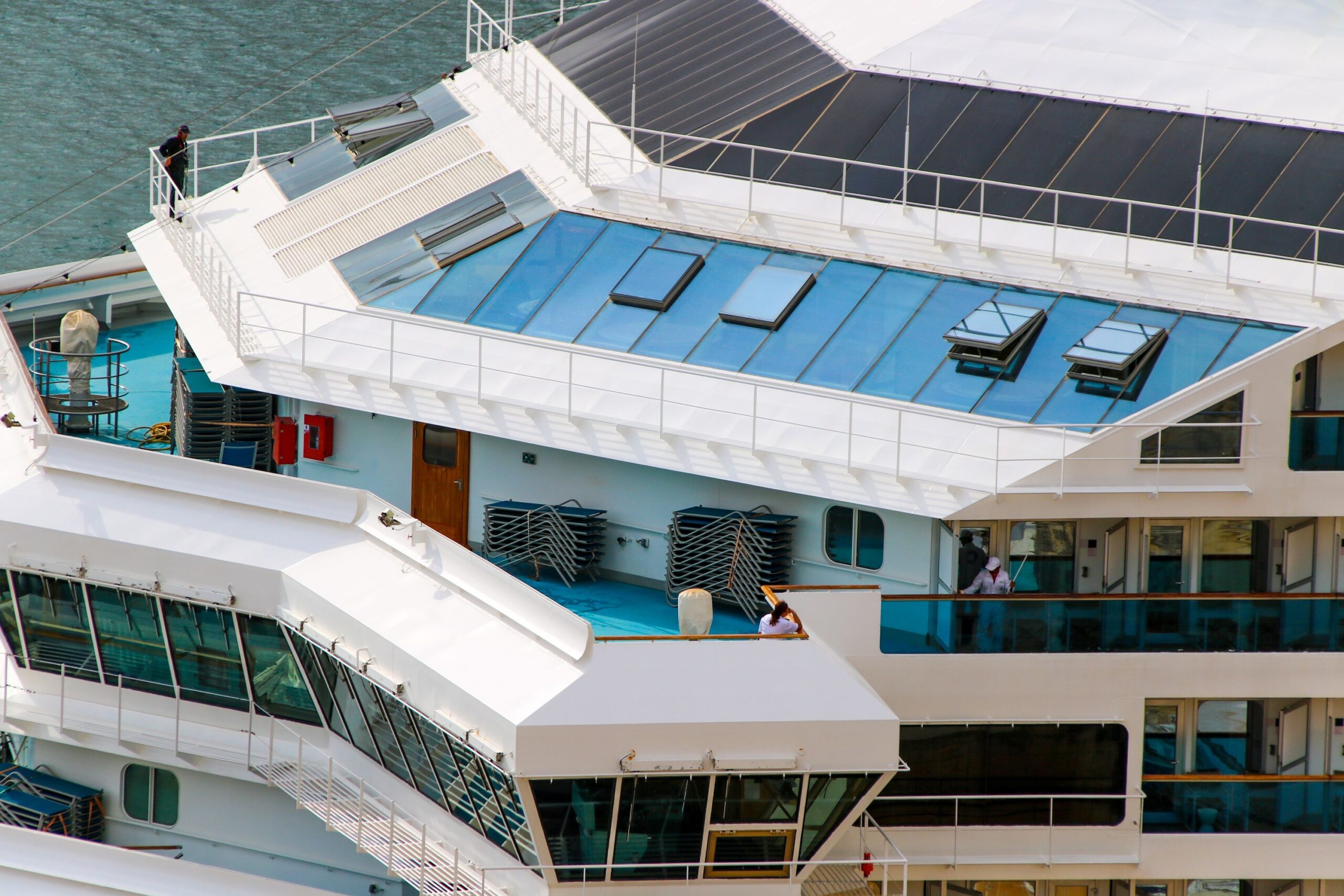

Cruising is booming. Global cruise passenger volume climbed to 37.2 million in 2025, according to the 2026 State of the Cruise Industry Report released by the Cruise Lines International Association (CLIA). With that many people navigating compact staterooms, shared bathrooms, and limited storage, the gap between a comfortable voyage and a stressful one often comes down to packing smarter before you even leave your front door.
Cabin stewards see every type of traveler, every week, on every ship. They notice who struggles and who thrives. The items seasoned passengers quietly unpack on embarkation day tend to make a recurring impression – not because they’re extravagant, but because they solve small, predictable problems before they start.
Magnetic Hooks: The Single Most Useful Thing You Can Pack

Most cruise ship cabin walls are made of metal, which means magnetic hooks are a genuine game-changer for creating vertical storage. Use them to hang wet swimsuits, lanyards, day bags, hats, and the daily itinerary paperwork that always clutters up the small desk.
Magnetic hooks also work on the ceiling in many staterooms, as most cruise ship cabin walls and ceilings are magnetic. A small set of strong magnetic hooks costs very little, weighs almost nothing, and transforms a cramped space into something that actually functions. Cabin stewards frequently see experienced travelers unpack a handful on day one and immediately reclaim usable surface area.
A Portable Power Strip: Solving the Outlet Problem Once and for All
While some lavish suites on cruise ships are the size of an apartment, most cruisers stay in cabins that are not particularly spacious. Storage space is often at a premium, and a cruise ship cabin’s bathroom is likely far smaller than yours at home.
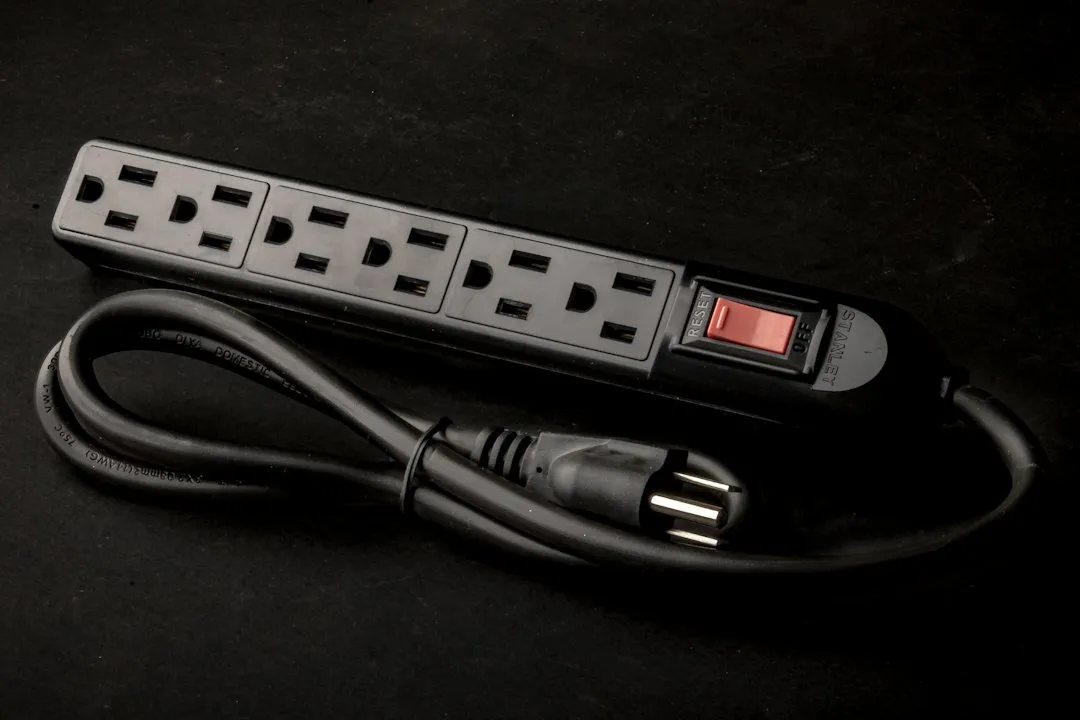
Outlets are scarce in most staterooms, typically just one or two near the vanity. Passengers traveling with phones, tablets, cameras, and electric shavers quickly discover the shortage. Bringing a power strip without a surge protector (surge protectors are prohibited on most lines) lets everyone charge simultaneously without waiting or hunting for an available plug. It’s one of the most commonly recommended items across experienced cruiser communities.
A Motion-Sensor Night Light
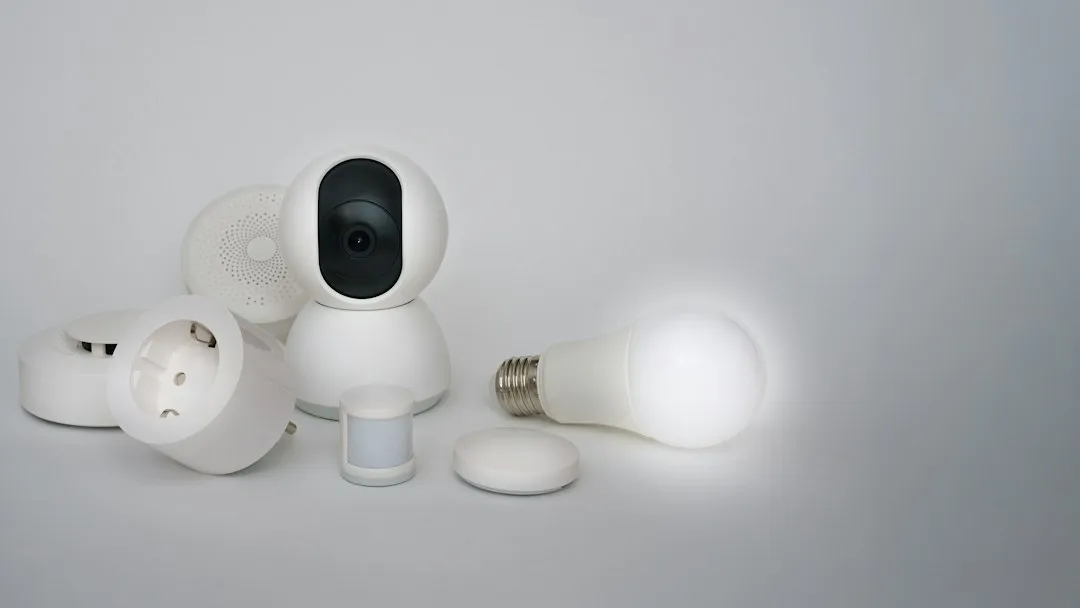
Cruise ship cabins can get downright dark, even if you have a window or balcony. A motion-sensor night light ensures you can navigate at night without disturbing cabin mates. Some styles even provide dimmers, chargers, or clocks built into the face.
Many cruisers recommend bringing a motion-sensor night light or two for navigating your cabin and using the bathroom in the dark, so you won’t have to switch on the bright lights. It’s a small thing that cabin stewards rarely need to explain twice. Guests who skip it often wake a partner every time nature calls.
Extra Hangers From Home
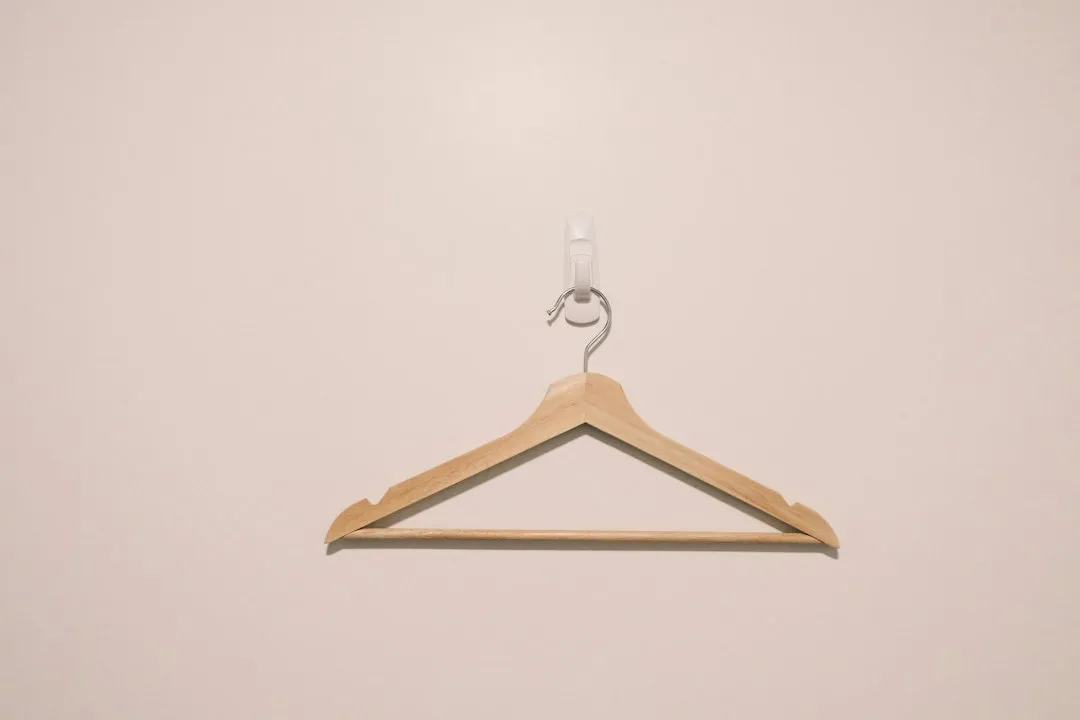
Bringing extra coat hangers from home, especially children’s-sized ones, is a top tip. There are never enough hangers, and the competition for space begins on day one when passengers want to hang their nicer garments.
Passengers often request extra hangers from their cabin steward, alongside extra towels, a mattress topper, or daily ice bucket refills. Stewards can often supply a few additional hangers, but the closet space itself remains fixed. Bringing a small bundle of slim, space-saving hangers from home is a habit that frequent cruisers almost universally share. Leave them behind when you disembark – no need to pack them home.
Your Own Toiletries, Especially Conditioner
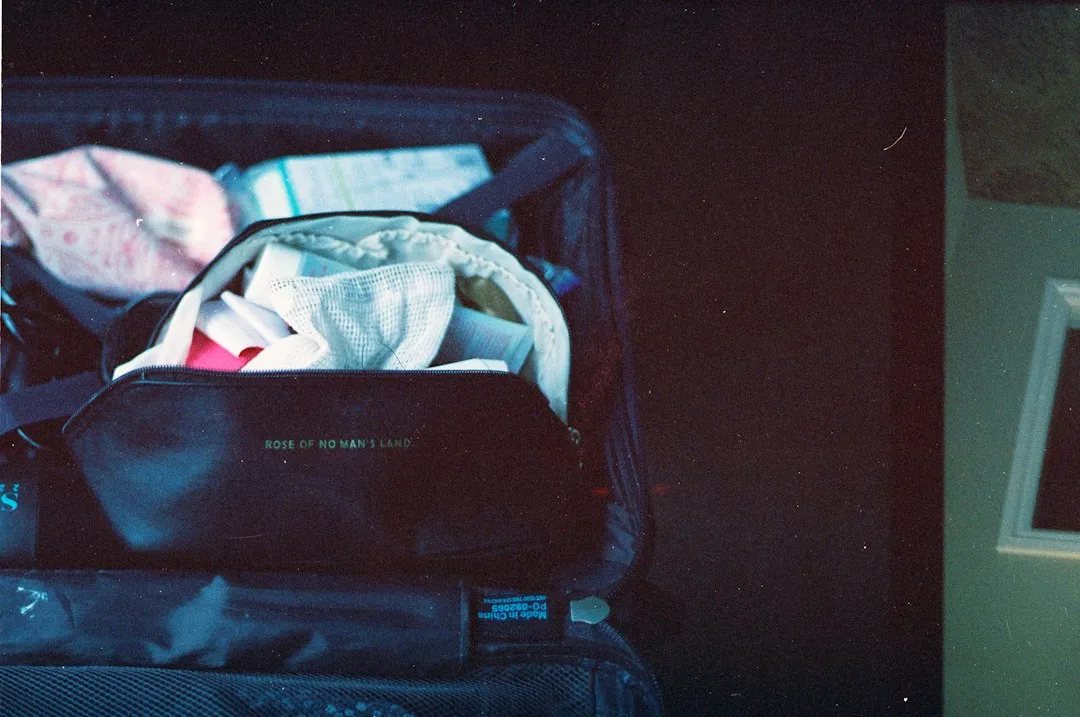
Although many cruise lines now use large refillable shampoo and conditioner containers, some luxury lines still provide individual bottles. The quality varies widely, and conditioner in particular is often absent or inadequate on mainstream lines. Packing small travel-sized bottles of your preferred products takes minutes and avoids a week of bad hair days.
If you have soap or shampoo that you just have to have, go ahead and bring it on the trip. Cabin stewards will note that experienced passengers almost always arrive with their own preferred toiletries. It removes one daily frustration entirely, and the bottles take up almost no luggage space when packed in a simple zip pouch.
Wrinkle-Release Spray

Wrinkle-release spray is worth packing if you’re concerned about wrinkles when unpacking your clothes. Irons aren’t allowed in cabins for fire safety reasons, and if you want something pressed, you have to send it down to laundry services. Alternatively, you can spray the wrinkled item, hang it in the closet, and let the spray do the work.
This matters most on formal nights, which most mainstream cruise lines still observe at least once or twice per voyage. Sending clothes to the ship’s laundry costs extra and takes time. A small bottle of wrinkle-release spray handles most creases within minutes and fits easily in a toiletry bag.
A Pop-Up Laundry Hamper

One of the best cabin hacks experienced cruisers swear by is bringing a laundry hamper to keep dirty laundry organized. Without one, dirty clothes tend to sprawl across every available surface.
Bringing a laundry bag or pop-up hamper keeps dirty clothes separate and off the cabin floor. Chair clips are also useful if you plan to dry clothes on the balcony and don’t want them to blow away. Cabin stewards have a much easier time refreshing a tidy room. A collapsible hamper folds completely flat inside your suitcase during transit, then pops open the moment you arrive. It’s one of those items you’ll wonder how you ever sailed without.
A Bathroom Spray for Small Spaces

A toilet spray like Poo-Pourri is considered a must for any cruise packing list. Any smell will travel quickly in a small stateroom with a compact bathroom. A travel-size bottle kept in the cabin handles this discreetly.
Cabins are compact with small bathrooms, and if you’re going to be sharing the room, a small bottle of bathroom spray helps keep certain scents from lingering after you and your cabin mates go. It’s the kind of item no one talks about but everyone appreciates. Cabin stewards service these compact bathrooms multiple times a day, and passengers who take care of the basics make everyone’s experience a little more pleasant.
Reef-Safe Sunscreen From Home

Sunscreen is one item that many experienced cruisers would rather bring from home. What ships sell is usually overpriced, and it may not be the brand you actually like or trust.
Everyone knows it’s a good idea to bring sunscreen, but many people never think to bring aloe in case they get burned anyway. The lower latitudes of the Caribbean mean the sun is much stronger than your skin is likely used to, and being able to prevent and treat sunburn is important to actually enjoying your cruise. Packing both a quality reef-safe SPF and a small tube of aloe vera gel costs a fraction of what you’d spend on the ship, and protects both you and the marine ecosystems you’ll be sailing through.
A Portable White-Noise Machine or Fan

A small, portable sound machine is helpful for blocking out hallway noise if your cabin is close to the elevator banks or another noisy area of the ship. Cruise ships are lively environments around the clock. Hallways, mechanical hum from the engines, and neighboring cabin activity can disrupt sleep in ways that don’t show up in a brochure.
If you usually sleep with a fan at home, consider bringing a small one for your cabin. A rechargeable fan with multiple speed settings packs a punch despite its small size. Fans are also a popular item to request from cabin stewards, whether passengers use them for cooling or for white noise. Knowing you can create your ideal sleep environment regardless of where on the ship your cabin sits is genuinely worth the small amount of luggage space a compact fan requires.
The Takeaway
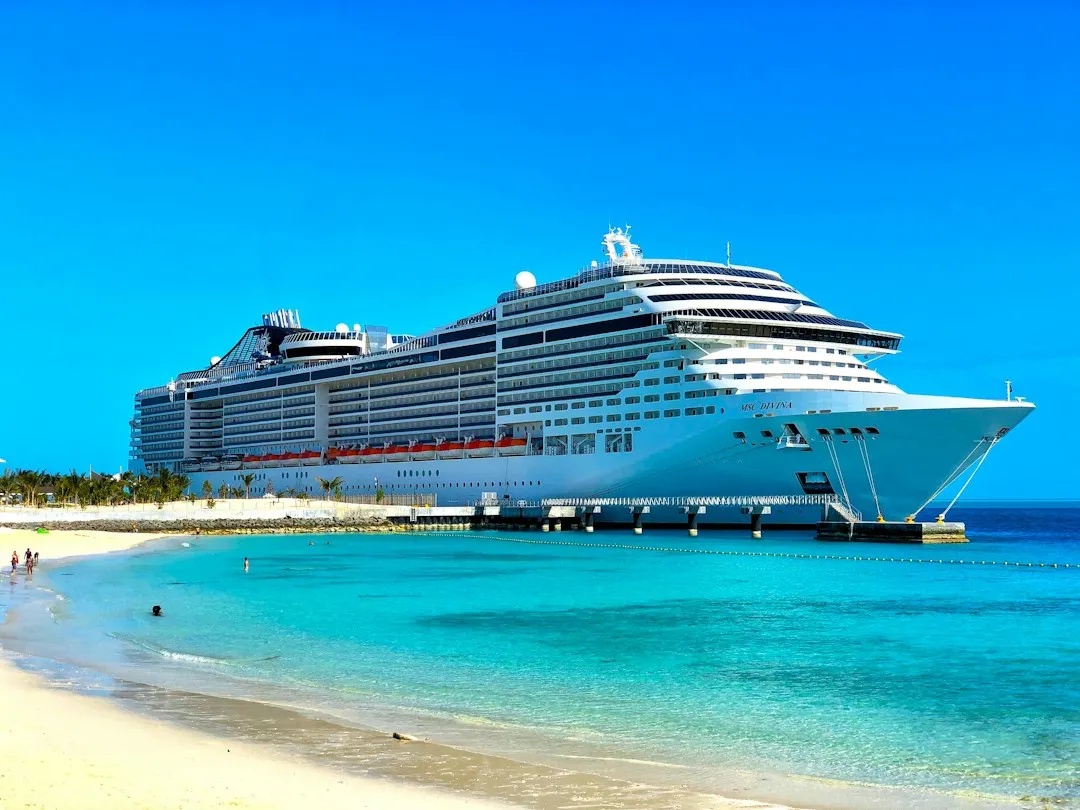
There’s a certain rhythm that experienced cruisers develop, and much of it starts with what they pack before the ship ever leaves port. In 2025, a record-high 37.2 million people took cruise vacations according to CLIA, and the most content among them tend to be the ones who’ve learned that a well-chosen collection of simple items from home does more for the experience than any onboard upgrade.
Cabin stewards work across dozens of staterooms every single day, and the patterns they observe are consistent. Travelers who arrive prepared, organized, and thoughtful about their space tend to settle in faster, sleep better, and simply enjoy themselves more. None of the items above are complicated or expensive. They’re just the result of paying attention – which, as any seasoned sailor knows, is where good travel always begins.
AI Disclaimer: This article was created with the assistance of AI tools and reviewed by a human editor.