

The Quiet Rise of Serious Sushi at Sea
Cruise lines have transformed sushi from a specialized cuisine into one of the most popular specialty restaurant options aboard cruise ships. That shift has been building for years, but it has accelerated noticeably in the mid-2020s, with lines investing in partnerships with chefs who have real culinary credentials.
Izumi Hibachi and Sushi began as a casual sushi stop with a few cooked meals on Oasis-class ships but has since evolved into a full-fledged Japanese dining experience, featuring sushi, rolls, and teppanyaki options, making it one of the most popular specialty restaurants on Royal Caribbean. That kind of evolution is happening across multiple lines simultaneously.
Holland America’s launch of the Morimoto By Sea Sushi Bar reflects the next phase in cruise dining, with curated menus representing a growing emphasis on fresh, high-quality seafood and chef-driven dining experiences. The bar has clearly been raised – and most passengers haven’t noticed yet.
What Chefs Actually Want You to Order
Many cruise ships still limit their Japanese food offerings to premade rolls languishing on the buffet. If you want fresh sushi prepared on the spot, you need to seek out a ship with a dedicated Japanese venue onboard. That distinction matters enormously when it comes to quality.
When you do find one of those dedicated venues, the real question is what to order. The chefs working the counter tend to have strong opinions about what gets overlooked, and the answer almost universally points toward the traditional, the understated, and the region-specific.
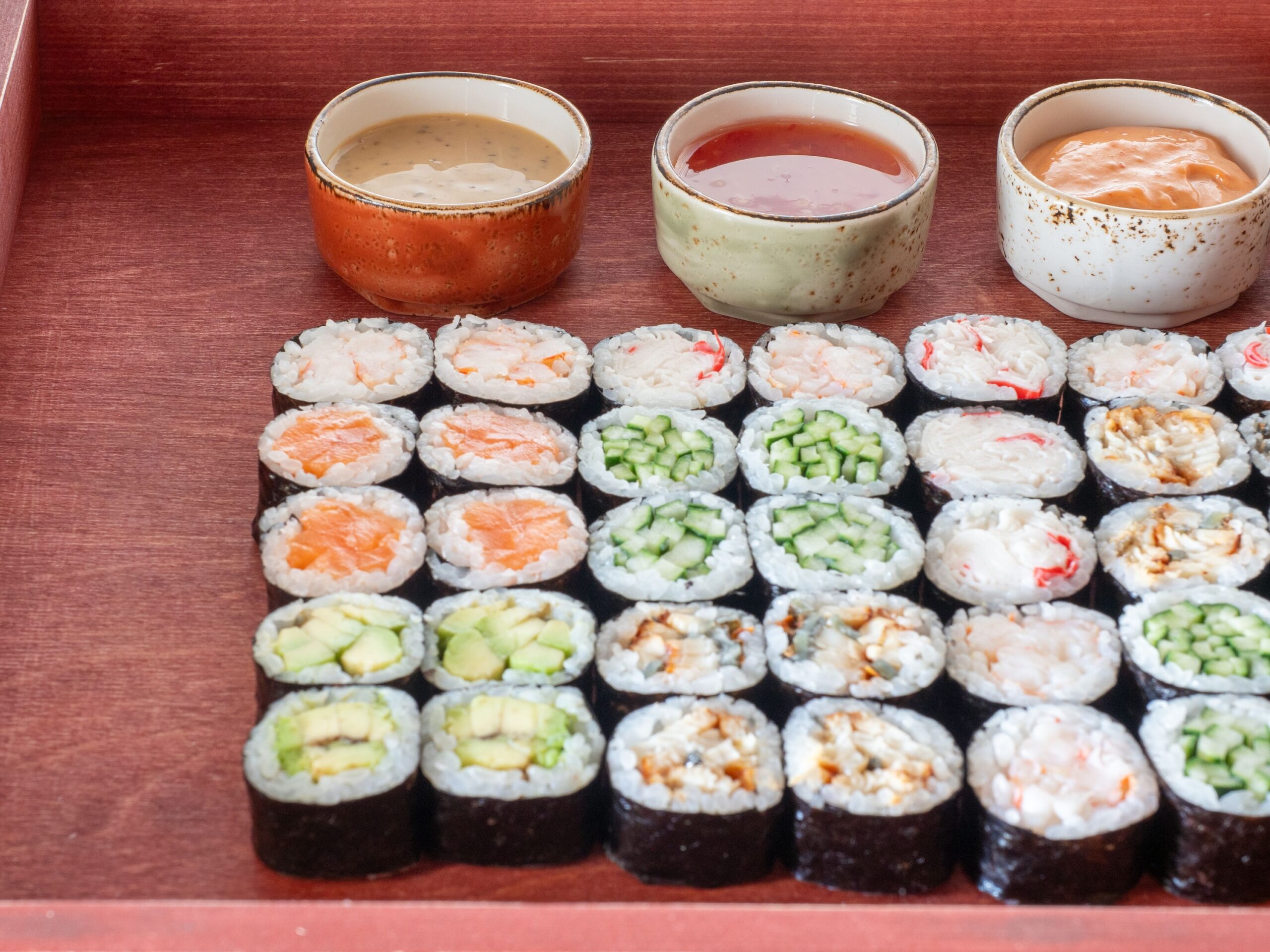
Classic rolls are genuinely underrated by visitors, who often skip them looking for something more elaborate. Kanpyo maki, for instance, is the most traditional roll of Edomae sushi, the Tokyo style. It’s also one of the last things most cruise passengers would think to try.
The Temaki: A Hand Roll That Demands Your Attention
Temaki is a hand roll, cone-shaped, and meant to be eaten immediately before the nori goes soft. That immediacy is part of what makes it special. Unlike a sliced maki roll that sits patiently on a plate, temaki is a live experience.
Temaki is a cone of nori filled with rice and fillings, eaten from the hand. It is not sliced. Eat it quickly, because the nori is crisp for about a minute before moisture from the rice softens it. That brief window of perfect texture is something no buffet tray can replicate.
Princess Cruises’ Makoto Ocean menu features premium specialties like snow crab temaki – a composed, chef-designed version of a format that most passengers walk right past. It’s on the menu, but it tends to go unordered while guests gravitate toward rainbow rolls.
Edomae Style: The Tradition Behind the Counter
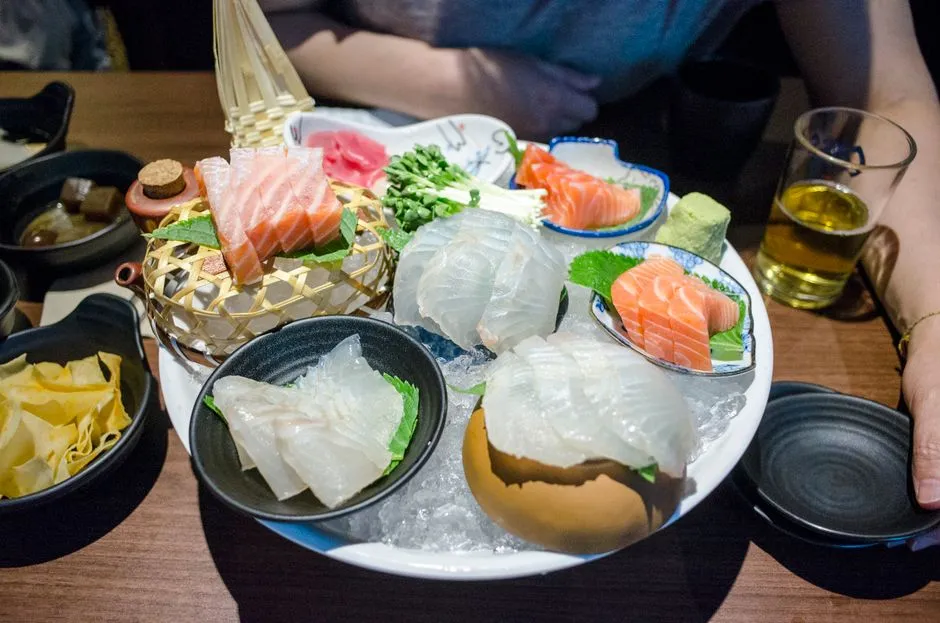
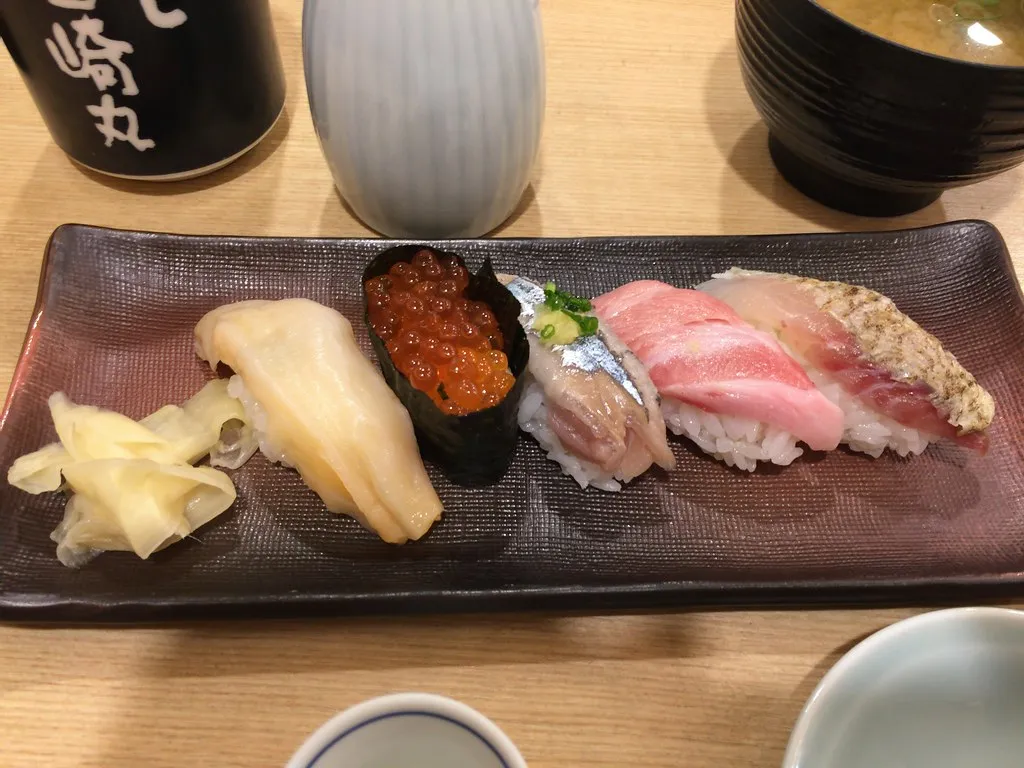
Tokyo is where Edomae sushi was born. “Edomae” means “in front of Edo,” the old name for Tokyo, a nod to the days when the fish came straight from Tokyo Bay. The style is built on technique you can taste: rice held at body temperature, and fish that’s been aged, cured, or marinated rather than just sliced.
Guests sailing with Princess Cruises can now enjoy the bold, authentic flavors of Chef Makoto Okuwa’s Edomae-style sushi aboard multiple ships. First introduced aboard Sun Princess in 2024, Makoto Ocean has quickly become a guest favorite. The style emphasizes restraint and technique over novelty.
Makoto Ocean, which premiered onboard Sun Princess and Star Princess, brings the refined artistry of Chef Makoto Okuwa’s Edomae-style sushi to Diamond Princess as part of the line’s 2026 Japan season expansion. It’s one of the clearest examples of a cruise line treating onboard sushi as a genuine culinary statement rather than a supplementary option.
Holland America’s Morimoto Roll Nobody Talks About
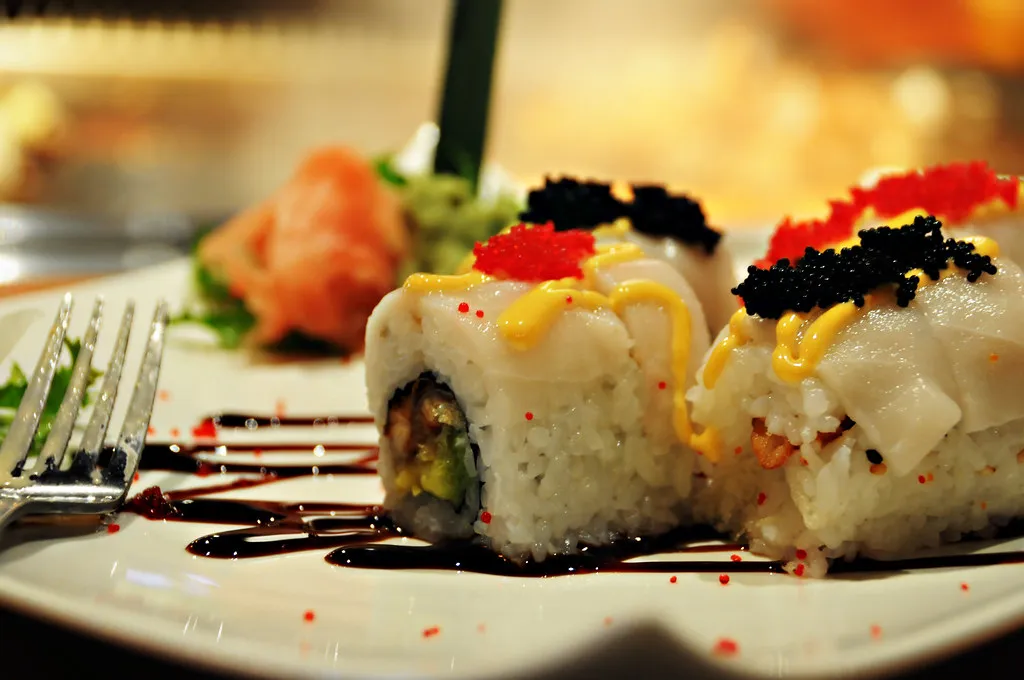
To mark the debut of its Morimoto By Sea Sushi Bar, Holland America believes it set a record for the longest sushi maki roll made at sea, with an approximately 90-foot-long roll aboard the Rotterdam. Created by Chef Masaharu Morimoto and more than 50 members of the ship’s culinary team, the colossal roll used more than 55 pounds of sushi rice and 33 pounds of fresh big eye tuna.
Operating on an à la carte basis, the bars serve a seasonal selection of sushi and sashimi alongside Morimoto’s signature dishes. They also reinforce the line’s Global Fresh Fish program, which sources seafood locally and serves it onboard within 48 hours. That freshness window is exceptional by any standard, land or sea.
The Morimoto By Sea Sushi Bars debuted across Rotterdam, Koningsdam, Nieuw Statendam, and Eurodam, each featuring an intimate counter with seating for 12, along with adjacent table seating. The scale is intentionally small – which is exactly the point.
Why Passengers Keep Ordering the Same Four Rolls
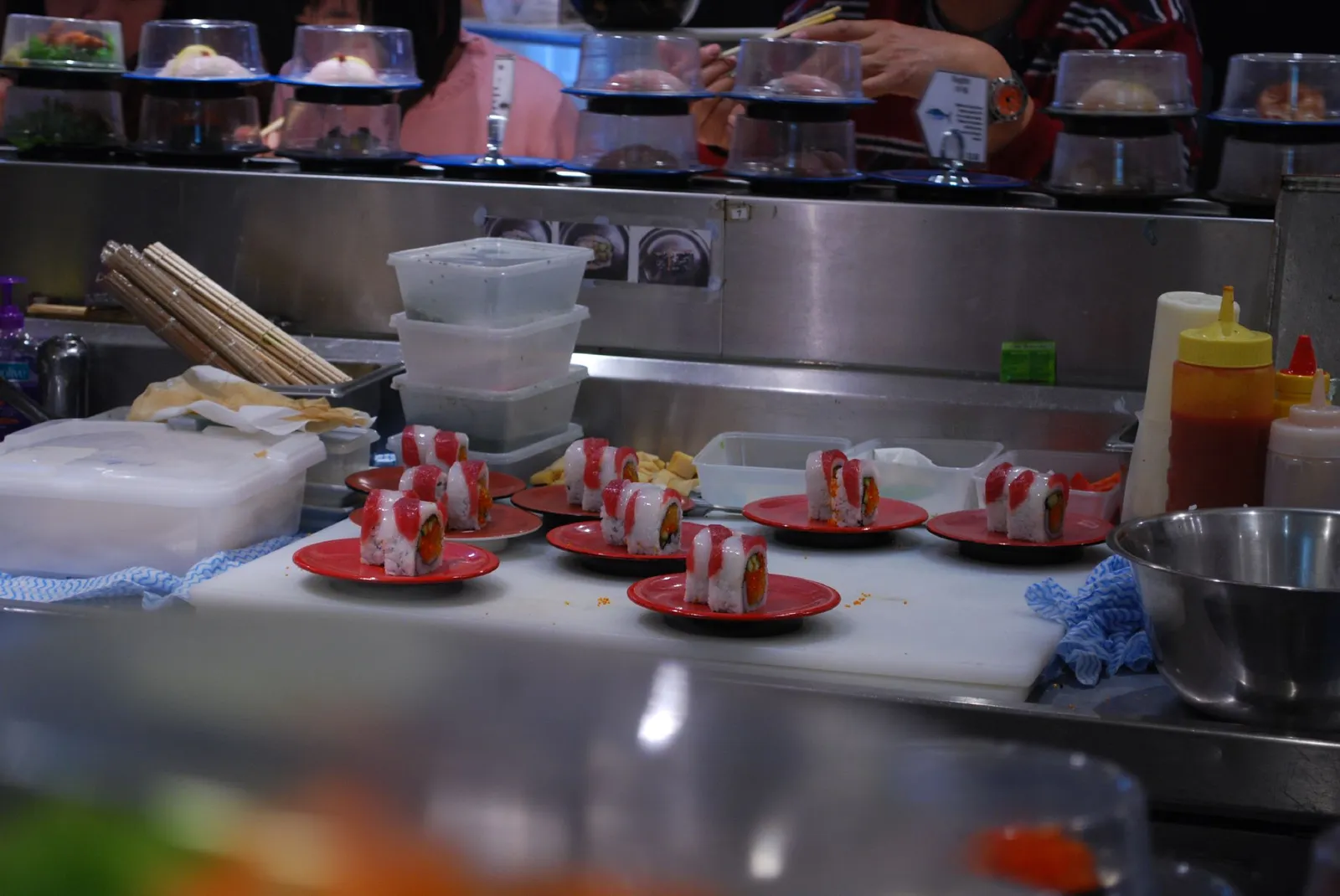
There’s a reasonable explanation for why cruise guests default to what they know. Sushi menus on ships can be long, the terminology is sometimes unfamiliar, and when you’re paying à la carte with a specialty dining surcharge, the risk feels higher. Safety wins out.
Popular choices at venues like Izumi include Spicy Tuna Rolls and Rainbow Rolls, while many ships now offer Omakase dishes too, with sushi rolls running approximately eight to fifteen dollars à la carte. Those mainstream rolls are reliably good, but they’re the floor, not the ceiling.
Cruise sushi menus are increasingly designed with a deliberate split: approachable rolls up front, and more adventurous or traditional preparations tucked further down the page. The chefs tend to put their best work into those quieter sections.
The Tsutsumi Roll: An Underordered Gem on Holland America
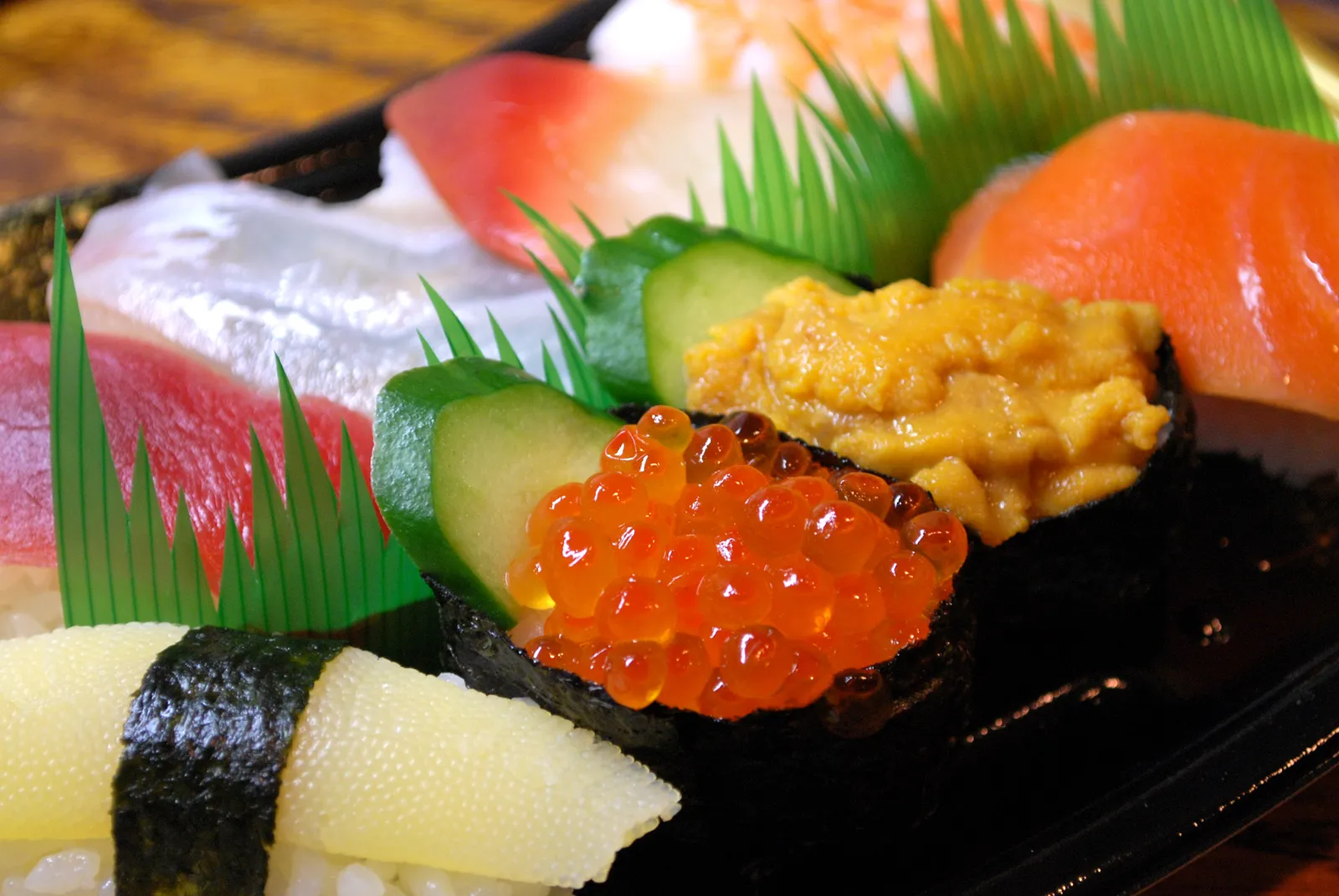
Nami Sushi on Holland America features signature rolls such as the Tsutsumi Roll – snapper, green olive, capers, and avocado – alongside the Dragon Roll with tempura shrimp, unagi sauce, and avocado, and the Spicy Scallop roll. The Tsutsumi stands out as a composition that genuinely reflects culinary thought, not just crowd-pleasing familiarity.
Nami Sushi is a specialty restaurant on several Holland America ships, and its menu was designed by world-renowned sushi master Andy Matsuda. That pedigree is worth taking seriously when you’re deciding what to order.
The Tsutsumi’s combination of briny capers with clean snapper flesh and bright olive notes reads more like a Mediterranean-Japanese crossover than a standard roll. Most passengers who order it say they wish they’d ordered it sooner.
The Omakase Option: Letting the Chef Decide
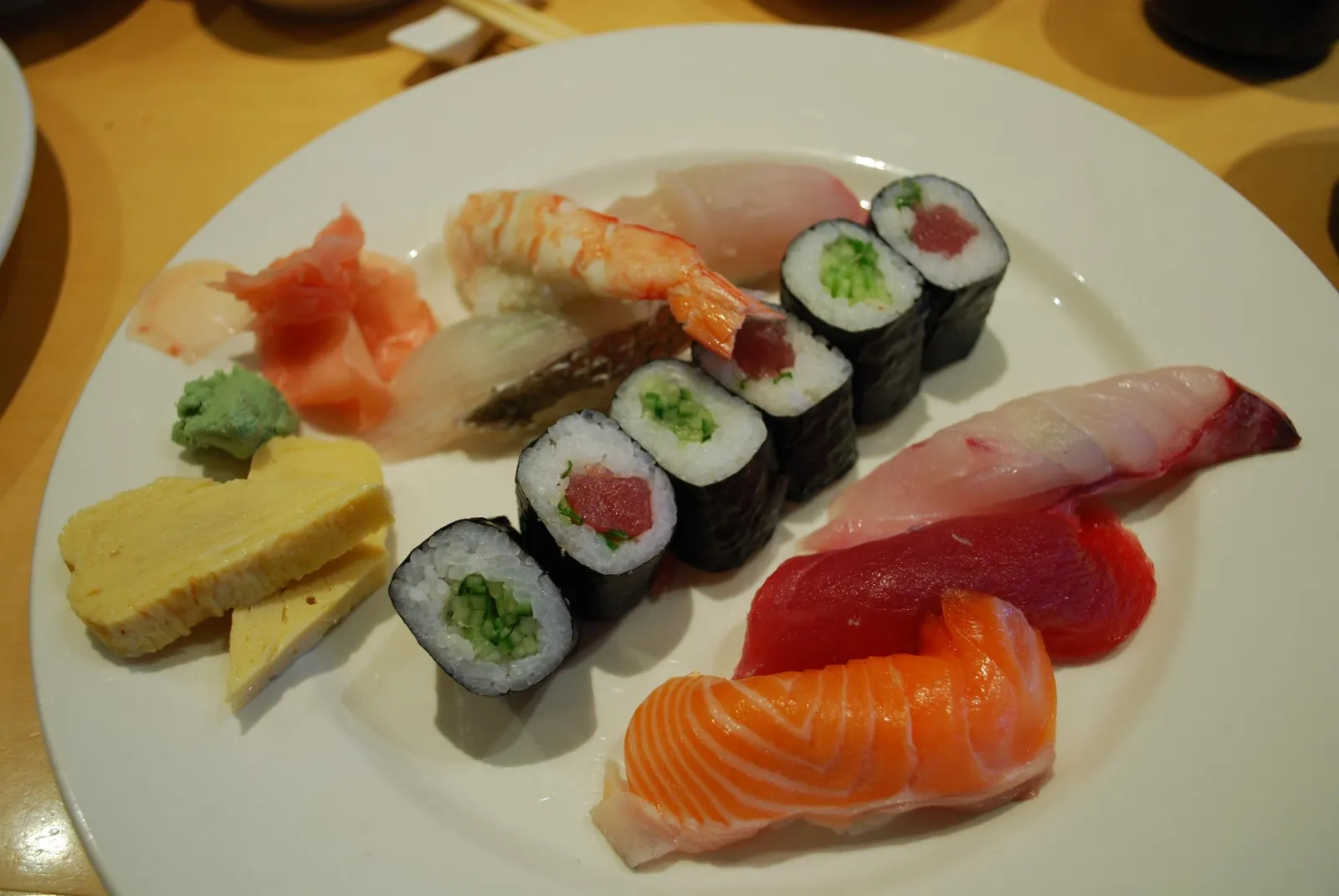
In Japanese cuisine, few dining experiences capture the spirit of trust and craftsmanship quite like omakase. Meaning “I’ll leave it up to you,” omakase invites diners to place their meal entirely in the hands of the chef. At sea, that phrase takes on added significance – the chef knows what came in freshest that day.
At Costa Cruises’ Sushino, trying the “Chef’s Choice” omakase offers a fun experience and a selection of the chef’s favorite rolls. It’s a low-stakes way to discover something new, and it’s far more common across cruise ship sushi menus than most passengers realize.
Celebrity Cruises’ Sushi on Five features an omakase sashimi option with five of the chef’s top cuts of fish for the day. Ordering this instead of a named roll is essentially asking the person who knows the kitchen best to make the decision – which is almost always the right call.
Freshness on the Water: How Cruise Lines Source Their Fish
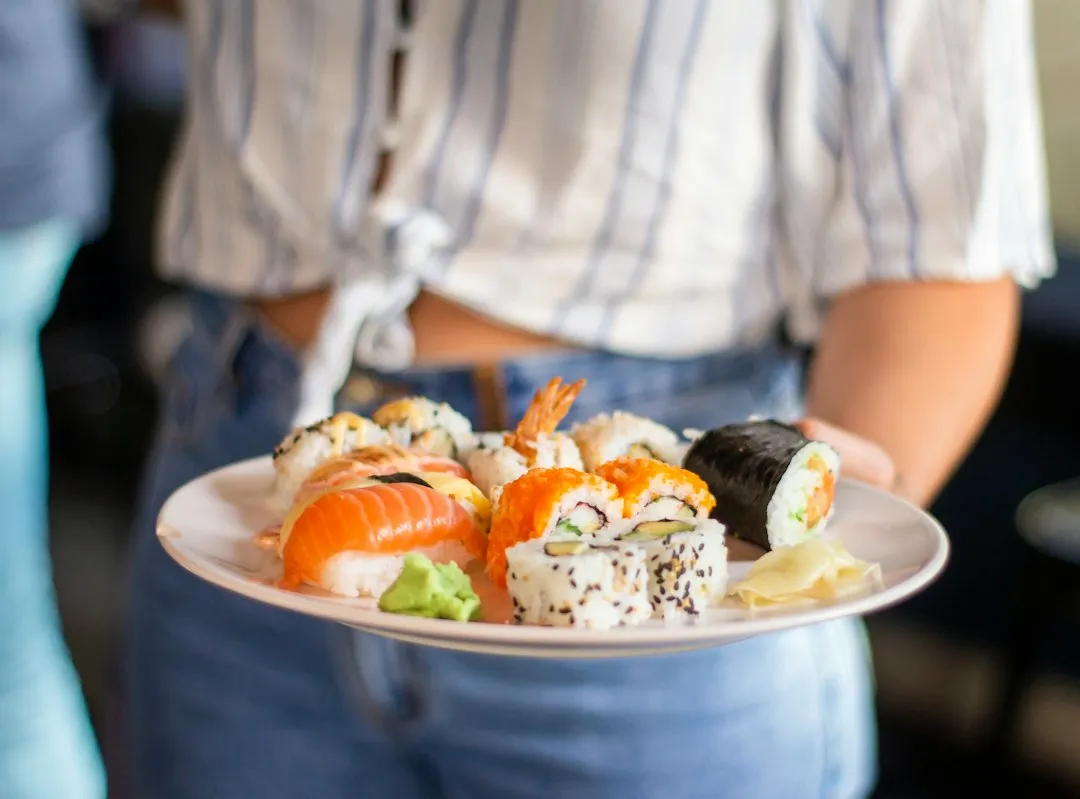
One of the quiet success stories of cruise ship sushi is the improving quality of the fish itself. The old assumption that seafood at sea must be frozen and compromised has become increasingly outdated as lines invest in smarter sourcing systems.
Holland America’s Global Fresh Fish program sources seafood locally and serves it onboard within 48 hours, which is a remarkable logistical achievement given that the ship is continuously moving. Local port sourcing means that the fish on the plate often has a regional story behind it.
At MSC’s Kaito Sushi Bar, all dishes are prepared on the spot by chefs, using the freshest ingredients. That on-demand preparation, rather than pre-portioning rolls in advance, makes a measurable difference in texture and flavor – especially for something as delicate as nigiri.
Toro Tartare and Other Unexpected Stars
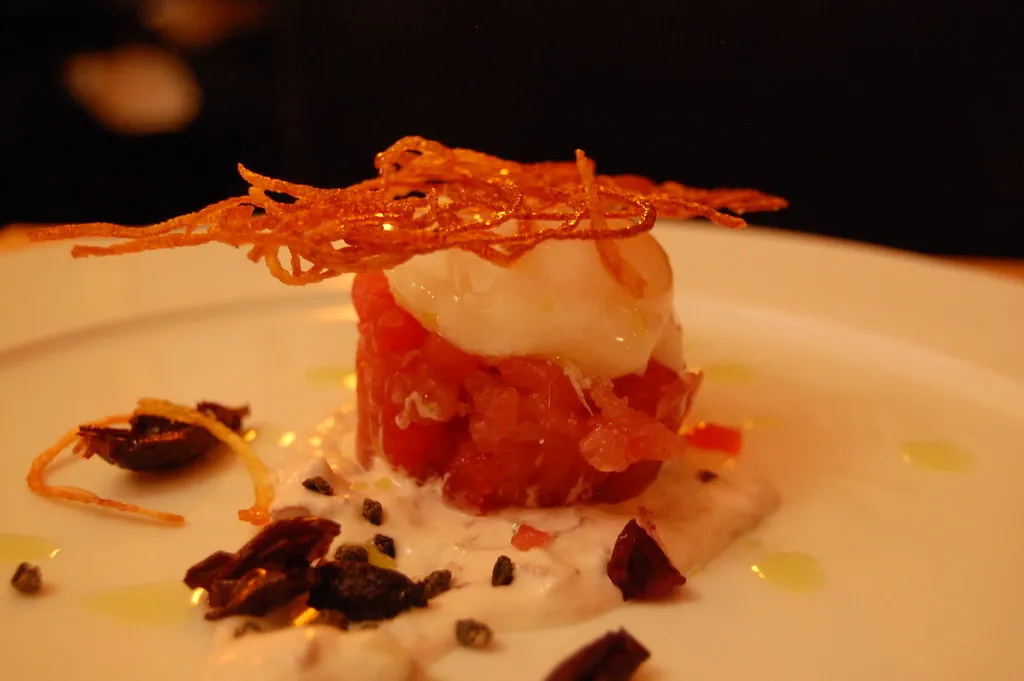
Princess Cruises’ Makoto Ocean menu features standout specialties including truffle salmon, snow crab temaki, and toro tartare. Of those three, the toro tartare is consistently the most surprising to guests who encounter it for the first time. Fatty tuna, when minced and seasoned correctly, has an almost buttery richness that a sliced cut can’t fully convey.
Oceania’s Red Ginger restaurant features the Tuna Tataki – a seared tuna filet with shiso, sesame crust, and wasabi cream – as well as a Sushi Chef’s Selection that combines sashimi and sushi rolls. These composed plates represent a culinary sensibility that goes well beyond what most passengers associate with cruise ship sushi.
Dishes like toro tartare and tuna tataki tend to sit just outside the typical ordering comfort zone. They require a small leap of trust in the kitchen, which is, fittingly, the entire spirit behind omakase.
The Roll Worth Seeking Out
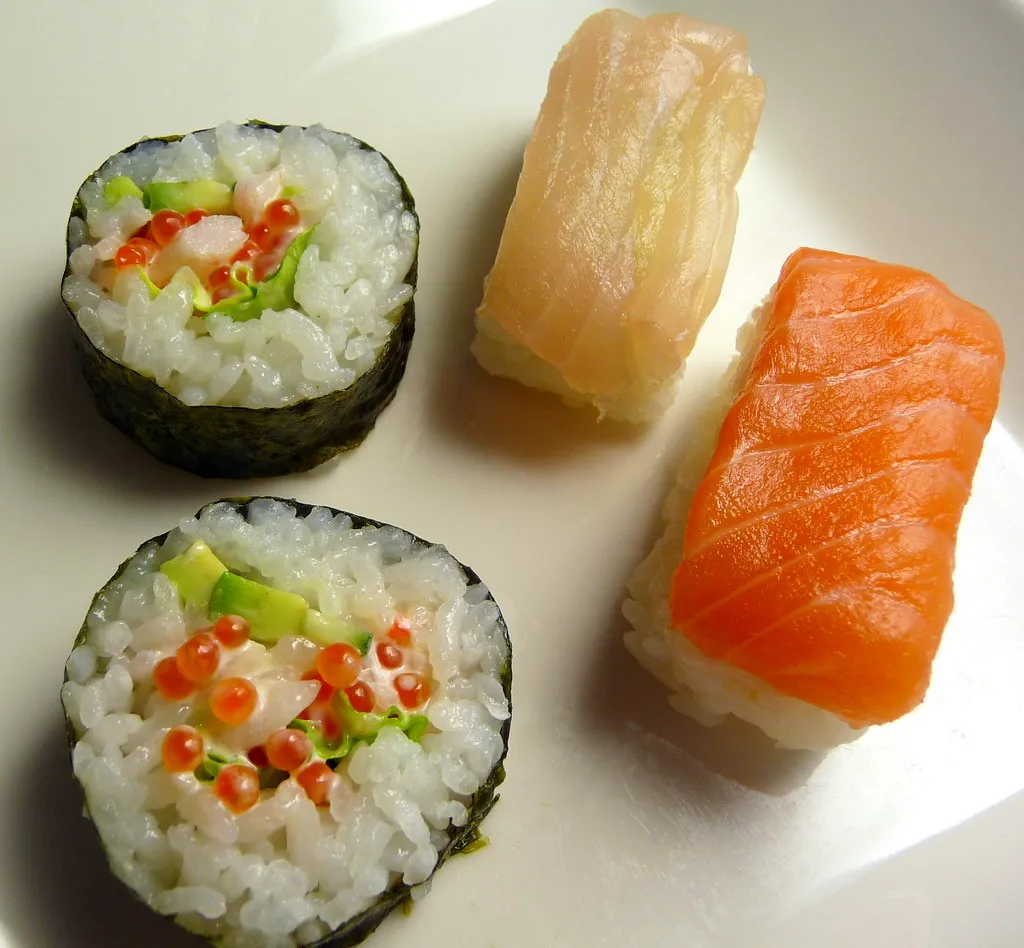
If there’s one consistent thread across cruise ship sushi programs in 2025 and 2026, it’s that the best rolls are rarely the ones that are most prominently advertised. Chefs at venues like Makoto Ocean, Morimoto By Sea, Izumi, and Nami Sushi have collectively raised the craft well above what the casual observer might expect.
Princess Cruises’ Royal Princess was named World’s Best Culinary Cruise Ship by the World Culinary Awards in 2025, with the honor voted on by the culinary community, industry experts, and consumers from around the world. Sushi was part of that story, not a footnote.
The roll most passengers never think to try isn’t always exotic. Sometimes it’s the snow crab temaki, sometimes it’s the kanpyo maki, sometimes it’s simply whatever the chef points to when you ask what’s best today. That question – “what’s best today?” – is one of the most underused tools at the sushi counter. Asking it tends to produce something memorable.
AI Disclaimer: This article was created with the assistance of AI tools and reviewed by a human editor.