
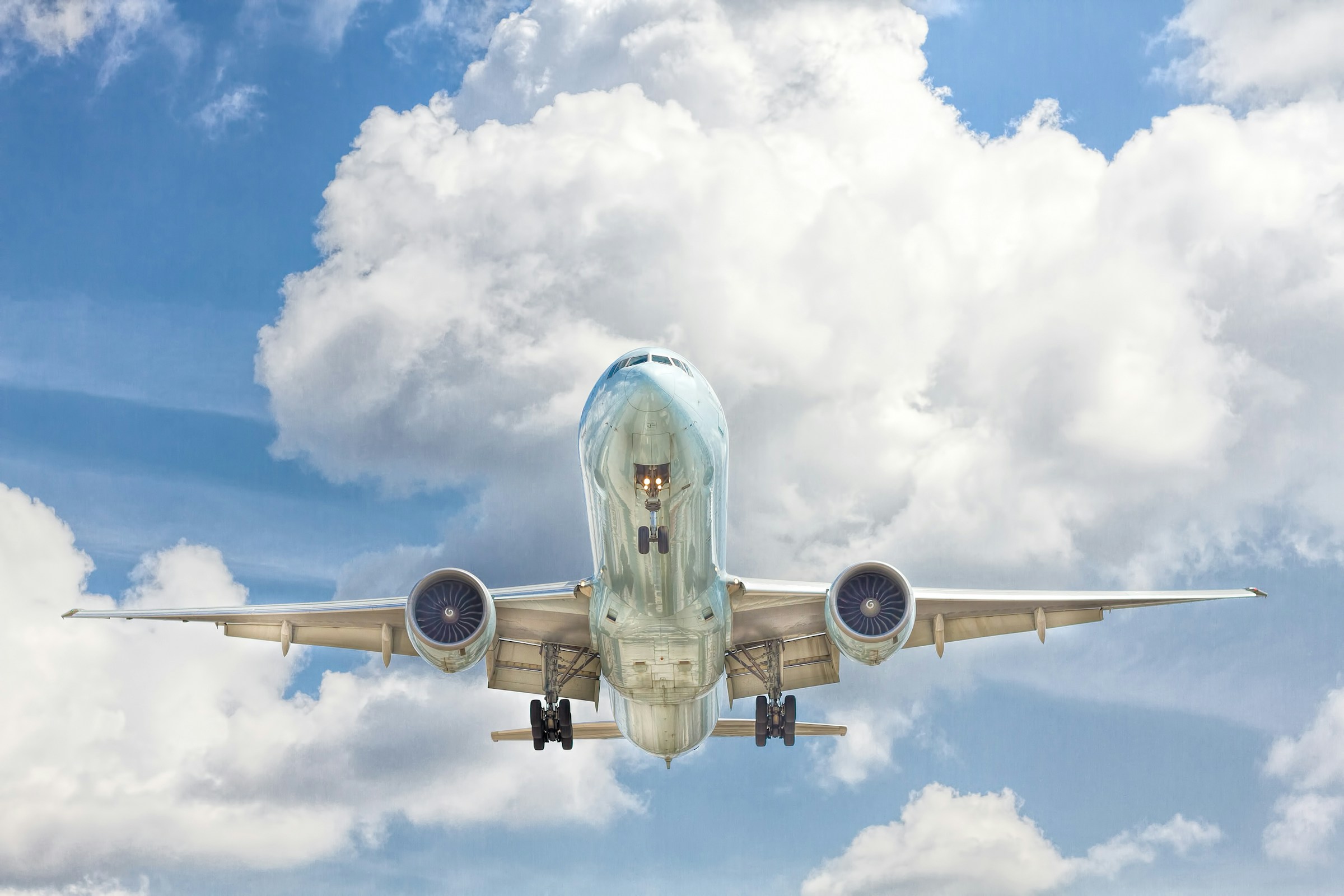

A Practice Born from the Novelty of Flight
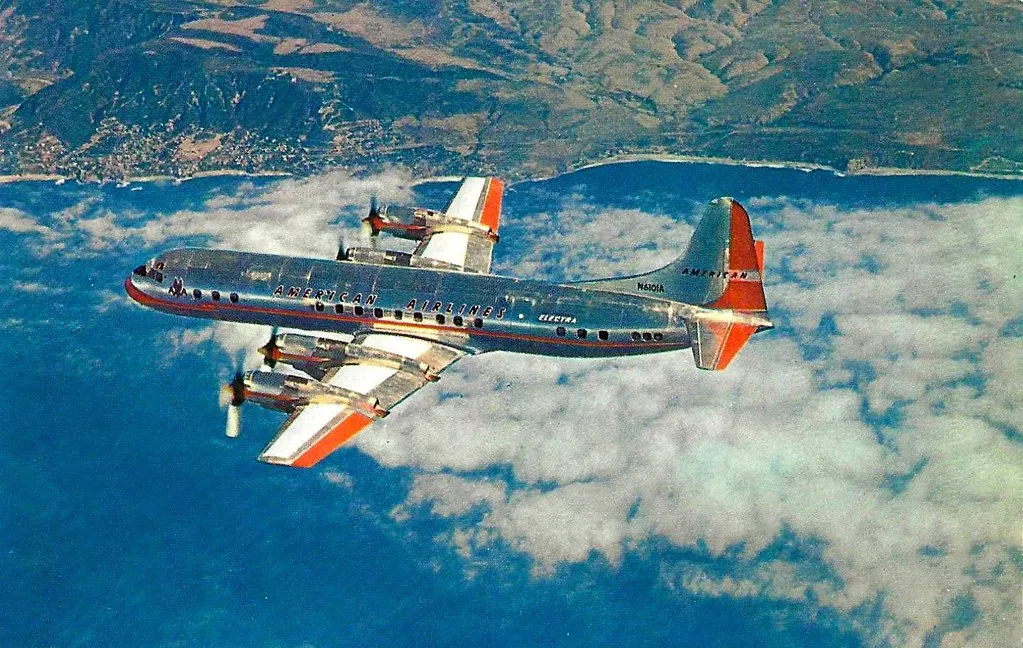
Postcards, which grew in popularity in the late 1800s and early 1900s, were used by early airlines to advertise their new routes and airplanes and were placed into the complimentary welcome kits each passenger received upon boarding. The timing was deliberate. The postcard medium and commercial aviation grew up together, and airlines recognized early on that a passenger holding a keepsake was a passenger who felt something.
These postcards were particularly novel, and not just because the idea of quickly being able to write a message to a friend was relatively new. The idea of taking an airplane was still something extraordinary, and reserved for the elite, up until the 1970s, when the introduction of jets and the Boeing 747 helped push fares down and make air travel accessible to the masses.
The Golden Age Cabin as a Stage for Design
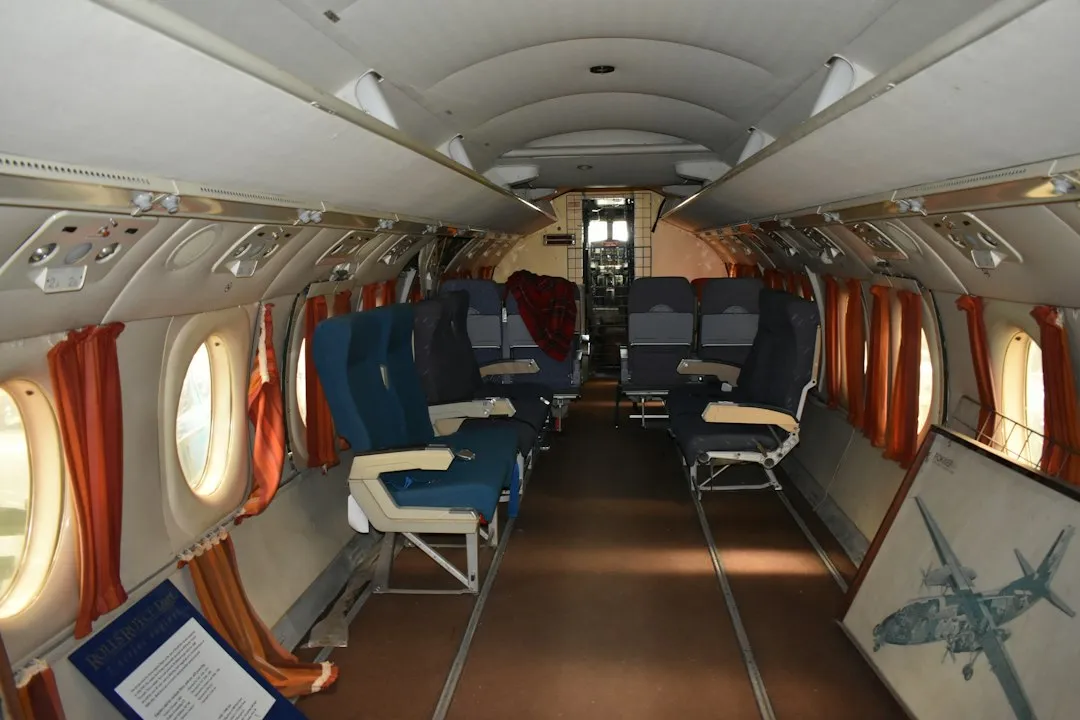
According to Guillaume de Syon, a history professor specializing in aviation history at Albright College, passengers in the 1950s were handed postcards as they boarded a flight, which was another niche for designers of that time. The cards were not afterthoughts. They were small commissions given to the same illustrators and graphic artists producing the airlines’ iconic travel posters.
Some aircraft had beds on board like bunks with a privacy curtain. It was not unusual for passengers to find a piano lounge or bar on the aircraft where they could relax and socialize. Cocktails were served at sophisticated parties, and passengers could enjoy themselves and possibly forget their fear of flying. Passengers were given “postcards from the sky” to send to friends and family, which became very collectible.
How Flight Attendants Brought the Cards to Life
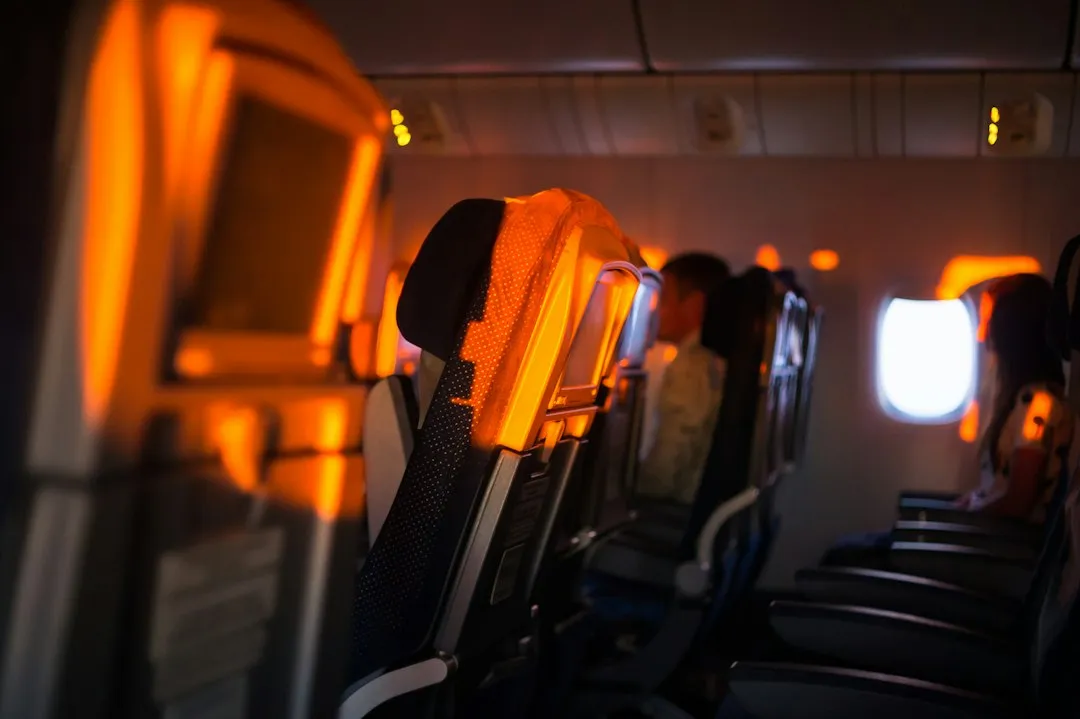
Stewardesses typically handed out postcards to passengers to occupy them during long flights, that is, if the passengers weren’t already too busy drinking, eating, and socializing. It was a practical gesture wrapped in hospitality. Long transoceanic routes with no onboard entertainment meant hours of open time, and a postcard gave passengers something tangible and purposeful to do with their hands.
Without the hi-tech entertainment systems of the modern day, passengers were forced to find other ways to occupy themselves on a long flight. Flying was still a real novelty, so air stewards would often hand out postcards for passengers to document their on-board experience. Travellers would spend their flight scribbling details about their time in the air, from the fine food to the free-flowing booze.
Pan Am: The Standard-Bearer of the In-Flight Postcard
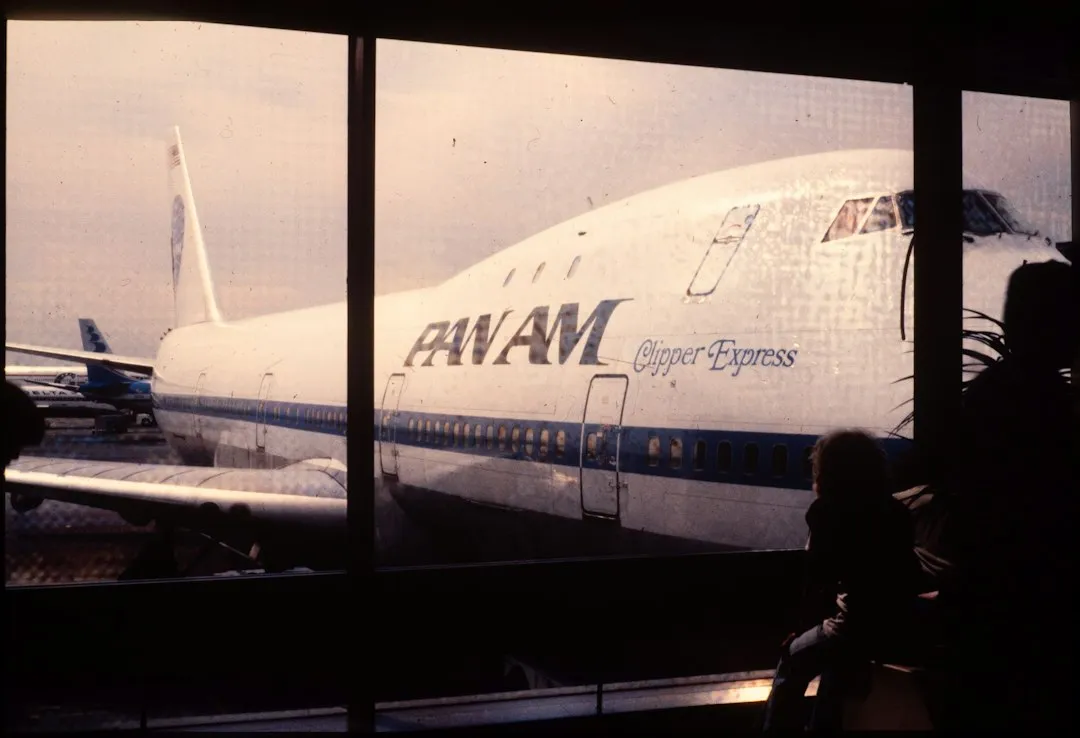
In its 64-year existence, Pan Am produced hundreds of posters promoting aircraft, service, and destinations. Many of those visual ideas filtered directly down into postcard format. A series of large horizontal posters were produced in the 1960s showing Pan Am destinations with a “Fly Pan Am” banner on the bottom. Miniature reproductions of these posters were produced as postcards and available to passengers in-flight.
The visual evolution of Pan American Airways posters across the decades is a fascinating journey. By the 1950s and 60s, the aesthetic shifted toward bolder graphic design, reflecting the confidence of the jet age. The result was a body of work remarkably diverse in style yet unmistakably unified in its sense of possibility and adventure.
TWA and the Art of the Aircraft Portrait
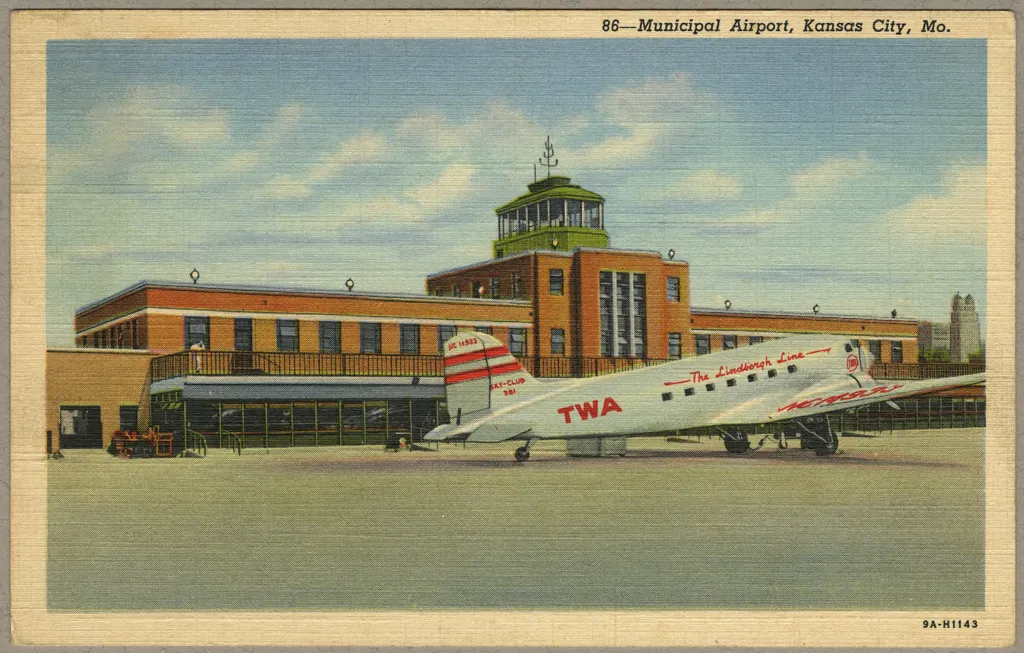
One of the major names in airline poster art was David Klein, who worked for TWA in the 1950s and 1960s. Klein’s vibrant colors and style are easily recognizable today. His visual language shaped much of how TWA presented itself to the public, and that same aesthetic energy carried over into the smaller postcard format that passengers held in their hands at cruising altitude.
Early airlines such as TWA and Pan Am issued official postcards touting their new aircraft or routes, which later became collectible items for enthusiasts. For TWA in particular, the aircraft itself was the hero of the image, often rendered in dramatic perspective against a vivid sky, with the airline’s name sweeping across the tail.
What the Cards Actually Showed
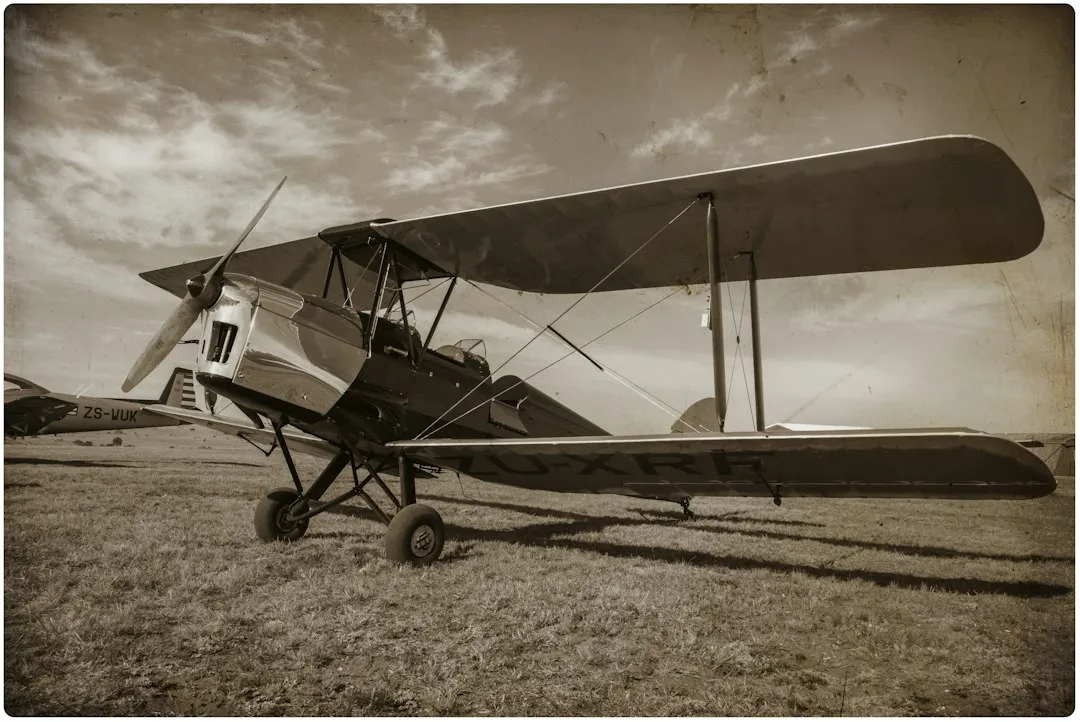
Commercial aviation has been a popular subject of picture postcards for decades, showing us how airlines, airports, airliners, and passengers looked at differing points in time. The subjects varied widely. Some cards depicted the exterior of the aircraft in glamorous aerial photography. Others showed the passenger cabin itself, the rows of seats, the white-gloved service, the neatly folded napkins. A few featured route maps or illustrated destination scenes paired with the airline’s branding.
Postcards are an important medium in telling stories of the past. They are historical masterpieces, showing life at points in time. Looking at one of these cards today, you can reconstruct an entire world: the livery of the aircraft, the uniform of the crew, the china pattern on the tray table.
Airlines Used Postcards as Quiet Advertisements
The dual function of the in-flight postcard was never really a secret. A passenger mailing a card from 35,000 feet, or from the next airport lounge, was effectively distributing the airline’s branding to someone new. According to Collector’s Weekly, postcards reached their golden age in the early 20th century, at a time when flight technology was rapidly advancing. The medium and the message aligned perfectly.
According to the Smithsonian National Air and Space Museum, the airline industry expanded from transporting 6,000 passengers in 1930 to over 450,000 by 1934, and 1.2 million by 1938. Each of those passengers was a potential ambassador for their airline, and a well-designed postcard made that word-of-mouth tangible. It was low-cost marketing with a genuinely human touch.
Northwest Orient and Other Carriers Joined the Tradition
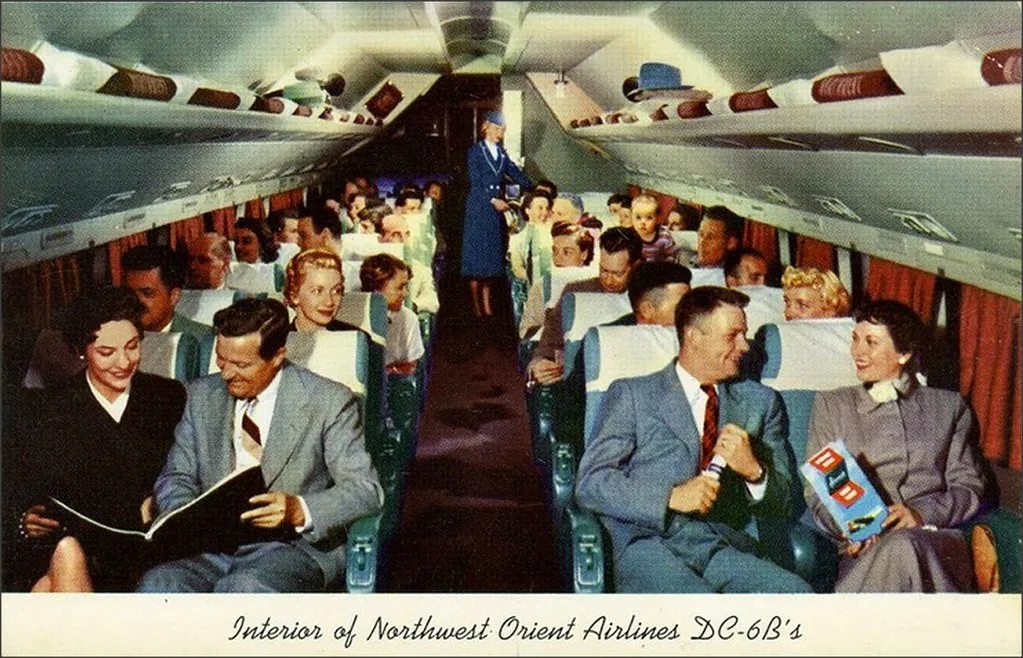
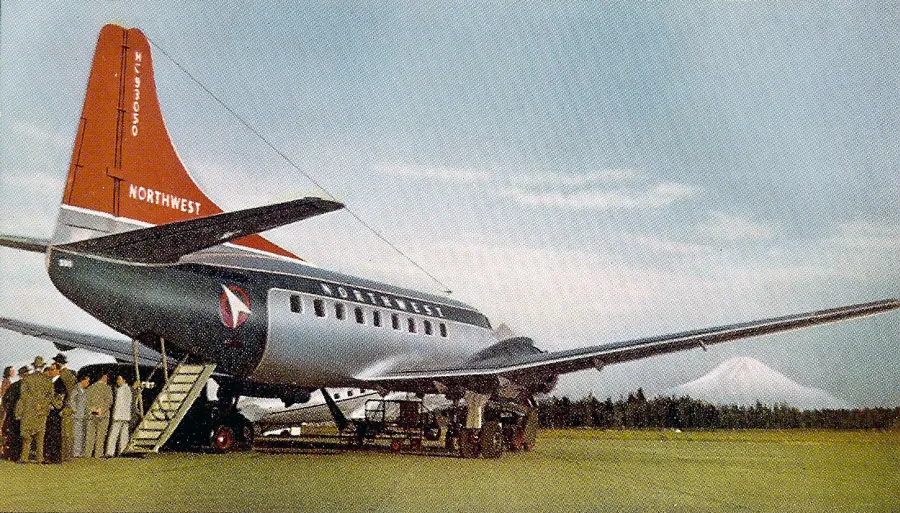
Pan Am and TWA attracted the most attention, but they were far from alone. In 1950, Northwest Orient Airlines produced in-flight postcards featuring destinations like Hong Kong and the Great Buddha at Kamakura, Japan. These were cards that spoke to the wonder of long-haul international routes at a time when traveling to Asia felt genuinely extraordinary to most Americans.
Included among historic aviation postcards are airlines that still exist, such as American, Delta, and United, alongside airliners from airlines engulfed in takeovers and victims of bankruptcy and changing times: Braniff International, Northeast Airlines, Pan American World Airways, Trans Texas Airways, and Ozark Airlines, among others. Each card is now a small window into an airline that no longer exists.
When the Tradition Faded
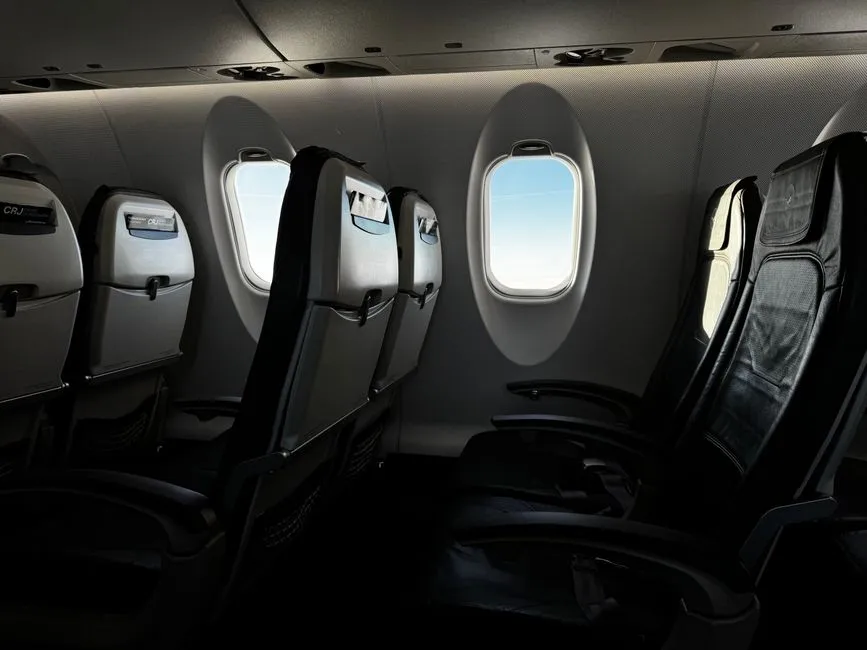
In the 1980s, ticket prices came down even further, allowing more people to be able to fly. In the 1970s and 1980s, there was a lot of change in the aviation industry and there was no need for glamour and luxury anymore. Deregulation reshaped the economics of flying, and the small courtesies that once defined the experience, including the postcard, quietly disappeared along with the full-course meals and the generous legroom.
There was no dramatic announcement. Airlines simply stopped including them. As carriers focused on cost reduction and cabin efficiency, the welcome kit shrank and eventually vanished. The postcard went with it, largely unnoticed at the time.
A Collector’s Market That Has Only Grown
Today, there are many collectors who focus on airline memorabilia, postcards included. Airline postcards were once a common freebie given to passengers, and now they’re turning into highly valuable collector’s items that fetch a pretty penny. The rarer the airline and the earlier the date, the more interest a single card can attract on dedicated marketplaces and at specialist auctions.
Defunct airlines like Pan Am and TWA are particularly interesting to collectors, whether they are aviation enthusiasts or former employees, likely because of their style and how they set trends at that time in aviation history. Platforms like Etsy and eBay carry hundreds of examples, and specialist dealers catalog them by airline, aircraft type, and era. One such collector is Chris Sloane, founder of the Airchive, which is billed as a “virtual history museum of the airline industry.”
The Nostalgia Economy Keeps Them Alive
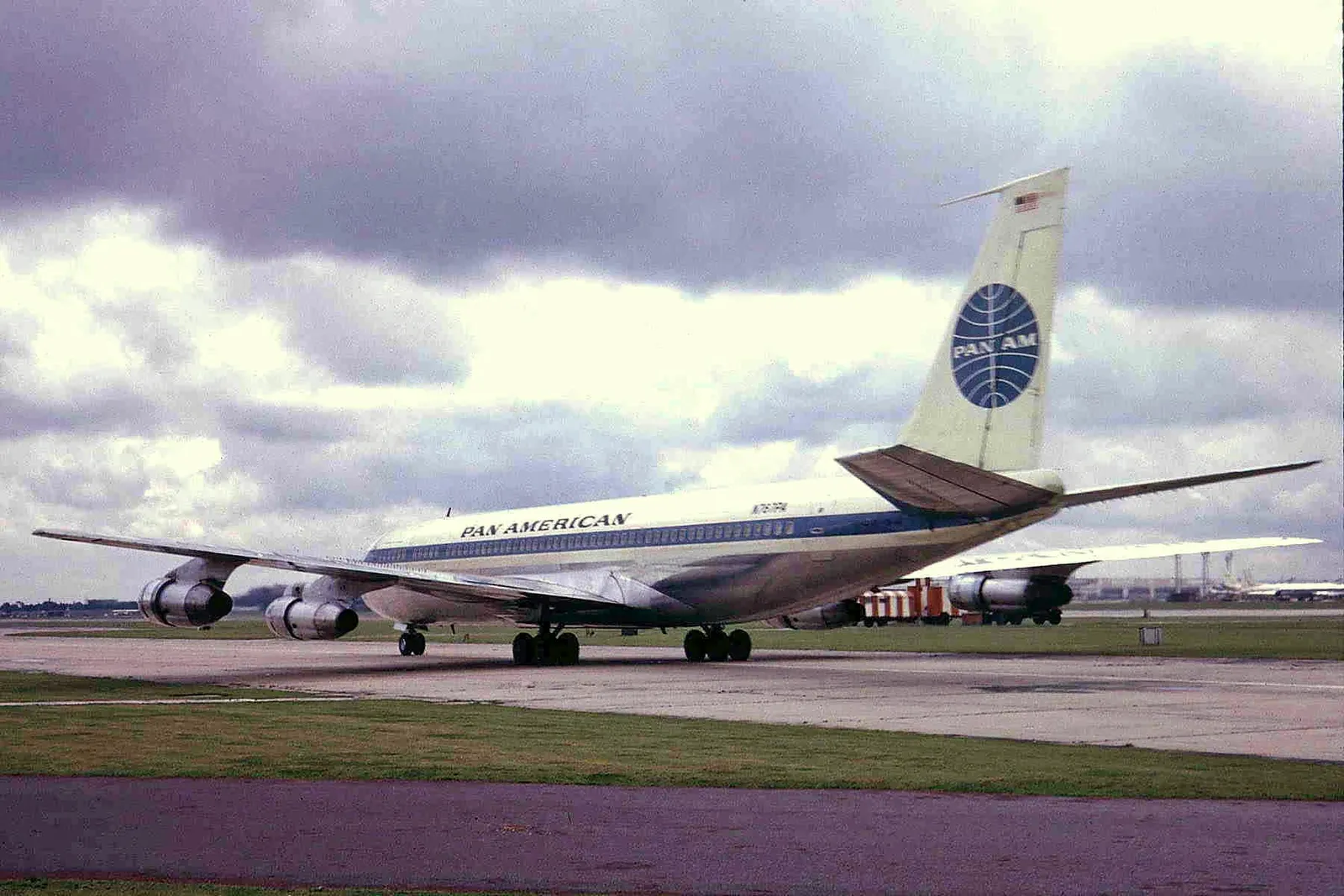
The cultural appetite for this era of flight has never really dimmed. Air Hollywood puts on the Pan Am Experience, a series of monthly dinner parties in Los Angeles. They take place inside a Boeing 747 replica outfitted like a vintage Pan Am plane, complete with souvenir prop cigarettes, luggage tags, and postcards, complete with the vintage price tag to match. The postcard is still part of the experience because it was always central to what that experience felt like.
American Airlines trading cards and promotional postcards depict the carrier’s fleet, historical milestones, and heritage logos. Ranging from vintage promotional postcards to modern limited-edition releases, these serve as tangible memorabilia for aviation enthusiasts, documenting the legacy and fleet evolution of commercial carriers. The form endures because what it represents, the romance of early flight, never quite left us.
The Quiet Weight of a Small Card
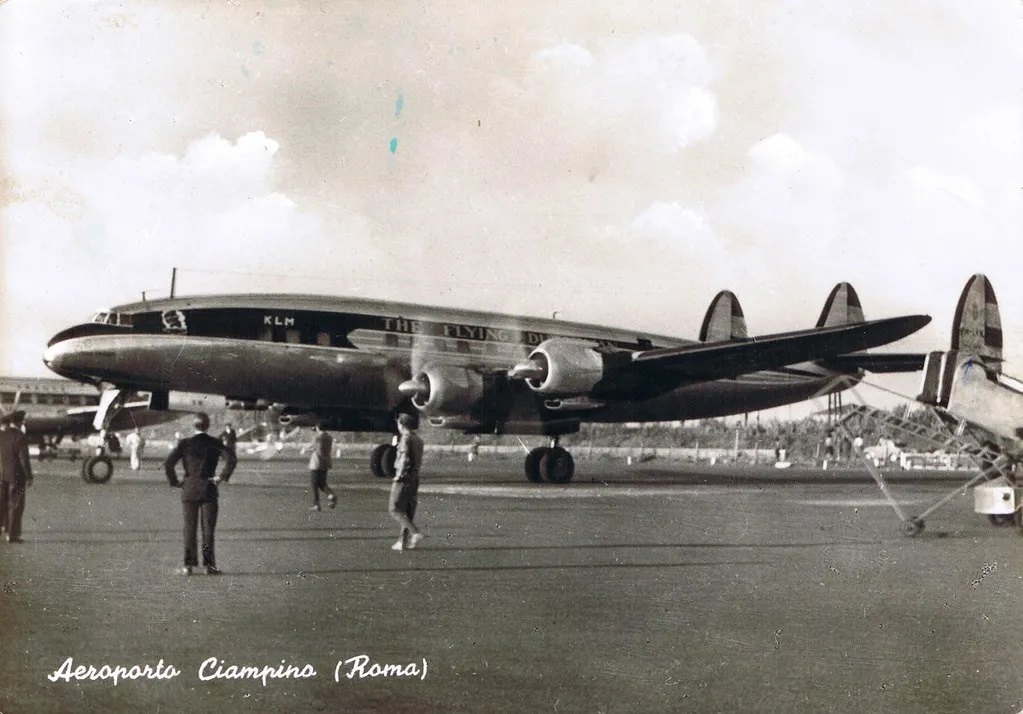
There is something worth sitting with when you hold one of these old airline postcards. The image on the front, crisp and confident, shows a gleaming aircraft that someone once boarded with genuine excitement. The back, perhaps blank, perhaps covered in neat handwriting from a transatlantic crossing in 1962, tells you that someone thought this moment was worth sharing.
What airlines gave passengers with these cards was not just a marketing tool or a pleasant distraction. It was a way of saying: this flight matters. You are somewhere remarkable right now. Tell someone about it. That impulse, to document and share a journey, is one of the oldest human instincts in travel. The postcard just happened to be the perfect vessel for it.
AI Disclaimer: This article was created with the assistance of AI tools and reviewed by a human editor.