
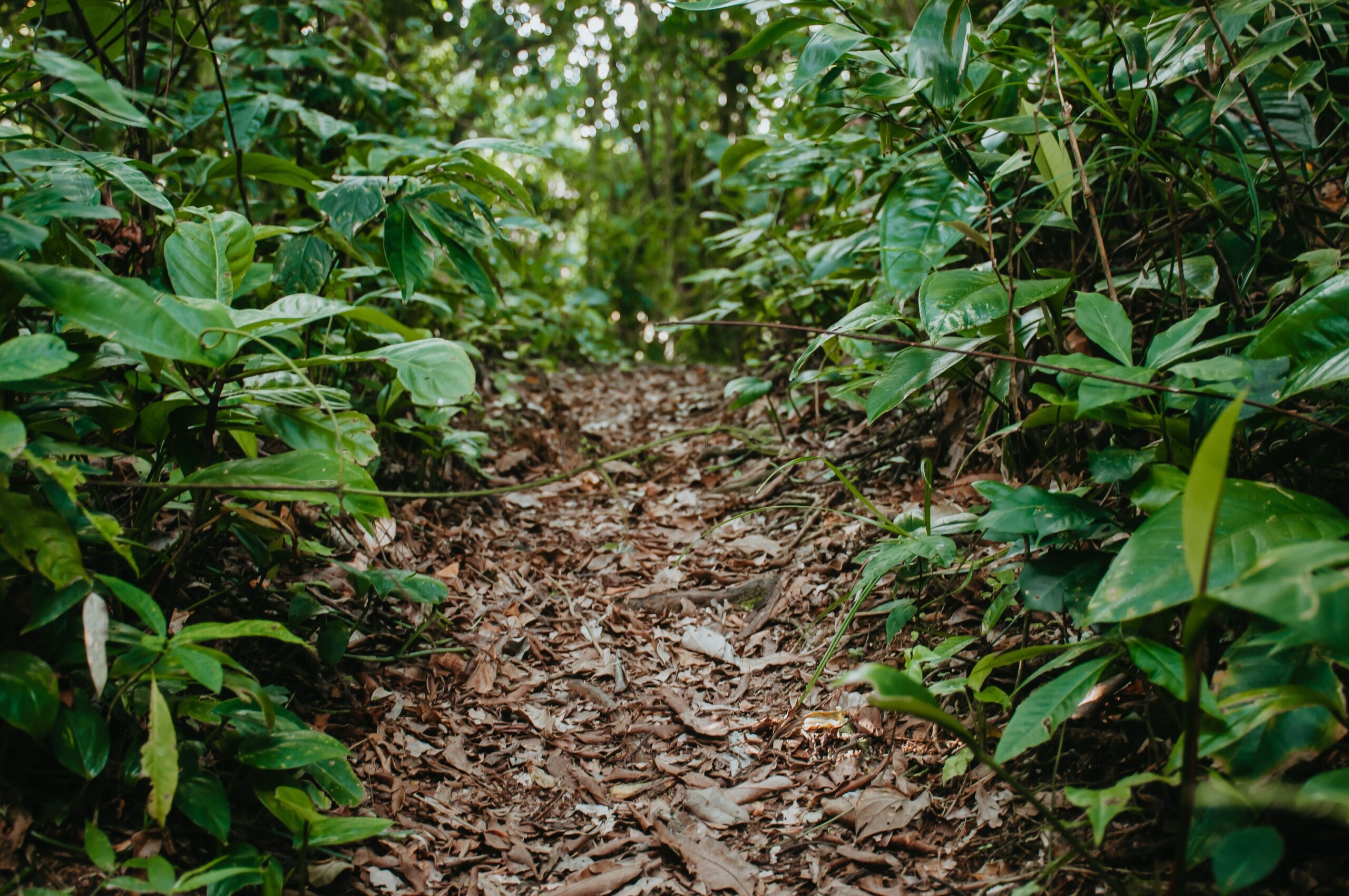

There’s a particular kind of humility that comes with stepping into a tropical rainforest for the first time. The canopy swallows you whole. The air feels like warm, wet towels pressed against your skin, and somewhere above you, something is moving that you can’t quite see. It is magnificent and, if you’re underprepared, mildly punishing.
Packing for a rainforest hike is genuinely different from packing for a mountain trail or a beach walk. The conditions change fast, the terrain is unforgiving, and the ecosystem demands a kind of respect that starts well before you arrive. These six essentials are where that preparation begins.
1. Waterproof Hiking Boots with Ankle Support
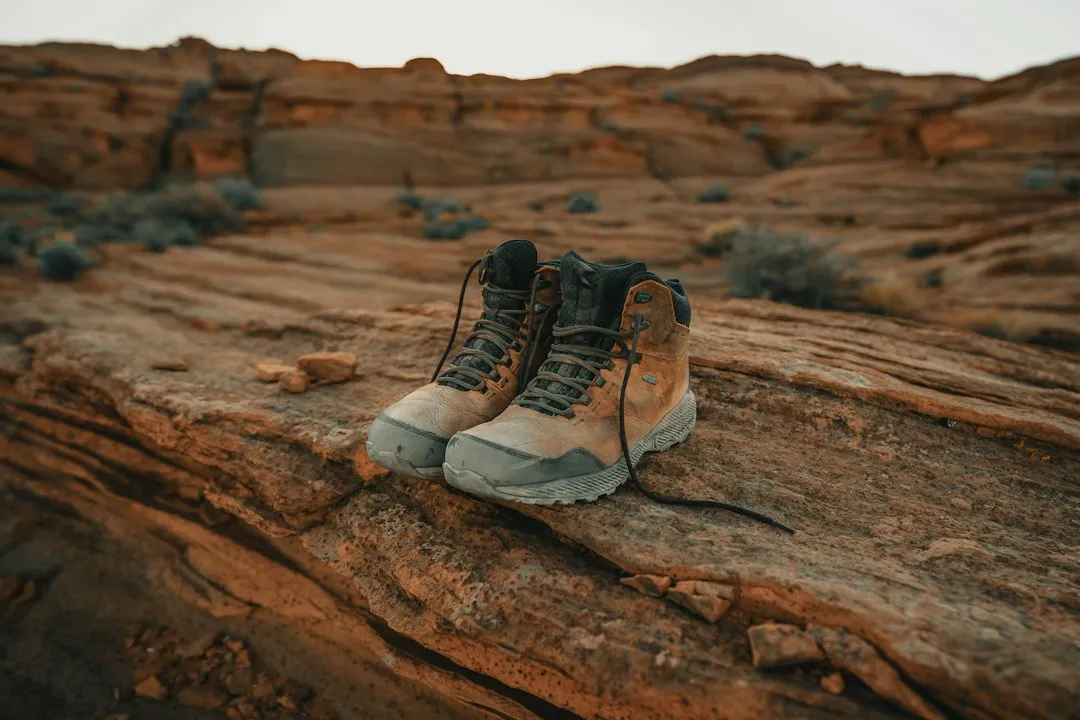
Since rainforests are often muddy and slippery, having the right footwear is essential. A good pair of waterproof hiking boots that provide ankle support and a reliable grip will make navigating dense vegetation and rugged terrain much easier and safer. This isn’t a place for trail runners you picked up last season or casual sneakers. The trail can disappear under a layer of mud without warning.
Hiking boots with ankle support and good tread are a necessity, as trails can be muddy and uneven, causing slips easily. Make sure they are good quality boots with breathable material so your feet won’t overheat. Break them in before the trip. Blisters in a humid jungle environment are more than uncomfortable; moisture slows healing considerably.
For a more affordable option, rubber boots are actually a great alternative. They’re easy to clean, fully waterproof, and ideal for keeping your feet protected from mud, thorns, and insects. Local guides in places like the Amazon and Borneo wear them for exactly that reason, and they’re worth considering for short, guided day hikes.
2. Lightweight, Quick-Dry Clothing with Full Coverage

The rainforest is typically hot and humid, so lightweight and breathable clothing is important. Opt for quick-drying materials that wick away moisture to keep you comfortable, and pack long-sleeved shirts and long pants to protect against insects, thorny plants, and sunburn. This combination of coverage and breathability is harder to find than you’d think, but it makes a real difference out there.
The Amazon and similar tropical rainforests can cool down considerably during the evenings, especially if it rains. Fast-drying clothes that can be layered work best in these conditions. One thin layer you can add or remove is smarter than packing heavy items you’ll never actually need on the trail itself.
Hiking socks should be mid to long length, with no ankle or bootie socks. They need to be long enough to tuck your pants into them when hiking through the rainforest so no critters can crawl up your legs. It sounds like a small thing. It is not a small thing.
3. High-Quality Insect Repellent
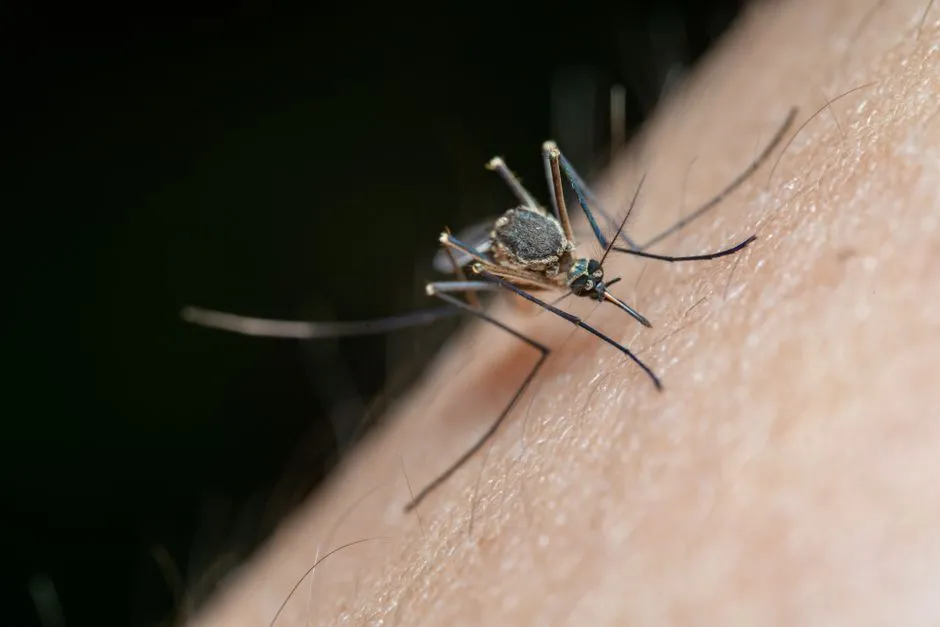
Mosquitoes and other biting insects are abundant in rainforests, so packing a reliable insect repellent is a must. Look for products that contain DEET or other effective repellents to keep the bugs at bay, and bring a small bottle of anti-itch cream or calamine lotion in case you do get bitten.
The science here is fairly settled. Synthetic repellents, particularly DEET-based products in lotions or ointments, consistently provided the longest complete protection time, often five to nine hours, with repellency frequently approaching or exceeding eighty to one hundred percent in studies. That’s a meaningful edge when you’re hiking through dense, insect-rich jungle for hours at a time.
Some research suggests that you can achieve maximum efficacy with around a thirty percent DEET repellent. Concentrations higher than that have been demonstrated to be no more effective, but do have the potential to cause allergic reactions. The CDC considers DEET safe to use for hikers of all ages. For those who prefer alternatives, picaridin performs comparably to DEET, and a 2018 science review comparing the mosquito repellency of both considered more than 140 field and laboratory studies and found no significant difference in performance.
4. A Waterproof Daypack and Dry Bags
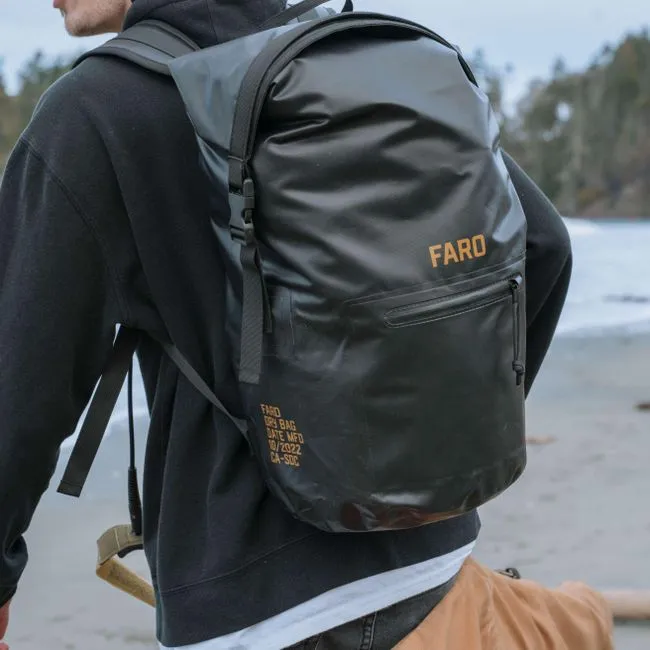
Since you will be hiking in a rainforest, bringing your own backpack in which you can store your most important items is useful. Think of your camera, water bottle, some food for the road, binoculars, and other jungle gear. The key word in all of that is “waterproof.” Standard nylon bags will be soaked through within an hour on a wet day.
Humidity, sudden rain, or a quick jump in a river can soak your gear in seconds. Keep essentials like your phone, documents, or snacks in a dry bag or waterproof ziplock. Nesting your most critical items inside individual dry sacks, even inside a waterproof pack, is the kind of redundancy that experienced jungle hikers swear by.
Use a dry bag for cameras and phones, ziplock bags for small items, and place silica gel or moisture absorbers in electronics pouches to reduce condensation. Electronics don’t just get wet from rain out here; the constant humidity alone can cause condensation to build up inside cases and lenses over time.
5. Rain Jacket or Poncho
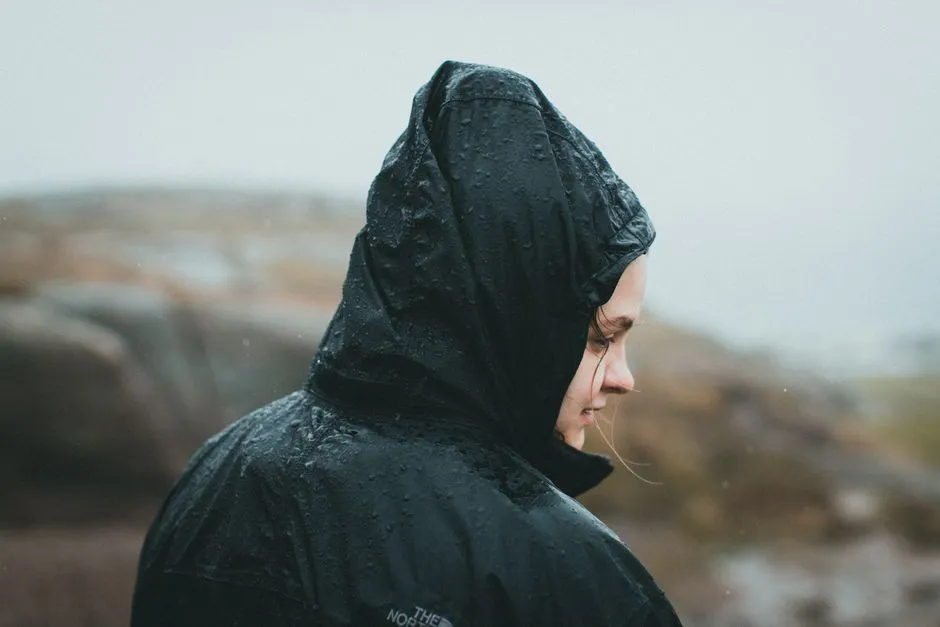
The rainforest is true to its name. Sometimes you will be hiking and with no warning there will be a torrential downpour. Carrying a lightweight, compact rain jacket that can be added to any outfit is essential. The unpredictability is what catches most first-time visitors off guard. Clear skies in the morning mean very little by noon.
A fully seam-sealed waterproof jacket with pit zips is a cornerstone of rainforest attire. Jackets with adjustable hoods that can be cinched tight around the face during a downpour offer the best protection. Ventilation matters too. In high humidity, a jacket without some form of airflow becomes its own form of discomfort remarkably quickly.
Both a light rain jacket for hiking comfort and an ultralight poncho that covers you and your daypack during sudden downpours is an ideal combination if space allows. The poncho, in particular, doubles as protection for your pack, which is easy to overlook until everything inside is soaked.
6. A Compact First Aid Kit Tailored to the Jungle
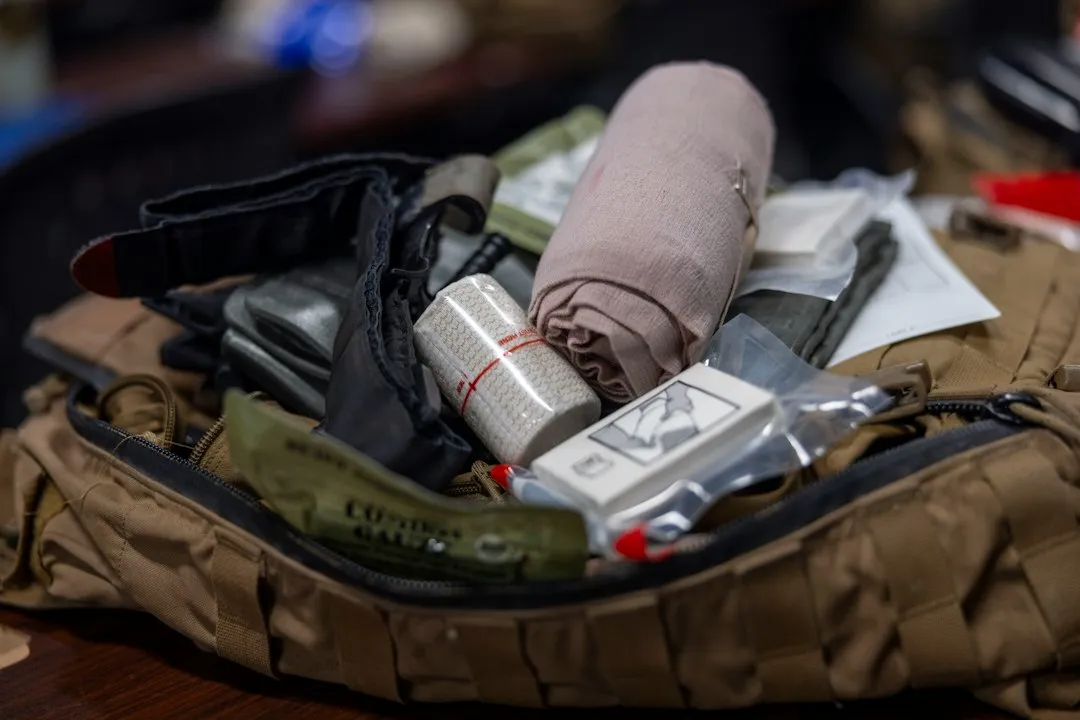
There’s no such thing as being overprepared when you’re deep in the jungle. Bring a compact first aid kit with essentials like band-aids, antiseptic wipes, tweezers, and any personal medication you might need. You never know when a small cut, blister, or insect sting might need attention.
Even a small cut can become infected within hours in a warm, damp environment. This is not an exaggeration. Warmth and moisture are exactly the conditions in which minor wounds deteriorate fastest. Antiseptic ointment and waterproof dressings are worth their weight several times over. Add hydrocortisone cream for bites, antifungal cream for extended trips, and rehydration salts if you’re hiking in sustained heat.
Having a reference card for local snake species and recommended treatment protocols is wise when heading into remote rainforest areas. Most guided tours will have a guide carrying additional medical supplies, but knowing what’s in your own kit and how to use it is a responsibility worth taking seriously before you set out.
The Takeaway
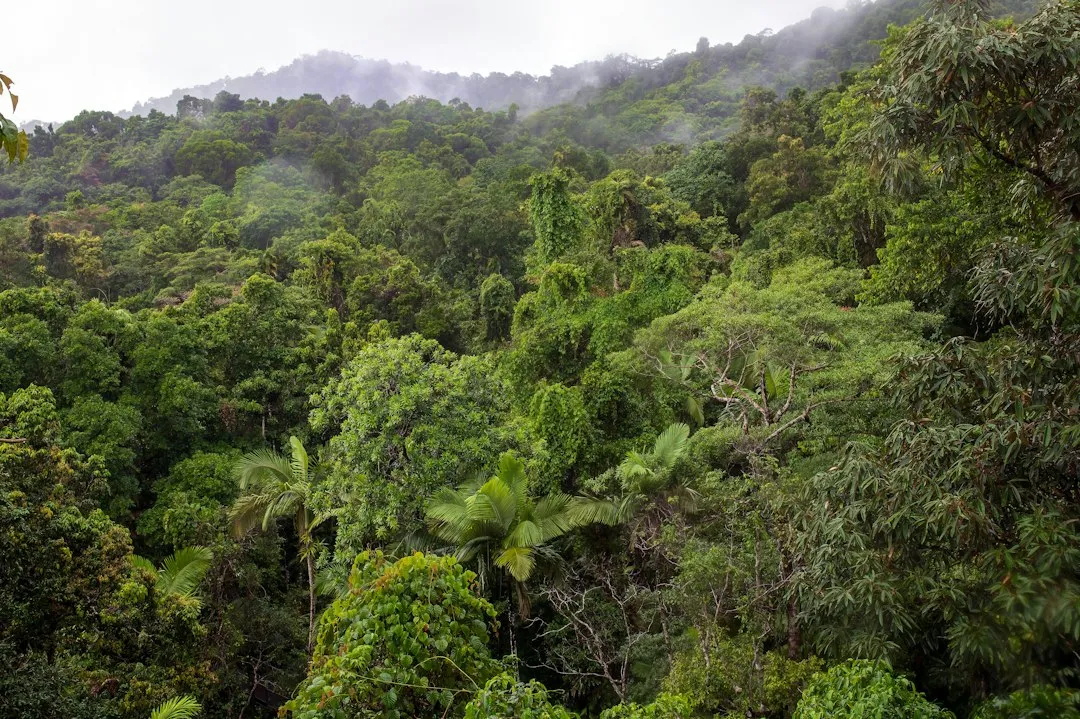
A tropical rainforest hike is one of the most layered, absorbing, and genuinely humbling experiences that travel can offer. The preparation, though, is what lets you actually be present in it rather than managing problems you could have prevented at home.
None of these six items are complicated. Good boots, smart clothing, proven repellent, waterproof storage, rain protection, and a thoughtful first aid kit. The forest does the rest. Pack carefully, move slowly through the trees, and let the place do what it does best.
AI Disclaimer: This article was created with the assistance of AI tools and reviewed by a human editor.