
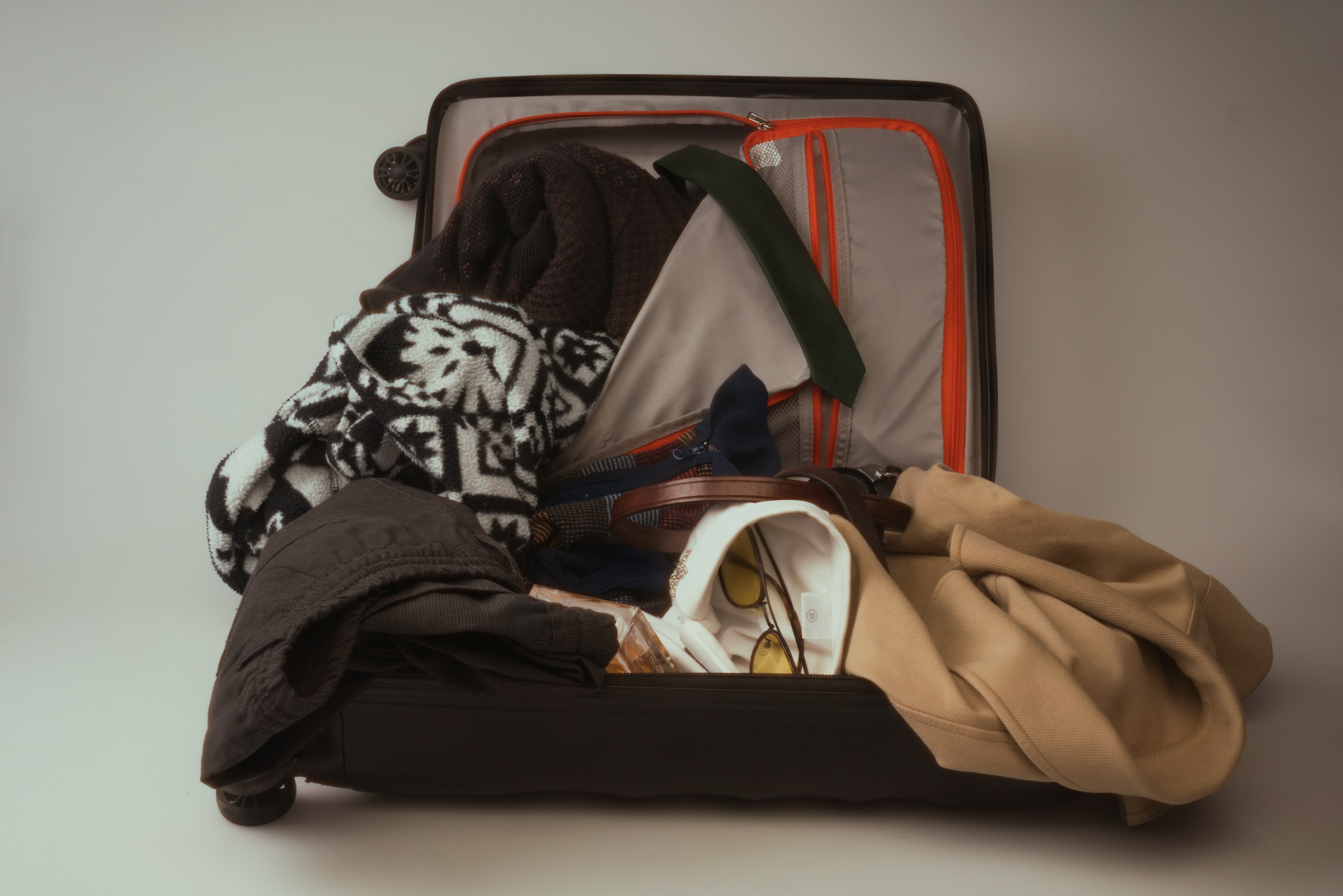

Why Toiletries Leak in the First Place
Checked baggage travels in the aircraft’s lower cargo hold, which is pressurized, but only to an equivalent altitude of roughly 6,000 to 8,000 feet above sea level. That means the internal pressure drops by around 20 to 25 percent compared to ground level. Most people assume cabin pressure changes are a minor inconvenience, but the physics are more unforgiving than that.
When you seal a bottle at sea-level pressure and then subject it to significantly lower pressure in flight, the air trapped inside expands. If the container’s seal is compromised or simply not designed for that kind of stress, the excess pressure forces liquid past microscopic gaps in threads, gaskets, or pump mechanisms. That explains why a bottle you tightened firmly at home can still arrive at your destination half-empty.
Another contributing factor is the extra air trapped in bottles that have already been opened and partially used. When air pressure changes due to elevation, that trapped air can cause a plastic container to expand and release liquid. The fuller the bottle, the less room the air has to move, so paradoxically, a nearly full bottle can actually be safer than one that’s half-used.
The Core Zip-Top Bag Method
The most reliable way to prevent toiletry leaks is to stack several layers of protection instead of trusting one: a screw cap with a seal underneath, a zip-top bag around the whole bottle, and a waterproof toiletry bag holding everything. The zip-top bag is the middle layer of that defense, and it’s the one that does the most practical work.
A widely shared tip involves placing the bottom of a small zip-top baggie directly over the opening of a toiletry bottle after unscrewing the cap. You then wrap the bag around the bottle tightly so the bottom of the baggie covers the opening securely. Take the cap and screw it back on, right over the plastic. Then zip the top of the bag around the bottom of the bottle to make it extra leak-proof. It sounds fiddly, but it only takes seconds per bottle.
A more straightforward approach, and one that many experienced travelers rely on, is to double-bag the bottle inside large zip-loc bags, being careful to seal each one. This protects everything else in the bag should the bottle leak, and also adds a layer of cushioning. Either way, the zip-top bag is doing the same fundamental job: containing any leak before it spreads.
The Plastic Wrap Trick That Supercharges the Seal
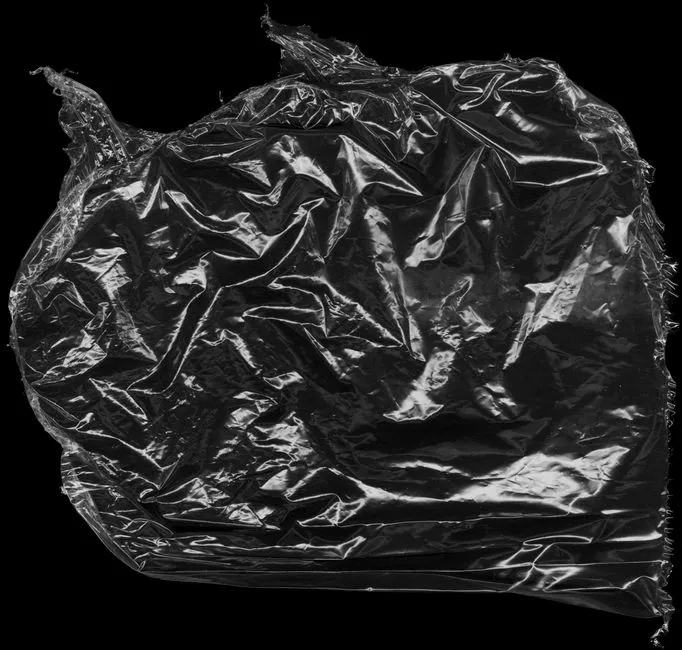
A simple and effective companion move involves removing the cap from a bottle, placing a small square of plastic wrap over the opening, and replacing the cap. Changes in air pressure during travel can expand and contract plastic bottles, and the plastic wrap acts as a secondary seal to prevent leaks. Used together with a zip-top bag, these two layers cover almost every failure scenario.
Before replacing the cap, covering the opening of each bottle with plastic wrap and then screwing the cap back on creates an extra layer of protection that ensures liquids stay in the bottle even if the cap comes slightly loose. This is especially useful for shampoos and conditioners, which tend to have larger openings and thinner cap threads than most other products.
Laying a small square of cling film over the opening before screwing the cap back on creates an airtight secondary seal. For pump bottles and jars, the same approach works: tape or remove pump heads, and wrap cling film under jar lids before sealing. Pumps are particularly prone to seeping under pressure, so removing the pump head entirely is often the safest option for a longer trip.
Don’t Overfill Your Bottles
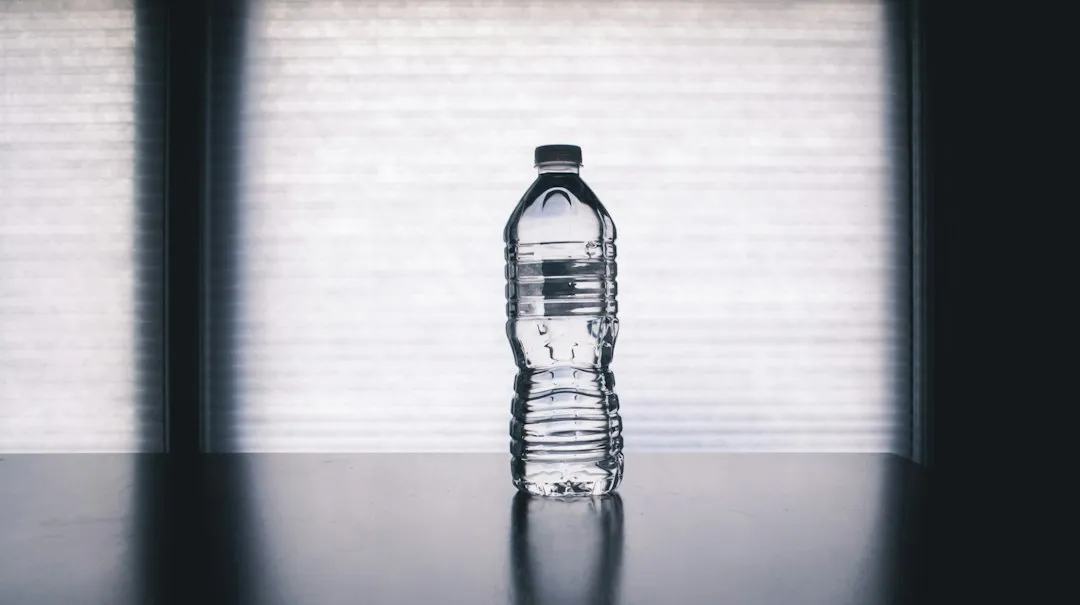
Rigid, gasket-sealed bottles are most effective for liquids, especially when leaving 10 to 15 percent headspace, while flexible bottles should be fully squeezed before sealing. That headspace matters more than most people realize. It gives the expanding air somewhere to go rather than forcing it through the cap seal.
Filling bottles only about two-thirds of the way is a practical recommendation from experienced travel packers, as it reduces the pressure buildup that leads to leaks. This is easy to do when you’re filling refillable travel bottles from larger containers at home, and it costs you almost nothing in terms of what you actually bring. You’re just leaving a small margin of air at the top intentionally rather than accidentally.
Another useful pre-flight step is to open the cap, gently squeeze out almost all of the excess air from the bottle, and then quickly replace the cap. Doing this removes the air that would otherwise expand during the flight, significantly reducing the internal pressure differential that causes leaks.
Understanding the TSA 3-1-1 Rule for Carry-Ons
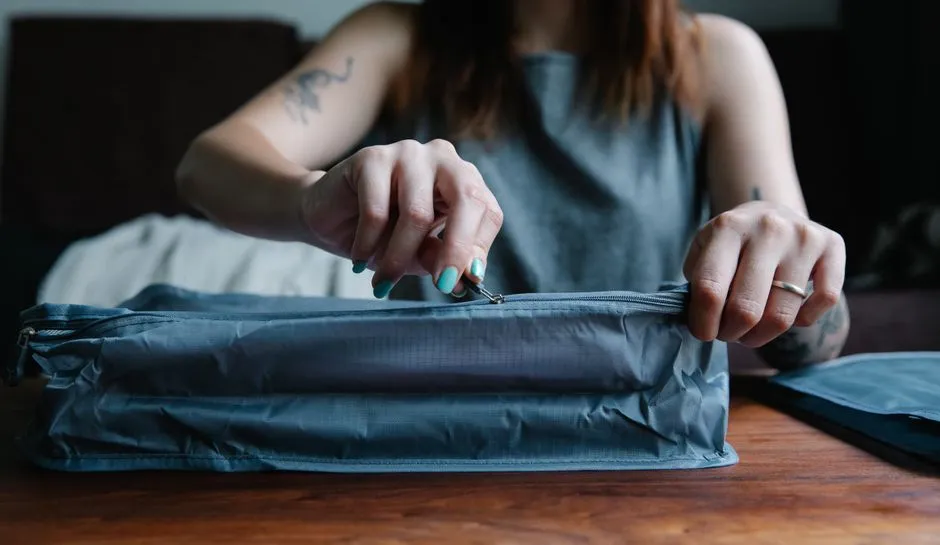
The 3-1-1 rule remains the federal standard in 2026. Every liquid, gel, aerosol, cream, or paste in a carry-on must be in a container of 3.4 ounces (100 ml) or less, and all containers must go into one clear, quart-sized bag, with one bag per person. This rule applies to carry-on bags specifically, not to checked luggage.
All containers must fit inside a single clear, resealable plastic bag approximately 7 by 8 inches, which is the standard size of a quart-sized zip-top bag. If the bag won’t zip closed, you have too much. That closed zipper matters at the security checkpoint, not just for leak containment but also for compliance.
The TSA does not certify or endorse specific bag models. Products labeled as “TSA-approved” in stores are using marketing language, not official approval. What matters is compliance with the 3-1-1 rule: a clear, quart-sized, zip-top bag holding containers no larger than 3.4 ounces. A standard zip-top bag from any grocery store meets that standard perfectly well.
What to Do With Checked Baggage
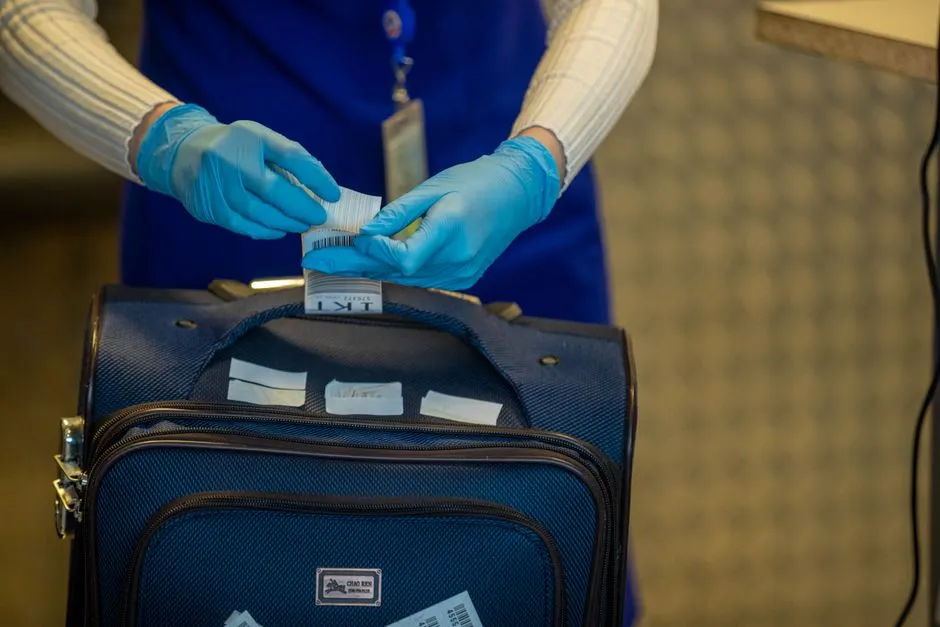
Checked bags have no TSA container size limit for toiletries, though the FAA caps toiletry aerosols at 68 fluid ounces per person. That means you have more flexibility with checked luggage when it comes to what you bring, but the leak risk is arguably higher because bags in the cargo hold are tumbled, compressed, and jostled far more than a carry-on stored in an overhead bin.
A practical approach is to pack travel-sized versions of daily-use toiletries like face wash, toothpaste, and deodorant in your carry-on for easy access, and put full-sized bottles in your checked bag. When you do pack full-size bottles in a checked bag, the zip-top bag method becomes even more important, since those larger containers carry more liquid and more internal pressure.
Proper placement inside the suitcase also matters. Bottles positioned upright and cushioned at the bottom or center of the bag experience less damage from jostling and pressure changes. Laying bottles flat on their sides, with the cap facing upward, is another option that some packers prefer because it distributes the expansion force more evenly across the seal.
Choosing the Right Containers Makes a Real Difference
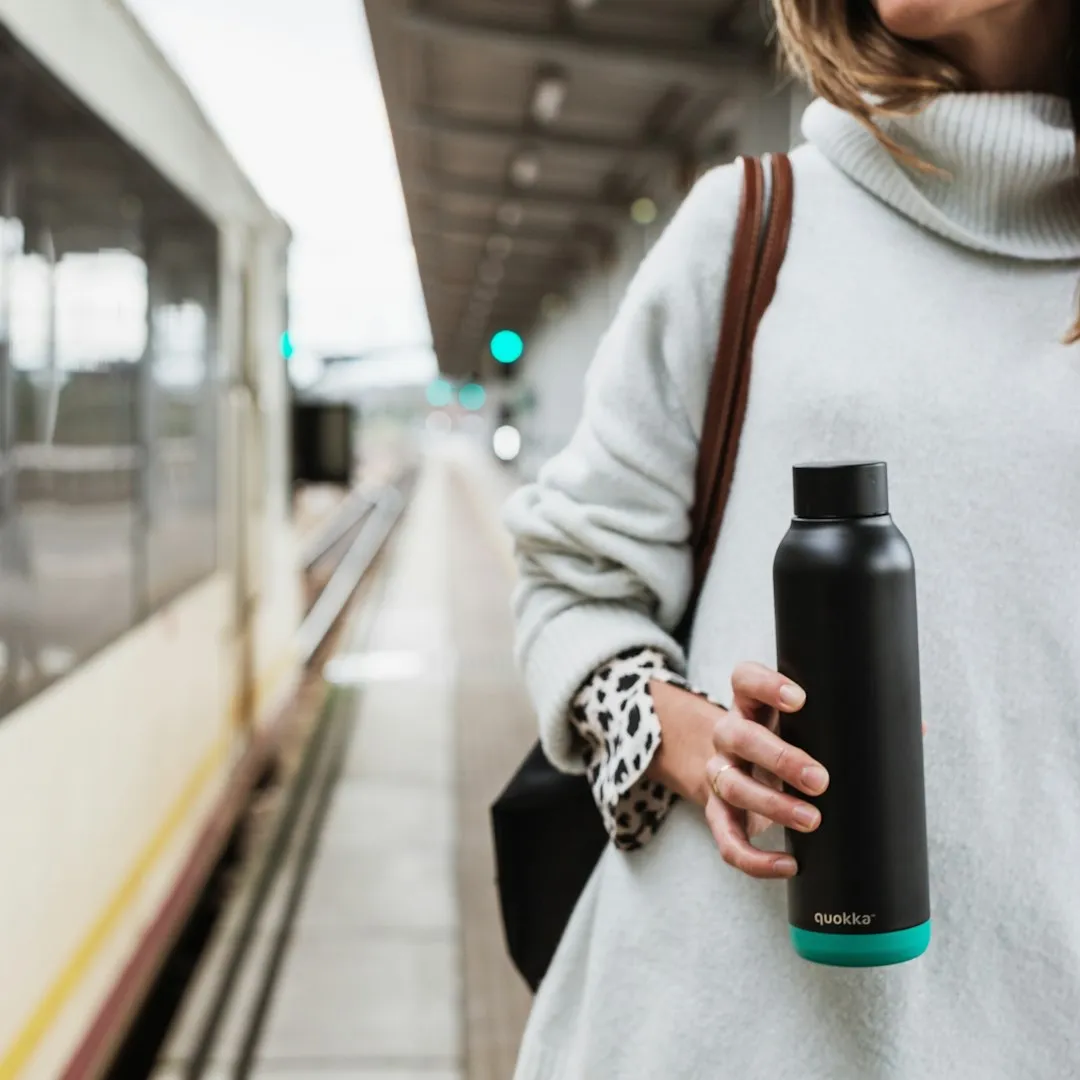
Screw-top or gasket-sealed containers outperform snap caps and flip tops for travel because there’s no lip for pressure to find and exploit. If you’re transferring products into refillable travel bottles, that distinction is worth paying attention to when you’re shopping. A flip-top cap that snaps shut feels convenient at home but can pop open under pressure mid-flight.
Refillable travel containers in TSA-approved sizes are worth the investment. You can fill them with your preferred shampoo, conditioner, or face wash to reduce waste and save space. Many travelers use the same set of refillable bottles for years. The upfront cost is low, and the ongoing environmental benefit of avoiding single-use travel minis is meaningful.
A standard clear zip-top plastic bag works perfectly and is the cheapest option. Some travelers use clear PVC pouches with zippers, and these work as long as they are the same approximate size as a quart zip-top bag. Plastic zip-top bags are cheaper, lighter, and easier to replace, and they conform to the shape of your bag better than rigid pouches. There’s no need to spend much money to get this right.
Solid Alternatives Worth Knowing About
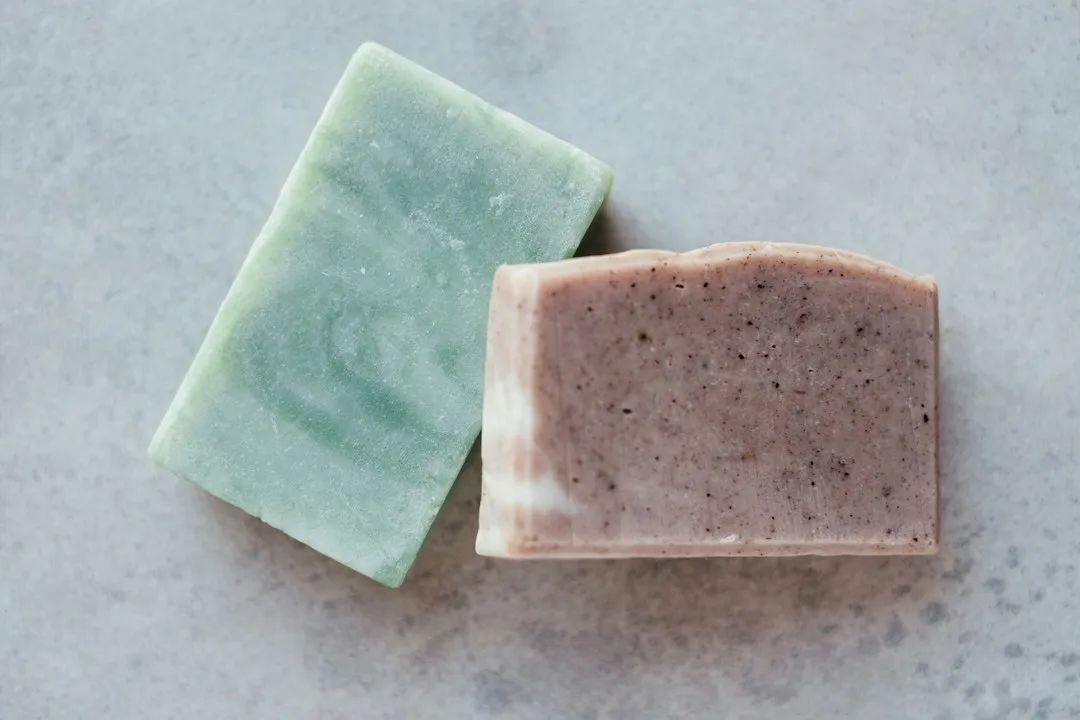
Solid hygiene products, including solid shampoo bars, solid conditioner bars, solid soap, solid deodorant sticks, powder products, and dry sheets, don’t count toward the 100 ml liquid limit and don’t need to go in the zip bag at all. That frees up valuable space in your quart-sized bag for the products that genuinely need to be liquid, like contact lens solution or liquid foundation.
If a trip is short enough to allow carry-on-only travel, investing in refillable travel bottles and solid alternatives like shampoo bars and solid deodorant removes a lot of the leak risk entirely. Solid shampoo bars, in particular, have improved dramatically in quality over the past few years and are now available from a wide range of brands at various price points.
Toothpaste tablets are another solid-format product that isn’t classed as a liquid at all, making them a genuinely practical swap for anyone trying to keep their liquid bag as lean as possible. They’ve moved well beyond novelty status at this point and are available at most major pharmacies.
The Double-Bag System for Maximum Protection
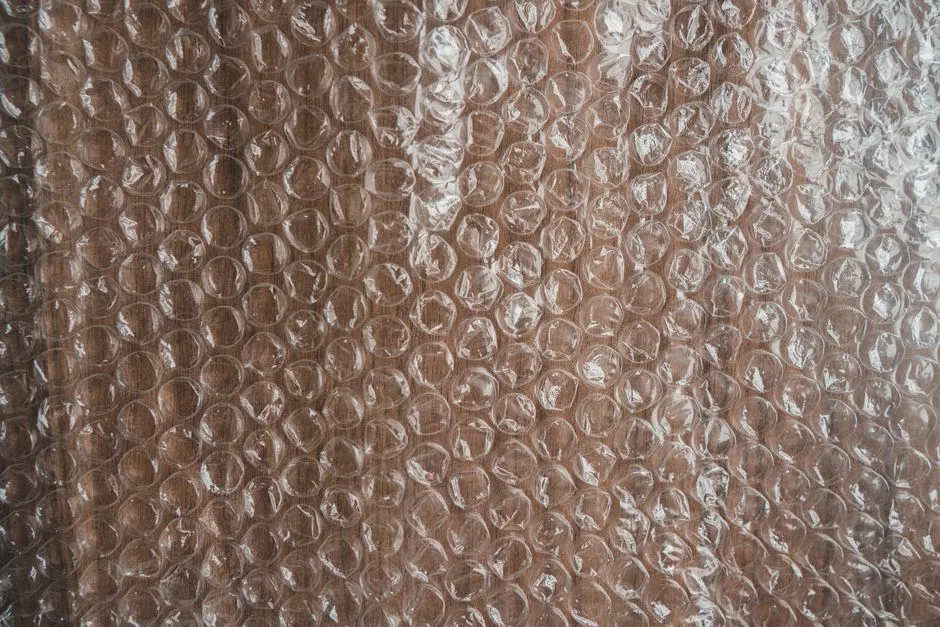
The most reliable packing system uses multiple stacked layers: a screw cap with a plastic-wrap seal underneath, a zip-top bag around the whole bottle, and a waterproof toiletry bag holding everything upright. Skipping any single layer raises your overall risk, and the TSA’s 3-1-1 rule shrinks your containers but doesn’t replace the need for this kind of layered system.
Even when leakages do happen inside a zip-top bag or plastic container, the damage stays contained. Nothing makes it out of that sealed layer and onto clothes or other belongings. That containment is the whole point. You’re not just trying to stop leaks at the source; you’re also making sure that if a leak does happen, it doesn’t cost you anything.
Think of it the way you’d think about packing anything fragile: the goal isn’t to guarantee nothing ever goes wrong, it’s to make sure that if something does, the fallout stays small. Two zip-top bags, a layer of plastic wrap under each cap, and a waterproof outer toiletry bag accomplishes exactly that.
Building the Habit Before Every Trip
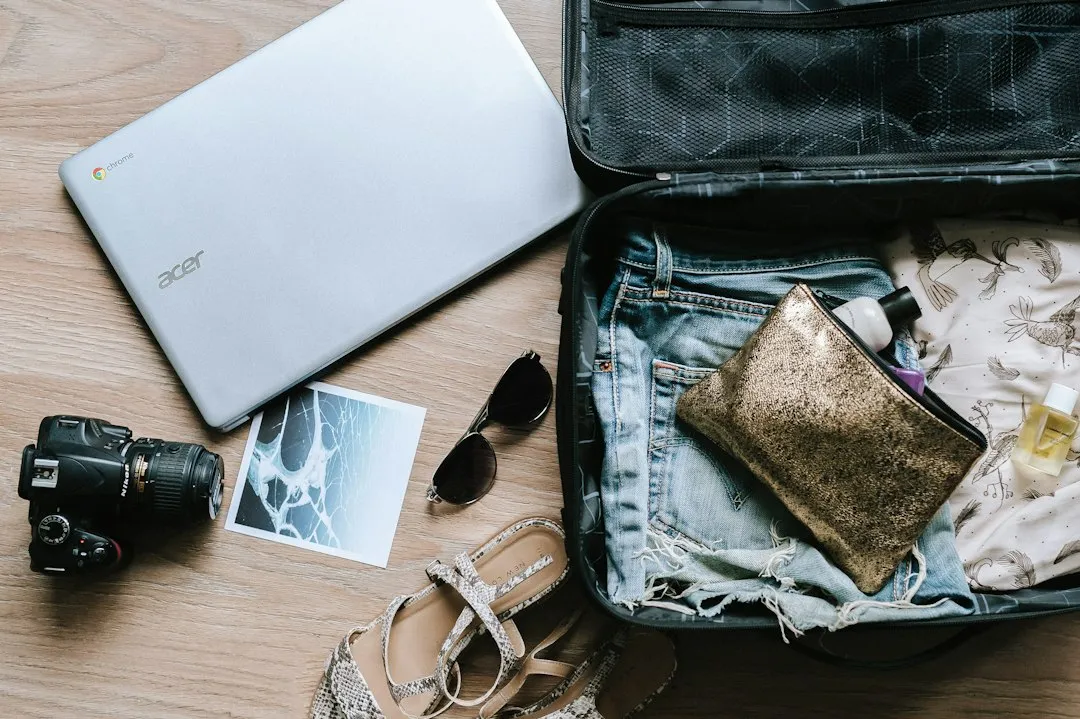
Stopping toiletry leaks in full takes only about 10 minutes with a straightforward approach: inspect and wrap caps, leave adequate headspace in each bottle, double bag, and consider using a refillable atomizer for fragrances. The key word there is habit. Doing it once is useful. Doing it every time before you travel is what actually protects your belongings long-term.
A good pre-trip checklist helps. Before zipping your bag, run through each liquid item: is the cap on tight, is there plastic wrap under the lid, is it inside a zip-top bag, and is the bag itself sealed? It takes less than a minute once it becomes routine, and it takes the guesswork out of something that has ruined too many travelers’ first moments at a destination.
For the zip-top bags themselves, the zipper is the most likely failure point over time. A double-pull zipper or a wide-track zipper lasts significantly longer than a thin single-pull. If a bag feels flimsy in the store, it won’t improve with use. Choosing bags with sturdy closures, and replacing them when they show wear, keeps the whole system reliable.
The Takeaway
The zip-top bag habit isn’t a complicated travel hack. It’s a small act of preparation that acknowledges a real physical phenomenon and works with it rather than hoping for the best. Air pressure changes during flight, bottles expand, caps loosen. None of that is avoidable, but the consequences absolutely are.
A few zip-top bags, a roll of plastic wrap, and a couple of minutes before you leave the house. That’s all it takes to arrive somewhere new without the welcome party of a shampoo explosion waiting in your suitcase. Simple habits, repeated consistently, make for much better travel, and this one happens to be one of the easiest to keep.
AI Disclaimer: This article was created with the assistance of AI tools and reviewed by a human editor.