
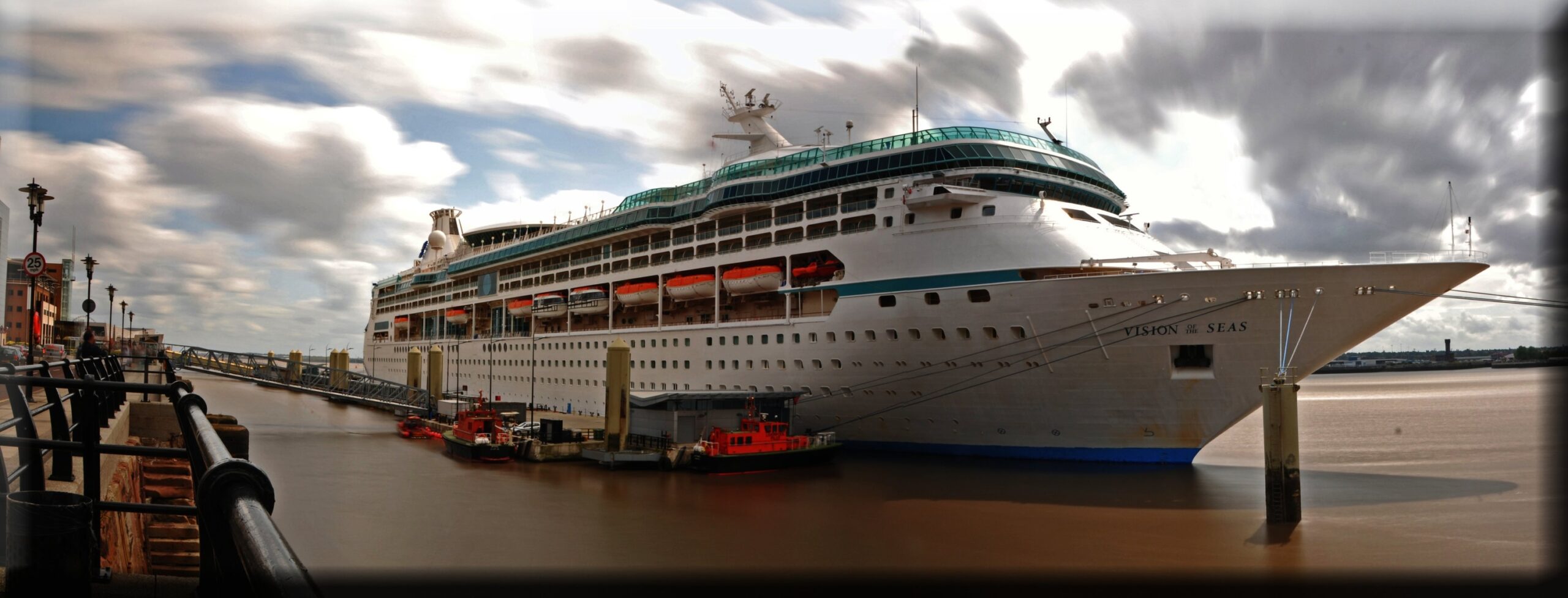

Walk into any harbor, sit among seasoned sailors, or read a century-old captain’s log, and one small pronoun appears again and again: “she.” Not “it.” Not “he.” Always “she.” The tradition runs so deep that most people who use it never stop to question where it came from, or why a structure of steel and timber earned a feminine identity in the first place.
The answer, it turns out, is not a single thread but a whole rope of them, woven together across centuries of language, mythology, superstition, and human need. Each strand tells us something different about how seafarers understood the world around them, and the vessel that stood between them and the ocean’s indifference.
The Latin Root That Started It All
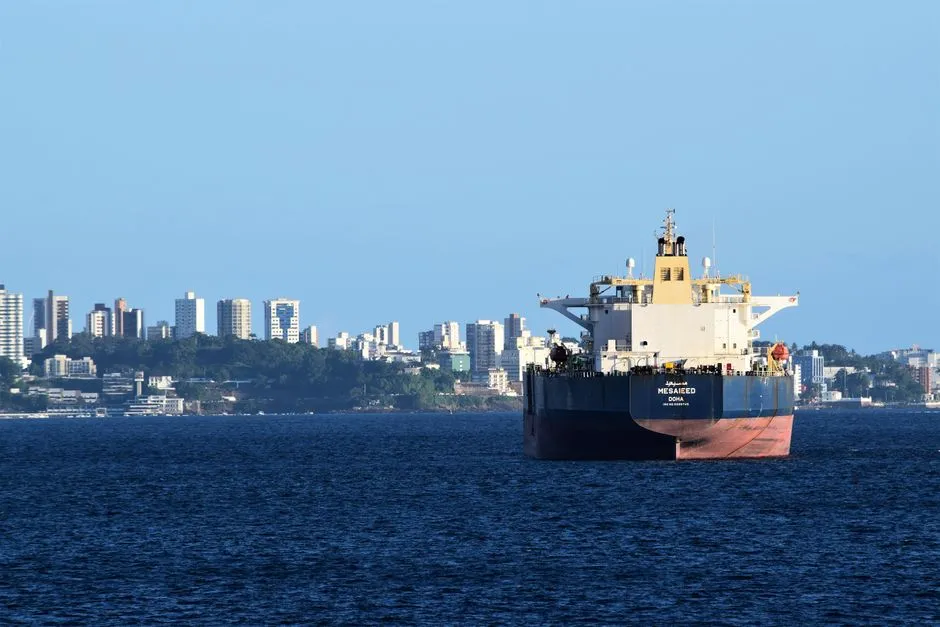
It is generally accepted that ships are referred to as “she” or “her” due to language evolution from the Latin word for ship, “navis,” being feminine. Latin assigned grammatical gender to all nouns, and “navis” was unambiguously feminine. Many of the languages that heavily influenced early English, particularly Latin and the Romance languages like French and Spanish, are grammatically gendered, with all nouns carrying a gender: masculine, feminine, or sometimes neuter.
Ships and boats were often given feminine articles and pronouns in these languages, which may have carried over into English maritime terminology. As English absorbed nautical vocabulary from Latin and the Romance languages, the feminine association likely traveled with it, quietly embedded in habit before anyone thought to question it.
Old English Had Gendered Nouns Too
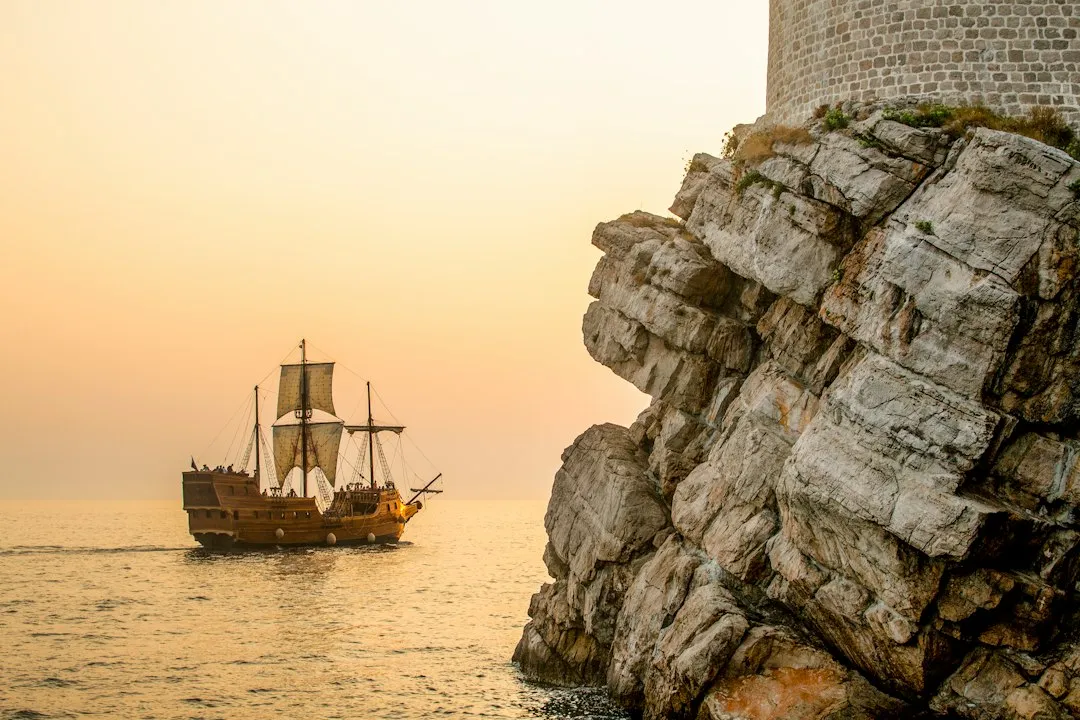
“Ship” is an English word that has retained a female grammatical gender in some usages, which allows it to sometimes be referred to as “she” without being of female natural gender. This is a remnant of a much older linguistic system. Old English had gendered nouns, and this habit may have carried over even after English as a rule became gender-neutral.
When English shed most of its gendered grammar over the medieval period, a handful of nouns held onto their gendered pronouns almost by cultural inertia. Ships were among them. The word survived its grammatical context, carried forward by sailors who had little reason to change what had always felt natural to them.
Goddesses, Protection, and the Sea

The Imperial War Museum stated that this may have originated from “far more ancient traditions” which included using a female grammatical gender for ships, and that there is a tradition that “relates to the idea of a female figure such as a mother or goddess guiding and protecting a ship and crew.” This connection to the divine feminine runs across many cultures.
Many ancient civilizations, such as the Greeks and Romans, personified objects and elements of nature as goddesses. Ships were often dedicated to goddesses and thus referred to with feminine pronouns. Ships were once dedicated to goddesses, and later also to mortal women of national or historic significance, thereby bestowing a benevolent feminine spirit on the vessels that would carry seafarers across treacherous oceans.
Named After the Women They Loved
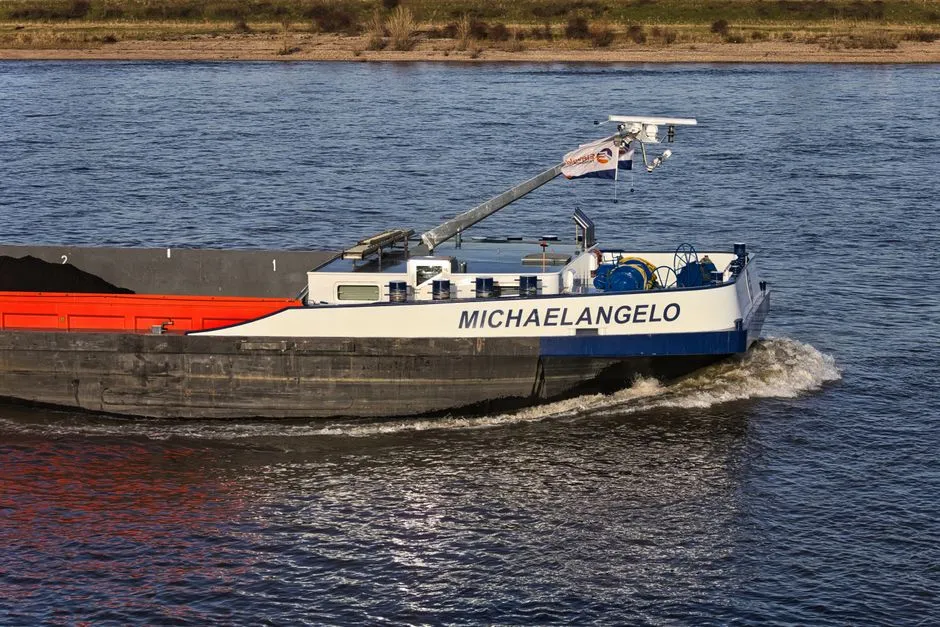
People generally agree on the more romantic notion of the “ship as a she” phenomenon: that it stems from the tradition of boat-owners, typically and historically male, naming their vessels after significant women in their lives, including wives, sweethearts, and mothers. This naming practice was both heartfelt and practical, a way of keeping a beloved presence close during long absences at sea.
Ships are almost always referred to with female pronouns. This is even true if the ship has a male name. The tradition of feminine pronouns had become so entrenched that no individual ship’s name could disrupt it. It is also believed that many sailors throughout history named ships after lovers, famous women like Queen Elizabeth or Queen Mary, or even their own mothers.
The Figurehead: A Face for the Ship
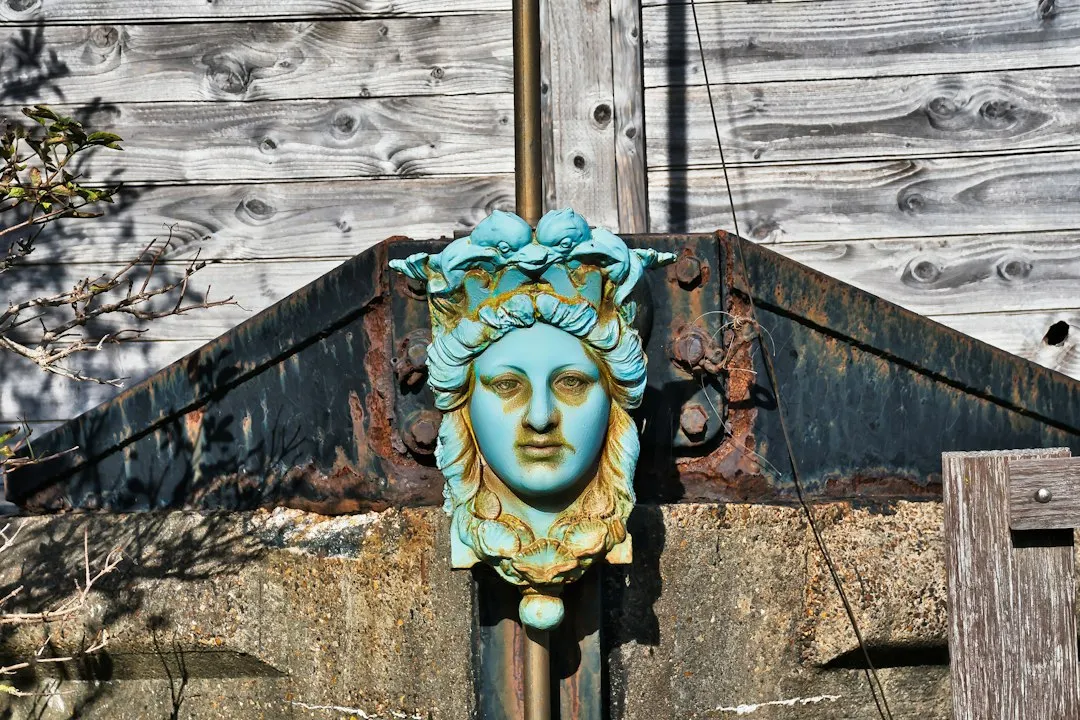
A figurehead was frequently found on the front of a ship between the sixteenth and twentieth centuries. The figurehead, typically a stunning woman, was often depicted as guarding the ship and caring for those who sailed aboard her. These carved wooden figures were more than decoration; they gave the vessel a literal face and, in the minds of sailors, a guardian spirit.
Figureheads on the prows of ships were often depictions of such female namesakes, denoting the name of the ship for a largely illiterate maritime population. In an era when few sailors could read, a carved woman at the bow was a powerful identifier. She was the ship’s face, its symbol, its protector, and its name made visible.
The Ship as a Mother Figure
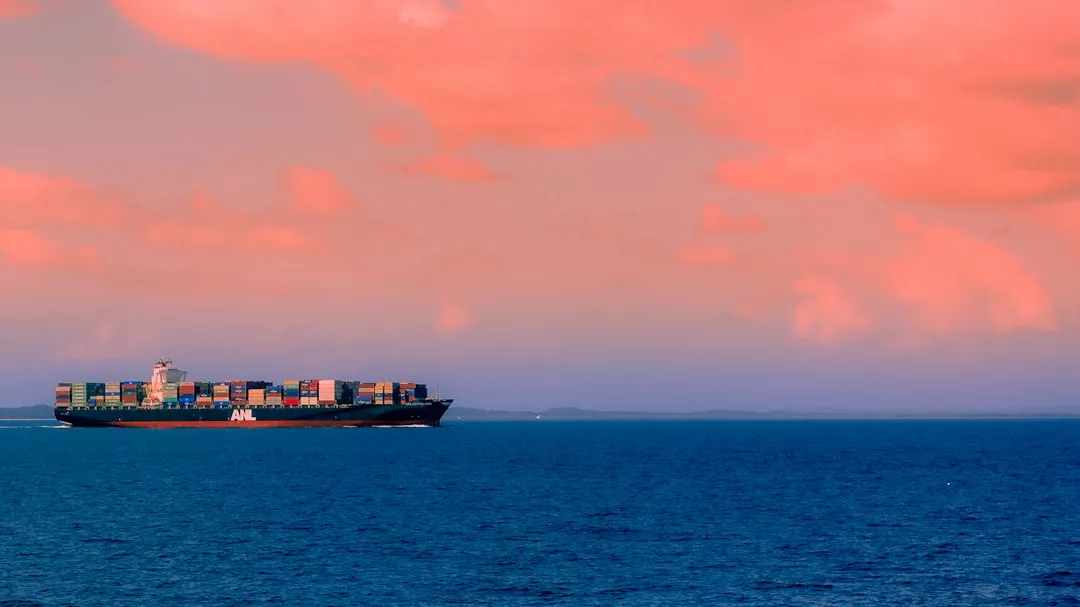
The tradition is rooted in old maritime history, stemming from languages that assign gender to objects, sailors naming ships after goddesses or female figures for protection, and the personification of the vessel as a protective, mother-like figure that carries and cares for its crew. The parallel to motherhood was not accidental.
In maritime tradition, sailors often developed a close, almost personal relationship with their ships, viewing them as protectors or caretakers. Using “she” might have been a way to personify the ship, giving it a nurturing and protective role, similar to the way one might view a mother or a caretaker. For men who spent months or years far from family, that framing offered something real: a sense of being held, surrounded, kept safe.
The Sea Itself Was Feminine

Another reason for boats being referred to as “she” lies in the connection between seafaring and the awe-inspiring power of Mother Nature. The sea, with its unpredictable nature and potential for both tranquility and violence, was often equated with femininity. This association extended naturally to the vessels that traversed it.
Ships, as vessels that traverse the sea, were regarded as the offspring of Mother Nature herself, and therefore referred to as “she.” There is a kind of poetic logic to this: if the ocean was a great mother, then a ship was a daughter sent out upon her. The feminine pronoun became a way of acknowledging that relationship, however metaphorically.
Sailors’ Emotional Bonds With Their Vessels
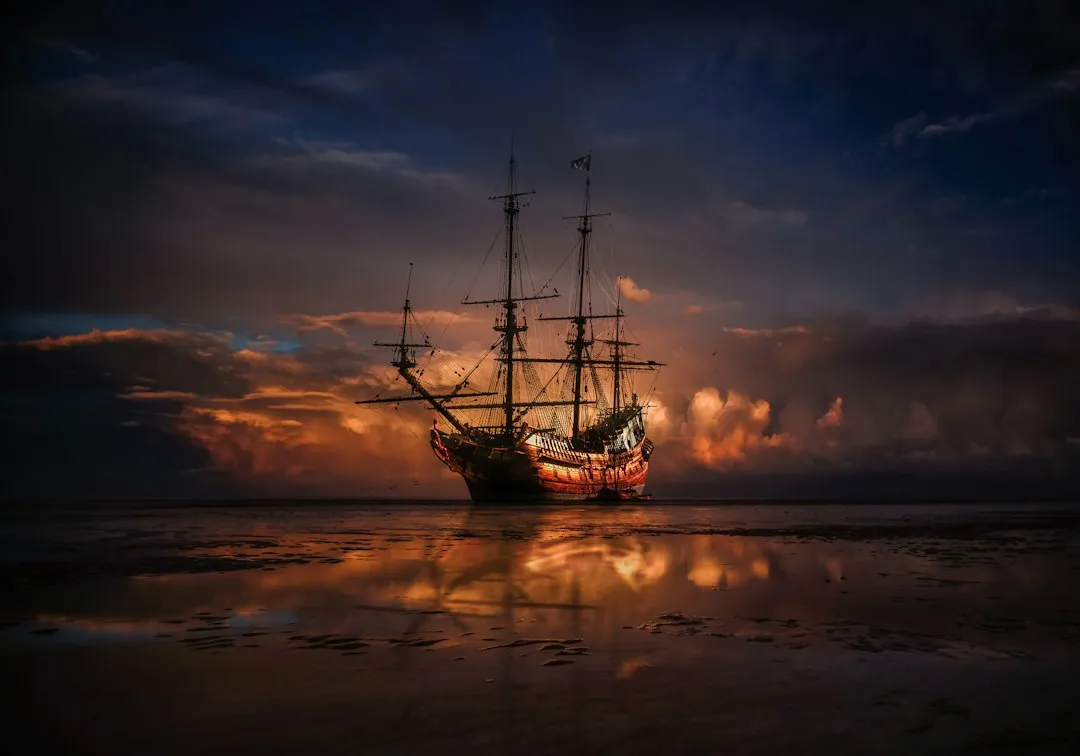
In the past, sailors would spend a lot of time at sea and would develop strong attachments to their ships. As a result, it was typical for them to refer to their ship with affection. Seafarers were said to be “married to the sea” and frequently named their ships after the women they cherished.
The maritime world has its own unique vocabulary and customs, and referring to boats as “she” is deeply rooted in this maritime heritage. Sailors, who spend prolonged periods of time at sea, often develop deep emotional connections with their vessels. By referring to their boats as “she,” they bestow them with qualities of femininity, such as beauty, grace, and strength, just as they would describe a beloved woman. That emotional investment made “it” feel inadequate, even cold.
The Ceremonial Language Around Ships
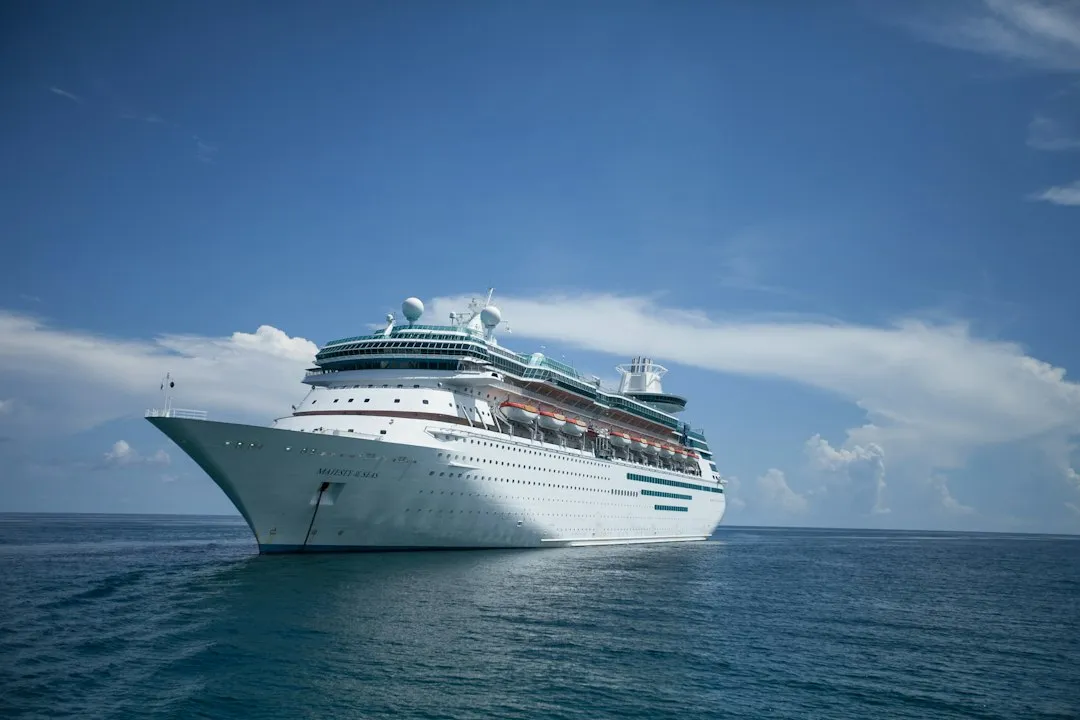
The first journey of a brand-new ship is often called the Maiden Voyage. The word “maiden” means a girl or young woman who is not married. So the feminine identity of a ship was never just in the pronoun; it was woven into every formal occasion surrounding a vessel’s life.
The tradition is for a ship to have a godmother. The ship’s godmother is chosen and given this honorary title to bless and guard the ship. It is also common to refer to ships as having “sister ships.” A vessel with a similar or identical design is called a sister ship. From launch day to the end of a vessel’s service, the feminine frame was consistent and deliberate, not accidental.
The Modern Shift Away From “She”
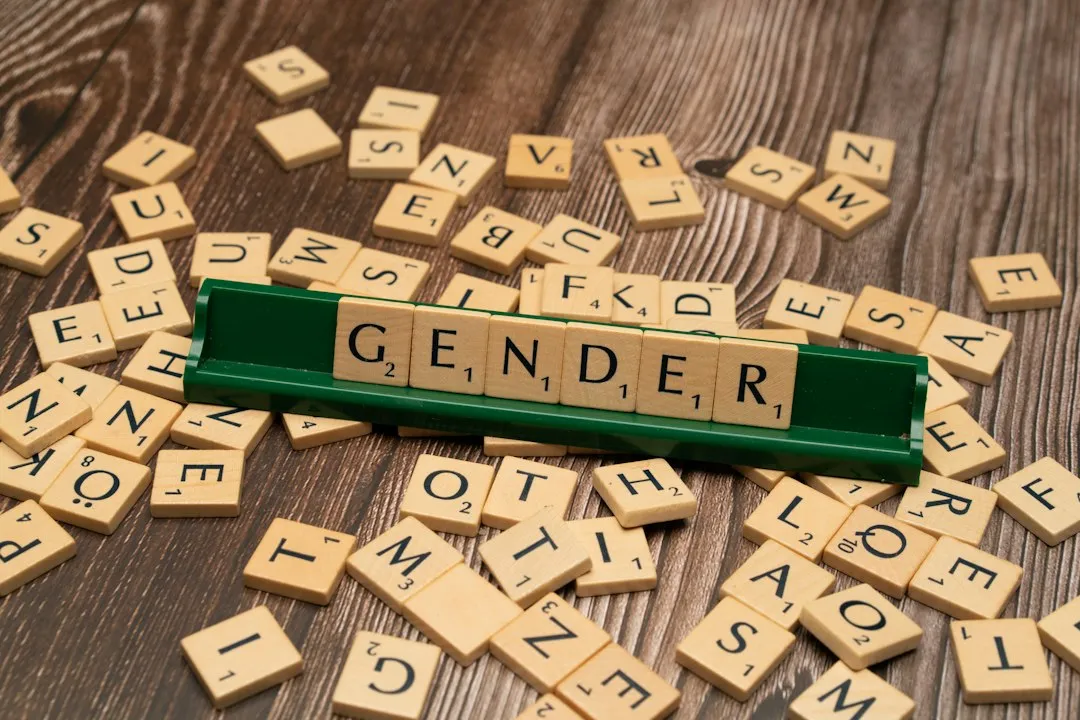
In 2002, Lloyd’s List, the 276-year-old London-based shipping newspaper, officially dropped the gender personification and now refers to ships with the pronouns “it” and “its” instead of “she” and “her.” The decision was not taken lightly. The publication had actually tried to ditch the gendered pronoun four years earlier but reversed course when people protested the change.
The Chicago Manual of Style, as well as the style books of the Associated Press and the New York Times, recommend using “it” or “its” to refer to ships. It was decided that modern commercial ships were assets or commodities, and not gendered characters. Still, the Royal Navy still plans to call its ships “she,” and for working sailors in many parts of the world, the old pronoun holds. Ships have been referred to as “she” in English since at least 1375.
The Takeaway
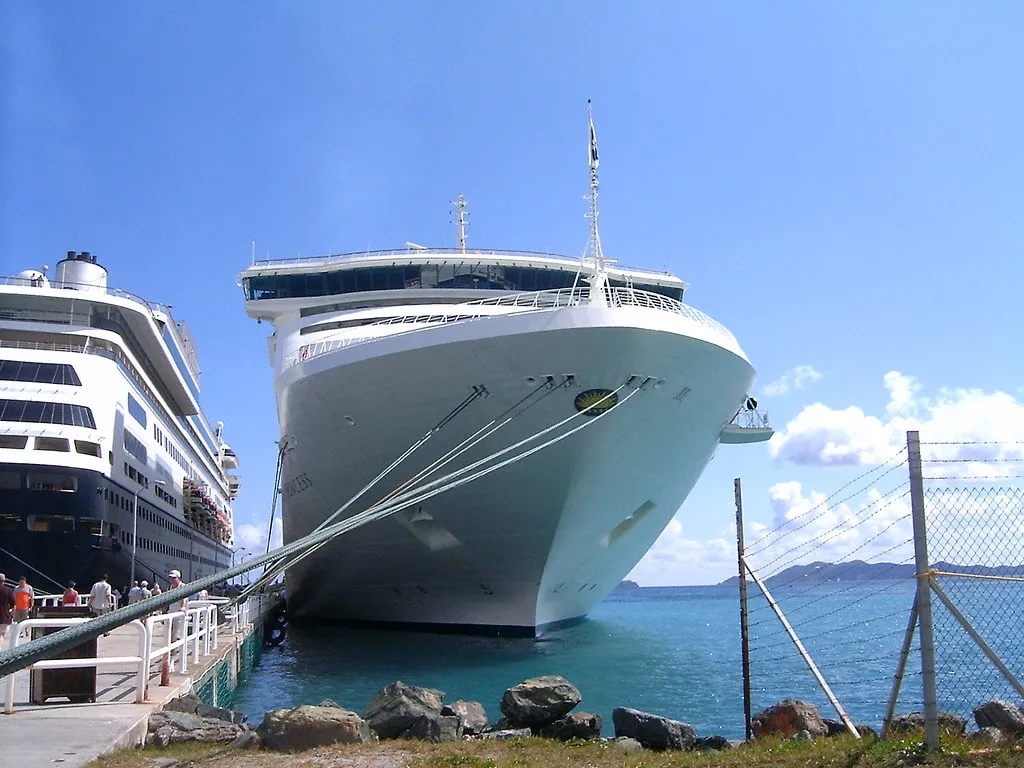
A single pronoun, three letters, carries centuries of human longing inside it. The practice of calling ships “she” grew from Latin grammar, from offerings to goddesses, from carved figureheads, from sailors who missed their mothers and wives, and from the very human impulse to give a name and a gender to the thing keeping you alive far from shore.
Whether that tradition persists or quietly fades into style-guide history, it leaves behind a rich record of how language and emotion intertwine. A ship was never just a vessel. For those who sailed her, she was the closest thing to home the open ocean could offer.
AI Disclaimer: This article was created with the assistance of AI tools and reviewed by a human editor.