

The Wall Itself: What You’re Actually Climbing
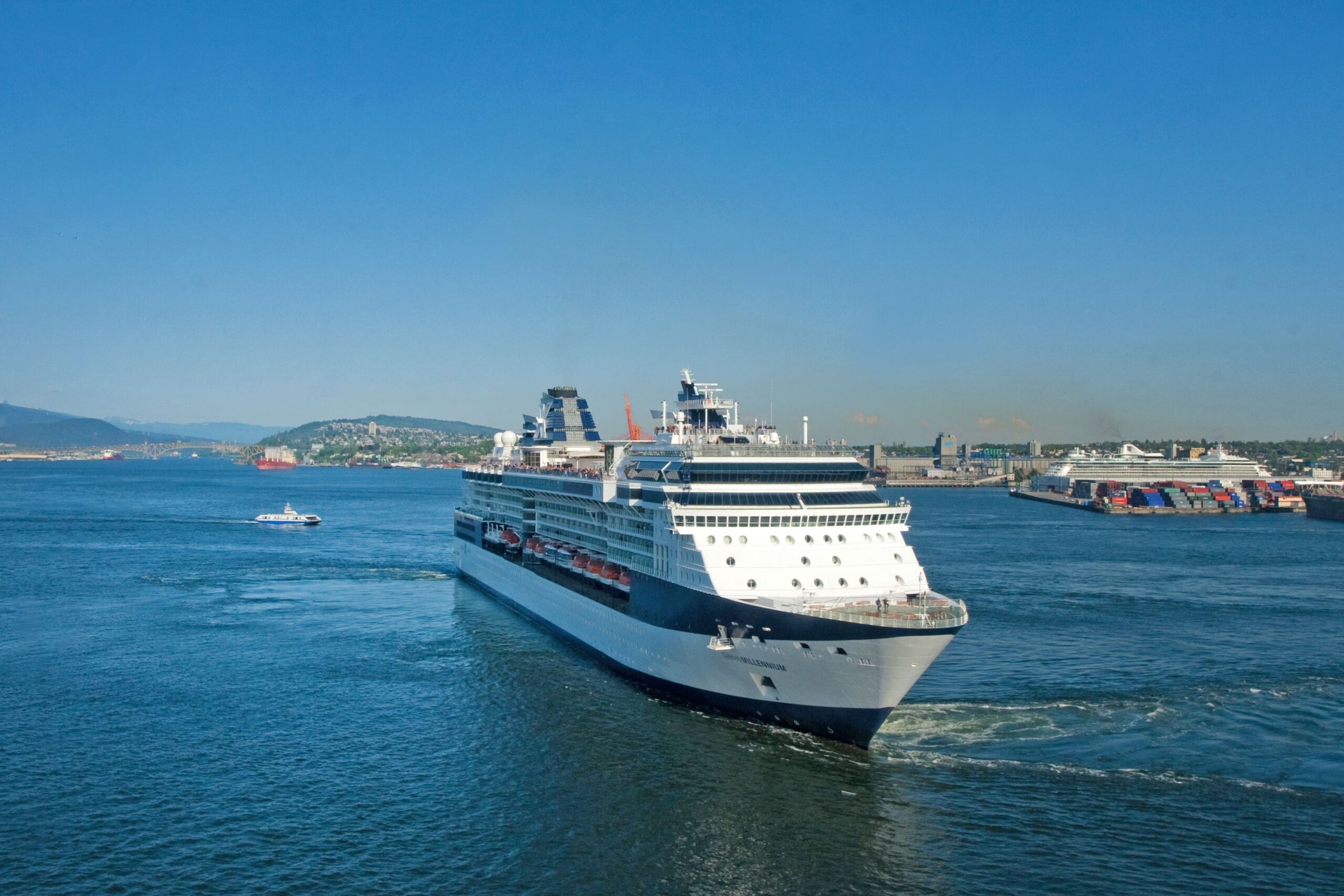
Royal Caribbean has installed a climbing wall on all their newer ships, and these walls can range from around 30 to 43 feet high. To put that in perspective, that’s roughly the size of a four-story building. Standing at the base and tilting your head back to find the top bell is usually the first moment guests reconsider the whole idea.
Rock climbing has been one of the perks on cruise ships for well over a decade, first introduced by Royal Caribbean’s Voyager of the Seas. The walls have grown more sophisticated since then, with multiple color-coded routes catering to different skill levels. The most popular option is open climb, where any age or skill level can try it, though specialty sessions like advanced climbing, teen climbs, and even onboard competitions also exist.
The Open-Hand Grip: The Habit Staff Actually Teach
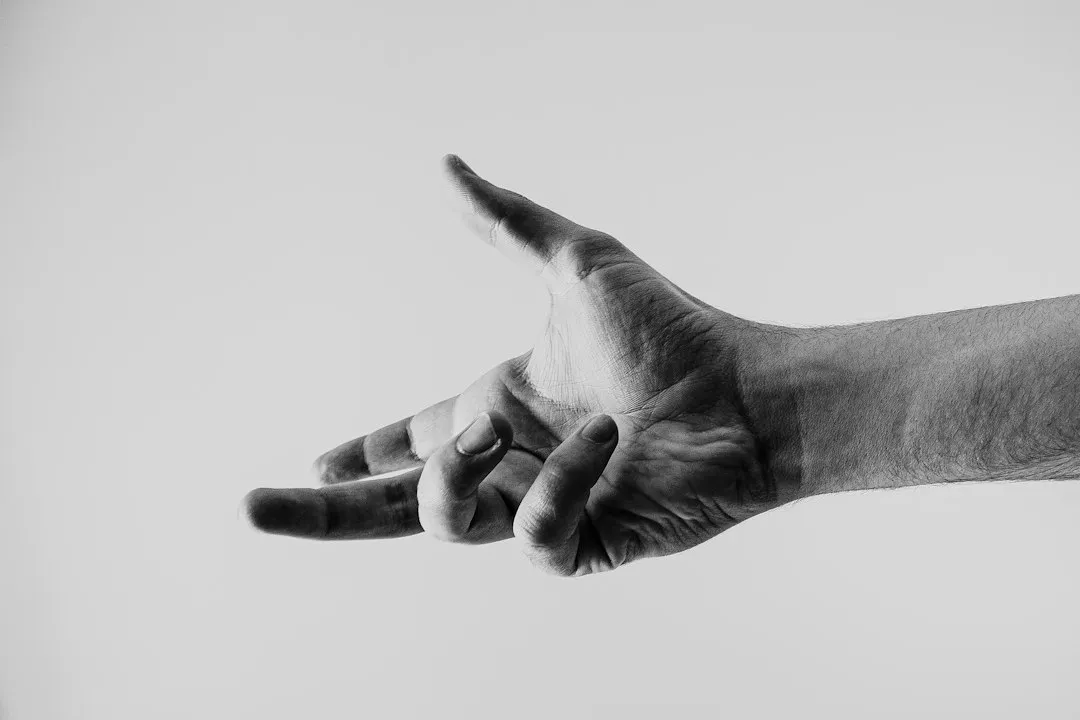
The central piece of advice that experienced cruise ship climbing staff pass on consistently is this: use an open-hand grip rather than a tight, curled crimp. It feels counterintuitive, because squeezing harder seems like it would help. In reality, it does the opposite.
Many climbers believe they are stronger in the crimp finger position than in the open-hand position. However, the crimp grip is associated with higher pulley forces, increasing the risk of finger injuries. For someone who has never climbed before, training open-hand first is always the right starting point.
Open hand is the safest of the three main grip positions and the least specific to small edges. On the large, generous holds found on beginner cruise wall routes, it’s also perfectly effective. The open grip lets you cover more surface area, reducing the chance of your hand slipping or fatiguing mid-route.
Why Squeezing Too Hard Is the Most Common Mistake
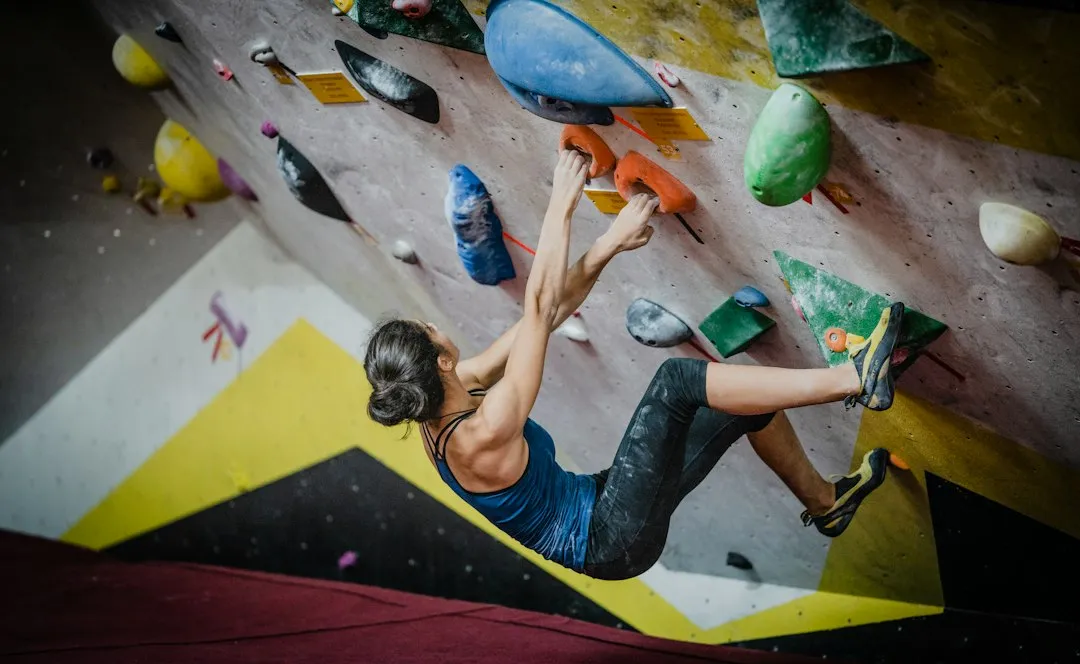
First-timers almost universally grip with maximum tension from the very first hold. It’s a fear response more than a technique choice. The problem is that A2 pulley strain increases up to 220% under full crimp conditions compared to open-hand positions. For a beginner whose tendons have never been conditioned for climbing loads, that’s a quick path to discomfort.
Research shows crimp grip increases finger tendon load by up to 200% compared to open grip. On a cruise wall session lasting ten to fifteen minutes, that sustained tension drains forearm strength fast and leaves hands feeling like lead before the halfway point. Open-hand crimps distribute force across more finger surface area, reducing peak stress on any single pulley.
Push With Your Legs, Not Your Arms
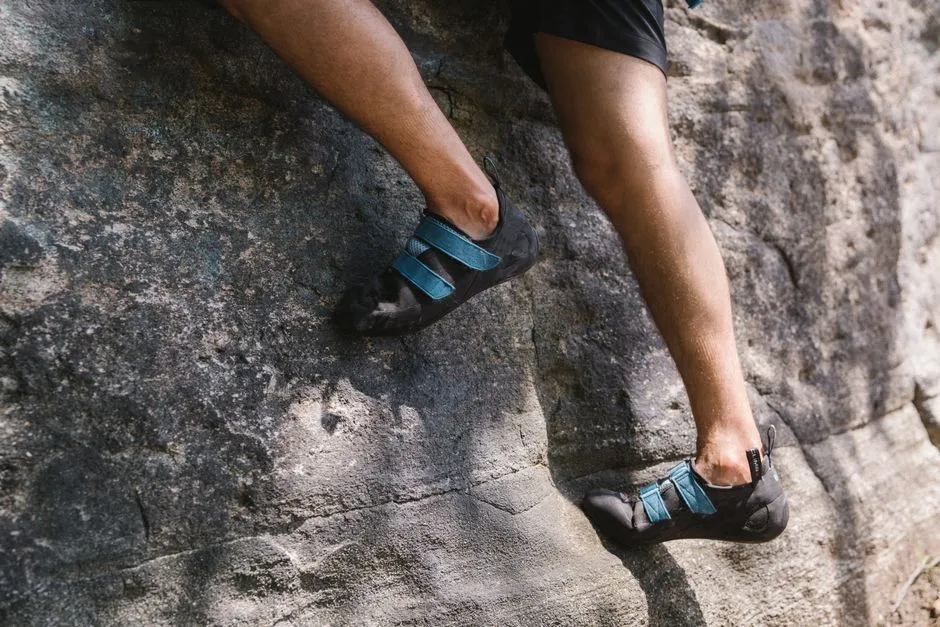
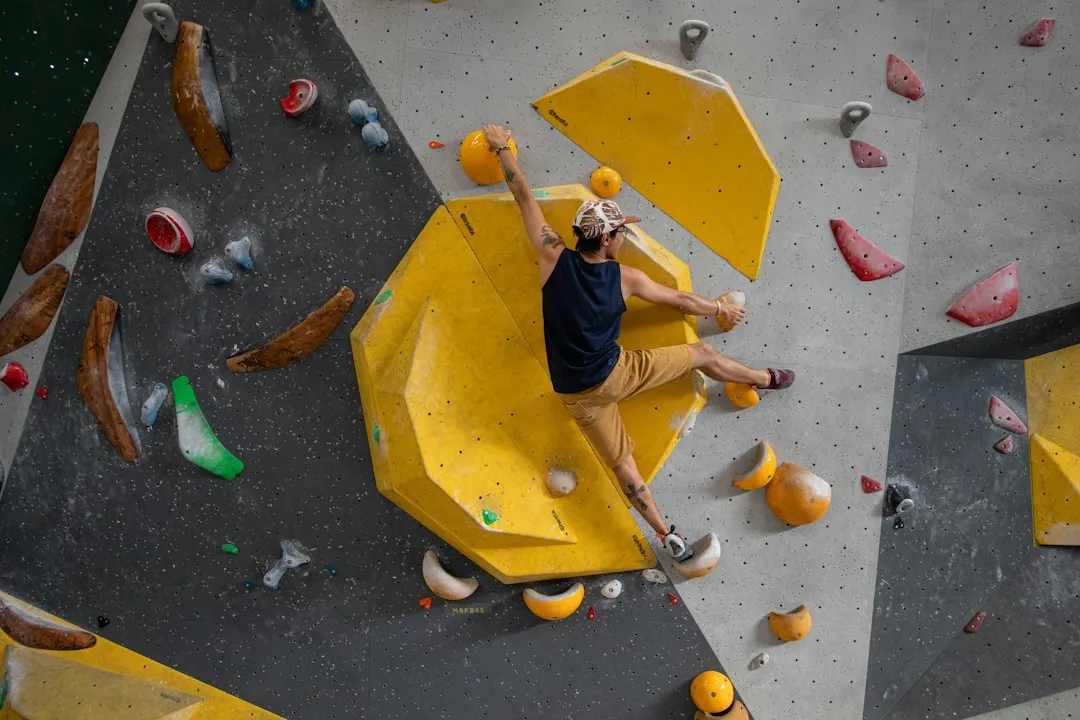
The most important thing to remember on a climbing wall is that it should be done mostly using your legs to push yourself up. Many people use their arms to pull themselves up, and that can get tiring very quickly. Staff see this constantly. Arms give out. Legs, generally speaking, do not tire at the same rate on a beginner wall.
Using your legs more than your arms makes a huge difference and saves energy for the final stretch. The grip technique and the leg-drive principle work together. When you’re not white-knuckling every hold, your arms stay fresher, and your legs carry the actual weight of the ascent. Pushing up with your feet first is the standard advice from those who regularly top out on cruise ship walls.
Starting on the Right Route
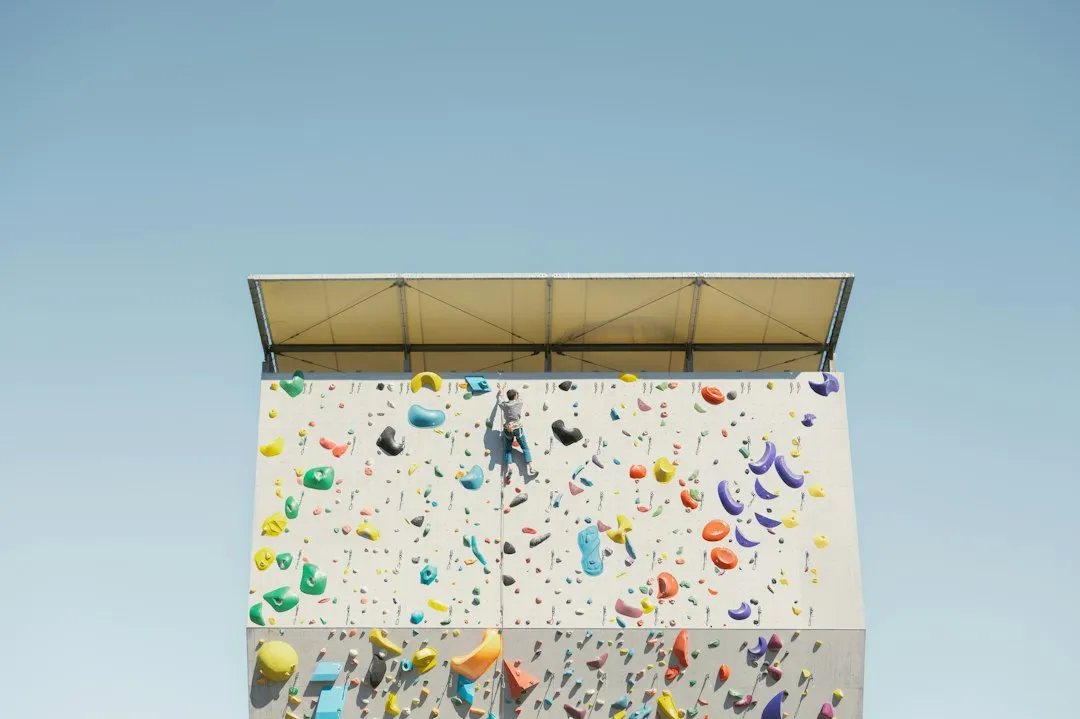
The attendant can tell you which routes are the easier and harder courses. For beginners, using any hand or foot hold that works is perfectly fine. Skilled climbers restrict themselves to same-colored holds as they scale the wall. There’s no shame in making full use of every hold available. That is literally what they are there for.
The pathways are usually set up with various levels of difficulty, some more challenging than others. The easiest paths are typically quite manageable. Choosing the beginner route on your first attempt isn’t playing it safe, it’s being smart. Getting familiar with the wall’s rhythm and the feel of the holds matters far more than tackling the hardest line on your first go.
The Gear They Give You Actually Matters
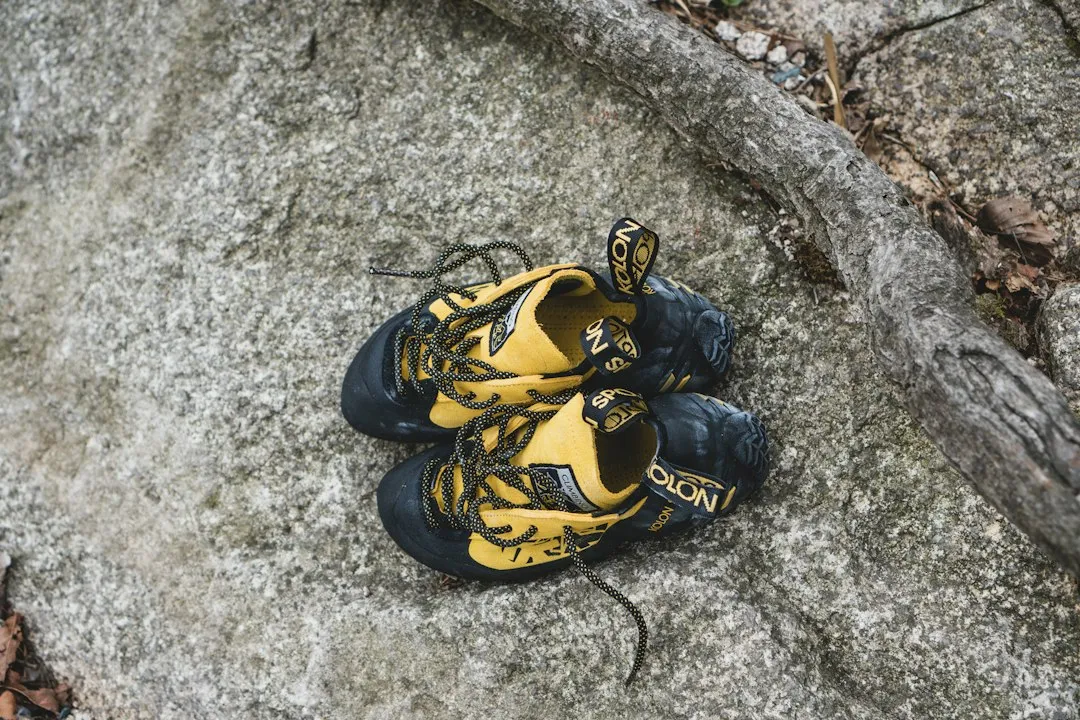
You start by going to the rock climbing desk, where staff will provide you with climbing shoes. You put them on, they strap you into a climbing harness, and you’re good to go. The shoes in particular change the entire experience. Climbing shoes have a sticky rubber sole engineered to grip the holds in a way that regular sneakers simply cannot replicate.
The activity is completely safe: you wear climbing shoes, a harness, and a helmet provided by the ship, and when you let go from the wall, it’s a super-slow descent to the bottom. The auto-belay system does its job reliably. Staff make sure guests are safe and keep encouraging them the whole time, allowing climbers to go as slow as they need to.
What the Science Says About Beginner Grip Strength
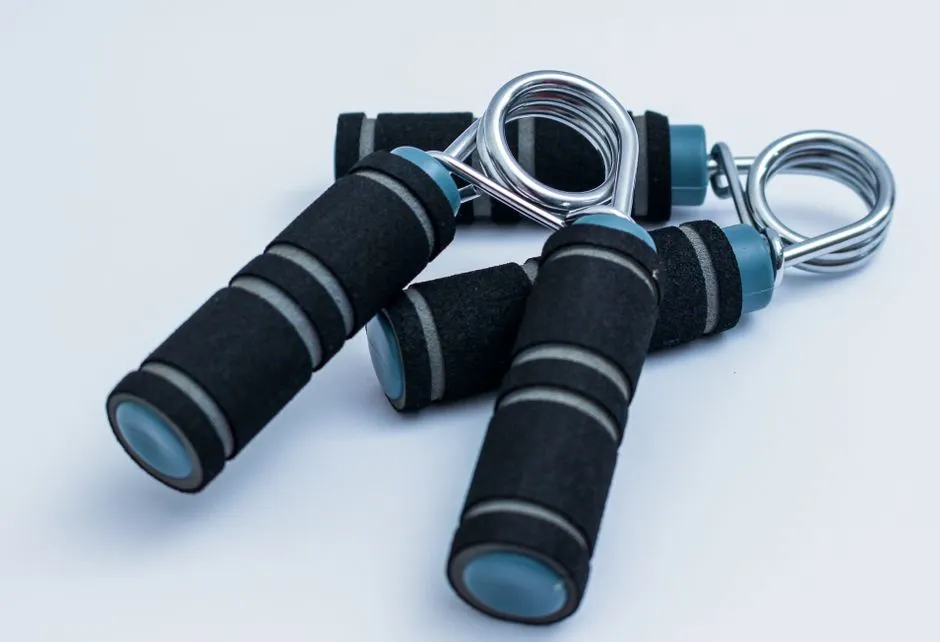
It’s worth knowing that grip strength in climbing is genuinely trainable, even from a very low starting point. Rock climbing is a growing sport at both professional and recreational levels, requiring specific hand positions with high force outputs to adapt to changing terrain requirements. That said, none of that development is relevant for a first wall session at sea.
Research published in 2024 in Sports Medicine Open found that frequent low-intensity finger loading was as effective at improving grip strength in climbers as training with maximal loads, and combining both approaches resulted in additive strength gains. For a beginner on a cruise wall, the takeaway is simpler: relaxed, repeated movements beat tense, aggressive gripping every time. For all skill levels and both sexes, slightly higher forces in the open-hand position than in the half-crimp position were recorded, confirming that for deeper hold depths, using an open-hand position carries no force disadvantage.
Managing Fear and the Mental Side of the Climb
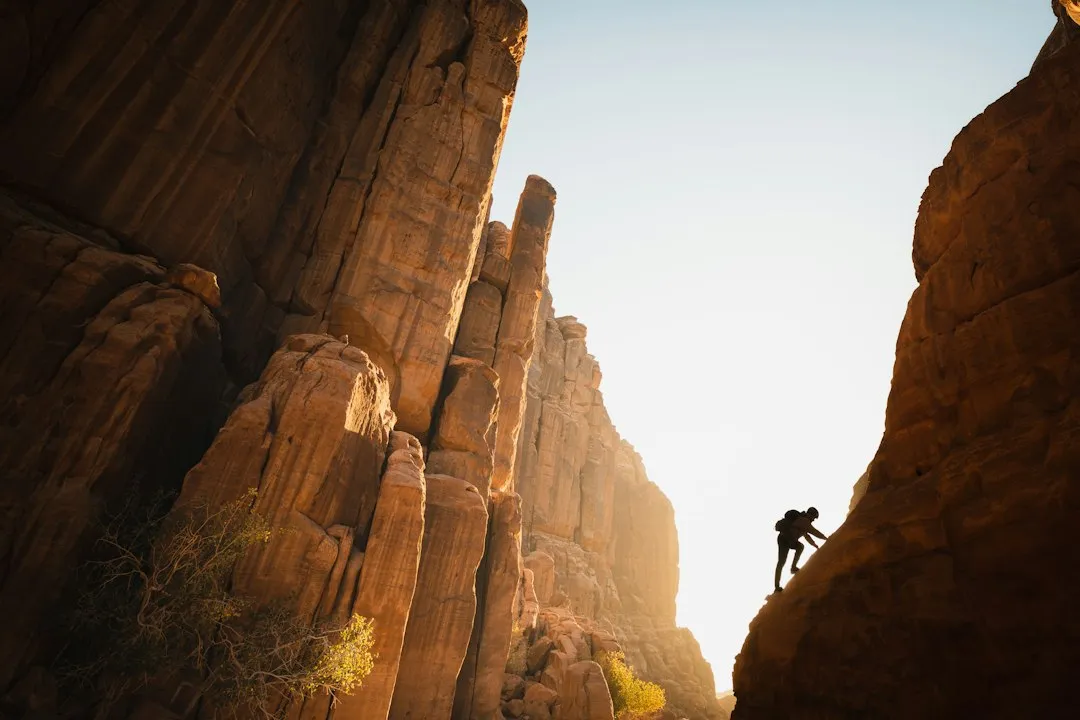
The first few steps on a cruise wall tend to feel manageable, but one thing many guests don’t anticipate is that the deck where the rock-climbing wall begins is not ground level, so climbers feel much higher up than they actually are, adding to the overall intensity of the experience. That perception of height is entirely normal and worth knowing in advance.
Fear tends to trigger grip tightening, which is exactly the opposite of what helps. Consciously softening your hands on each hold, even for just a moment, resets the forearms and restores blood flow. Royal Caribbean staff are notably patient with guests working through that hesitation. The wall is designed to be welcoming, not punishing, and the people running it understand that most guests have never done this before.
Timing Your Visit for the Best Experience
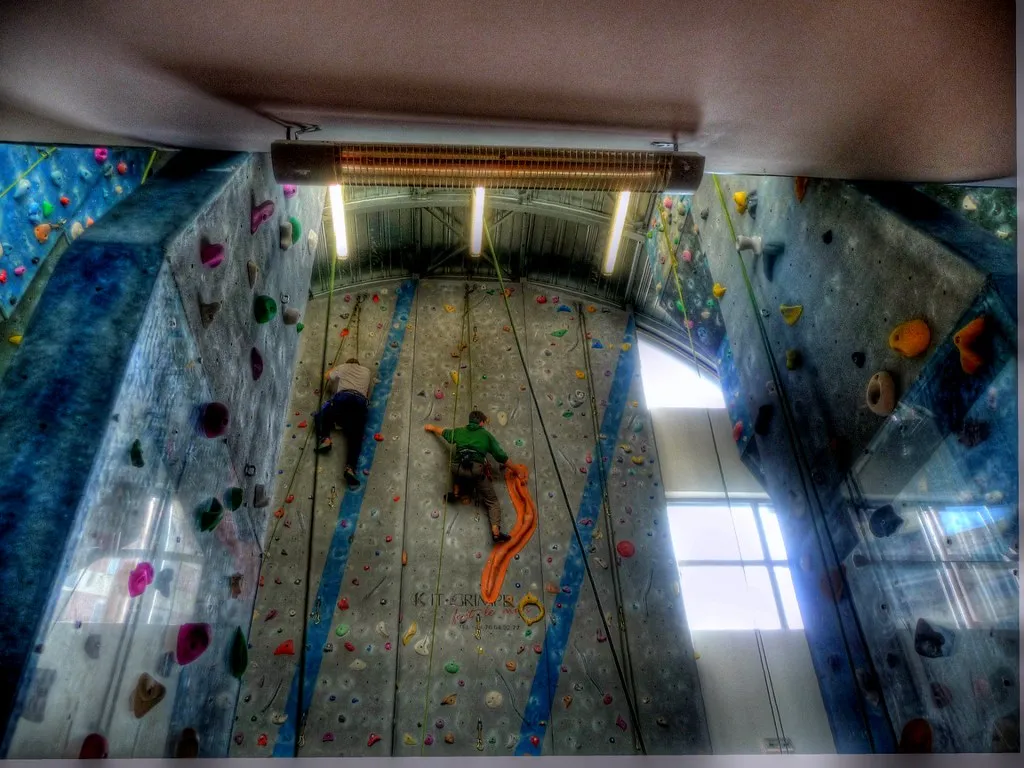
Logistics matter more than most guests realize. If you want the shortest lines, the best strategy is to try the climbing wall on embarkation day or on port days when you return from an excursion. Sea days tend to draw the biggest crowds, which means more waiting and less time on the wall itself.
Going when it is not very busy gives you the chance to climb several times during a single session, with short rest periods between attempts that allow your legs to recover before heading back up. That rest interval is genuinely useful. The climbing wall is typically open throughout the day and sometimes at night, and the Royal Caribbean app will show you current opening times once you’re onboard and connected to Wi-Fi.
What to Bring and What to Leave Behind
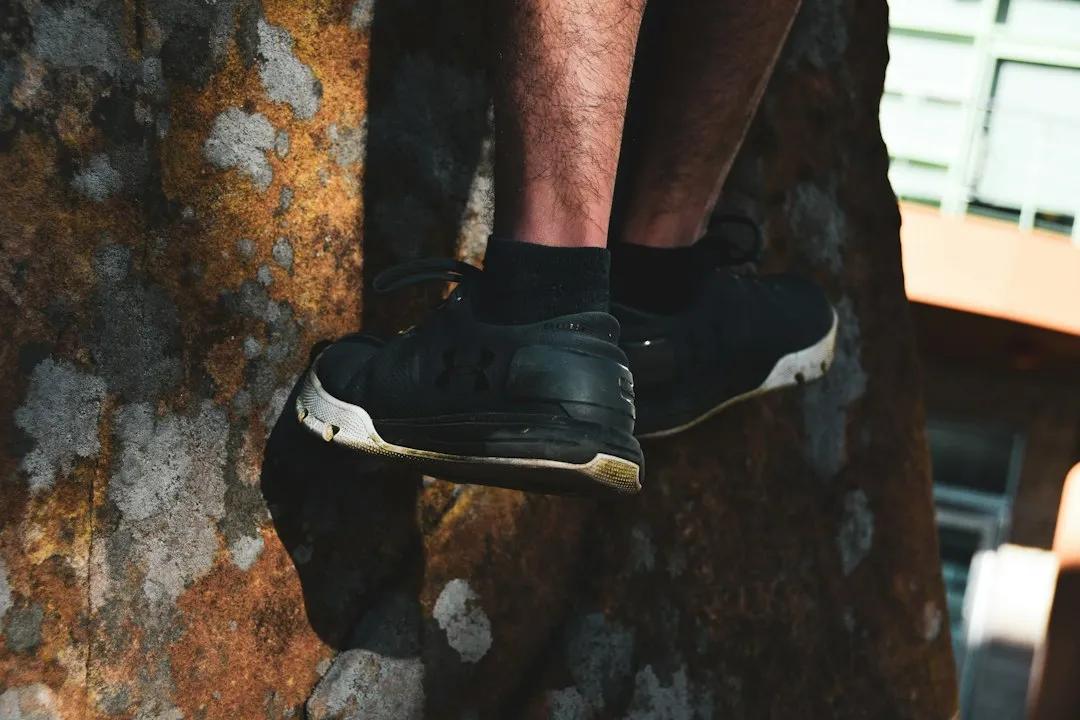
Read the ship’s daily schedule for opening times, and remember you must wear socks. It’s one of those small details that catches people off guard. The ship provides the climbing shoes, the harness, and the helmet, but socks are on you. Showing up without them means turning back to the cabin, which is a frustrating start to an activity that costs nothing.
Rock climbing is a free activity on Royal Caribbean cruise ships, and both young and old participate. There’s no need to book in advance or pay a surcharge. There is no height requirement to climb on the wall, and the minimum age is 6 years old, meaning the experience is genuinely open to beginners of almost any background. The only thing you’re really bringing is willingness.
The Takeaway From the Top of the Wall
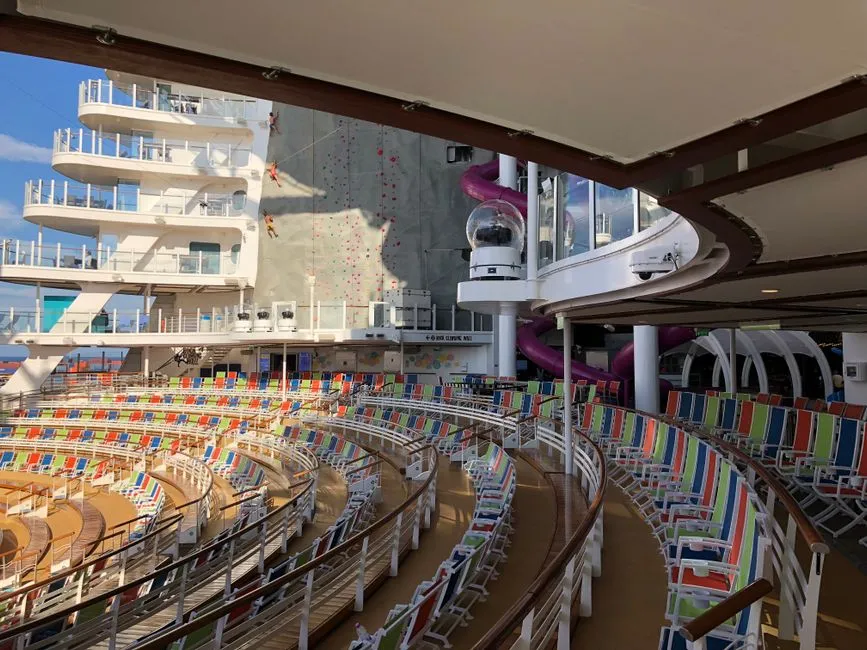
Standing at the summit of a cruise ship climbing wall, with open ocean stretching in every direction and the ship’s deck far below, feels like a different world. Most people who get there are surprised they made it. The ones who don’t quite reach the top almost always say they ran out of hand and arm strength well before their legs gave out, which tells its own story.
The grip habit that staff quietly advocate is simply this: open your hands a little, trust the hold, and let your legs do the honest work. In the long term, the open grip puts less strain on the joints and tendons than crimping. For a first-timer on a cruise wall, it’s not about the long term at all. It’s about making it to that bell at the top without burning out twenty feet short of it.
The wall will be there every sailing day. The technique, once you feel it work, tends to stick.
AI Disclaimer: This article was created with the assistance of AI tools and reviewed by a human editor.