
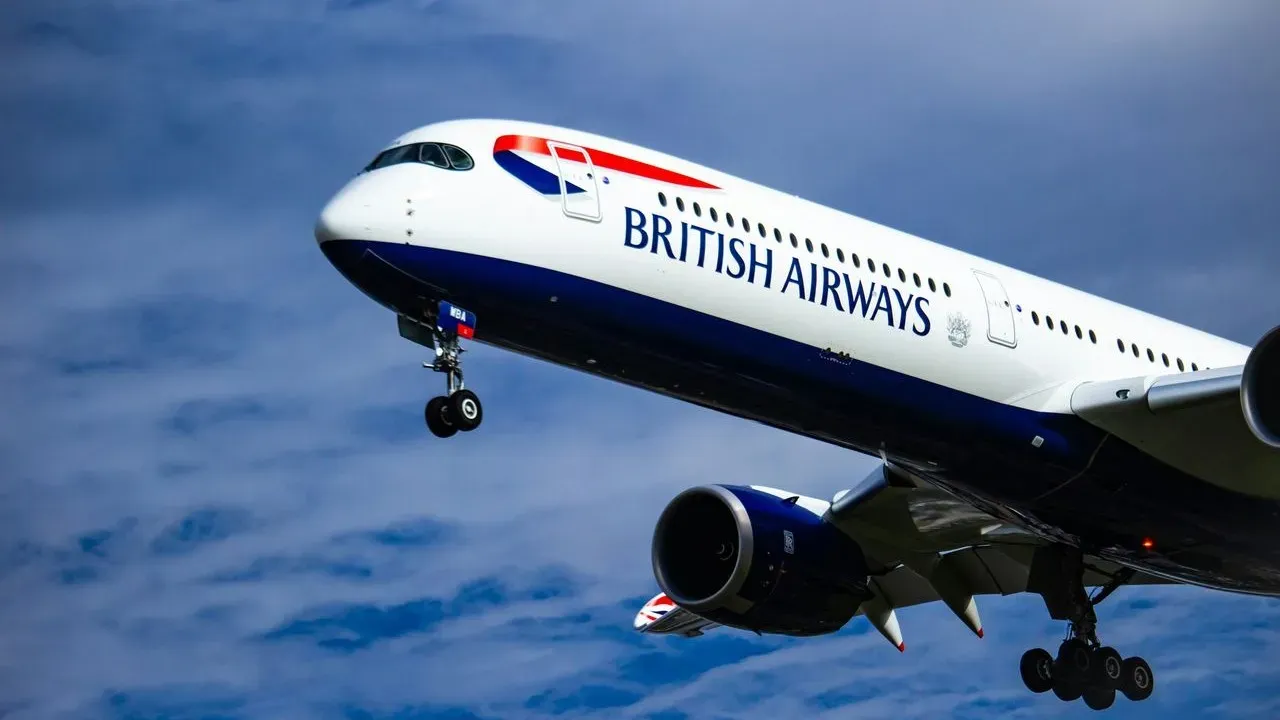

Travelers planning transatlantic journeys in 2027 will see measured expansion from British Airways, the European carrier with the most U.S. destinations. The airline is increasing service on several established routes rather than launching new ones, a deliberate choice that reflects both opportunity and constraint in a competitive market. This approach comes as other carriers prepare fresh nonstop options from additional American cities to Europe. The strategy underscores how airlines weigh capacity, demand, and fleet availability when shaping long-haul networks. For passengers, the result is more frequent flights on familiar routes alongside continued access to a broad range of U.S. gateways.
Why the Timing Matters for Travelers
Summer 2027 schedules are already taking shape, and British Airways has outlined clear adjustments at its Heathrow hub. The carrier will add flights to four U.S. cities where it already operates, giving travelers more flexibility on popular corridors. These increases build on recent additions such as Cincinnati and St. Louis, which joined the network in 2023 and 2024 respectively. The changes arrive against a backdrop of wider industry movement. Several competitors are introducing new transatlantic routes from secondary U.S. markets next summer, expanding direct options for travelers who previously connected through major hubs. British Airways’ decision to focus on frequency rather than new destinations keeps its network stable while competitors test fresh markets.
Targeted Frequency Increases at Heathrow
British Airways will raise flight counts on four routes without altering the overall number of U.S. cities it serves. Cincinnati/Northern Kentucky will move from five to six weekly flights. Las Vegas will gain a second daily service. San Francisco will increase from two to three daily flights. St. Louis will shift from four to seven weekly flights. These adjustments provide more convenient departure times and additional seats during peak summer months. Travelers who value direct access to London will benefit from greater schedule choice on these corridors. The airline continues to serve 27 U.S. destinations overall, the largest number offered by any European carrier.
Coordinating Growth Across the Group
British Airways forms part of International Airlines Group alongside Aer Lingus and Iberia. Any expansion must account for the routes and capacity of these sister airlines to avoid unnecessary overlap. Aer Lingus, for instance, plans to end service to Las Vegas, Denver, and Minneapolis next summer as part of a cost-management effort. Iberia has not announced new U.S. destinations for 2027 despite earlier growth ambitions. This coordinated approach helps maintain a balanced presence across the Atlantic while preserving the distinct identities of each carrier. Passengers booking through any of the three airlines can still access a wide selection of gateways, with schedules and fares aligned where joint-venture agreements apply.
Looking Ahead to Secondary Markets
British Airways has signaled interest in additional U.S. cities beyond its current 27 destinations. Population size remains a key factor in evaluating new opportunities, particularly among the largest metropolitan areas that currently lack direct service. Several mid-sized markets are already served through the airline’s joint venture with American Airlines, which allows coordinated scheduling and pricing on transatlantic routes. The carrier prefers to introduce new destinations with its Boeing 787-8 aircraft, the smallest long-haul model in its fleet. As larger aircraft become available on maturing routes, the 787-8s can be redeployed elsewhere. This measured rollout supports sustainable network growth without overextending resources. British Airways’ approach illustrates how established carriers respond to shifting competition while maintaining reliability for travelers. The result is a steady expansion of options that rewards advance planning and flexibility when booking transatlantic journeys.
AI Disclaimer: This article was created with the assistance of AI tools and reviewed by a human editor.