
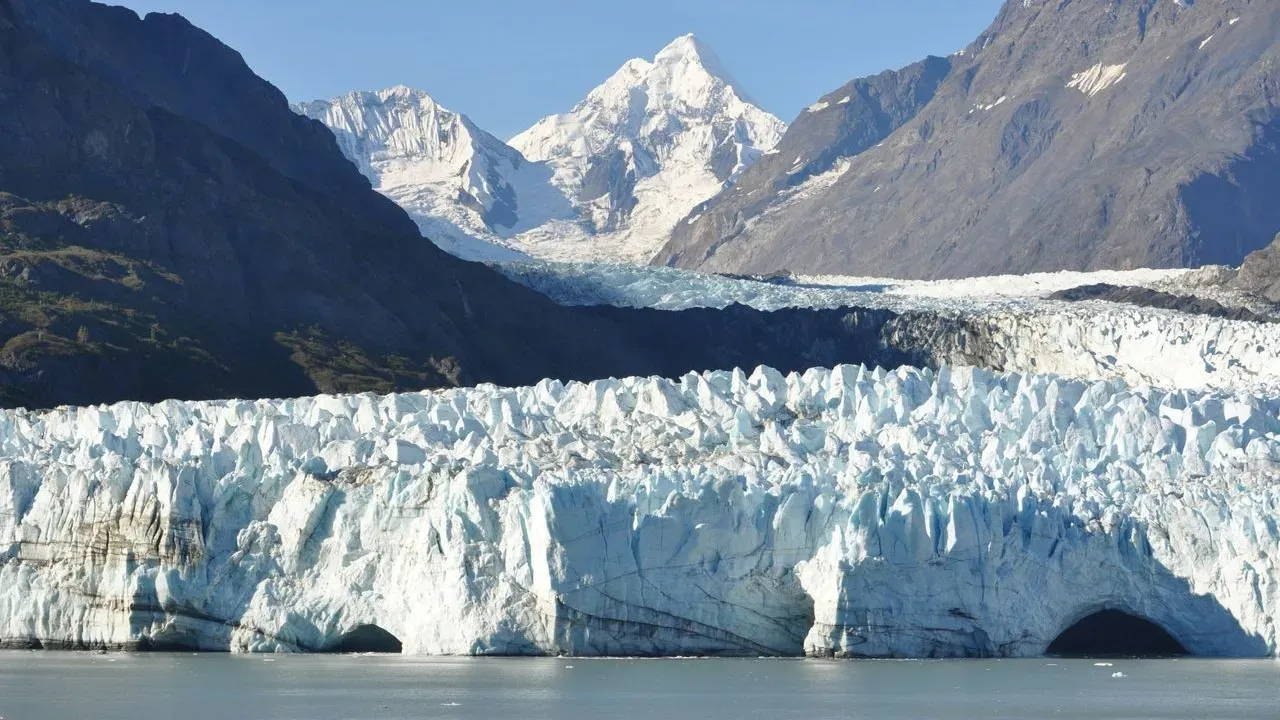

Glacier Bay National Park & Preserve stands apart among North American parks because its primary attractions lie across open water rather than along roads. ([1])Most visitors reach the park aboard a cruise ship or smaller vessel that travels the long fjord system, where tidewater glaciers meet the sea. The arrangement stems from deliberate limits on daily ship entries and the absence of internal roads, which together shape how people experience this vast protected landscape.
Access Shaped by Permits and Water Routes
The National Park Service caps entries at two cruise ships per day, a rule that favors lines with long histories in the area while keeping overall vessel traffic low. This policy directly affects planning for the roughly 700,000 annual visitors, most of whom arrive during a single day on a typical seven-night Alaska itinerary. Travelers who prefer more time on land can fly or ferry into the small community of Gustavus, then board the park concession boat for a full-day tour that reaches two major glaciers. Private boats and chartered flights offer additional options, though they require advance coordination with park staff. The result is a measured flow of people that preserves the quiet of the fjords while still allowing broad public access. Those who choose the land-based route gain flexibility for multi-day stays that include hiking or kayaking near Bartlett Cove.
Glaciers, Wildlife, and Cultural Presence
The park contains more than 1,000 glaciers, several of which remain tidewater features that drop ice directly into the sea. Rangers note that the exact count of active tidewater glaciers has declined in recent years as some have retreated from the waterline, yet the remaining faces still produce dramatic calving events visible from ship decks. Park rangers and Huna Tlingit cultural interpreters often join larger vessels to provide context on the landscape and its long human history. Wildlife sightings form a steady part of any visit. Harbor seals, Steller sea lions, puffins, and occasional humpback whales appear along the shoreline and in the channels. On land near Gustavus, trails range from short forest loops to longer routes that reach inland lakes, while kayak rentals support both short paddles and extended trips deeper into the bay. At the tribal house in Bartlett Cove, visitors can learn directly from Huna Tlingit elders about the area’s cultural continuity.
Practical Timing and Preparation
Visitor services operate mainly from May through September, when temperatures hover between 50 and 60 degrees and rain remains common. April through June tends to bring drier conditions, while September often sees more precipitation. Layered clothing, waterproof outerwear, and sturdy boots help visitors stay comfortable regardless of daily changes. No entry fee applies to the park, and camping permits are likewise free. The single lodge at Bartlett Cove and a handful of small inns in Gustavus provide the main overnight options for those arriving by air or ferry. Meals at these properties frequently follow a full-board model that includes transportation from the airport, reflecting the remote logistics of the region.
Staying Longer Rewards Preparation
Visitors who extend their stay beyond a cruise day can join ranger-led walks, rent kayaks, or arrange flightseeing tours that reveal the park’s mountain and ice expanse from above. The free campground at Bartlett Cove offers a simple base for those who want to explore on foot without additional lodging costs. Wilderness camping along the extensive shoreline requires registration and careful food storage to coexist with local wildlife. These choices let travelers match the pace of their visit to the park’s scale and protections. The same limits that keep ship numbers low also encourage advance planning and respect for the living landscape.
AI Disclaimer: This article was created with the assistance of AI tools and reviewed by a human editor.