
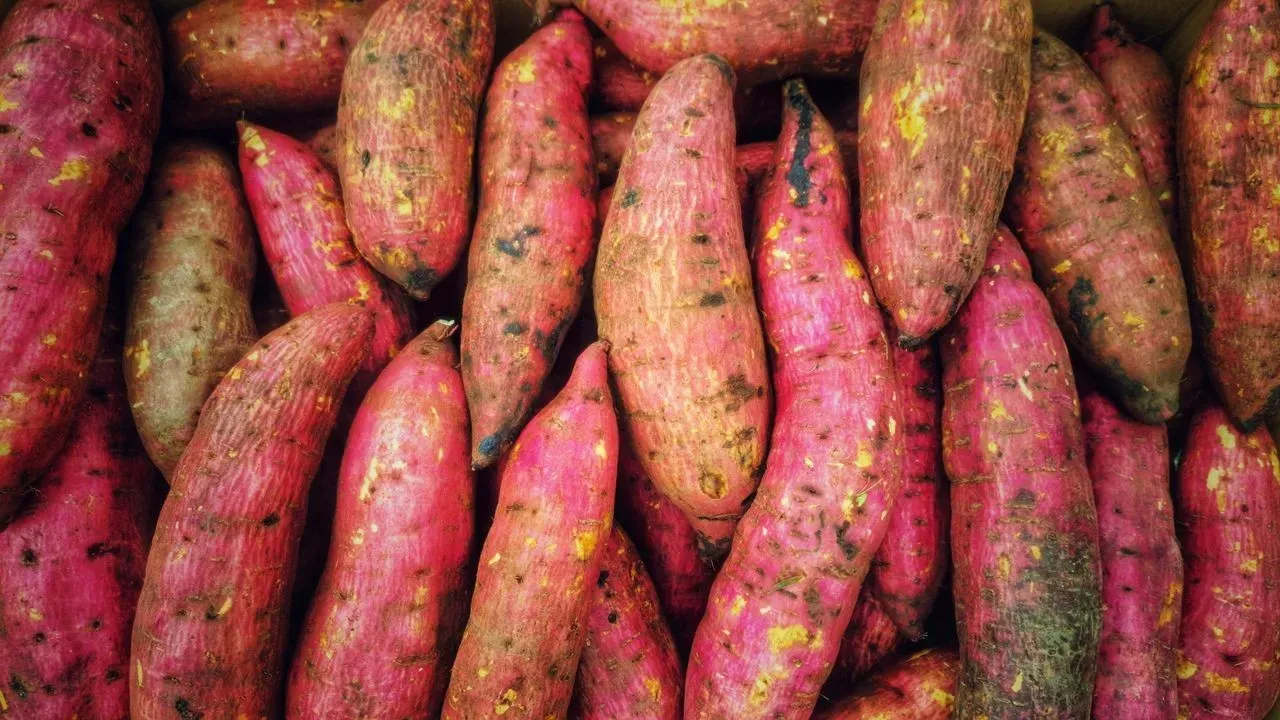

Shoppers across the United States often encounter orange-fleshed tubers labeled as yams in the weeks leading up to Thanksgiving. In reality, those items are sweet potatoes, a distinction rooted in botanical differences rather than marketing alone. The clarification matters for recipes that rely on specific textures and flavors. ([1])
Separate Plant Families Shape Distinct Vegetables
Sweet potatoes and true yams develop from entirely unrelated plants. Sweet potatoes belong to the morning glory family, while yams come from the Dioscoreaceae family. This separation means the two are not variations of the same crop but different species with their own growth patterns and characteristics.
The practical result appears in how each behaves when cooked. Sweet potatoes, particularly the soft orange varieties common in American markets, tend to become moist. True yams generally remain starchier and drier. These differences trace directly to their botanical origins rather than any shared lineage.
Labels in U.S. Stores Reflect Historical Naming Practices
American supermarkets have long used the term “yam” for certain sweet potatoes to distinguish soft-fleshed types from firmer ones. Federal rules require that any product labeled “yam” must also include the words “sweet potato” on packaging or signage. As a result, the orange tubers most people purchase for holiday dishes are sweet potatoes sold under an older market name.
True yams appear less frequently in mainstream grocery aisles. They surface more often at specialty or international markets, where their rough, scaly skin and cylindrical shape set them apart from the smoother, tapered sweet potatoes. Shoppers who see a “yam” sign at a standard store can reasonably expect a sweet potato.
Selecting the Right Ingredient for Recipes
Recipes tied to American holiday traditions, such as casseroles or candied preparations, call for the moist, orange-fleshed sweet potatoes commonly available. These deliver the expected sweetness and texture without substitution issues.
When a recipe explicitly names true yams, often in the context of dishes from regions where they are traditional staples, the labeled product should be purchased. Substituting a sweet potato in those cases alters the final result because of the inherent differences in moisture and starch content.
Key distinctions at a glance
| Feature | Sweet Potato | True Yam |
|---|---|---|
| Plant family | Morning glory | Dioscoreaceae |
| Skin | Thin and smooth | Tough and scaly |
| Typical U.S. market label | Often sold as “yam” alongside “sweet potato” | Less common; found mainly at specialty markets |
Clear Steps at the Grocery Store
Check the full label or sign for the required “sweet potato” wording whenever “yam” appears. Review ingredient lists on canned products, where sweet potatoes frequently appear as the primary component. When uncertainty remains, ask produce staff for confirmation of the exact variety on offer.
These straightforward checks prevent mismatches between what a recipe intends and what ends up on the table. The distinction rests on verifiable botanical and labeling facts rather than preference or tradition alone.
AI Disclaimer: This article was created with the assistance of AI tools and reviewed by a human editor.