
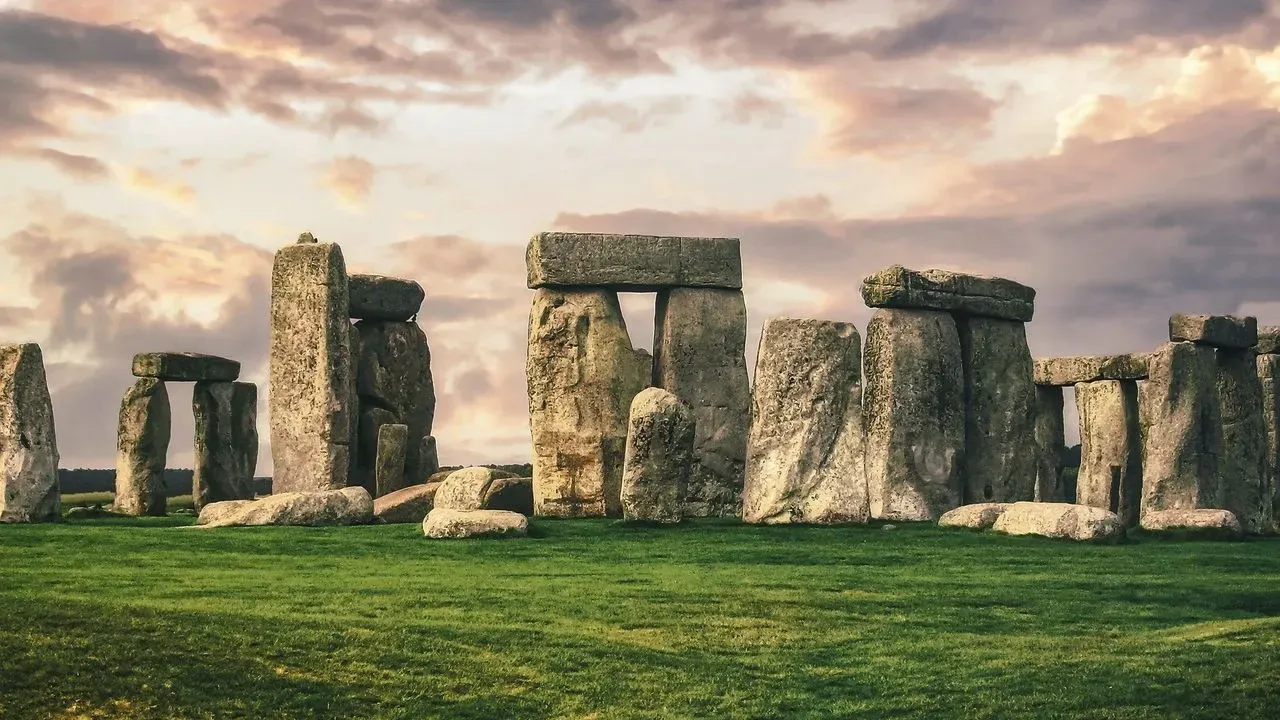

David Horsup’s debut novel draws on five real historic locations across Britain and Ireland, turning them into settings for a story that readers can experience firsthand. The book connects its narrative to the New Forest, Stonehenge, Framlingham Castle, Brú na Bóinne, and the Ring of Brodgar, offering travelers a literary thread to follow through landscapes rich with layered history. Proceeds from sales also support public libraries in Misamis Oriental, extending the project’s reach beyond the page.
Grounding a Story in Living Landscapes
The novel anchors its plot in places that remain accessible and carefully managed for visitors today. Each site carries centuries of human presence, from ancient ceremonial grounds to medieval fortifications and preserved woodlands. Travelers who follow the book’s path encounter these locations not as isolated attractions but as parts of broader cultural and natural contexts that reward slow, attentive exploration. Respect for the sites begins with understanding their ongoing significance to local communities and heritage organizations. Many of these places operate under protective guidelines that limit numbers or require timed entry, helping preserve fragile features for future generations. Planning ahead allows visitors to move through the landscapes with minimal impact while still absorbing the atmosphere that inspired the author.
Woodlands, Castles, and Early Circles
The New Forest offers quiet trails through ancient woodland where deer and ponies still roam freely. Its open heath and dense stands of oak and beech provide a sense of continuity with the past that the novel evokes. Nearby, Framlingham Castle stands as a striking example of medieval architecture, its walls and towers offering elevated views across the surrounding countryside. These two locations sit within easy reach of each other in eastern England, making them practical stops for travelers building an itinerary around the book. Both remain open year-round, though conditions can change with the seasons, and local guides often share additional context about their roles in regional history. Visitors who arrive prepared with the novel’s descriptions find the settings gain an extra dimension of personal connection.
Monuments of Stone and Ceremony
Stonehenge continues to draw people who come to stand before its massive uprights and consider the engineering and intention behind their arrangement. The surrounding landscape includes other earthworks and avenues that extend the sense of a larger ceremonial complex. Brú na Bóinne in Ireland presents a different scale, with its great passage tombs aligned to the winter solstice and intricate carvings that still puzzle researchers. Further north, the Ring of Brodgar on Orkney sits within a windswept setting of lochs and low hills. Its circle of standing stones forms part of a wider prehistoric landscape that includes other monuments and settlements. Each of these sites maintains visitor centers or interpretive trails that help travelers understand their significance without overwhelming the experience of being present.
Extending the Journey Through Community Support
Beyond the travel itself, the project channels part of its proceeds toward libraries in Misamis Oriental. These institutions serve as quiet anchors for reading and learning in their communities, and the connection creates a tangible link between readers abroad and local efforts to maintain access to books. Travelers who purchase the novel contribute directly to that ongoing work. The approach reflects a model in which literary interest and responsible tourism can reinforce one another. By choosing to visit these sites with preparation and respect, readers participate in a cycle that values both cultural heritage and contemporary community needs. The result is travel that feels purposeful rather than hurried, leaving space for reflection long after the journey ends.
AI Disclaimer: This article was created with the assistance of AI tools and reviewed by a human editor.