
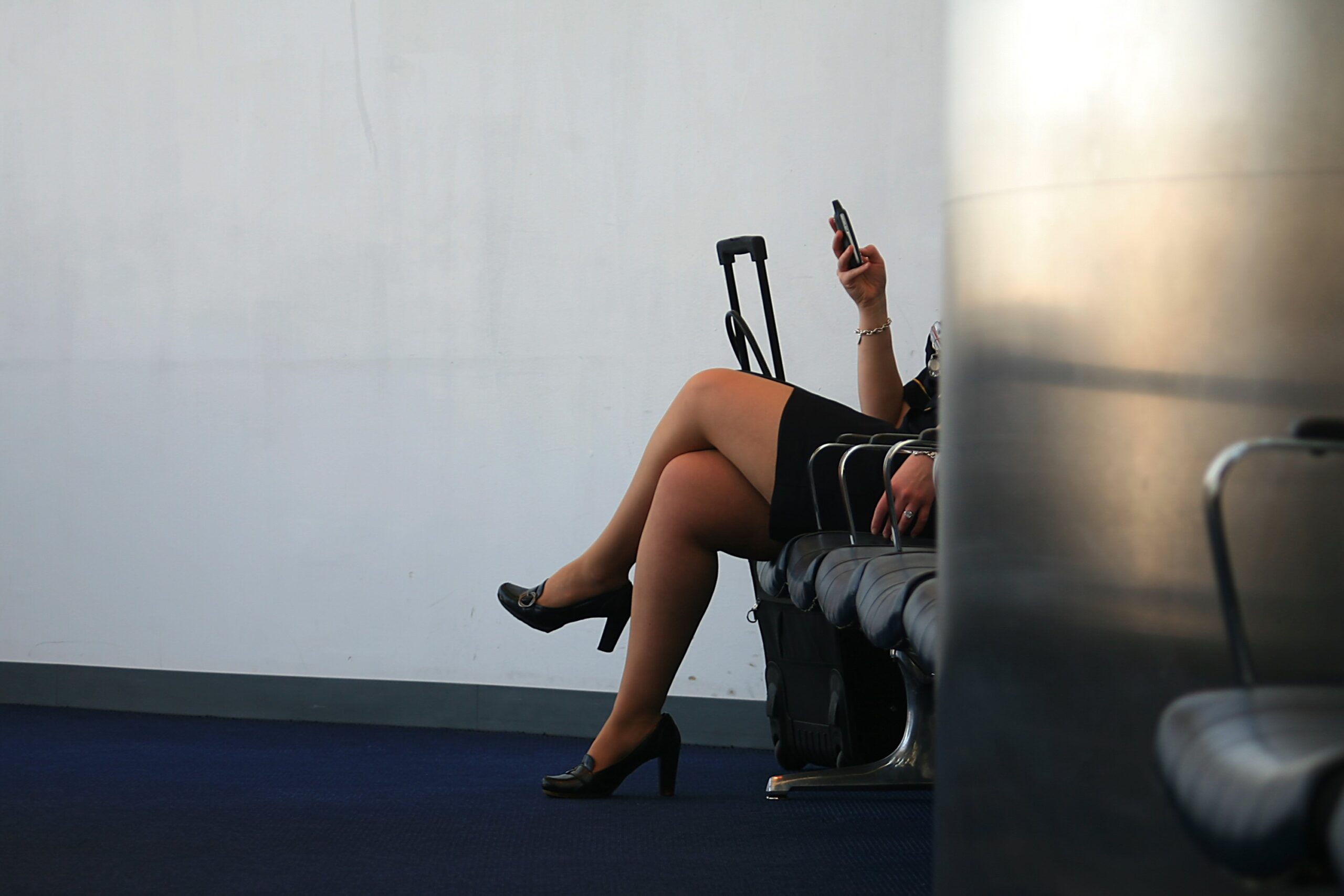

The Galley Is a Workspace, Not a Vending Machine
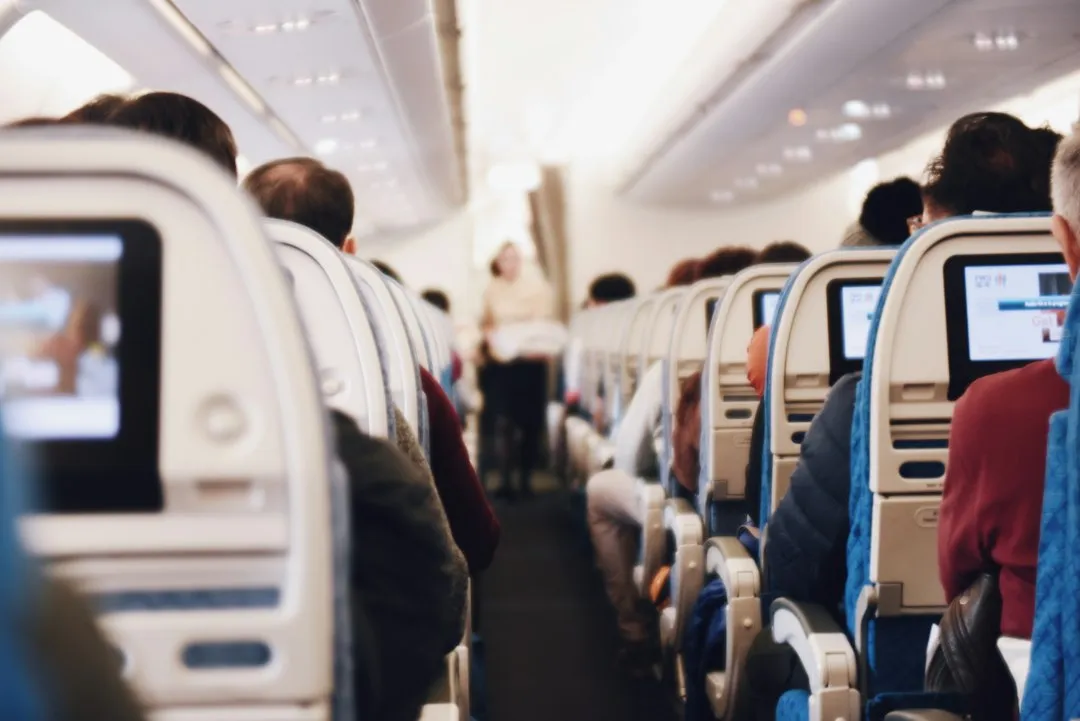
Behind that narrow galley curtain, flight attendants are constantly making small, deliberate decisions about who gets a little extra and who doesn’t. The galley is where crew members prep, eat, reset, and breathe between service runs. It’s easy to forget that it’s primarily their workspace rather than a passenger amenity area.
Flight attendants describe the galley as their workspace where they work and eat. Barging in uninvited, hovering near the curtain, or repeatedly approaching the area out of turn tends to work against any goodwill a passenger might have otherwise built up.
Kindness Is the Only “Loyalty Program” That Works Every Time
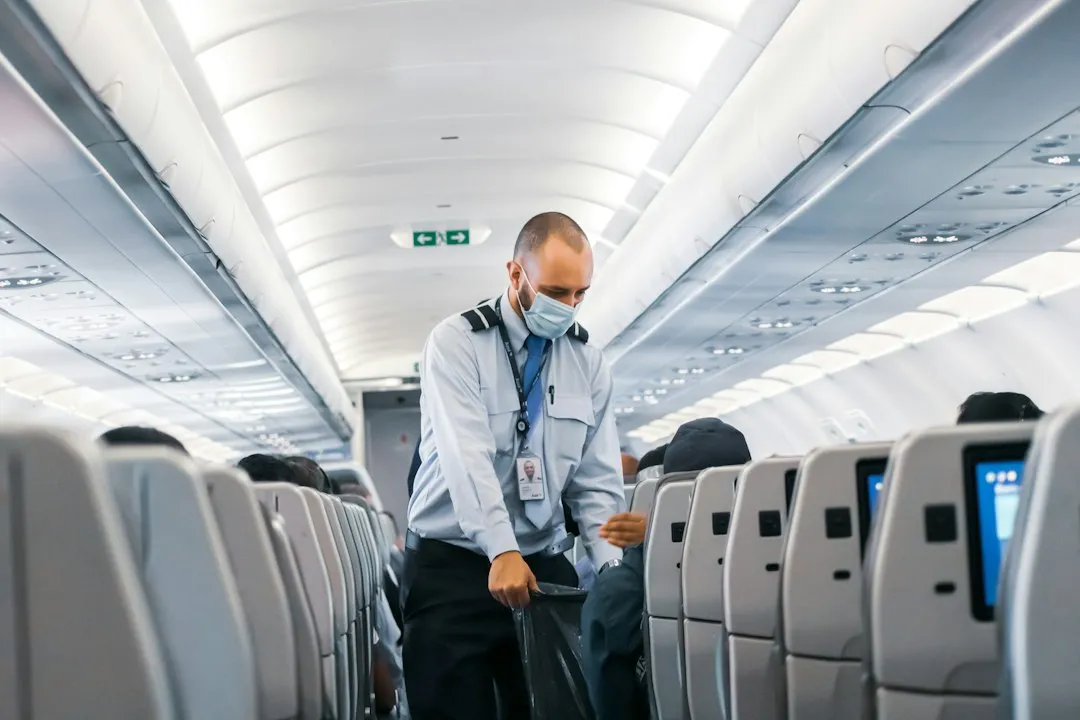
Heather Poole, who worked for a major U.S. carrier for 20 years and wrote the bestselling book “Cruising Attitude,” has said that people who actually speak to her when she asks what they’d like to drink is becoming a thing of the past. When a passenger says please and thank you, she wants to give them more water and extra snacks.
Being a flight attendant can be a stressful job with long hours and little time to rest between shifts, and crew really appreciate it when passengers are kind. Even saying hello and thank you as you get on and off the plane is appreciated. If a flight attendant is particularly touched by your kindness, they may even hook you up with special treatment like extra snacks or drinks.
Biscoff: The Unofficial Galley VIP Cookie
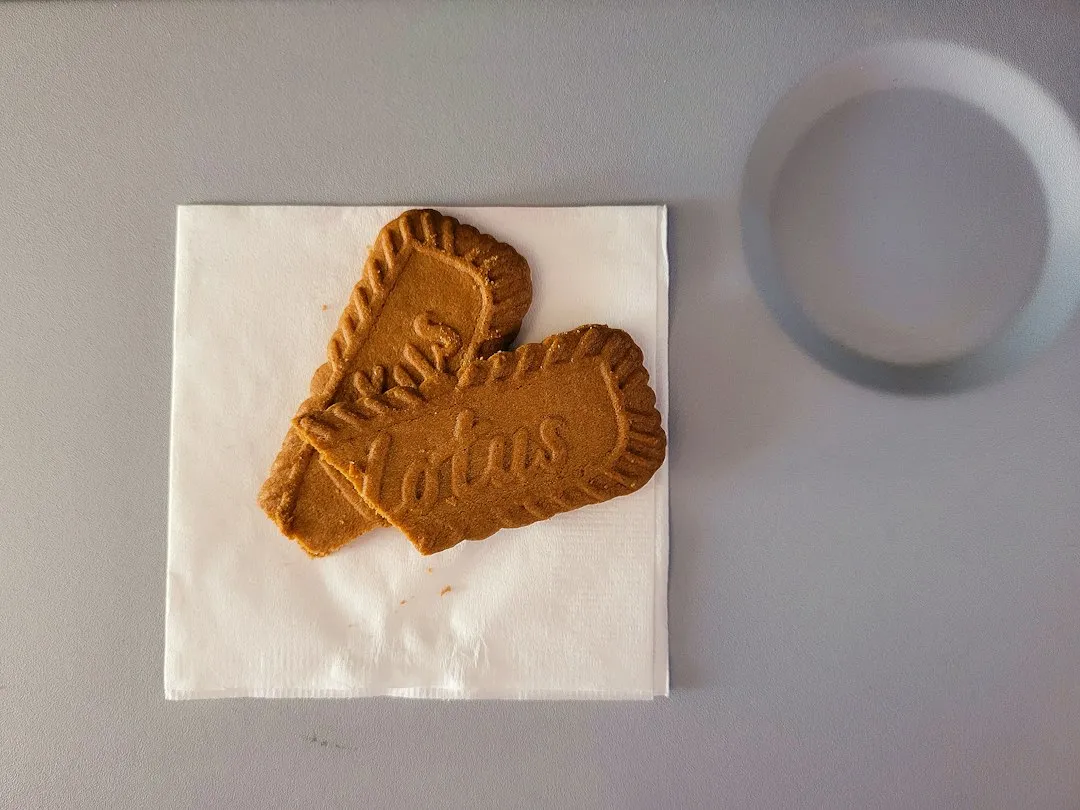
To no one’s surprise, Biscoff remains the most iconic cookie in the sky. These small caramelized biscuits have taken on an outsized cultural role in air travel, becoming something passengers actively seek out rather than just accept.
Delta Biscoff cookies have become so beloved that passengers specifically request extra packs, hoard them in carry-on bags, and even cite them as a reason for brand loyalty. Flight attendants report passengers requesting extra packs, stuffing them in bags for later, and becoming visibly disappointed when supplies run low.
Biscoff is offered to all customers on Delta Air Lines flights and in the main cabin of American Airlines flights that are at least 250 miles long. If you’re polite and the cart has already come by, a quiet ask later in the flight almost always gets a second pack.
The Surplus That Nobody Talks About
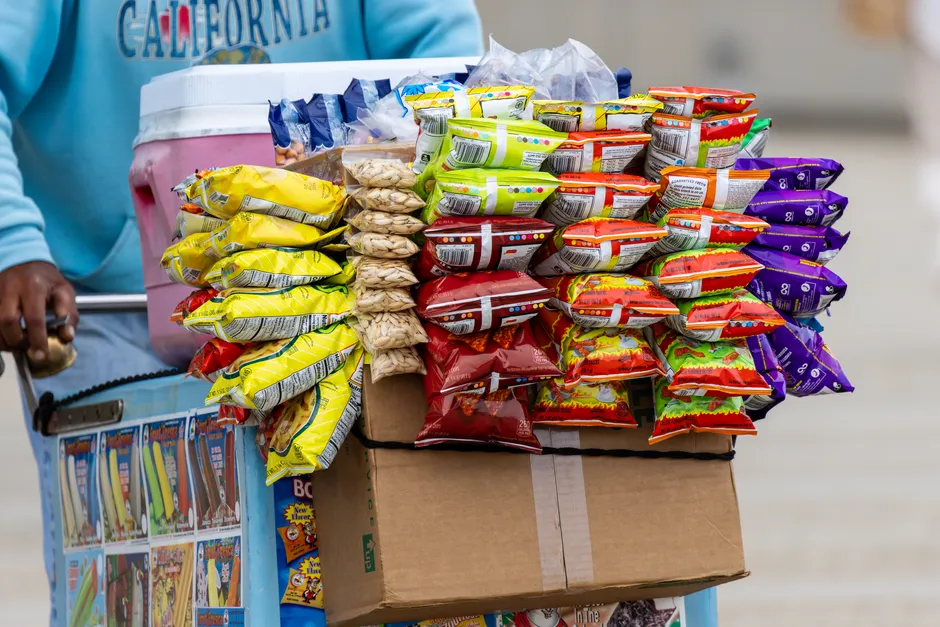
Not every passenger wants the pretzels or cookies handed out during beverage service, and that leaves a small surplus crews don’t always mention out loud. When the cart comes around, you can quietly ask if there’s an extra packet or two, since there are almost always a few leftovers that would otherwise just roll over to the next flight.
Crews say the passengers who ask politely, rather than expecting things to be handed to them unprompted, are the ones who get the extra bag. It’s not written in any manual; it’s just easier to say yes to someone who’s paying attention. The surplus exists on nearly every flight. Most people simply never ask.
Asking Correctly Matters More Than Asking Often
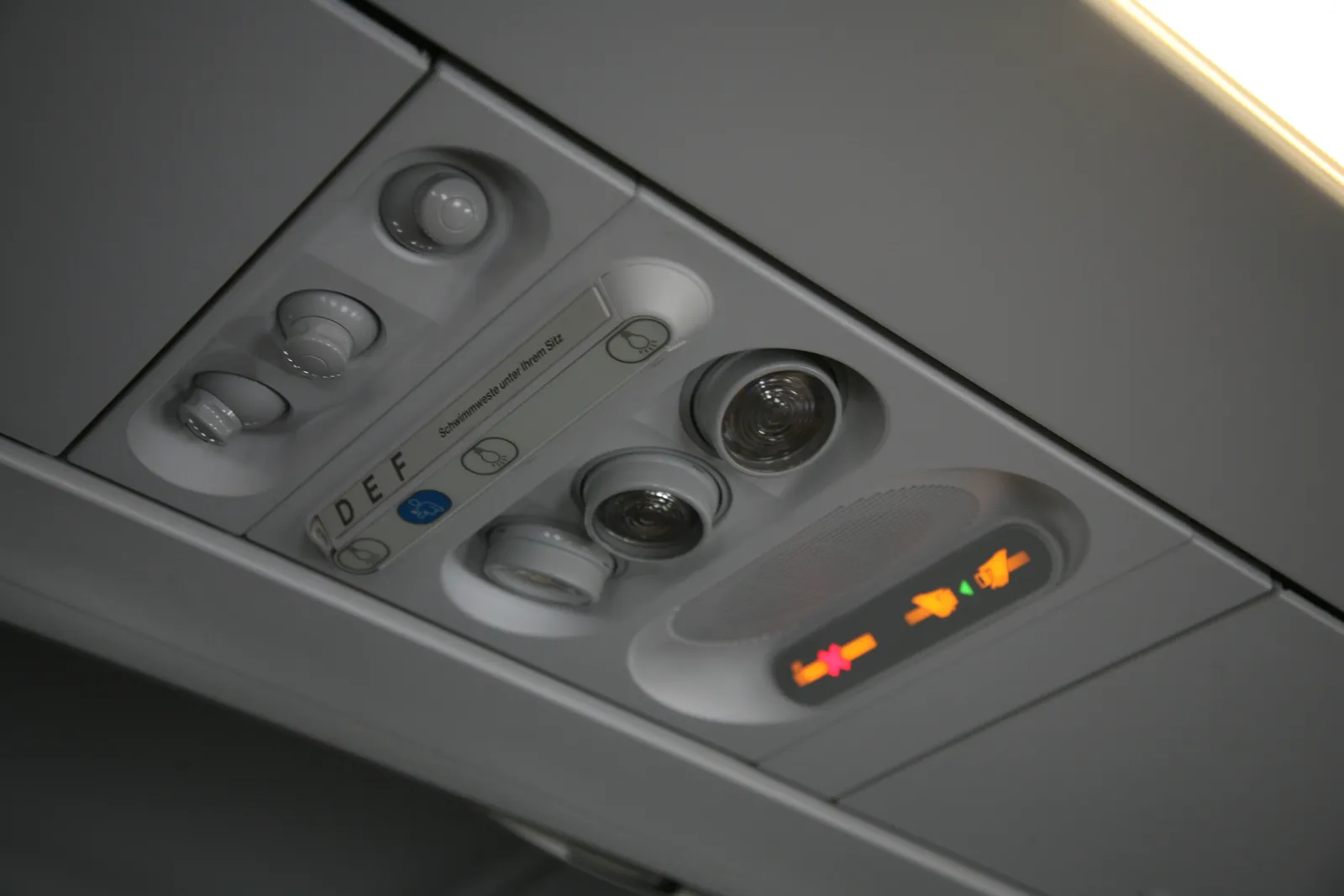
Flight attendants say that one thing they would never do as a passenger is ring the call light button unless it’s an emergency. Most people think that button is for extra drinks and snacks. In reality, call lights should be saved for emergencies.
Flight attendants frequently come through the cabin to do safety checks, so if you need another drink or snack, you can ask then. Or if the seat belt light is off, you’re welcome to go to the galley to make a request. The approach matters. Walking back calmly and asking with a smile lands very differently from jabbing the call button from seat 34B.
The “Snack Fairy” Phenomenon Is Very Real
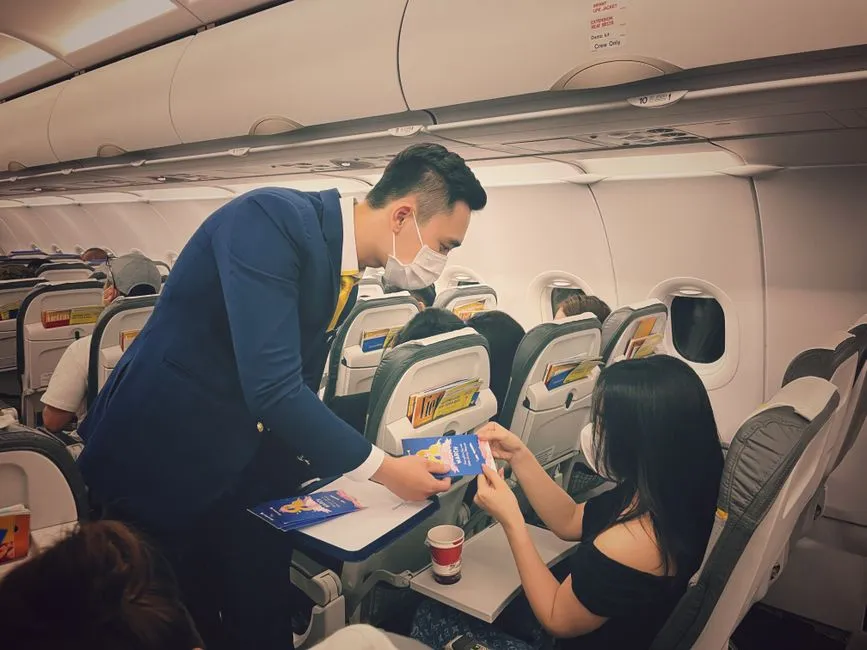
When a couple took a flight on a plane with a broken amenity and one of them repaired it, they received Oreos, pistachios, and a handful of other snacks in return. The flight attendant was so grateful that he kept returning to drop off snacks throughout the entire flight.
It resulted in the flight attendant giving the pair a wave of snacks throughout their time onboard. The man fixed the toilet paper holder in the bathroom, and the flight attendant was so overjoyed that every time he walked by, he would sprinkle snacks on his tray table. Small acts of consideration, it turns out, can snowball into something genuinely memorable.
What Goody Bags Actually Accomplish
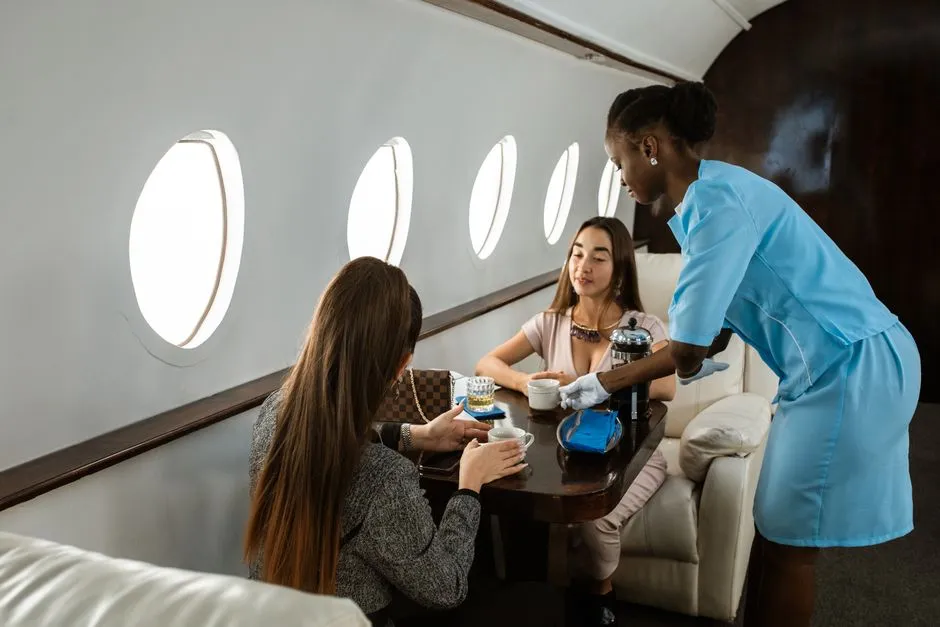
Charity Moore, a flight attendant with 11 years of experience, said in a TikTok video that passengers can make their flight attendants “obsessed” with them by bringing them small treats or goody bags. Bringing small treats for flight attendants has become a trend in recent years, with travelers and cabin crew members both sharing social media posts about the gift-giving.
Although flight attendants can accept gifts, it should be noted that it is against airline policies to accept bribes of any kind, which means that people cannot expect a seat upgrade or extra snacks in return. Moore put it simply: “Nothing is expected, but everything is appreciated.” The gesture works best when it’s genuine rather than transactional.
Flight attendants have also cleared up a popular myth: handing out goodie bags won’t land you a free upgrade. “We don’t have that power,” one said. Know the difference between appreciation and expectation before you reach into your carry-on.
How Airlines Decide What Goes in the Galley in the First Place
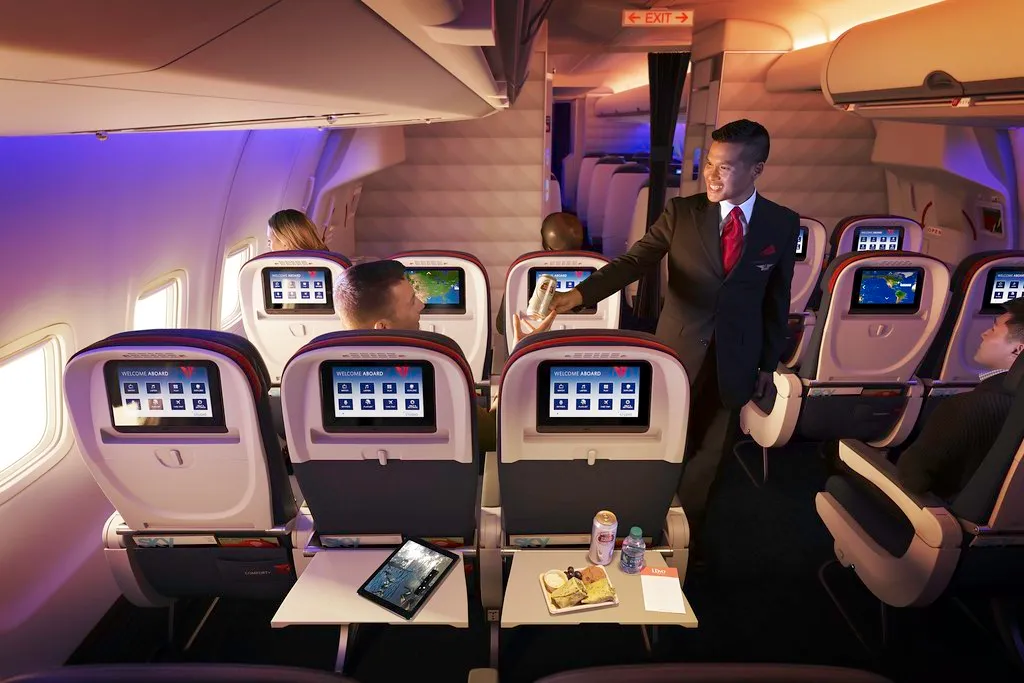
Tiffanie Johnson, a flight attendant with United Airlines, told Travel + Leisure that when the airline is rolling out a prospective new snack, the flight crew often gets first dibs on it. Their opinion may be taken into consideration by the food and beverage team, but the customer’s opinion matters more.
Flight attendants often get a first look at the contenders and test for flavor, texture, and practicality, because a snack that crumbles everywhere or melts too fast is a problem at 35,000 feet. Customer feedback is essential in helping most airlines decide which in-flight offerings to introduce, continue, or remove. The snack in that little packet is the result of more deliberation than most travelers imagine.
The Quiet Power of Saying Hello at the Door
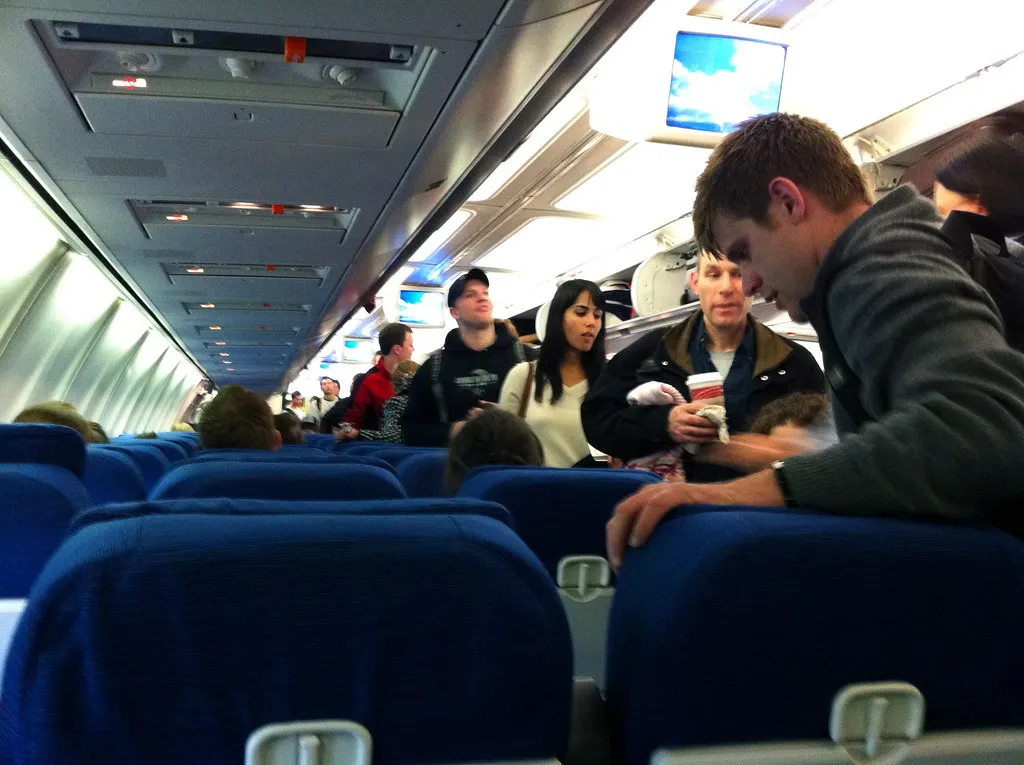
Being polite to the flight crew greeting you at the door goes a long way. Etiquette expert Diane Gottsman, owner of The Protocol School of Texas, notes it goes a long way when you’re pleasant to the first person you see on the plane.
Andrew Henderson, a flight attendant with 22 years of experience, seconds that notion. A simple “hello” or “thank you” or acknowledgment of the crew’s existence is polite. He notes that this kind of etiquette is being lost these days with all the noise-canceling headphones and devices. We’re all so busy that we forget that humans exist in the world.
The Biscoff Story That Captured the Internet
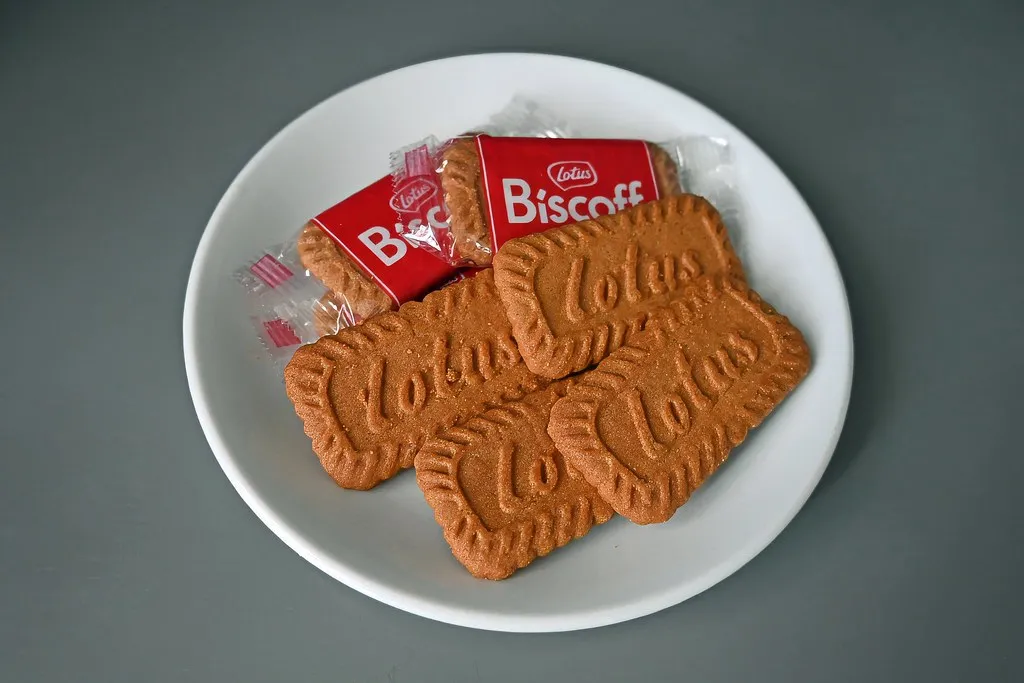
One story that circulated widely involved a passenger who noticed their seatmate wasn’t eating the little packet of Biscoff cookies the flight attendant had handed him. Instead, he kept fiddling with it, leaving the observer curious about why the man was holding on to the cookies.
The man laughed and explained he just had a reason for saving them. Every time he traveled, he took the cookies home to his son. The packet came with two cookies, so when he got home, he and his son would each have one. It was their little tradition. The observer quietly flagged down the flight attendant and asked for a second packet, handing it over so father and son could each have their own pack that night.
The Takeaway
The snack in the galley that crews set aside for kind passengers isn’t always the same item. Sometimes it’s a second packet of Biscoff. Sometimes it’s a full can of soda, a bag of Sun Chips, or a handful of Oreos from a well-stocked flight. Crews deal with rude and sometimes overtly hostile passengers constantly, so genuine kindness stands out immediately.
What all the accounts have in common is the trigger: not a status level, not a business class ticket, but simple human decency. A greeting at the door. A patient tone when the cart is delayed. A “thank you” that sounds like it means something. These are the real prerequisites for whatever the galley has to offer.
The flight experience, for most passengers, starts and ends with the seat. For crew, it’s something much longer and more demanding. Treating that difference with a little awareness tends to come back around in ways that rarely show up in the airline’s loyalty program, but feel much better at 35,000 feet.
AI Disclaimer: This article was created with the assistance of AI tools and reviewed by a human editor.