

Choosing wine for a first-class cabin is nothing like browsing a restaurant’s wine cellar. The scale is enormous, the constraints are unusual, and the stakes are higher than most passengers ever realize. Airlines in 2025 and 2026 are spending serious money on this process, and the people behind it are some of the world’s most credentialed wine professionals.
What gets poured at 35,000 feet is the result of months of blind tastings, scientific analysis, producer negotiations, and careful attention to how altitude rewires the human palate. The journey from vineyard to first-class tray table is far more deliberate than it looks.
The Sommelier Behind the List Is Often a World-Class Expert
Air France’s head sommelier Xavier Thuizat, who holds the titles of Best Sommelier of France 2022, Meilleur Ouvrier de France 2023, and Michelin Guide sommelier award winner 2024, curates a list that runs from premium Champagnes to white Burgundies and Bordeaux reds, finished with French digestifs like Cognac, Calvados, and Armagnac. That is not a ceremonial role. It is a working brief that shapes what millions of passengers actually drink.
Anne Krebiehl, a Master of Wine who has worked with Qatar Airways since 2024, is responsible for curating that airline’s wine list. Her role involves more than just picking popular bottles. Each year, she leads blind tastings of over 1,000 different wines, searching for those that are highly sought after and well-suited to the challenges of high-altitude service.
Master Sommelier Andrea Robinson selects wines for Delta Airlines. The pattern is consistent across major carriers: the person building the list carries serious professional credentials, and the selection process is anything but informal.
Thousands of Wines Are Tasted Before a Single Bottle Makes the Cut
Multiple sommeliers join forces and blind taste close to 2,000 wines throughout the course of Qantas Wine Week, eventually honing in on 250 or so bottles. That level of effort makes the final list feel almost like an edited manuscript, not a shopping cart.
For Singapore Airlines, Jeannie Cho Lee MW, author Oz Clarke, and Michael Hill Smith blind-taste 1,000 wines over the course of a year. Doug Frost MW and MS, who works for United, tastes more than 2,000 wines over a month before he winnows down 150 picks for final consideration.
Brussels Airlines selects its in-flight wines once a year in a two-day blind tasting in which about 15 colleagues from across the company, all passionate about wine, volunteer to participate. Under the direction of wine consultant Jan De Clercq, Master of Wine, assisted by two Sommeliers-Conseils, the team samples wines from 15 categories, opening 200 to 250 bottles in total. Each carrier runs its own version of this process, but the volume of bottles assessed is consistently staggering.
Altitude Changes Everything About How Wine Tastes
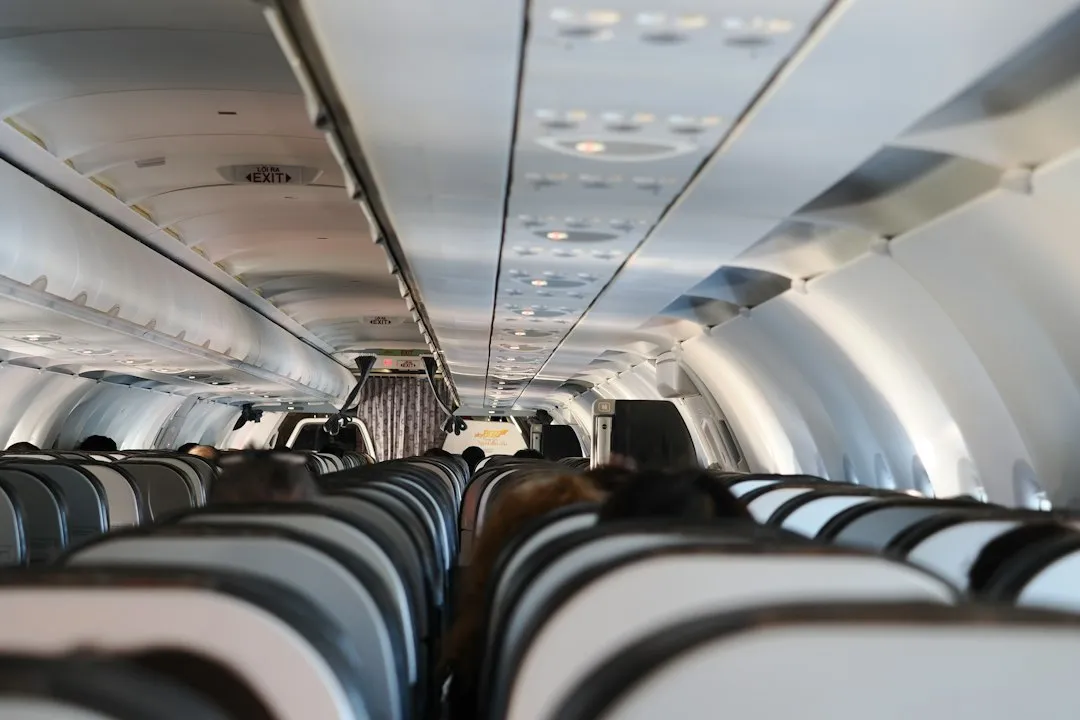
Aircraft cabins are pressurised to the equivalent of around 6,000 to 8,000 feet above sea level, while humidity levels can fall below those found in many deserts. Combined with background noise, fatigue, and dehydration, the result is a tasting environment unlike any other.
Cabin humidity can drop as low as 10 to 20 percent, and this dry environment impacts the mucous membranes in the mouth and nose, reducing the ability to taste and smell. Studies show that sensory changes caused by flying can reduce the ability to taste sweetness and saltiness by up to 30 percent. On the flip side, sour and bitter flavors tend to remain more prominent. This shift in perception can drastically alter the way wine is experienced, sometimes making it taste sharper or overly acidic.
In a pressurised plane cabin, reduced air pressure and lower oxygen can cause a wine’s aroma to dissipate more quickly. In a plane, acid and tannins can really stick out, so airlines tend to pick fruity wines that aren’t too tannic or acidic. This explains a great deal about the style of wines that consistently appear on first-class lists.
The Blind Tasting Is the Foundation of Every Decision
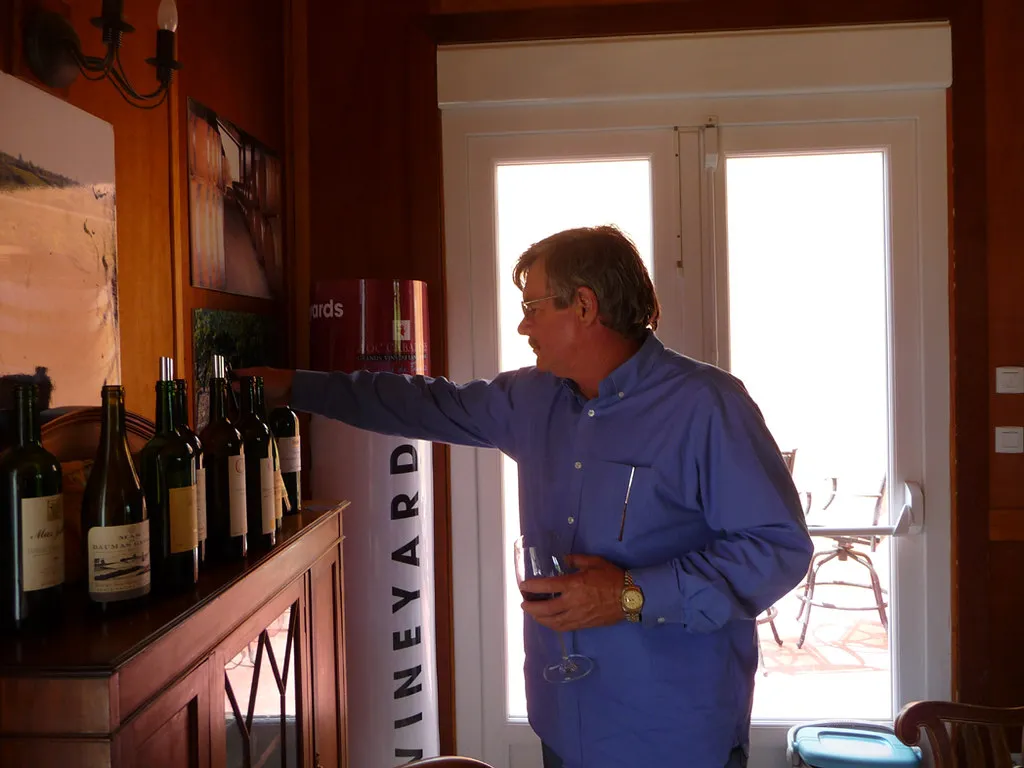
At the Wines on the Wing competition in 2024, seventeen wine professionals evaluated the wines sent in by participating airlines. The airlines sent both their wine lists based on class of service and the corresponding bottles to be judged. All wines were served, tasted, and judged blind: judges were told only the category of wines being served, such as Champagne or California Cabernet.
Singapore Airlines blind tastes roughly 1,000 wines twice a year, scores them using the Parker rating system, then assigns them to a relevant cabin class. The scoring gives the process a consistent reference point across a huge volume of bottles, and blind conditions keep the evaluation honest.
Germany’s Lufthansa and a panel vet wines via a 20-point, blind-tasting system. The group lands on wines typically with lower perceived acidity and tannins, and higher residual sweetness, due to changes in customers’ inflight palates. That scoring preference directly reflects the science of what works above the clouds.
Supply and Long-Term Relationships Matter as Much as the Tasting Score
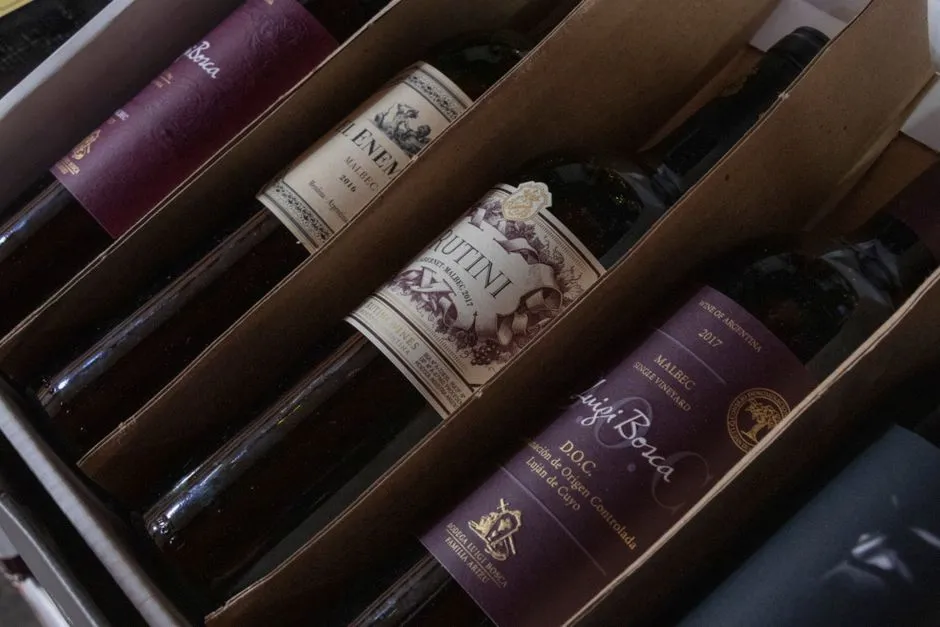
Wines aren’t selected on taste alone. Most programs adhere to strict volume and budget constraints. Airline buyers need suppliers that can provide enough quantity at the right level of quality. The wines must suit the broad preferences of travelers and be commensurate with ticket price.
The panel is instrumental in both acquiring and allocating wines, and when supply is tight, as it always is at both Krug and Charles Heidsieck, decades-old relationships are leveraged to access the best bottles. A wine that scores brilliantly in a tasting but cannot be reliably delivered in sufficient volume simply cannot make the list. Consistency is a hard requirement.
Champagne Holds a Special Place in First-Class Culture

Dom Pérignon flows in Emirates first class, where Emirates is the Champagne house’s leading global partner. That kind of relationship is built over years, not selected from a catalogue, and it signals to passengers before they even board what the experience will feel like.
Over a million bottles of Champagne are served to Air France customers every year, making Champagne selections an integral part of the programme’s priorities. Sparkling wine actually fares better at altitude because the carbonation helps lift aromas toward the nose, compensating for the muted smell. That physiological fact goes a long way toward explaining why Champagne remains the default first-class opening act.
Route and Destination Shape the Wine List More Than People Realize
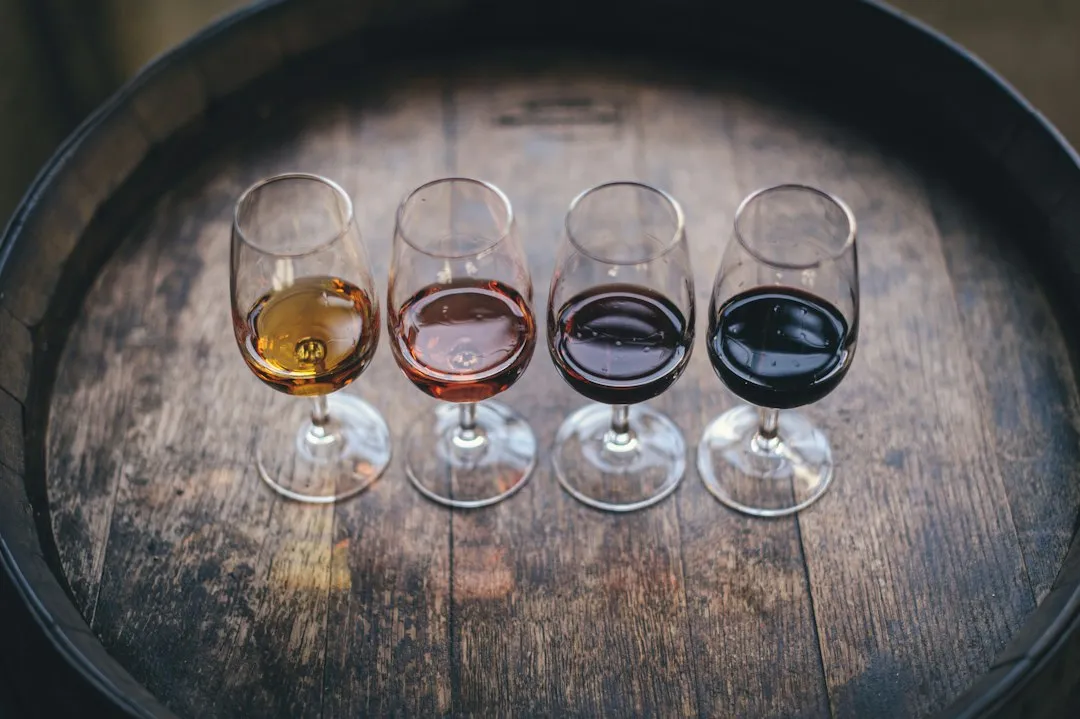
Emirates offers close to 100 wines from top vineyards in Old and New World wine regions across a dozen countries. Selections are chosen depending on the route in order to provide passengers with a taste of their destination. A flight to Tokyo might pour differently than one heading into Buenos Aires or Cape Town.
Airlines try to choose a balanced mix between Old and New World wines, and between popular, familiar styles and more up-and-coming trends. Other factors considered include the seasons and ensuring a mix between lighter and heavier styles to suit all palates. The list is not static; it rotates to keep pace with both the calendar and changing passenger demographics.
Air France’s wine list is renewed three times a year, and its premium offerings are ever more ambitious. That cadence of renewal requires constant sourcing and evaluation, making the sommelier’s role genuinely year-round.
Cabin Crew Training Completes the Experience
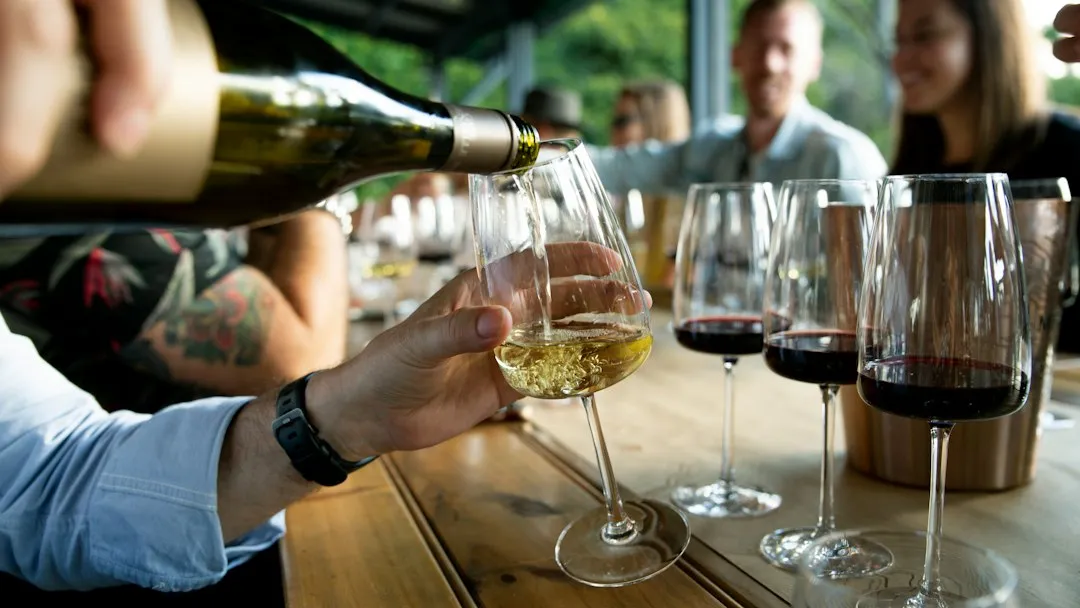
At Singapore Airlines, in-flight air sommeliers are trained following Wine and Spirit Education Trust (WSET) accreditations to serve and recommend food and wine pairings, providing an enriching experience for passengers that goes beyond simply what is in their glass. A great bottle poured by someone who cannot explain it is a missed opportunity.
The training investment is significant. Cabin crew on premium routes are expected to describe wines with genuine confidence, not just read from a card. They need to understand why a particular Burgundy was chosen over another, and how it pairs with the seasonal menu being served at that altitude. This human layer is where the sommelier’s original vision actually reaches the passenger.
Airlines Compete Through Awards and Industry Recognition
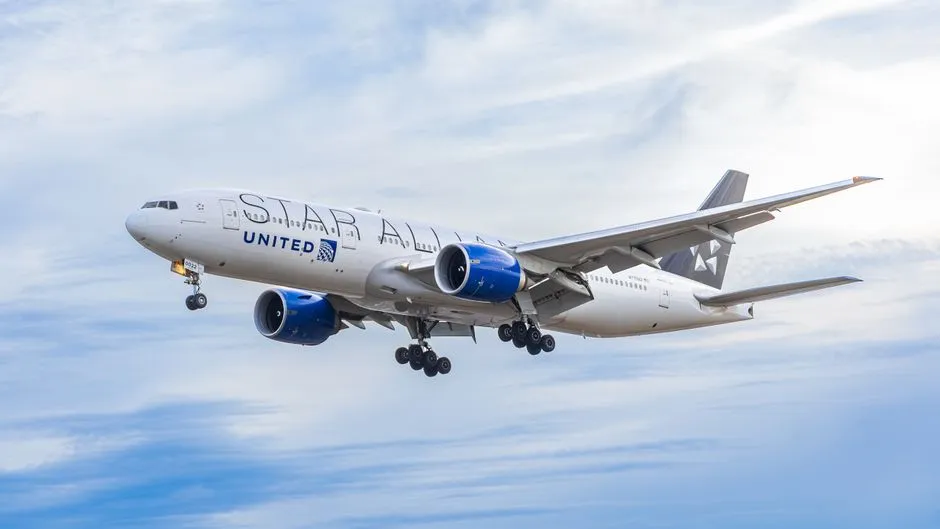
Competitions such as the Cellars in the Sky Awards and Wines on the Wing award the finest airline selections, and they have become meaningful benchmarks for the industry. Winning a category in either competition generates genuine commercial attention and gives airlines a credible signal to use with premium passengers.
Qantas regularly receives multiple accolades at the annual Cellars in the Sky Awards, which proves that the airline is doing something right with its vast selection of Australian wines from both lesser-known and popular regions. For a carrier with a strong national identity, winning on home-grown wine is more than a marketing point. It is a statement of craft.
Prestige Bottles and Long-Term Cellar Investments Are Growing
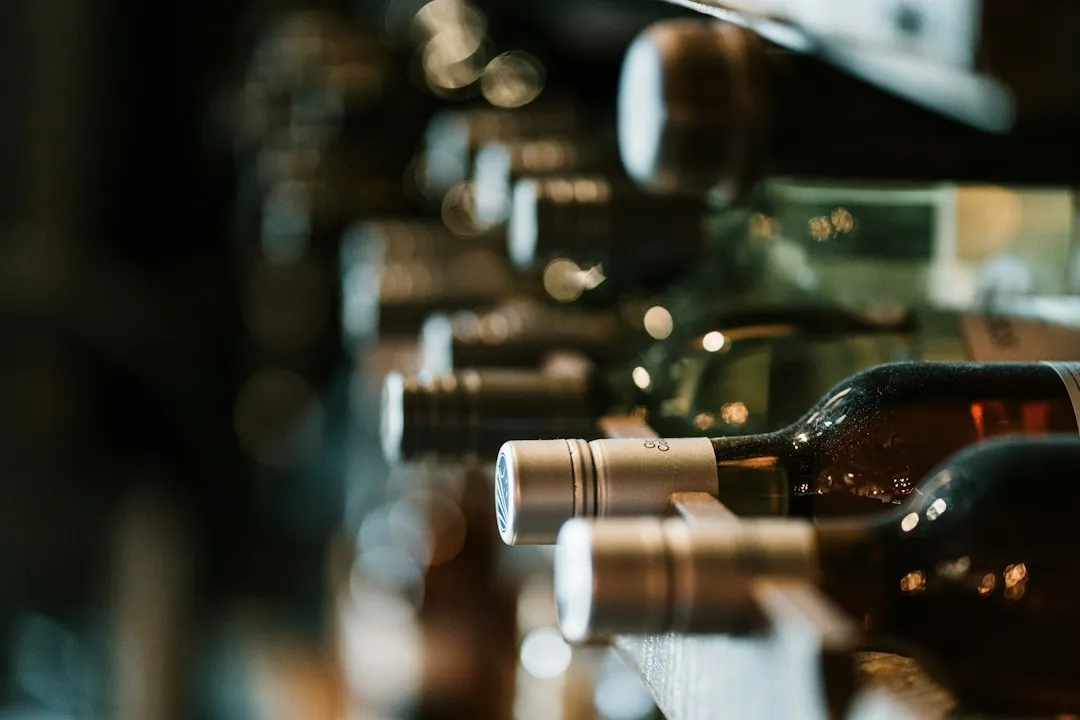
Emirates began investing in long-term wine storage in 2006. Some of those cellar-stored rare wines, part of the Emirates Vintage Collection, will only be poured to first-class passengers in 2027. That kind of forward planning is unusual in hospitality and reflects just how seriously some carriers regard the wine programme as a competitive asset.
ANA’s 82-bottle lineup was curated from a global pool of more than 1,000 submissions. ANA’s wine specialists, in consultation with members of The Connoisseurs, led the selection process. In-flight comfort is no longer enough to sway travellers; wine now factors significantly into the equation as carriers wage a battle to attract passengers to the most lucrative front-row seats.
The Bigger Picture: Wine as a Competitive Strategy
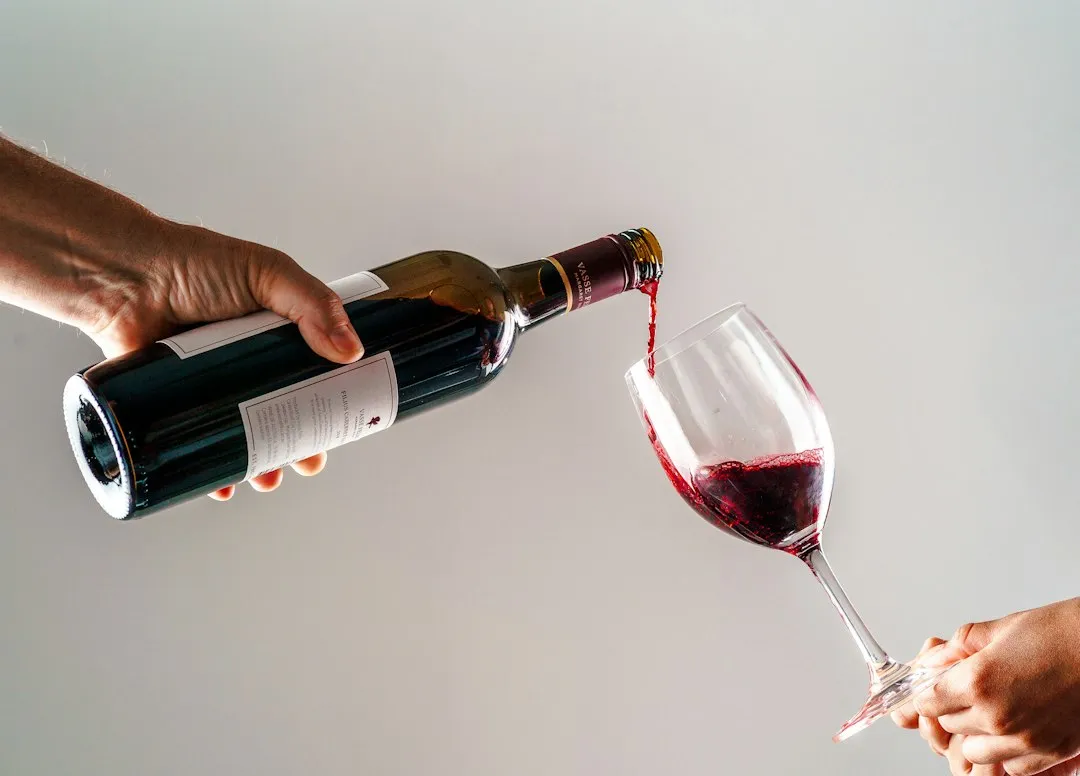
Over the past decade, the caliber of wine served in the skies has soared. Leading carriers now collaborate with world-renowned sommeliers and Masters of Wine, who rigorously taste and evaluate selections in simulated cabin conditions. Top-tier first-class airlines are committed to ensuring that every bottle poured at altitude delivers its full character and complexity.
Today’s luxury travelers are more knowledgeable and selective about wine than ever, prompting airlines to source rare vintages and boutique labels that match the sophistication of their clientele. That shift in passenger expectations has turned the wine list from an afterthought into a genuine differentiator, one that frequent travelers now actively consult before choosing a carrier.
The whole system, from a Master of Wine tasting thousands of bottles in a controlled room to a cabin crew member explaining a chosen Meursault somewhere over the Atlantic, is a quietly remarkable piece of hospitality engineering. The wine in your first-class glass carries far more thought than the pour time suggests.
AI Disclaimer: This article was created with the assistance of AI tools and reviewed by a human editor.