
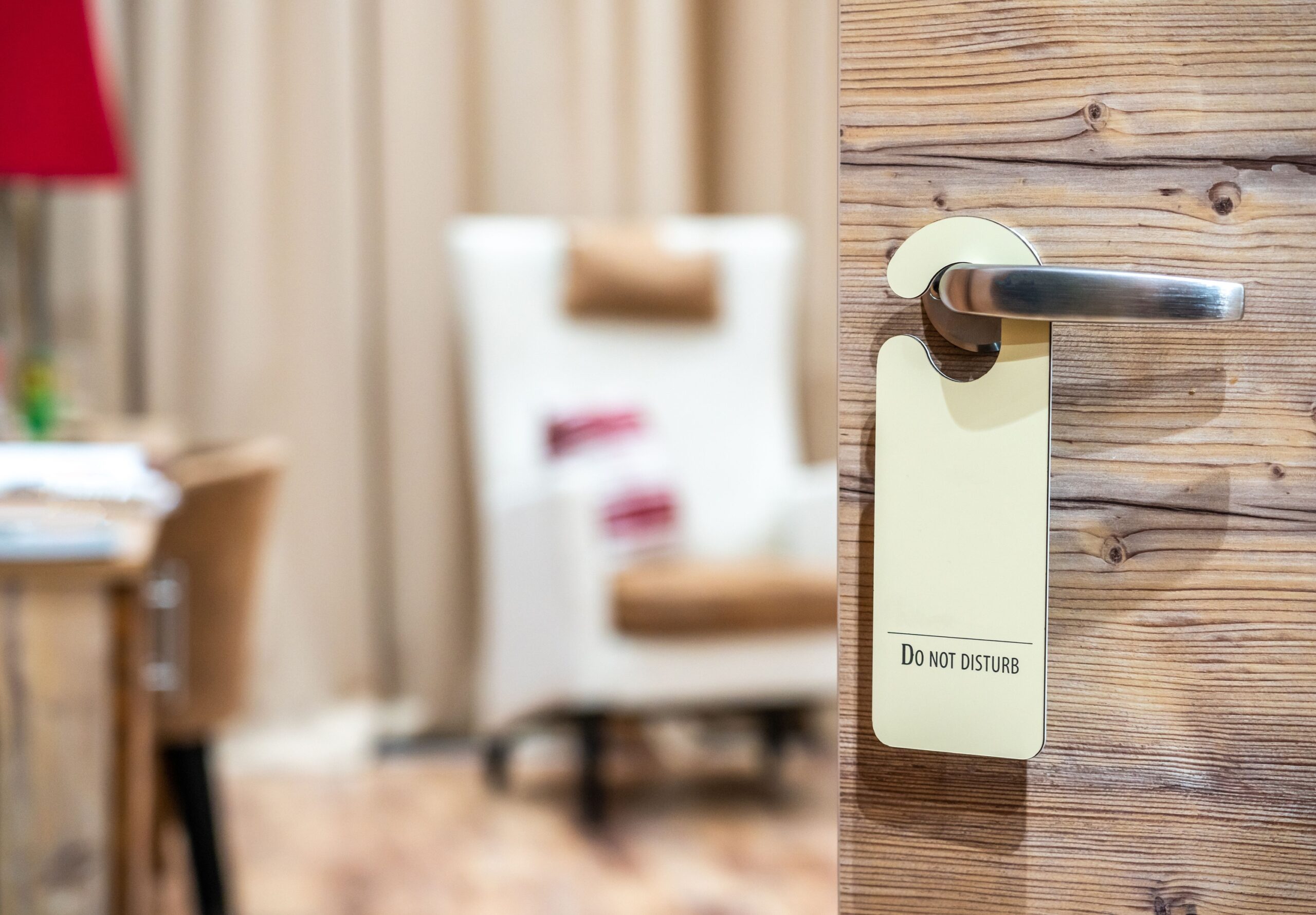

That small plastic sign hanging from a hotel door handle carries more weight than most guests realize. It signals privacy, sure. But when it stays up for days on end, a quiet chain of protocols, safety checks, and real physical consequences gets set in motion behind the scenes.
People who work in hotel housekeeping see it regularly: the guest who checks in Sunday evening and the DND sign never comes down until checkout Friday. What happens during that window is genuinely more complicated than most travelers would expect.
The Room Doesn’t Just Sit There Untouched
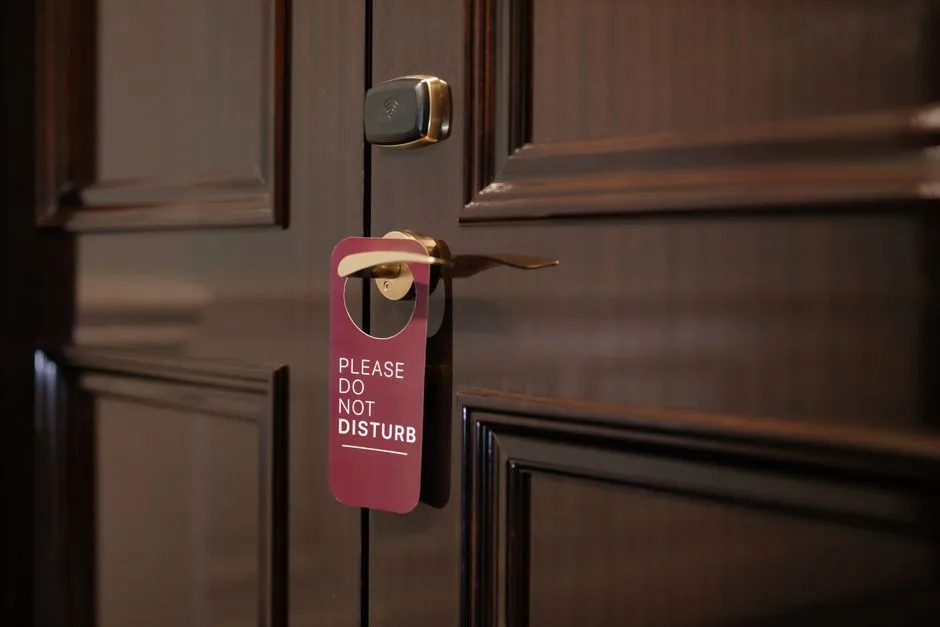
The DND sign is a signal from the guest requesting privacy or a break from hotel staff. It indicates that the guest does not wish to be disturbed by housekeeping, maintenance, or other hotel personnel unless it is an emergency. That sounds simple enough. The reality is that staff are still watching the room from the outside, logging attempts, and noting how long the sign has been active.
If the DND status persists for an extended period, housekeeping logs the time and date of each attempt to service the room. That documentation matters both operationally and legally. Hotels carry more responsibility than guests often realize, even when a door stays closed.
A Welfare Check Becomes Very Likely

Most major hotel brands require a welfare check after 24 to 48 hours of continuous DND status. This isn’t a housekeeper being nosy. It’s a formalized process with real stakes on both sides of the door. The threshold varies by brand, but it kicks in faster than most guests would guess.
Guests who have a DND sign active for an extended period, typically 24 to 48 hours, will likely receive a wellness check to ensure they are safe. A prolonged DND could indicate a medical emergency, incapacitation, or something more concerning. Staff are trained specifically to recognize when silence stops being a preference and starts being a warning sign.
Major Hotel Brands Now Have Hard Thresholds

Brand-specific standards vary: Wynn Resorts investigates any DND sign active for more than 12 consecutive hours; MGM Resorts mandates welfare checks after two consecutive days of DND with no staff interaction. These aren’t loose guidelines. They’re written policies enforced across every property under those brands.
Caesars joins Disney, Hilton, MGM Resorts International, Wynn Resorts, and Boyd Gaming, all of which have adopted similar policies requiring guest rooms to be checked periodically, even if a DND sign is in use. The frequency of checks ranges from 12 hours to two days. That range is wide, but the direction of travel across the industry is clear: extended DND no longer guarantees complete isolation.
Disney Went Further and Eliminated the Sign Entirely
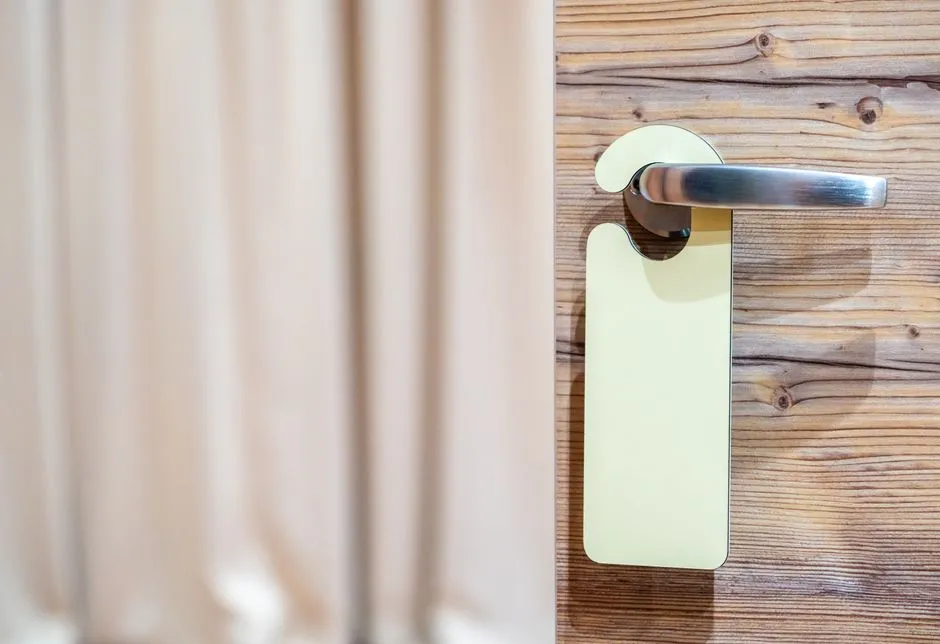
Three Walt Disney World hotels removed the DND signs altogether and replaced them with “Room Occupied” signs. These alert hotel staff that a guest is in the room but do not prevent them from entering. It’s a meaningful shift in how one of the world’s largest hospitality operators thinks about the balance between privacy and duty of care.
The sign accompanies another new policy requiring Disney employees to enter each room at least once a day to ensure “the safety and security of guests and property.” Guests staying at these properties are notified of this at check-in. The policy isn’t hidden, but it does mark a genuine change from what guests have historically expected from a DND request.
The 2017 Las Vegas Shooting Changed Everything
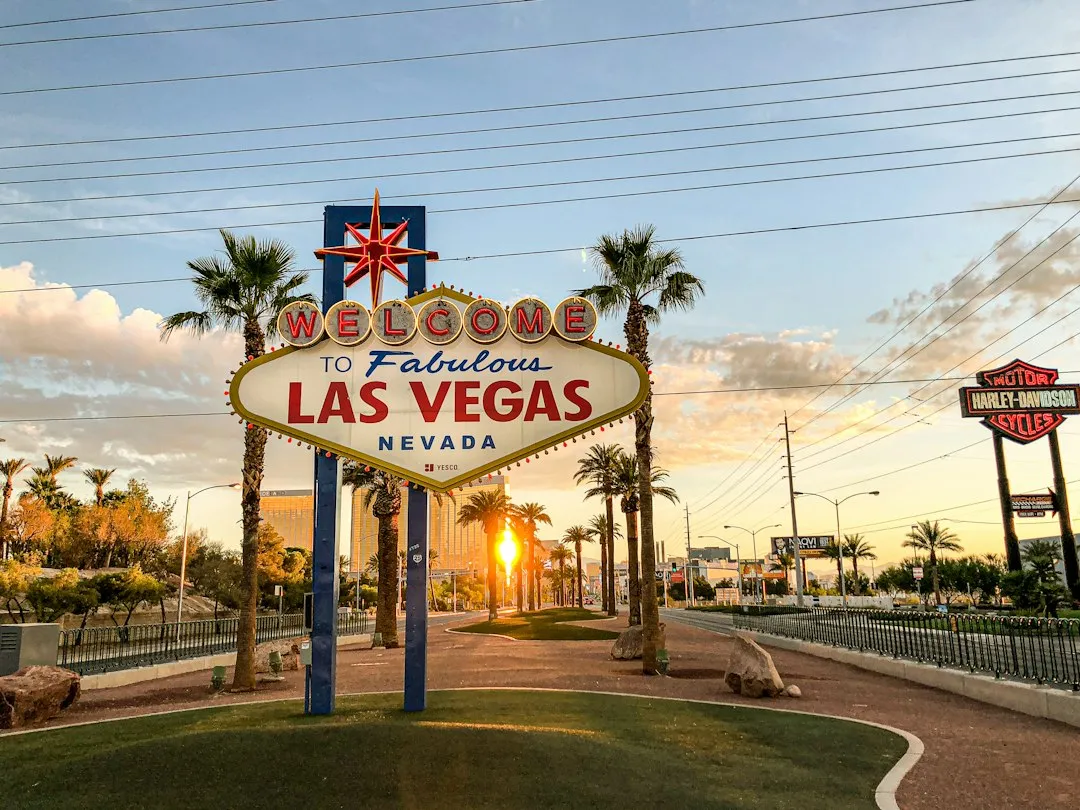
These policies trace directly to the 2017 Las Vegas mass shooting, in which a perpetrator used a DND sign to conceal weapons preparation for several days, an incident that prompted Hilton, Disney, Caesars, and most major brands to overhaul their DND policies entirely. The impact of that event on hotel operating procedure has been lasting and industry-wide.
Some hotels started performing hotel wellness checks after the 2017 Las Vegas shooting, where the gunman had a Do Not Disturb sign on his room for multiple days and used that to stockpile the weapons used in the attack. What was once a simple courtesy has become one of the more scrutinized touchpoints in hotel security training.
The Cleaning Burden Gets Heavier, Not Lighter
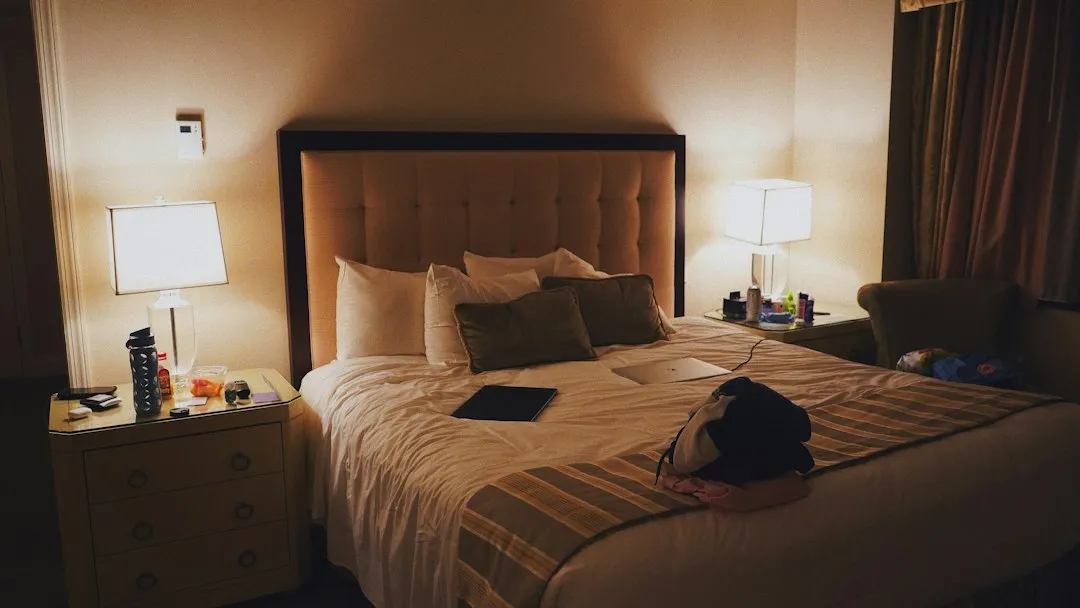
Guests might think leaving the DND sign up makes the job easier, but a room left uncleaned for two or three days becomes very dirty. That buildup forces a rushed, harder clean later. Former housekeepers consistently point this out when asked about long-stay DND rooms. The mess doesn’t disappear; it just compounds.
DND signs should be honored to the extent feasible, but once checkout time passes on the departure date, the guest’s right of privacy ceases and hotel personnel may enter the room. At that point, housekeepers are often walking into a room that hasn’t been touched in five or six days. That’s a very different cleaning challenge than a standard turnover.
Staff Turnover Makes Consistent Enforcement Difficult

Without a defined trigger point, 24 hours means something different to every housekeeper on the floor. One flags it; another assumes a colleague already reported it; a third waits for a supervisor to ask. The result is that the same policy can be applied very differently depending on who is working that shift.
The hospitality industry averaged staff turnover rates above five percent per month in 2024, making it nearly impossible to execute extended DND escalation protocols consistently across every shift using manual processes alone. Many hotels are now exploring software-based housekeeping management tools to close that gap and ensure the log actually gets maintained.
Extended DND Can Become a Security and Legal Concern
The AHLA and the Department of Homeland Security both flag extended DND usage as a potential indicator of illicit activity, including human trafficking. This is why front desk teams and executive housekeepers receive training that covers behavioral signals, not just cleaning schedules. A sign on a door is no longer just a housekeeping note.
When a room refuses service for multiple days, requests excessive linens without allowing entry, or shows unusual foot traffic, it is no longer a housekeeping note. It is an escalation trigger. Hotels carry a legal duty of care to their guests, and that obligation does not pause because a sign is on the door.
Housekeepers Can Slip a Card, but That’s About It
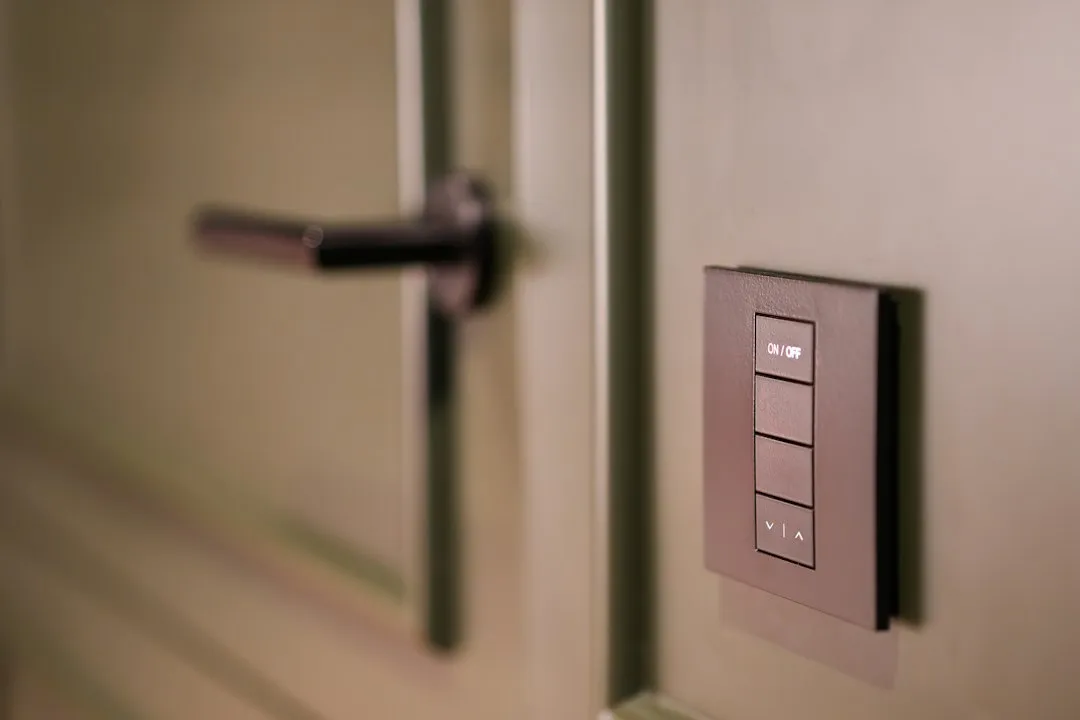
An appropriate card indicating service offered, time, and an extension to call when the guest is ready to receive that service should be slipped under the door. That small gesture is actually the standard first-contact protocol at most properties. It’s low-intrusion, documented, and gives the guest a clear path to request service on their own terms.
If a guest places the DND sign outside their door but later requires services such as fresh towels, toiletries, or food delivery, it is important to follow the hotel’s established protocols for handling such requests. In most cases, a simple phone call or a note slipped under the door can provide the necessary communication. Guests often don’t realize they can request supplies without ever letting anyone into the room.
The Job Losses Behind the Sign Are Real
The end of daily room cleaning in U.S. hotels would eliminate as many as 180,000 jobs held primarily by women of color and create more difficult workloads for housekeepers left to clean dirty rooms after days without disinfection. That figure comes from a UNITE HERE labor report examining the push by major brands to move away from daily service as a standard offering.
A McKinsey poll showed less than ten percent of U.S. customers preferred to avoid daily room cleaning. Yet major companies including Hilton and Marriott moved to eliminate it as the standard in their hotels. Housekeepers are now fighting to restore daily room cleaning, a key source of jobs and an important protection against overwork. When guests use the DND sign all week without requesting any service, it contributes to a pattern that has real employment consequences for some of the hospitality industry’s most vulnerable workers.
What the Sign Actually Means in Practice Today
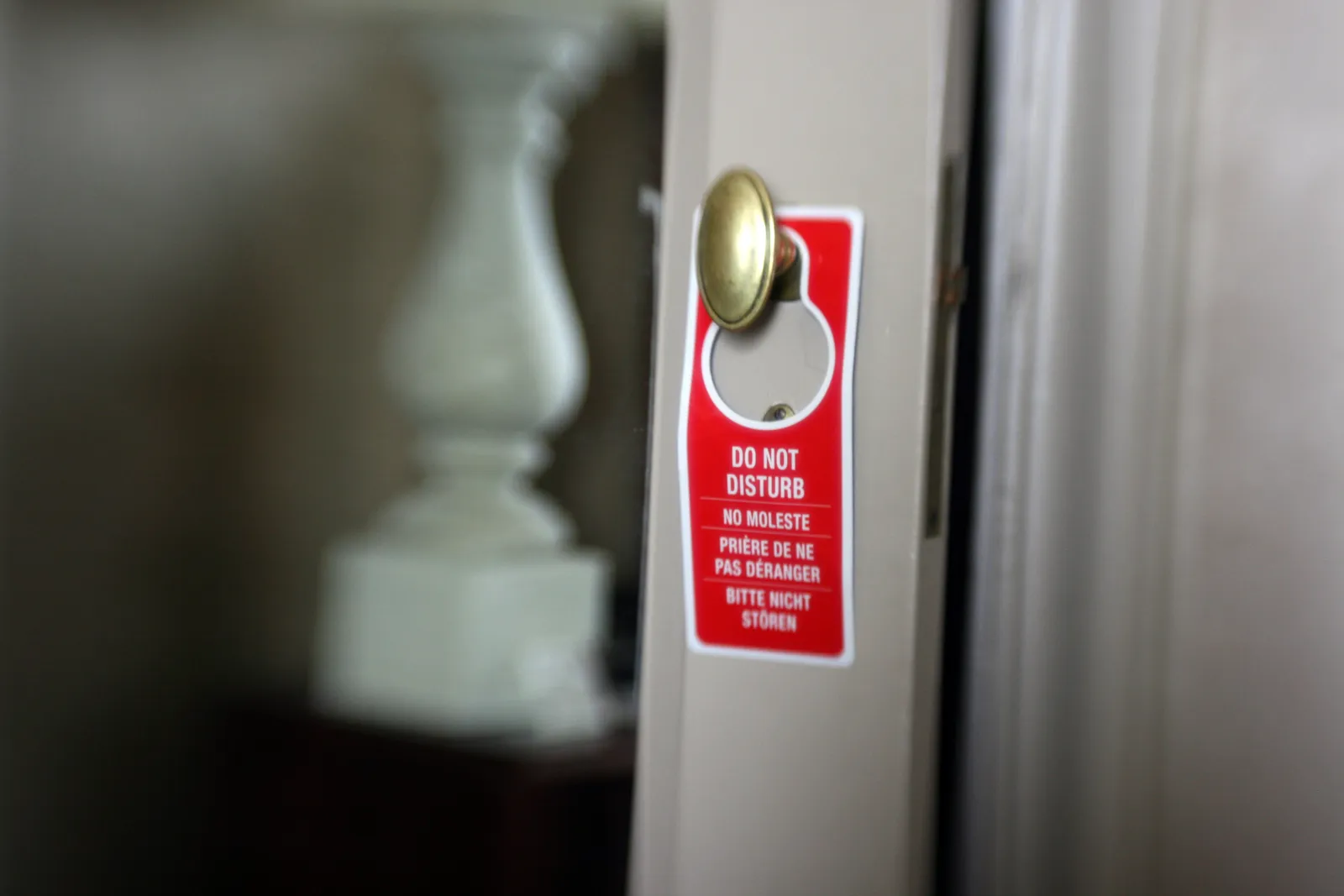
The DND sign hasn’t lost its meaning, but it has gained new layers since 2017. It still communicates a genuine privacy preference, and good hotels still honor that. What’s changed is that “honor” now comes with a timestamp, a log entry, and in many cases a phone call or security knock after 24 to 48 hours.
An extended DND status that goes untracked and unescalated can become evidence of negligence if something goes wrong inside that room. That’s the framing hotels now operate within. The sign is a request, not a guarantee, and the industry has quietly but firmly shifted its policies to reflect that distinction.
For guests, the practical takeaway is straightforward: brief windows where the sign comes down, even just long enough for a quick freshen-up or a towel exchange, make the experience better for everyone involved. The housekeeper’s job is easier, the room stays healthier, and the stay doesn’t trigger a welfare check knock at an inconvenient hour. Small adjustments, real difference.
AI Disclaimer: This article was created with the assistance of AI tools and reviewed by a human editor.