


You’ve probably done it a hundred times without giving it a second thought. You step out of your hotel room, hands full of coffee or luggage, and within a few seconds the door swings shut behind you. No effort required. It just… closes. This isn’t a convenience feature dreamed up by designers. It’s a deeply considered system rooted in law, physics, and genuine life-safety engineering.
The mechanics behind that automatic close touch on fire science, building codes, accessibility law, and even energy economics. Once you understand why that door moves on its own, you’ll never look at a hotel hallway the same way again.
It’s the Law, Not a Design Choice
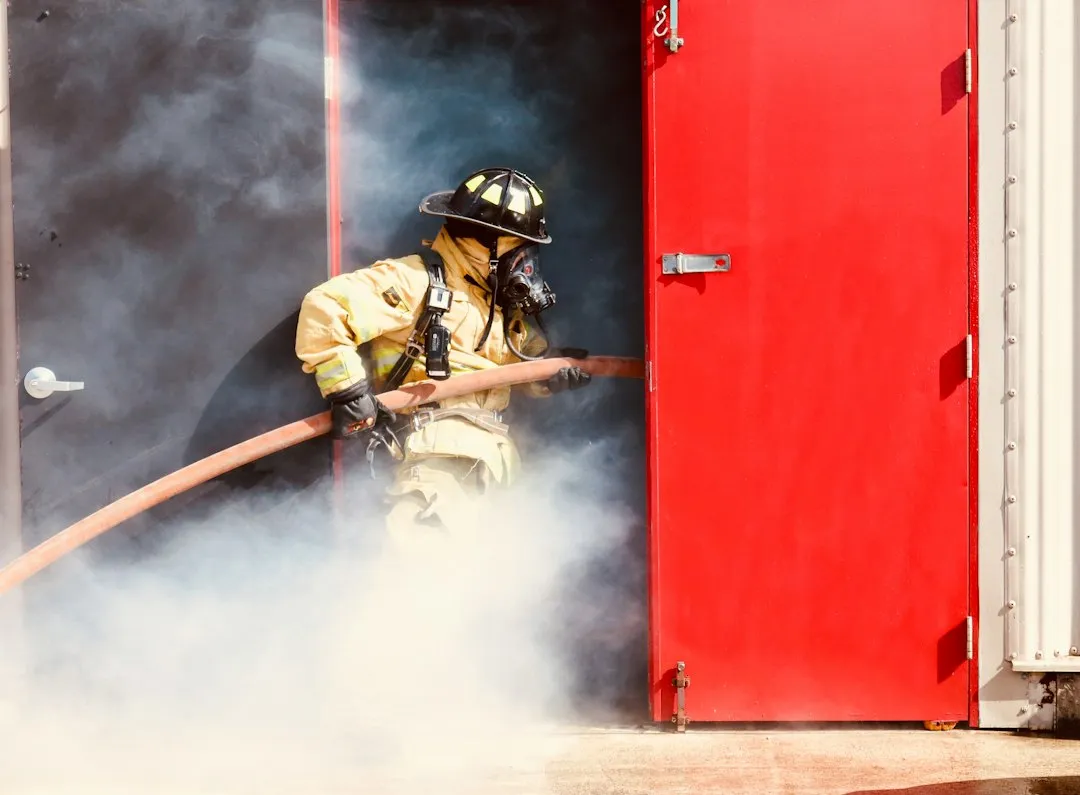
Hotel room doors are required to be self-closing for three core reasons: fire safety, energy efficiency, and security. From a code standpoint, most commercial building codes, including NFPA 80 and local fire ordinances, mandate that hotel guest room doors opening onto corridors must be self-closing and fire-rated.
Fire doors are strictly required to be self-closing or automatic-closing according to NFPA 80 and the International Building Code (IBC). These aren’t advisory guidelines. They carry the full weight of local enforcement, and a property that fails inspection on this point faces real consequences.
If a door fails to close and latch, it is a significant safety risk. It can also lead to fines from the city.
What NFPA 80 Actually Requires
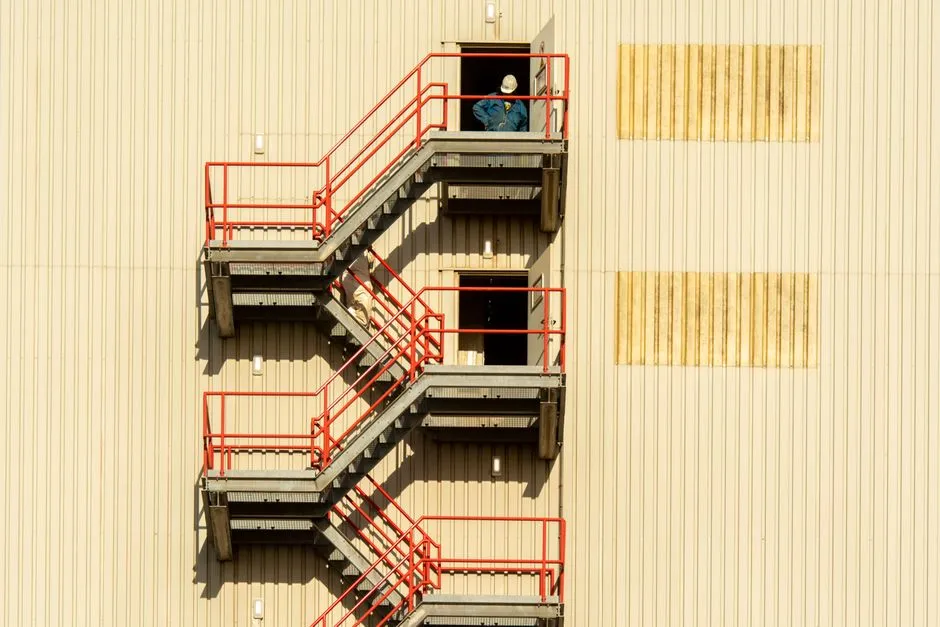
NFPA 80, Standard for Fire Doors and Other Opening Protectives, establishes the requirements for the installation, inspection, testing, and maintenance of fire door assemblies in commercial and institutional buildings.
NFPA 80 requires that all swinging fire doors be both self-closing and self-latching. These two requirements are among the most common points of failure found during annual inspections. This says something important: even when a hotel follows the rules, keeping those closers functioning year after year takes consistent effort.
NFPA 80 requires fire doors to be self-closing, properly latched, free of gaps exceeding 3/4 inch at the bottom and 1/8 inch on other sides, and inspected against a 13-point checklist to ensure they effectively contain fire and smoke.
The Fire Containment Science Behind the Close
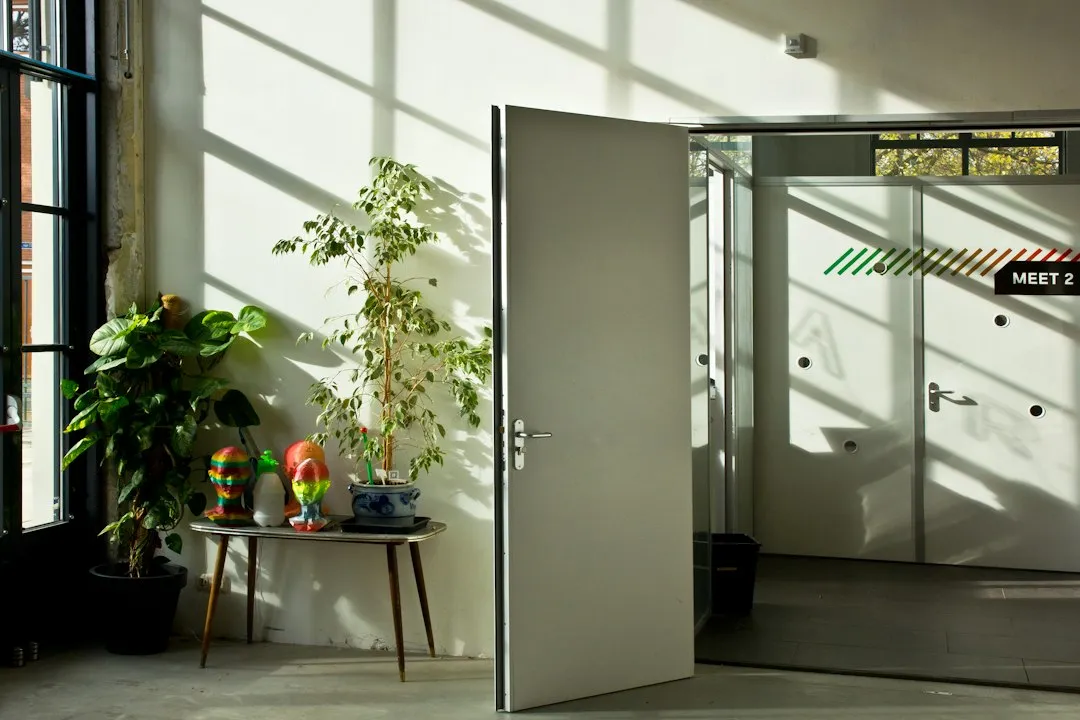
The purpose of fire doors is to contain fire in a room, preventing the spread of fire and smoke throughout the hotel if a fire breaks out. By providing time to evacuate, these doors can save lives and minimize hotel damage.
Fire doors are typically equipped with self-closing hinges or devices, which ensure the door automatically closes when it is opened. This is crucial because it ensures the door remains shut during a fire, preventing flames and smoke from escaping. If the door stays open, fire and smoke can spread rapidly, endangering people in other parts of the hotel.
A fire door left open even a few inches fails to contain fire, smoke, and toxic fumes effectively. That small gap is the difference between a controlled emergency and a catastrophic one.
How the Mechanism Actually Works
Door closers work by using a hydraulic mechanism to store energy when you open the door. When you close it, this energy gets released, causing the door to slow down. The hydraulic fluid inside the closer regulates the speed of that release, which is why doors don’t slam.
A fire-rated door closer system is usually installed at the top of the door or within the hinge mechanism. It controls speed and force, so the door closes smoothly but securely every time.
NFPA requires that a fire-rated door be self-closing, meaning it must return to a fully latched position when released from any open angle. This sounds simple, but many traditional closers struggle at low opening angles. That’s precisely why commercial-grade hydraulic hardware matters more than it might appear.
Fire Ratings: What Those Numbers Mean

Hotel doors must have a fire-resistance rating, signifying their ability to endure fire for a minimum amount of time when properly installed. Hotel fire doors can be FD30 (30-minute protection), FD60 (60-minute protection) or higher.
Guest room doors may require a lower rating than doors protecting stairwells, plant rooms, or high-risk service areas. The rating assigned to each door reflects the specific risk level of its location within the building’s fire compartmentalization plan.
A 45-minute fire protection rating is the standard for 1-hour corridor walls and room separations in most occupancy types. This tiered system ensures that each part of the building has an appropriate level of protection without over-engineering lower-risk areas.
The ADA Factor: Slow Down to Be Safe

Door closers are imperative for meeting the standards outlined in the Americans with Disabilities Act (ADA), which ensures a building is accessible for all individuals. For those with disabilities or mobility restrictions to get through a door, the closer needs to be slow enough to prevent the door from slamming into the individual.
ADA compliance for door closers requires 5 lbs of opening force for interior doors and at least 5 seconds for the door to close from 90 degrees to 12 degrees. These specifications exist specifically so that guests using wheelchairs, walkers, or mobility aids can pass through safely without the door catching them.
ADA door hardware must allow one-hand use and under 5 lbs of opening force. It’s a careful balance: the door must close reliably for fire safety while not closing so forcefully or quickly that it becomes a hazard for guests with limited mobility.
Energy Efficiency: The Hidden Financial Reason

In conditioned buildings, closers help reduce air leakage, loss of cooling, loss of heating, and unwanted pressure imbalance between rooms. For a hotel running climate control across hundreds of rooms, that adds up fast.
Doors left open due to closer failure couldn’t be sold, costing up to $350 per room per night, and heating or cooling escaping through open doors compounded operational costs further. A malfunctioning closer isn’t just a safety issue. It’s a direct drain on profitability.
Energy-efficient designs with thermal breaks and weather stripping help maintain indoor climate and reduce HVAC costs. The self-closing mechanism is one piece of a broader strategy hotels use to manage energy expenditure at scale.
Privacy, Security, and Guest Peace of Mind

Hotel doors are engineered to be self-closing because they are heavy, fire-rated doors primed for the safety and security of the hotel guests. This enables the property to remain compliant with all applicable fire and building codes.
In offices, hotels, and service corridors, auto door closers help prevent doors being left open unintentionally, unauthorized access, and loss of privacy in restricted areas. A guest who forgets to pull their door shut is protected by the closer doing it automatically.
Without a door closer, doors would constantly swing open, potentially damaging the door, the door frame, or even people. The closer isn’t just a passive device. It’s actively managing the physics of a heavy, frequently used door in a high-traffic environment.
Noise Control Is a Deliberate Engineering Goal
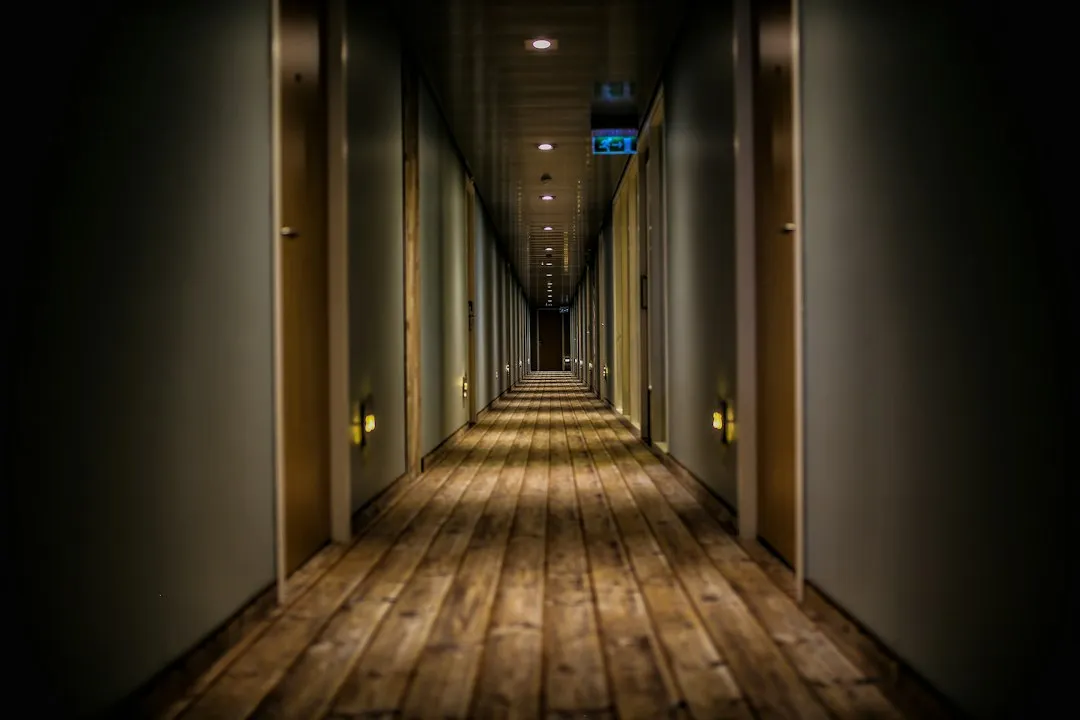
Hotel corridors require heavy fire doors to prevent smoke spread. However, slamming doors cause significant noise disruptions for hotel guests. The physical damage plus guest dissatisfaction can cause a financial loss for the business. Having properly installed hotel door closers can solve these issues.
A door closer utilizes specialized hydraulic mechanics that keeps door noise low. This ensures guests have a quiet stay while the building remains safety-compliant.
Hardware must latch securely without creating a loud physical impact. Engineers design the closing speed and latch engagement to minimize that final click while still meeting the fire and safety codes. It’s a narrower target than you might expect.
Annual Inspections Keep the System Honest

A fire-rated door with a self-closer automatically shuts after each use, ensuring the door is always closed and ready to stop the spread of smoke and fire. However, in hotels, staff sometimes block doors open for convenience using wedges or magnets. This is one of the most common compliance violations inspectors encounter.
A fire door should never be wedged open and should always be equipped with a self-closing mechanism. Inspectors look for this specifically during walkthroughs, and a propped-open fire door is treated as a serious deficiency under most codes.
Inspectors test that the self-closing device fully closes the active door from the full-open position. Modern hardware solutions have dramatically reduced the maintenance burden: at the Omni Nashville Hotel, replacing spring hinges across more than 800 guest room doors reduced door-related maintenance to just 5 minor adjustments in a full year.
The Takeaway

That quiet, reliable swing of a hotel room door closing behind you represents decades of fire science, legal refinement, accessibility advocacy, and engineering precision working together in a single piece of hardware. It’s easy to overlook precisely because it works so well.
Auto door closers are essential hardware solutions for hotels because they improve safety, accessibility, convenience, energy control, and long-term door performance. Few objects in a hotel room carry as much quiet responsibility. The next time you hear that familiar latch click, it’s worth a moment’s appreciation for how much thought went into something that asks nothing of you at all.
AI Disclaimer: This article was created with the assistance of AI tools and reviewed by a human editor.