
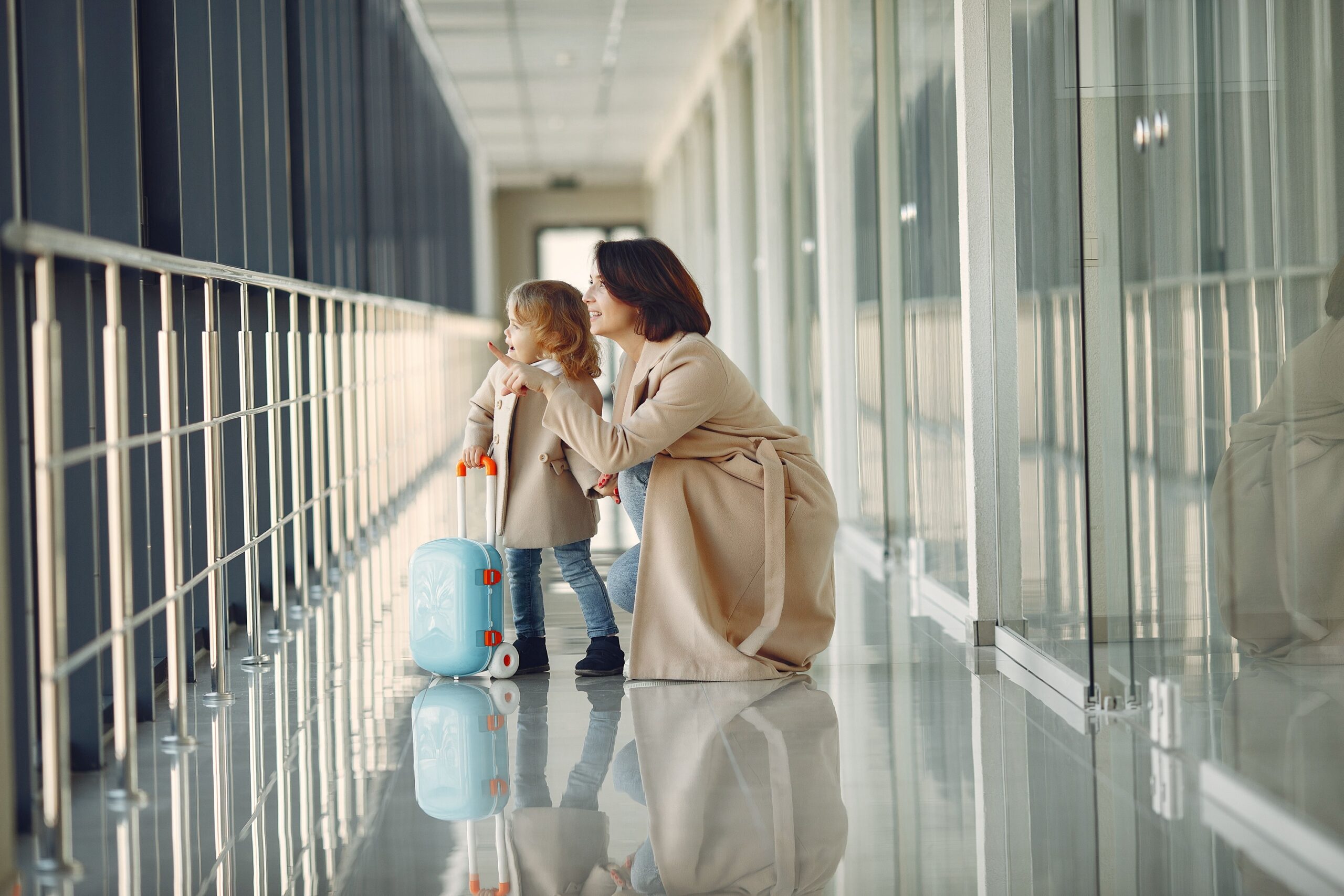

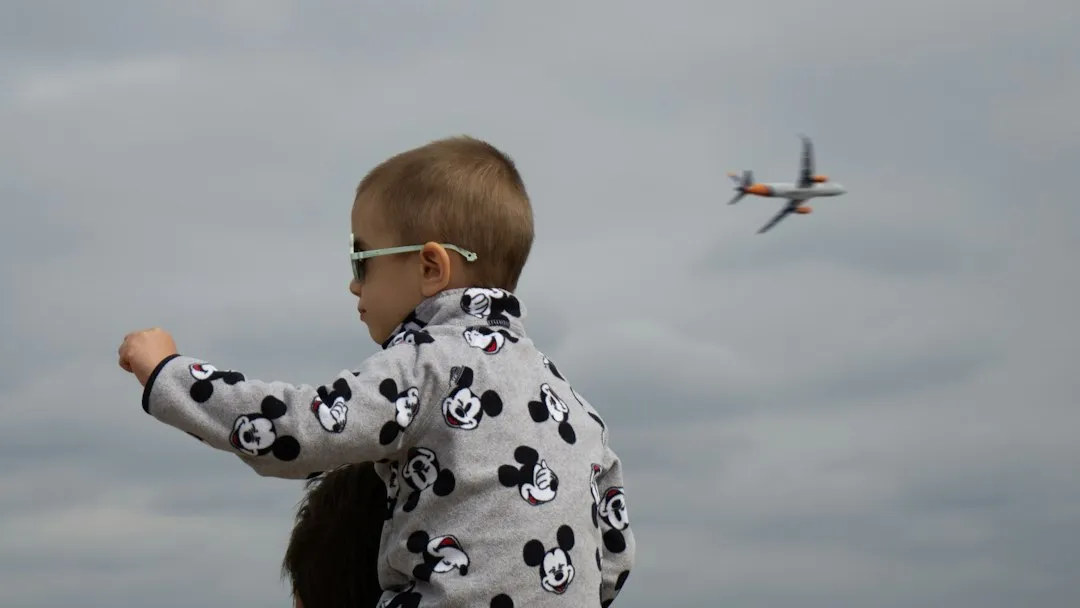
Every year, millions of children board commercial flights without a parent in sight. Some are visiting grandparents across the country. Others are shuttling between two homes after a family separation. A few are heading to summer camps or boarding schools in cities they’ve never been to before.
Most parents hand their child over at the gate with a mixture of pride and quiet nerves, trusting that the system will take care of things. What that system actually looks like, step by step, is something far fewer people understand in detail. Here’s what really happens.
The Numbers Behind Solo Child Travel
Most commercial airlines have Unaccompanied Minor programs in place, and it is estimated that as many as 7 million children travel by plane yearly using these programs in the United States alone. That’s a scale most people don’t appreciate. It means solo child travel isn’t some niche edge case – it’s a routine, daily operation at airports across the country.
Children around the world increasingly have family members living far away, including divorced parents who moved overseas for career opportunities or to start new households. Many also travel alone as part of their education and development – to attend boarding and language schools, summer camps, or auditions. Some may need to travel alone after a crisis situation involving their parents.
Who Qualifies and Who Doesn’t
In airline policy, an unaccompanied minor is typically a passenger aged between 5 and 14 years old, though regulations vary by carrier. The age bands matter more than most families realize before they start booking. Children ages 15 through 17 can use the service optionally on some airlines, while children under 5 cannot fly without an adult at all.
Frontier and Avelo run no unaccompanied minor service at all, meaning a child under 15 simply cannot fly on either without an adult on the same booking. That’s a meaningful restriction that can quietly derail a family’s routing plan if they don’t check policies before purchasing tickets.
What the Escort Actually Does at the Airport
The typical unaccompanied minor process includes an escort through check-in and security, priority boarding and early seating, supervision in gate areas and during layovers, continuous staff handoff between flights, and confirmation of ID for pickup at the destination. In practice, this means a badged airline employee is responsible for physically keeping the child in sight from the moment the parent says goodbye.
American Airlines, for example, includes early boarding so the child can get comfortable and meet the flight attendants, access to kids-only lounges in select cities, and escorts for connecting and arriving flights. Children are given a pouch to wear around their necks containing flight information, which helps airport staff identify their destination and pickup arrangements.
The Wristband, the Pouch, and the Paper Trail
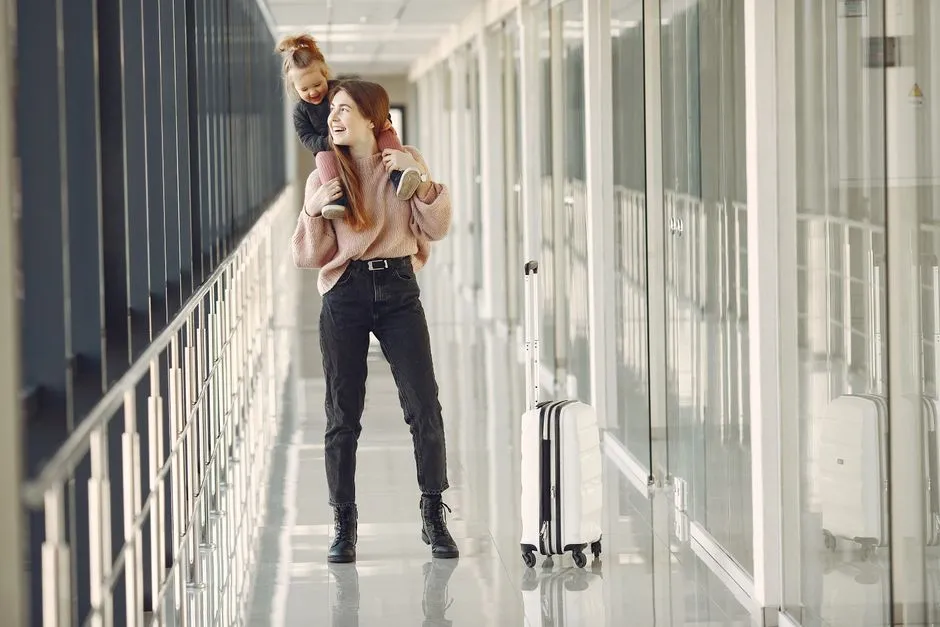
Delta’s program, for instance, provides an employee escort between gates, a barcoded wristband scanned at each checkpoint, and access to dedicated unaccompanied minor waiting areas where available. These tools aren’t just symbolic. They create a documented chain of custody, making it possible for airline staff to track exactly where a child is at any point in their journey.
Children are typically asked the same three verification questions every time they encounter a new escort or employee: who is picking them up, who dropped them off, and the location of their destination. It’s a simple protocol, repeated deliberately. Consistency is the point.
How Layovers Are Handled
If a child’s connection time is short, the unaccompanied minor escort takes the child directly to the connecting departure and escorts them on board. If the layover is longer, the employee takes the child to the Delta Sky Zone or another secure location, and hands the child’s documentation to the next airline representative in the room.
Sky Zones are children-only areas where kids flying alone can use complimentary phones to call their parents, wait for connections, play with toys and video games, and have the support of Delta representatives. American Airlines operates a similar concept. The carrier has kids-only lounges in hub cities, where children check in during layovers and are supervised until their connecting flight is ready.
What Happens When Flights Go Wrong
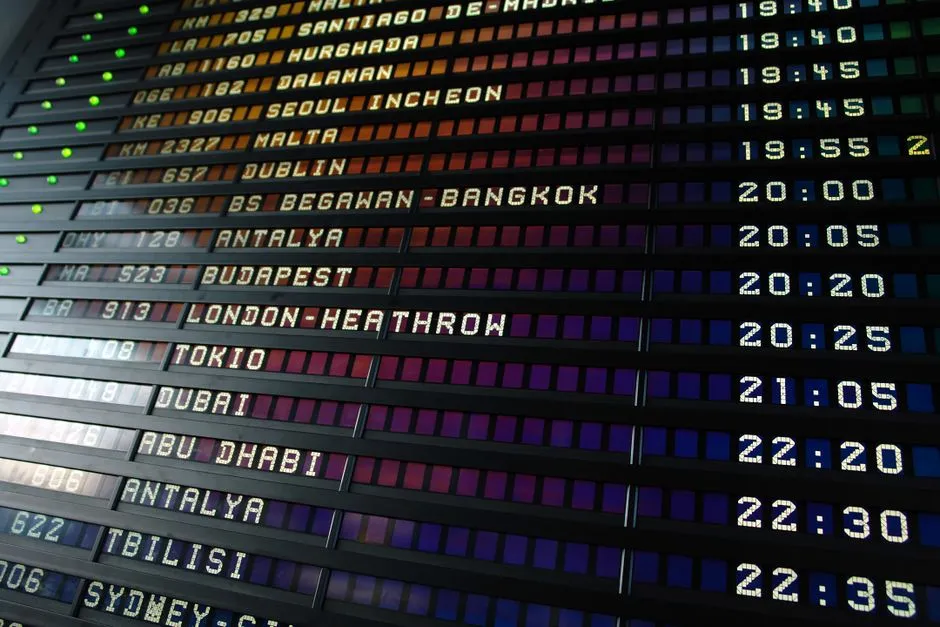
If an airline has any indication that a child’s flight may not operate as scheduled, the standard protocol is to advise the parents or guardians and suggest that travel is rebooked for another day. When a disruption happens mid-journey, though, the response is more complex. Extended layovers may involve the child being supervised in a waiting area for a longer period before their connecting flight, with staff maintaining appropriate oversight throughout.
The July 2024 CrowdStrike-related Delta meltdown offered a real-world stress test. Around the peak of that disruption, Delta banned unaccompanied minors from its flights entirely, a decision that illustrates how the program depends on a functioning operational infrastructure. When that infrastructure collapses, the child safety protocols are simply too intensive to maintain safely.
The Drop-Off Rules Parents Often Miss
When dropping off or picking up an unaccompanied minor, parents typically need a valid government-issued ID, the full name, phone number, and address of the receiving adult, a signed unaccompanied minor form, and a gate pass to escort their child through security. These aren’t bureaucratic formalities. They’re the documentation chain that makes the program work.
Check-in procedures must be completed at the airport counter, as online and kiosk check-in options are not available for unaccompanied minors. Families are advised to arrive at least two hours before the flight departure to complete check-in and other necessary procedures. Cutting it close is not an option here.
The Pickup Process at the Other End
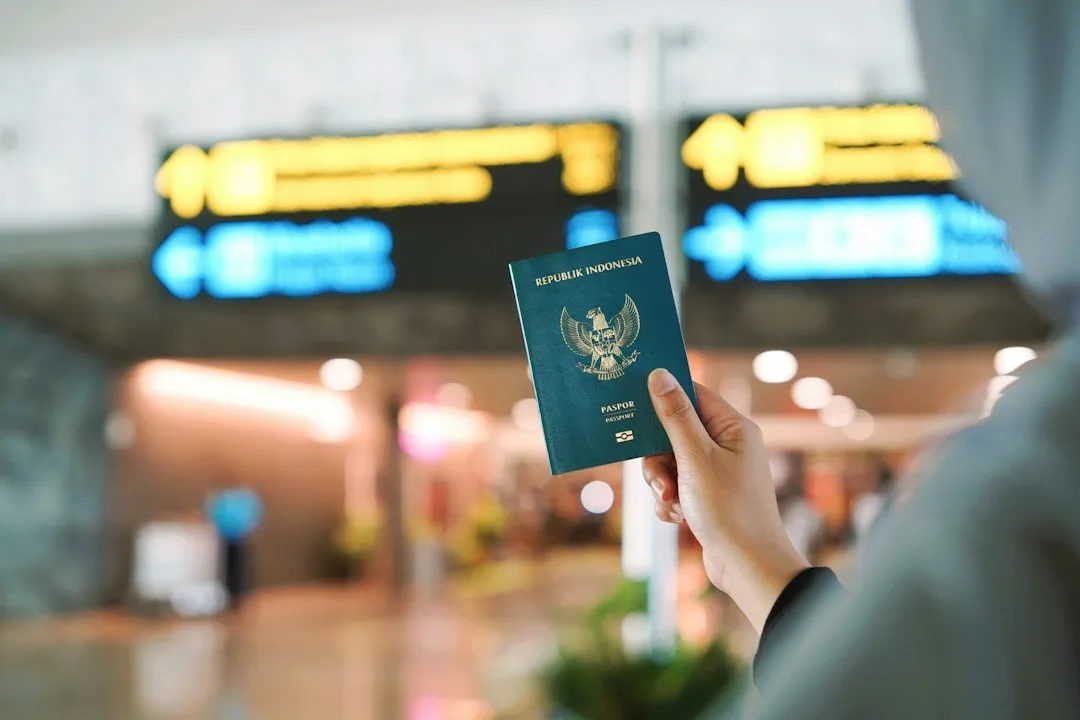
When the child lands, the designated adult presents their valid ID to airline staff, signs a release form, and is then given permission to go through security to pick up the child at the gate. Nobody walks away with a child based on a description or a phone call. The ID check is non-negotiable and applies regardless of how familiar the pickup person is to the child.
The designated adult must show their government-issued photo ID when picking up the child. If the person listed on the form is unavailable, the child remains in airline custody until an alternative arrangement is confirmed with the sending parent or guardian. It’s a strict protocol, and intentionally so.
How Fees Compare Across Airlines
Alaska Airlines charges $50 each way for nonstop flights and $75 for connecting itineraries, which is well below the $150 each-way fee charged by United, Delta, American, and JetBlue. For families who use this service regularly, those differences add up across a year. Alaska’s fees are waived entirely for MVP, MVP Gold, and MVP Gold 75K elite status members.
Delta’s $150 fee covers up to four children from the same family on one booking, which makes it more manageable for larger sibling groups. United’s fee is structured per booking rather than per child, so sending two siblings together costs the same $150 one-way as sending one child alone. Knowing how each airline structures its fee can meaningfully affect the total cost of solo child travel.
The Nonstop Rule and Why It Matters
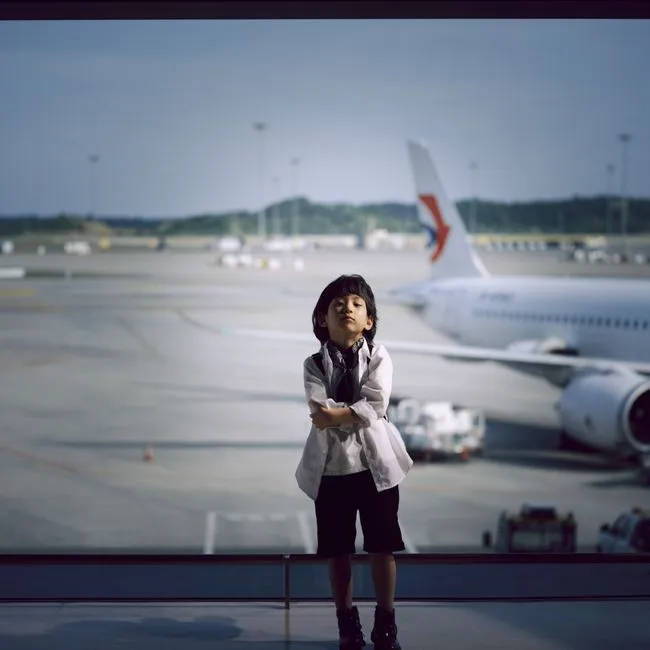
United’s unaccompanied minor service is only available on nonstop United or United Express flights, with no connections and no codeshare partners, and no itineraries with a layover even if both flights are United-operated. This is one of the most significant practical limitations in the system, and families sometimes only discover it after they’ve started building an itinerary.
Several airlines that do run a service will only sell it on a nonstop flight, so a routing with a connection is simply not available at any price. For destinations not served by nonstop flights from a family’s home airport, this can make the entire program inaccessible without switching to a different carrier. Checking routing restrictions before booking is genuinely important.
The Quiet Reality Behind the Program
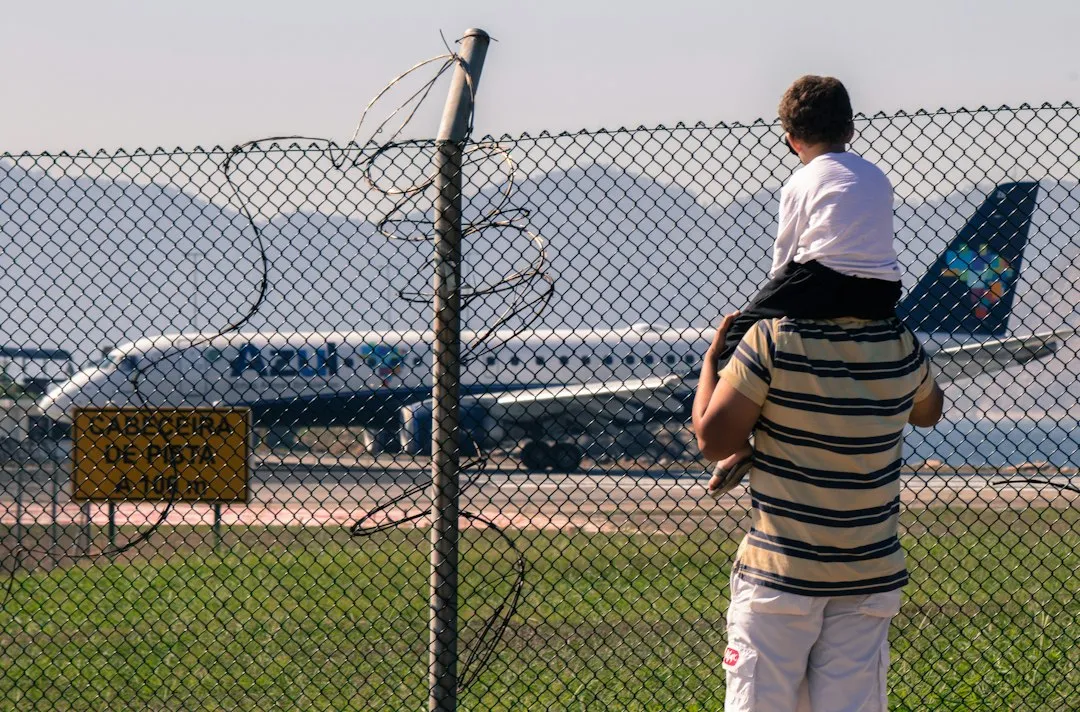
Most airlines have many years of experience safely transporting unaccompanied minors. The service is booked as a fee-based add-on to a flight reservation, and UM programs are approved by national and international civil aviation regulators. Larger carriers handle the transport of unaccompanied minors on a daily basis and have trained staff and designated waiting areas at their hubs.
The program works well the vast majority of the time. What makes it work is not any single technology or lounge, but the human chain of accountability: one badged employee handing documentation to the next, questions asked consistently, and a pickup ID checked without exception. The wristband and the form are just reminders of a commitment that has to be honored by people at every step.
The Takeaway for Families
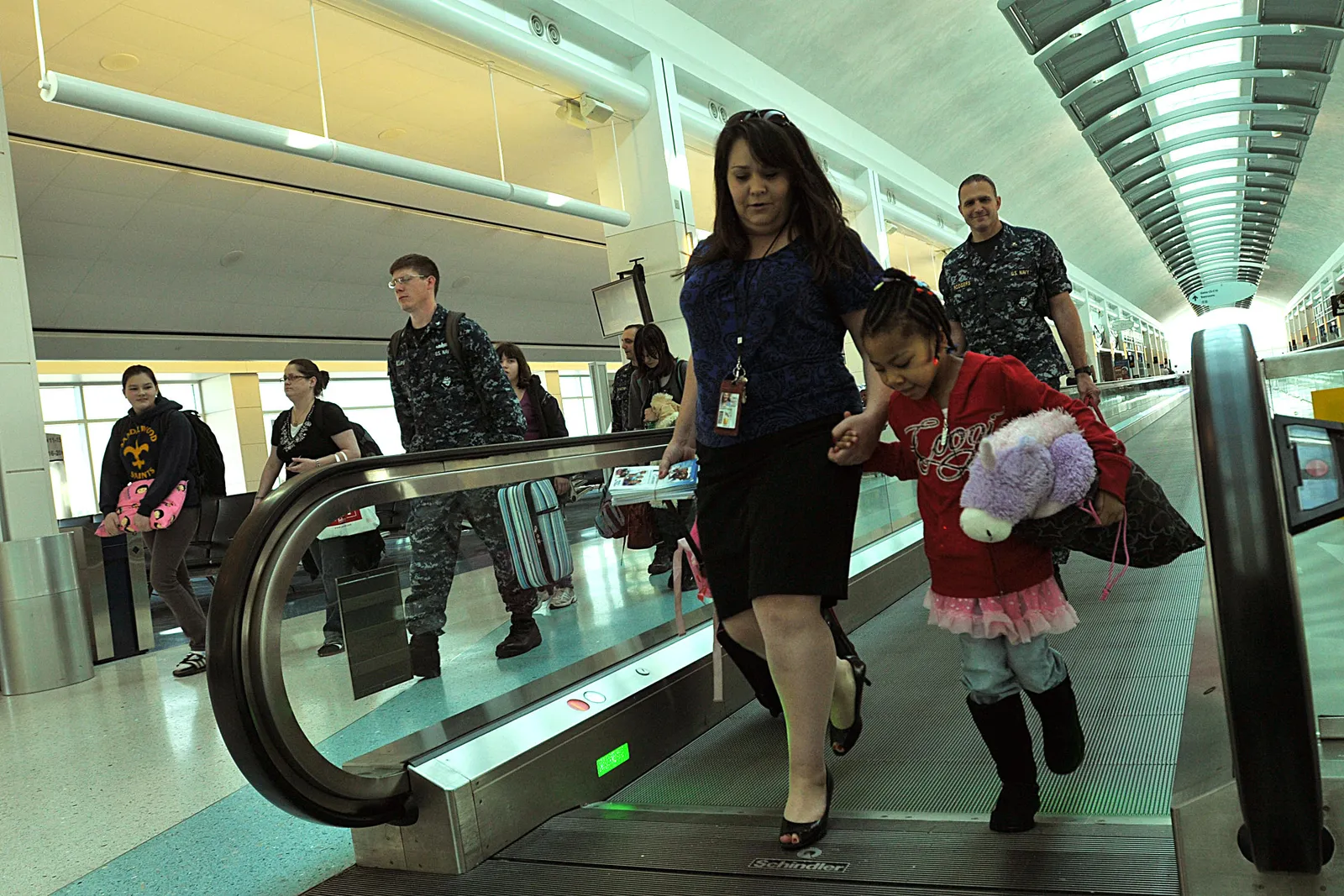
The unaccompanied minor escort system is more structured than most parents imagine and more dependent on smooth operations than airlines often advertise. It functions reliably in ordinary conditions, but disruptions reveal its limits. Understanding the protocols, restrictions, and fee structures in advance makes a real difference.
For children, the experience of flying solo for the first time is often remembered as a small milestone. The escort who walked them to the gate, the lounge with the video games, the questions asked every time someone new took over – these details are what the program actually looks like from the inside. It’s worth knowing them before you hand your child over and walk away from the gate.
AI Disclaimer: This article was created with the assistance of AI tools and reviewed by a human editor.