

There’s a common assumption that Florida, with its afternoon thunderstorms and subtropical humidity, holds the title of America’s lightning capital. The reality is more nuanced – and more dramatic – than that. When the data from multiple years of careful measurement is examined, one state consistently pulls so far ahead of the rest that the gap becomes almost hard to believe.
Texas is that state. Year after year, the Lone Star State records more lightning strikes than anywhere else in the country, and the margin isn’t close. Understanding why requires a look at geography, weather science, and some genuinely striking numbers.
Texas Leads the Nation by a Staggering Margin
Texas placed first in the state rankings with over 40 million total lightning events in 2024, more than the next three states – Florida, Oklahoma, and Kansas – combined. That’s not a narrow lead. That’s dominance. In 2025, the state recorded more than 47 million lightning events, more than any other state and significantly more than Florida and Oklahoma combined.
In 2025, Texas was the state that received the most lightning flashes by a long shot, and 2025 itself was a big year for lightning activity across the United States, with more than 88 million flashes reported nationwide – the highest figure in eight years. Texas’s dominance within that record-breaking year tells you everything you need to know about its position in this conversation.
The Two Ways to Measure Lightning (and Why They Matter)
Lightning count refers to how many lightning strikes occur in total, while lightning density focuses on how many strikes happen per square kilometer. These two measurements can tell very different stories, and in Texas’s case, they both point toward an extraordinary level of electrical activity – just in different ways.
Florida is the top state by lightning density, with 91 events per square kilometer, while Texas has around 58 per square kilometer. So while Florida’s skies crackle more intensely per unit of land, the sheer scale of Texas pushes its raw totals far beyond any competitor. In other words, you’re more likely to see lightning in Florida than in Texas on any given day – yet Texas still accounts for a larger share of the country’s total lightning activity than any other state.
The Geography That Makes Texas a Lightning Factory
Texas’s diverse geography has a significant influence on the formation and behavior of thunderstorms across the state. From the Gulf Coast to the Hill Country and the vast plains, each region contributes uniquely to the state’s severe weather, with the Gulf of Mexico playing a crucial role. Warm, moist air flowing off the Gulf collides with cooler continental air masses, and that collision is where thunderstorms are born.
Storms fueled by moisture from the Gulf of Mexico regularly sweep across the eastern half of the state, while dry line thunderstorms and frontal systems generate frequent lightning farther west and north. This means that virtually no corner of Texas is immune. On average, central and eastern Texas can expect 30 to 50 thunderstorm days annually, while western areas may see fewer.
Teague, Texas: The Lightning Capital of the United States
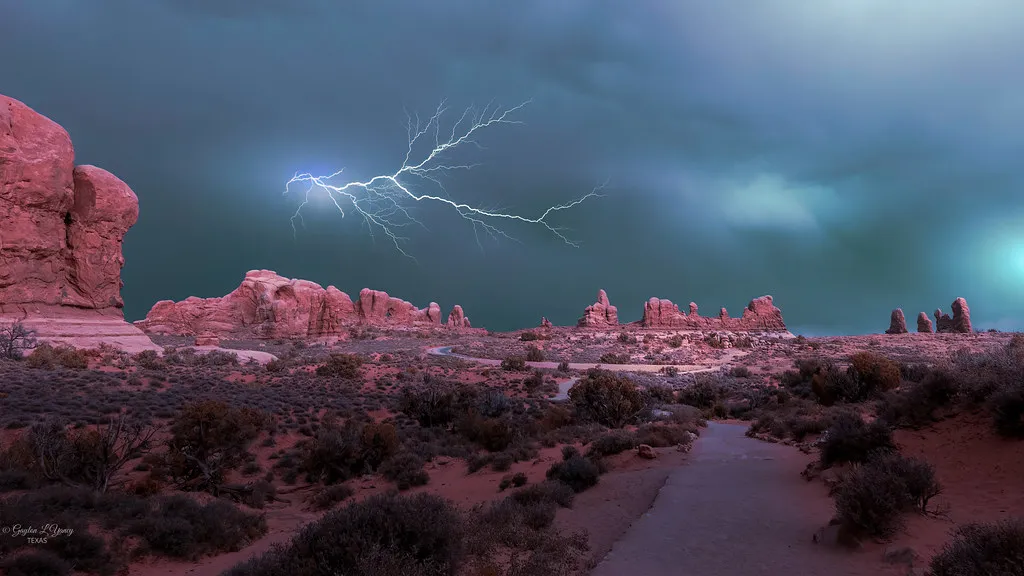
Teague, Texas, was named the lightning capital of the U.S., with over 1,900 occurrences of lightning per square mile in 2024, according to Vaisala, a global technology company. For context, Teague is a small town of roughly 3,000 people sitting about 85 miles southeast of Dallas. Its skies, apparently, are exceptionally busy.
Teague took the top spot for Texas for the first time since 2021, when the town of Flatonia experienced just over 1,000 lightning events per square mile. Orlando, Florida, and Kingsland, Georgia, followed behind with 1,072 and 978 lightning occurrences per square mile, respectively. The gap between Teague and second place that year was considerable.
The Counties Where Lightning Hits Hardest
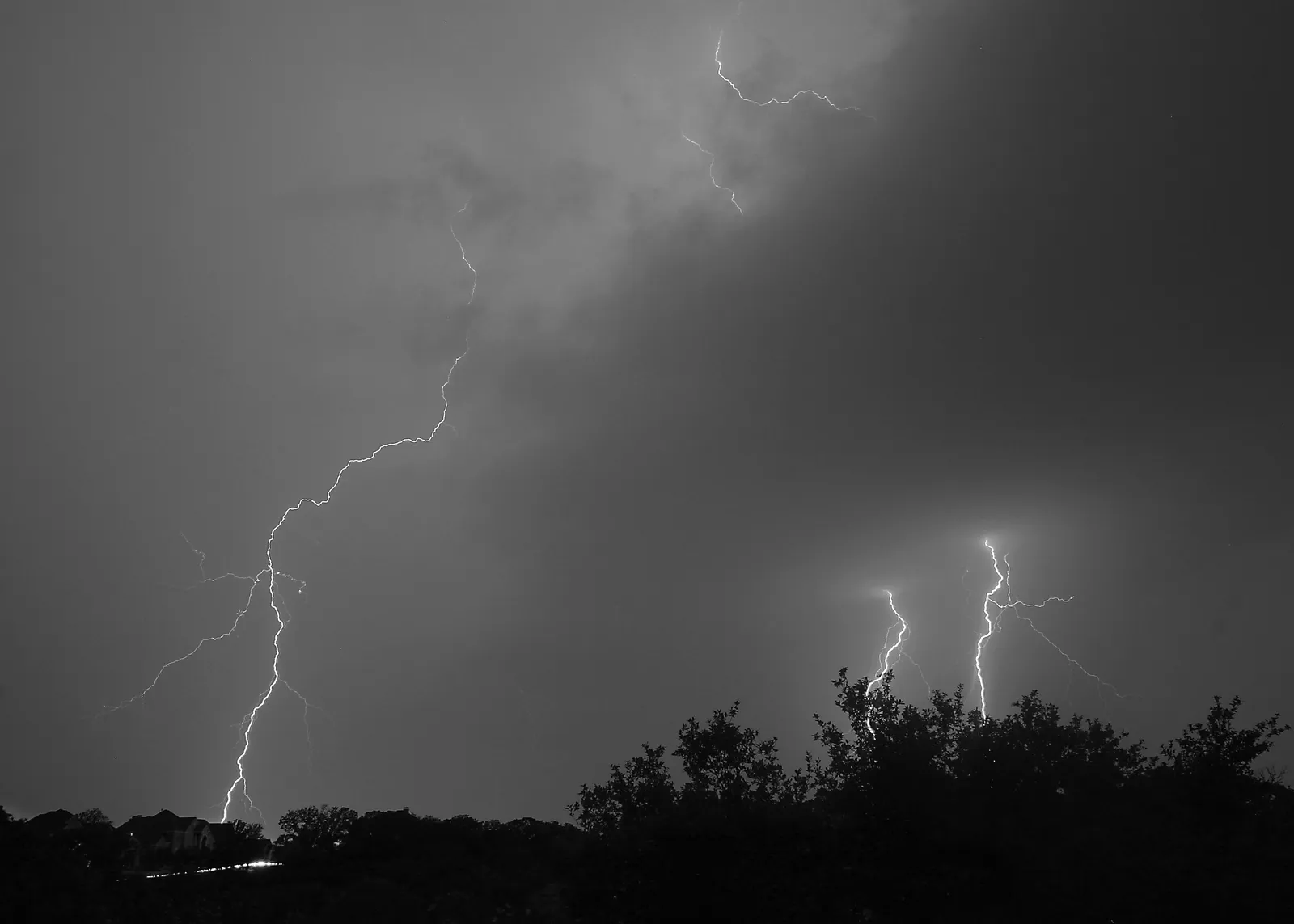
Texas is home to all of the top 10 U.S. counties ranked by lightning strikes per square mile in 2024, according to Vaisala Xweather’s report. That’s a remarkable sweep. Walker County, Texas, had about 825 strikes per square mile in 2024, Limestone County had 811, and Madison County had 795.
In terms of most lightning strikes overall, Polk County, Florida, is the big winner with nearly 852,000 for the year, while Limestone County, Texas, came second with about 757,000, and Palm Beach County, Florida, placed third with 713,000. Florida still manages to hold key positions in raw county totals, which reflects just how electrically active the Sunshine State remains despite falling short of Texas at the state level.
Florida’s Claim: The Density Title
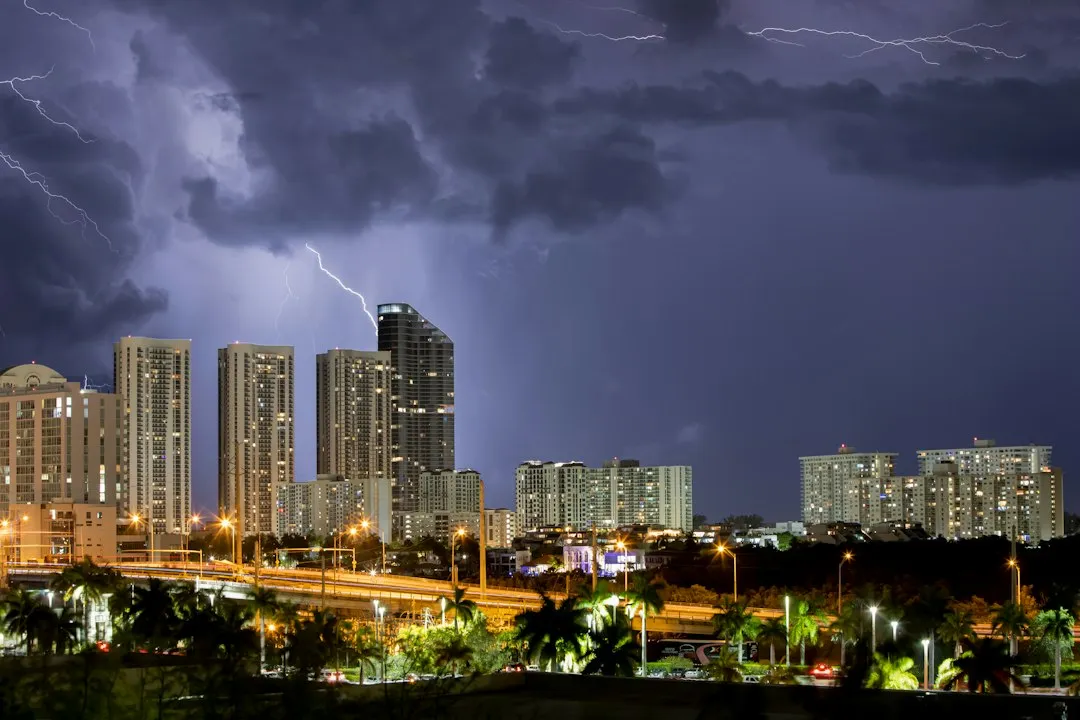
The Sunshine State sees more lightning strikes per square mile than any other state in the U.S., averaging about 1.2 million strikes annually, according to Florida Health. Florida’s smaller land area, surrounded on three sides by warm ocean water, creates a concentrated storm environment that Texas simply can’t match in terms of density. Florida averages more than 3,000 cloud-to-ground strikes per day and over a million flashes per year.
In Advanced Environmental Monitoring’s report, Florida retained its rank as the top state for the number of lightning strikes per square mile: 76. Florida’s historic reputation as “the lightning capital” of the U.S. is well earned – it simply refers to a different measurement than raw totals. Both claims are accurate. They just measure different things.
How the Data Is Actually Collected
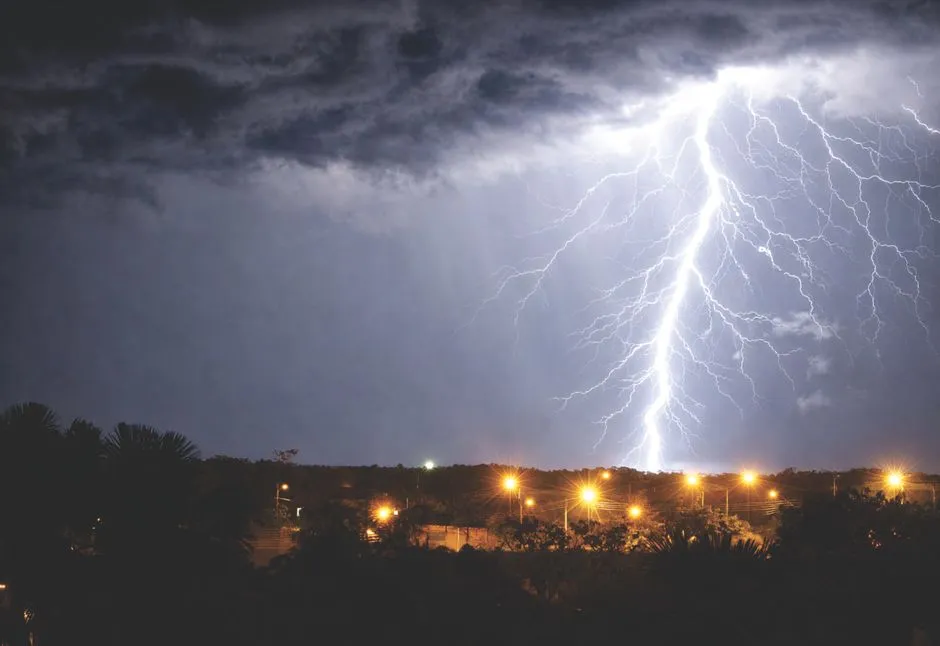
Vaisala Xweather’s data comes from sensors that use radio waves to detect and triangulate lightning strikes, with a claimed median accuracy of 84 meters. The data includes both cloud-to-ground and in-cloud lightning. This level of precision means the numbers are not estimates – they’re the result of a sophisticated detection network spanning the entire country.
Vaisala studies lightning strikes using the U.S. National Lightning Detection Network and the Vaisala Global Lightning Dataset, which together detect more than 2 billion lightning events every year. In 2024 alone, analysts processed data from over 2.2 billion lightning events worldwide. That’s the scientific backbone behind every statistic in this conversation.
The Human Cost: Lightning Fatalities by State
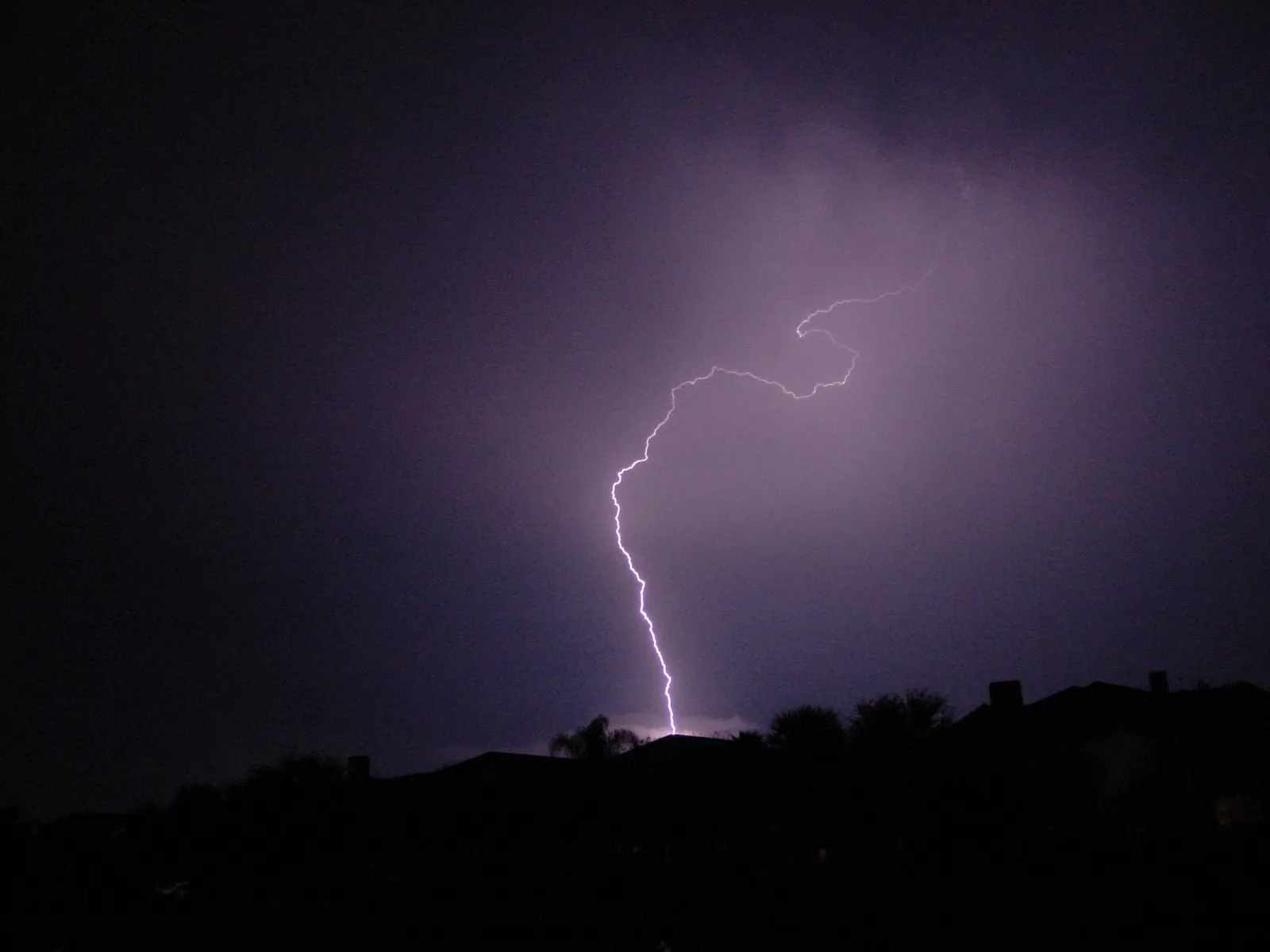
Due to a more densely packed population, the ability to enjoy the outdoors year-round, and the fact that Florida is surrounded by water, more people are killed by lightning in Florida than in any other state. Florida averages about 7 lightning fatalities each year. From 2015 to 2024, there were 50 lightning deaths in the state, according to the National Lightning Safety Council.
Lightning strikes some 25 million times a year in the United States and kills an average of 47 people, according to the National Weather Service. The death toll has been declining over decades, largely due to better public awareness campaigns about seeking shelter. It used to be that 10 lightning-related deaths per year were a standard for Florida; however, education has helped cut that number down to four in 2023.
Airport Disruptions and Infrastructure Impact
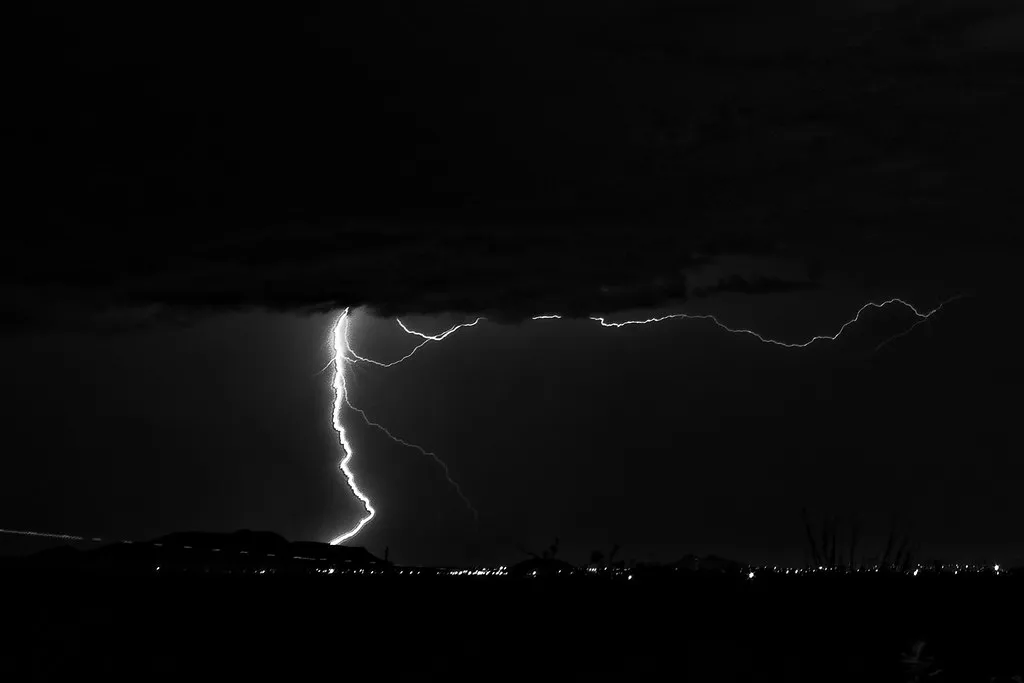
Miami International Airport experiences the highest number of disruptions from thunderstorms, averaging 115 hours of nearby lightning activity per year over the past decade. Airports in Orlando and Dallas follow closely behind, with 109 and 64 hours of annual lightning activity, respectively. For travelers, this translates directly into delays, diversions, and grounded ground crews.
Aside from the immediate danger to people, aircraft, and infrastructure, lightning can spark wildfires – and the number of strikes is predicted to increase amid climate change, researchers have found. A wind farm in Blaine County, Oklahoma, endures 694 lightning strokes a year, the highest for a U.S. wind farm in raw numbers – a reminder that the energy infrastructure of tomorrow is already grappling with this ancient force of nature.
2025 and Beyond: Lightning Is on the Rise
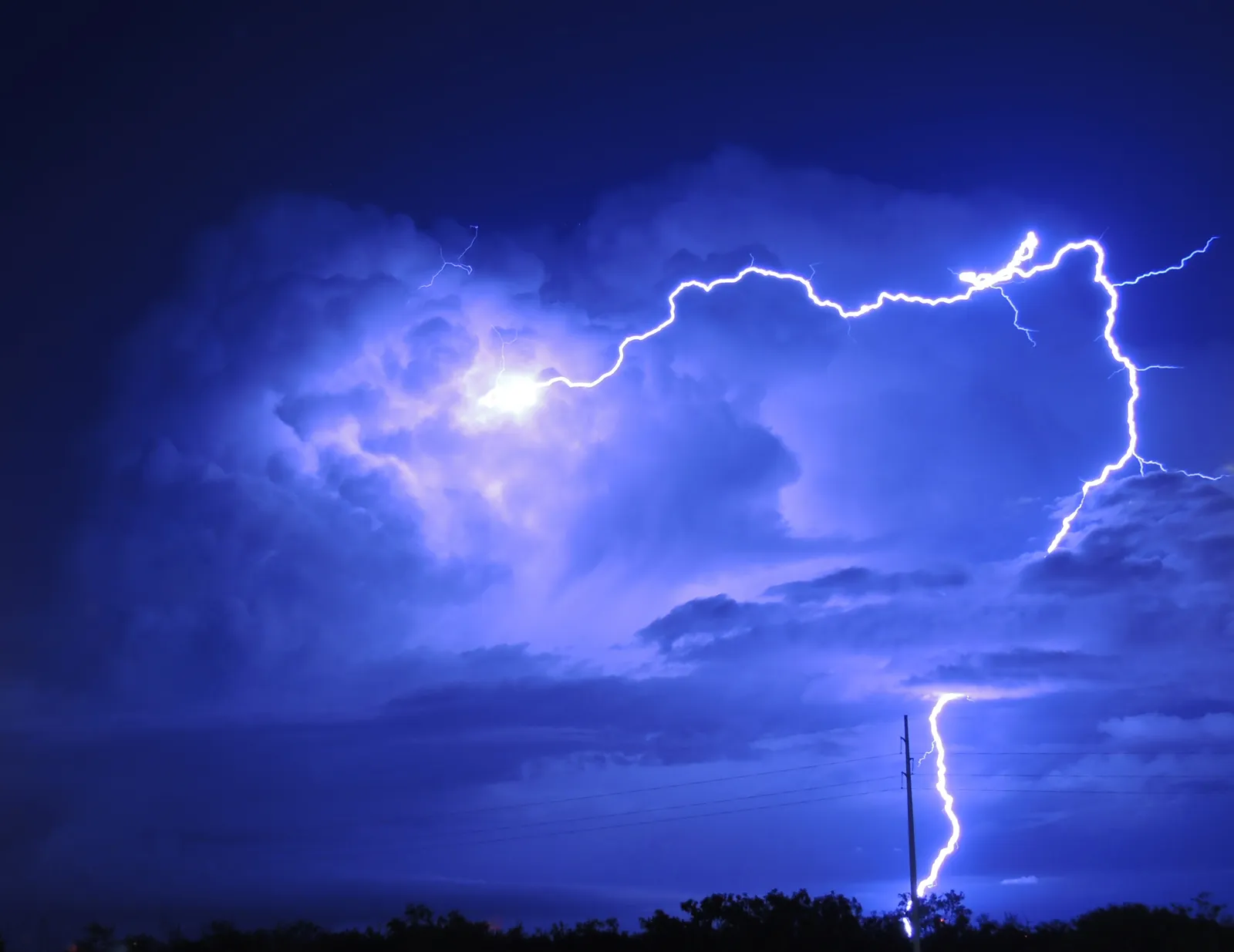
A Vaisala report noted 2025 as having the highest national count of lightning strikes in the last eight years. Nationally, lightning flashes increased by nearly 10 percent from 2024 to 2025. Scientists who study the relationship between climate change and storm activity have noted that a warming atmosphere holds more energy, which tends to fuel more intense and more frequent electrical storms.
Despite losing the lightning capital town title in 2025, Texas remains the nation’s undisputed leader in total lightning activity, recording more than 47 million lightning events that year, significantly more than Florida and Oklahoma combined. The trend lines suggest this isn’t going to change soon. Texas’s geography, size, and its relationship with Gulf moisture create a near-perfect environment for electrical storms – season after season, year after year.
The Takeaway
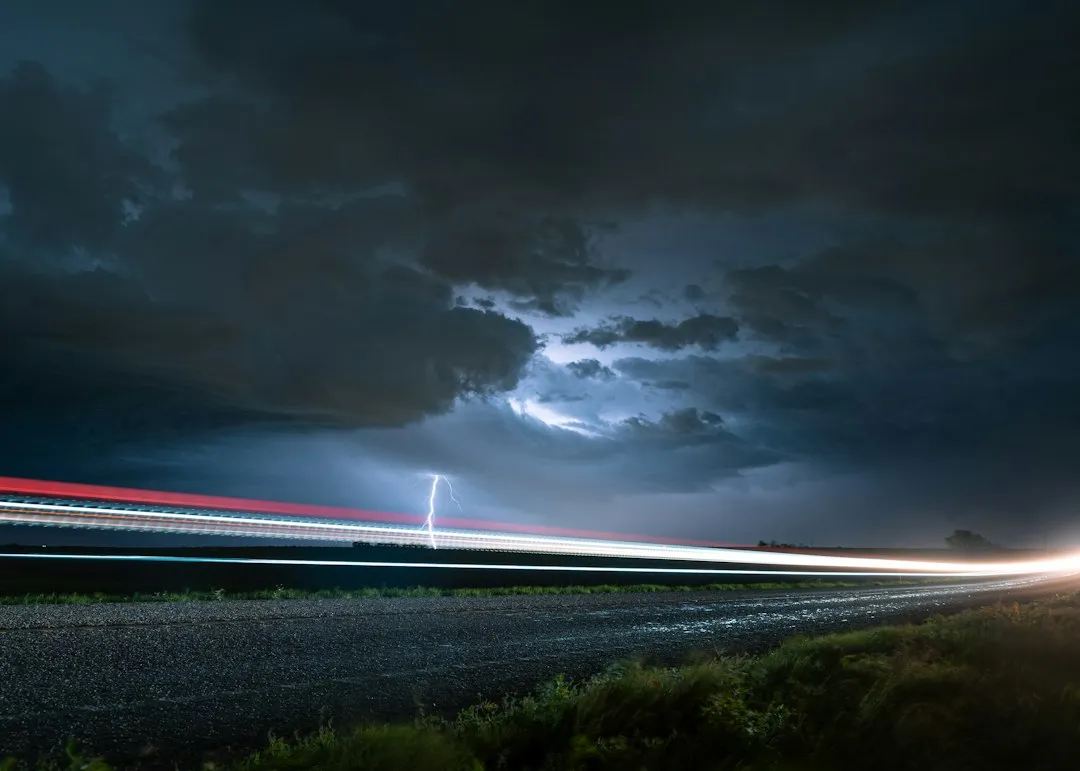
The answer to which state gets struck by lightning more than any other depends slightly on how you frame the question. If raw total numbers are the measure, Texas wins decisively, and it’s not particularly close. If density per square mile is the metric, Florida holds the edge. Both states live with lightning as a genuine part of daily life in ways that residents of most other states simply don’t experience.
What the data from 2024 and 2025 makes clear is that Texas’s electrical activity is not just impressive – it’s categorically different in scale from the rest of the country. What Vaisala found is that not only does lightning occur more often in Texas, but that an area stretching across the Gulf of Mexico, then northwest from the Houston area into Oklahoma, is particularly intense for the phenomenon. For a state already famous for its weather extremes, lightning may be the one force that defines the Texas sky more than any other.
AI Disclaimer: This article was created with the assistance of AI tools and reviewed by a human editor.