

It’s Called the Brace-Ready Position
Once cabin crew are seated and buckled into their seats, they place their hands either under their thighs or palm down on their legs. While this may look like they are sitting on their hands, it is actually a very specific safety procedure.
What passengers often interpret as “sitting on their hands” is actually a deliberate brace-ready position. Cabin crew sit upright in the jump seat with feet flat on the floor and hands secured on their thighs or beneath the legs. This posture stabilizes the body, minimizes the risk of injury during sudden movement or turbulence, and ensures hands are immediately available to respond if an evacuation or safety action is required.
The act involves fastening the seat belt securely, sitting upright, sitting on the palms of the hands with thumbs tucked and arms loose, and placing feet flat on the floor.
Takeoff and Landing Are the Most Critical Phases of Flight
Takeoff and landing are two of the most critical phases of a flight. Although aviation accidents are extremely rare, these are times when the aircraft is relatively close to the ground and there’s less time to respond if something goes wrong.
This position is called the “brace position.” It’s used during the most critical phases of a flight – takeoff and landing – when the risk of an incident is statistically higher.
Takeoff, landing, taxi, and anything below 10,000 feet other than cruise flight are officially defined as “critical phases of flight” under FAA regulation 14 CFR 121.542. It is the same regulation behind the sterile cockpit rule up front, which bans pilots from non-essential chatter during those exact minutes.
The Hands Are Protected for a Very Practical Reason
By sitting on their hands, flight attendants reduce the risk of flailing arms in the event of a sudden impact. This helps prevent injuries like broken wrists or fingers, which could limit their ability to assist passengers immediately after.
Keeping the body in a firm, controlled posture also stabilizes the spine and minimizes unnecessary movement. The goal is to protect key parts of the body so they can remain capable and alert if an emergency occurs.
The aim is to keep the body in a rigid pose so that if there is any impact from an unplanned emergency, one is less likely to be severely harmed. Those few seconds between a normal landing and an emergency response can make a real difference – and hands that are already secured are hands that are ready to act.
Head Position Matters Too – and It Varies by Seat Direction
Depending on the jump seat position and location, and the aircraft type, flight attendants also place their head a certain way for takeoff and landing. For example, if their seat is facing away from the pilots, toward the aft of the aircraft, they place their head slightly up and back on the headrest. If their seat is facing the pilots, to the forward of the aircraft, they place their head down and slightly tuck their chin as if they are bowing.
Different head positions – such as chin down when facing toward the front of the aircraft, and chin up when facing toward the back – protect the head and neck during sudden deceleration or turbulence, reducing the risk of injury.
The Silent Review: A Mental Checklist Running in Parallel
Flight attendants sit on their hands during takeoff, landing, and taxi because those minutes are set aside for a required silent safety review, often called the “30-second review.” The seated, brace-ready position keeps them physically prepared if something goes wrong in the same instant.
Aircraft manufacturer Airbus states in its safety documents that the silent review “is recommended for cabin crew to mentally recall the key aspects of the emergency evacuation procedure while they are seated at their station before each takeoff and landing, and decreases the risk of distraction.” The review will help cabin crew to focus and be prepared in case an emergency evacuation is required, and will also help to minimize the startle effect.
A flight attendant mentally confirms which exit is theirs, whether it is usable if the aircraft has stopped somewhere unexpected, and pictures the exact phrase they would shout: “Brace, brace,” or “Release seatbelts, get out, leave everything.”
What the OLDABC Mnemonic Tells Us About Their Training
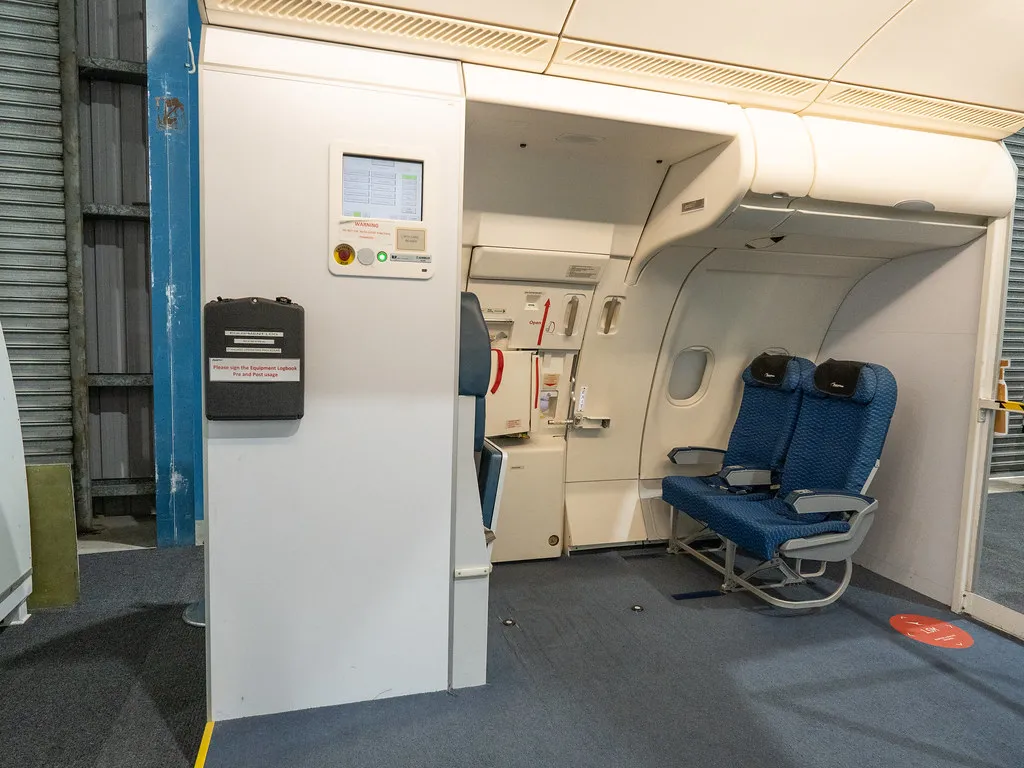
The silent review is a technique used by flight attendants during the critical phases of flight to focus and prepare them for a sudden emergency. How it is performed varies according to different airlines, but the principles and the desired result are the same throughout.
Structured silent reviews typically use mnemonics, one such being “OLDABC”: Operation of exits, Location of emergency equipment, Drills (brace for impact), Able-bodied passengers (selected to assist in an evacuation), Brace position, and Commands (such as “heads down – stay down” or “undo seatbelts and come this way”).
This kind of structured mental rehearsal turns a 30-to-60-second window into something genuinely purposeful. It’s not passive sitting. It’s active preparation that happens to look very quiet from the outside.
The FAA Has Guidelines, but the Exact Position Varies by Airline
Flight attendants generally adopt the brace position while buckled in their seats during takeoff and landing, but this can look slightly different depending on the airline or country. In fact, the Federal Aviation Administration’s cabin safety regulations do not require U.S. flight attendants to sit on their hands.
For a forward-facing jump seat, FAA brace-for-impact guidance calls for the flight attendant to sit securely against the seat, tighten the restraints, lower the chin toward the chest, keep the hands in the lap, and place the feet flat on the floor.
While exact hand placement or posture may vary slightly by airline or aircraft type, its purpose is the same: “maintaining stability, alertness, and immediate readiness during the most critical phases of flight.”
Passengers Are Not Expected to Mirror the Position
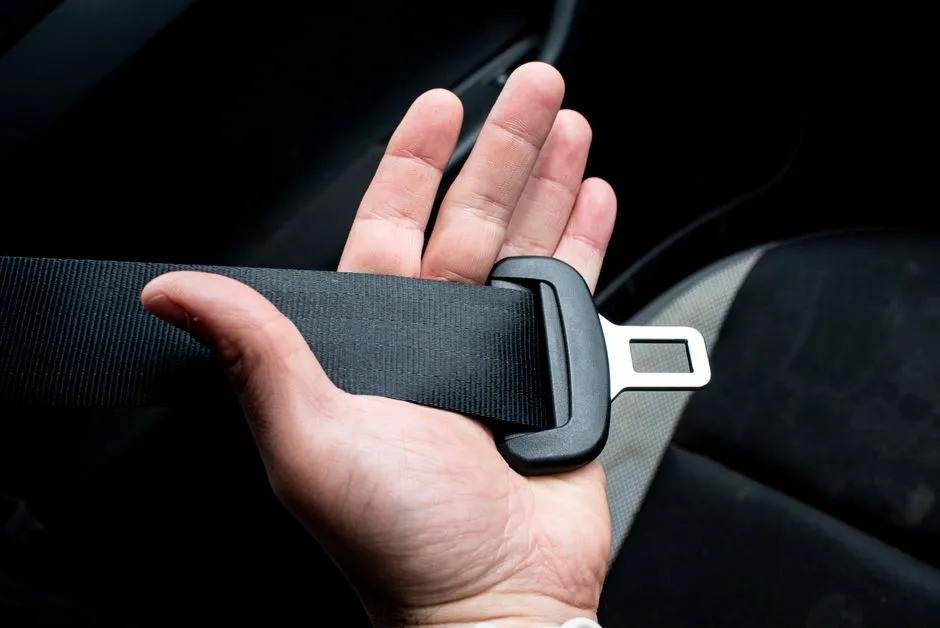
Passengers do not need to sit on their hands. Instead, they should focus on buckling their seatbelts low and tight across their hips and following safety instructions from the crew. Takeoff and landing are the most critical parts of a flight, so while sitting on your hands isn’t necessary, staying in your seat whenever the fasten seatbelt sign is on certainly is.
Passengers aren’t required to mirror the exact brace position, but aviation experts advise paying attention during safety briefings, reading the safety card, keeping seatbelts fastened, and ensuring seats are upright during takeoff and landing.
This Behavior Reflects Rigorous Training That Never Really Stops
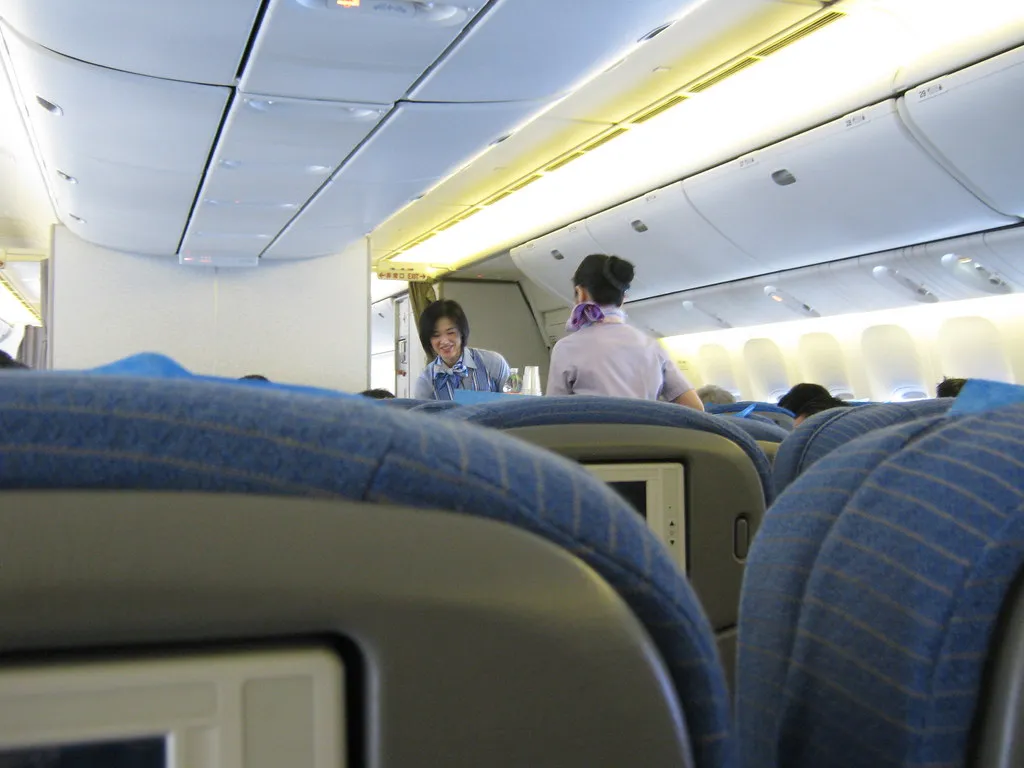
Flight attendants are not just sitting still – they are actively observing. They silently review emergency procedures, check cabin conditions, and stay prepared to respond within seconds if needed.
The silent review is a fixed mental checklist, run the same way before every takeoff and landing. It happens on every single flight, whether the crew has flown that route a thousand times or once.
While it may seem simple, the way flight attendants sit reflects extensive training and constant vigilance – a subtle yet vital element of maintaining everyone’s safety on board.
If You See It, It Means Things Are Working as They Should
That still, silent posture is what’s known as a “silent review” – carried out during the critical phases of a flight. It allows them to assess their surroundings and revise important safety procedures, should they be required to jump into action.
While in their jump seats, flight attendants will sometimes assume the partial brace position – a more relaxed version of the position anyone on board would assume during an emergency – by either sitting on their hands or holding on to their jump seats during takeoff or landing. This position gives them the best possible opportunity to assist everyone else as quickly as possible in case of emergency.
So the next time you glance over and see a crew member sitting perfectly still, hands tucked, eyes scanning the cabin – they’re not zoning out. They’re the most prepared person on the plane at that exact moment.
The Bigger Picture: Quiet Professionalism at 30,000 Feet
Flight attendants occupy a peculiar place in the public imagination. They’re associated with serving drinks and managing overhead bins, yet their primary function has always been safety. The hand-sitting posture is a small but vivid illustration of that gap between perception and reality.
As most captains will remind passengers before aircraft pushback, a flight attendant’s role is primarily about ensuring the safety of all passengers and crew before, during, and after the flight. The brace-ready position, the silent review, the precise head angle – none of it is theatrical. All of it has been tested, refined, and standardized for a reason.
Every flight, in those quiet seconds before wheels-up and after touchdown, there’s a small ritual of readiness playing out in those jump seats by the doors. Most passengers will never fully register it. That’s probably exactly how it’s supposed to be.
AI Disclaimer: This article was created with the assistance of AI tools and reviewed by a human editor.