

Two Restaurants, One Year, Zero Consensus
The controversy over who originated the sandwich remains unresolved. Both restaurants were established in 1908. That shared founding year is the root of so much of the confusion. When two institutions open in the same city in the same year and both claim the same invention, there’s very little daylight left for objective truth.
Cole’s calls itself the “Originators French Dipped Sandwiches,” while Philippe bills itself as the home of “The Original French Dipped Sandwich.” The language is slightly different, but the intention is identical. Each place wants you to believe that the other one is, politely speaking, wrong.
Philippe Mathieu and the Accidental Invention
Philippe Mathieu emigrated from France to Buffalo, New York, in 1901, moving to Los Angeles in 1903. He eventually opened what would become one of the city’s most durable eating institutions. His version of the French dip’s origin, though, involves a happy accident rather than deliberate creativity.
According to Philippe’s, owner Mathieu Philippe was making a sandwich for a police officer in 1918, and he accidentally dropped the bread into a pan with juices hot from the oven, creating the French dip. The officer reportedly said he’d eat it anyway. Some sources say it was first created by a cook or a server who, while preparing a sandwich for a police officer or fireman, accidentally dropped it into a pan of meat drippings. The patron liked it, and the dish surged in popularity shortly after its invention.
Cole’s Version: A Customer with Bad Gums
Cole’s opened in 1908 as Cole’s Pacific Electric Buffet, serving sandwiches to commuters using the city’s former Red Car streetcar system. Its version of events is notably more pragmatic. There’s no accident, no dropped bread. There’s just a customer in discomfort and a chef trying to help.
According to carvers at Cole’s, Henry Cole first dipped the French bread in jus at the request of a customer who had recently had dental work. The bread was too hard and it hurt the customer’s teeth, so Henry dipped the bread to soften it. Other customers requested Cole do the same for them, and thus the French dip was born. It’s a modest story, really. More practical than poetic, which somehow makes it feel at least partially plausible.
The Name Itself Is a Clue – or Is It?
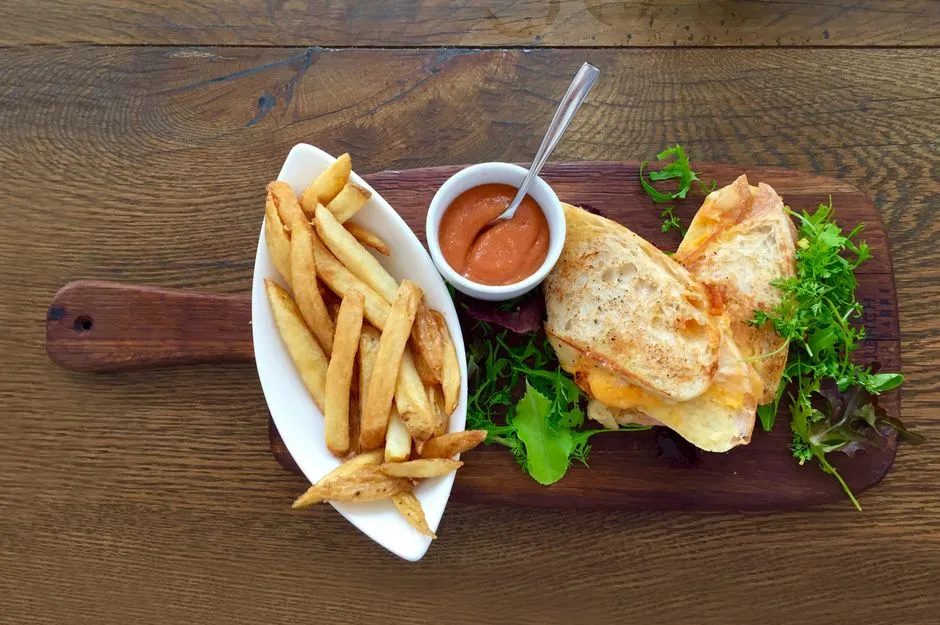
Some have suggested that Philippe’s is correct, as the sandwich was named “French” dip because of the restaurant proprietor’s French heritage. That argument has a certain elegance to it. Philippe Mathieu was, after all, actually French, and naming a dish after one’s own background is a reasonable enough thing to do.
Cole’s claims the sandwich was invented by its chef, Jack Garlinghouse, for a customer who had bad gums. Neither Garlinghouse nor Cole’s original owner Henry Cole were French. No one ever has claimed the sandwich was invented in France. So if the name “French dip” traces back to Philippe Mathieu’s heritage rather than to the bread style or cooking technique, Cole’s faces a real linguistic problem with its claim.
What the Print Record Actually Shows
Cole’s claims to have originated the sandwich shortly after the restaurant opened in 1908, while Philippe’s claims that owner Philippe Mathieu invented it in 1918. Neither restaurant cites any period references. That absence of documentation is significant. In food history, the earliest written evidence often carries the most weight.
A November 1929 reference in Modern Mechanics and Inventions, titled “War Veteran Erects Sand-bagged Dugout as Eating Place in Los Angeles,” which cites the dish at the Dugout, may be the first mention of the dish in print. Neither Cole’s nor Philippe’s is directly named in that earliest record, which adds a third wrinkle to an already complicated story.
How the Dip Is Actually Served – and Why It Matters
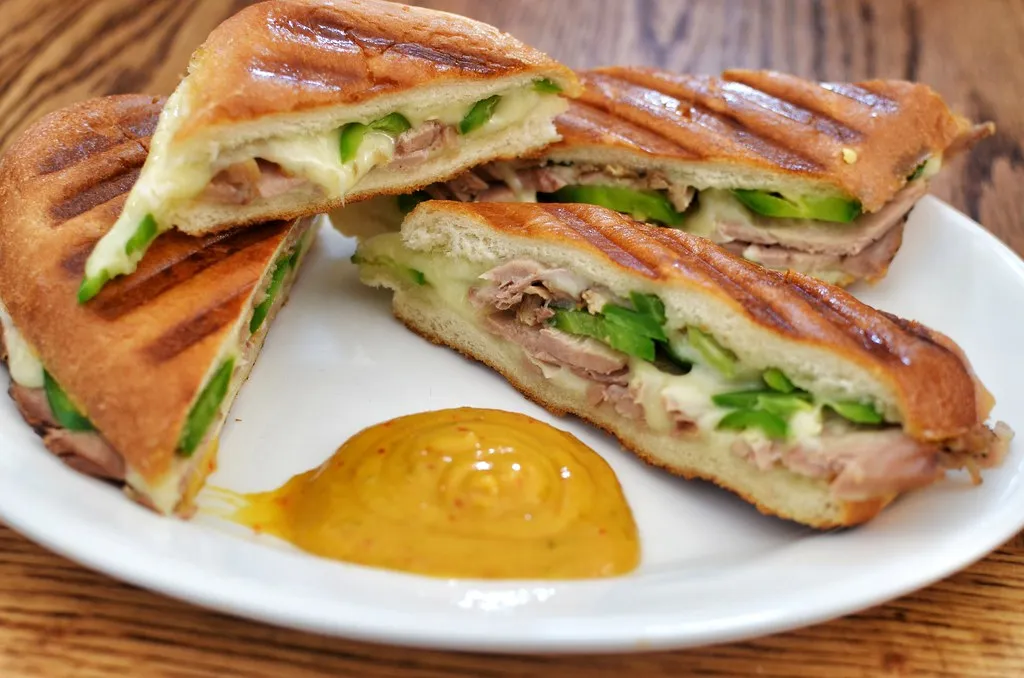
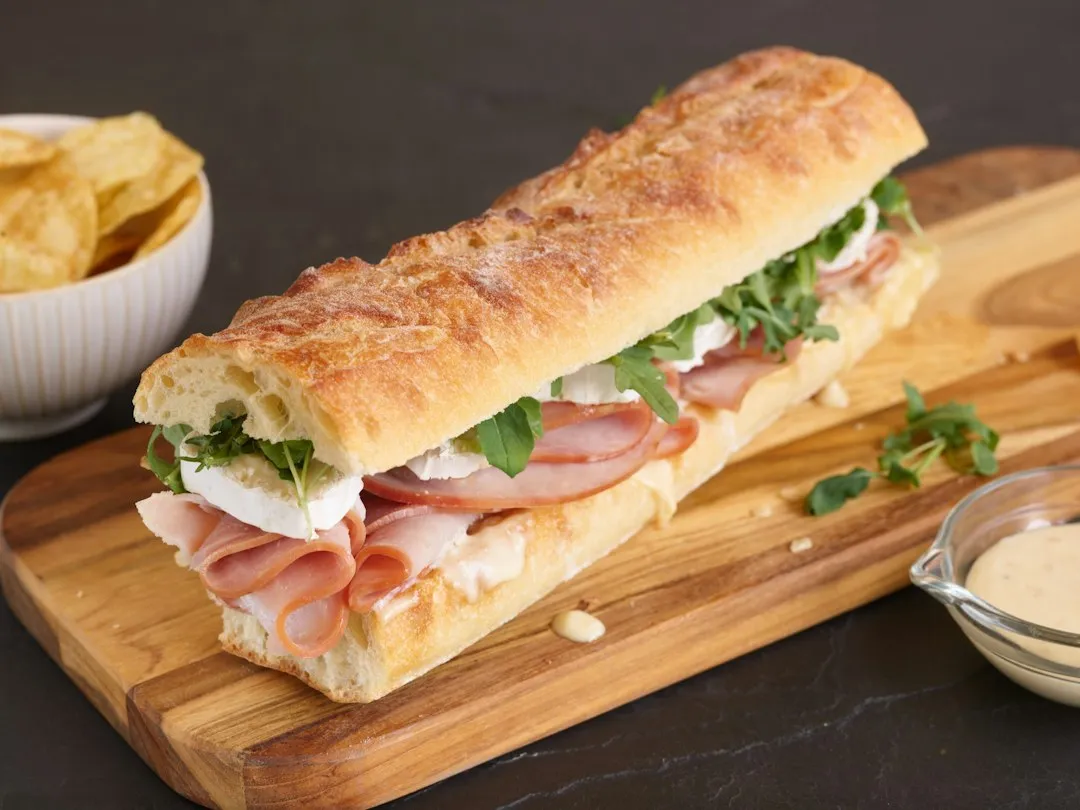
At Philippe’s the sandwich is served “double dipped,” where the cut faces of the roll are dipped in the hot beef juices before the sandwich is assembled, while at Cole’s it is served “dry” with a side of beef juices. This difference is more than cosmetic. It shapes the entire eating experience, and long-time regulars of each place feel strongly about their preferred style.
The sandwich can also be requested “wet,” where the entire sandwich is dipped before serving, at either establishment. Both restaurants feature their own brand of spicy mustard. The mustard, it turns out, is nearly as contested a topic as the origin itself. Regulars will argue with surprising intensity about whose version is better.
Ruth Reichl Called It an LA Icon – and She Wasn’t Wrong
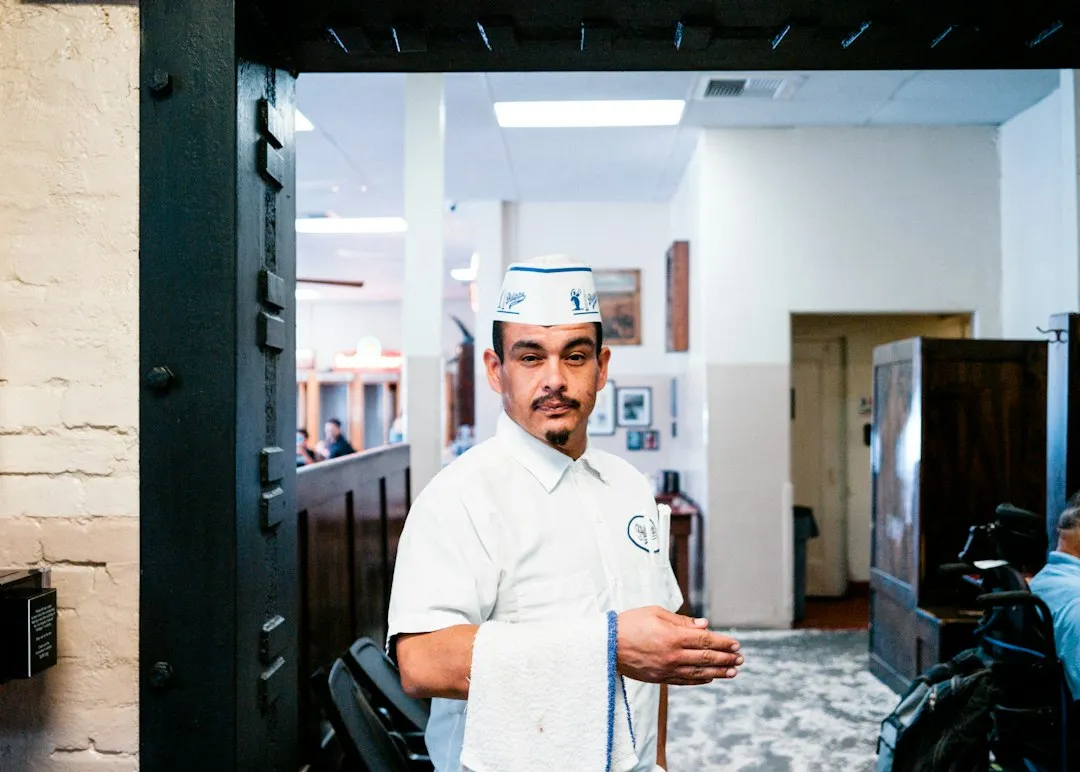
The French dip is nothing if not iconic. Ruth Reichl called it “Los Angeles’ best-known regional specialty” in 1984, and it’s frequently cited as the city’s most enduring contribution to the sandwich arts. Coming from one of America’s most respected food critics, that is a serious endorsement of the sandwich’s cultural weight.
The French dip sandwich is an LA icon, consisting of “either roast beef, roast pork, leg of lamb, turkey, pastrami or ham served on a lightly textured, freshly baked French roll and dipped in natural gravy.” The variety of proteins available today shows how far the concept has traveled from whatever single moment of inspiration produced it more than a century ago.
The Lincoln Lawyer Took a Side (Sort Of)
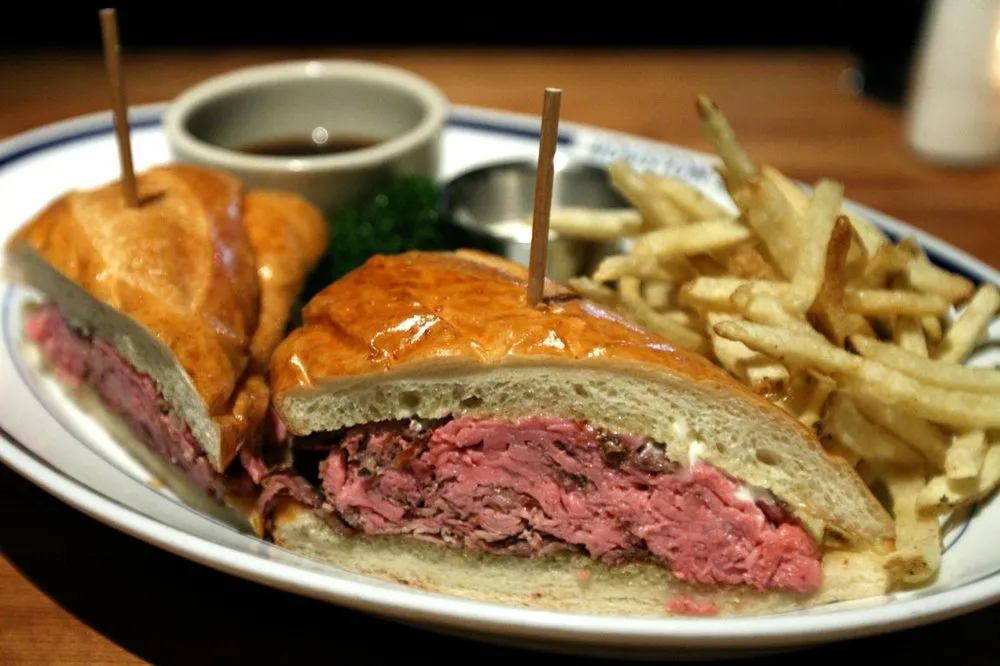
In The Lincoln Lawyer Season 3, episode 2, Mickey and Andy playfully argue about the true origins of the French Dip sandwich, raising questions about which restaurant really created the iconic Los Angeles dish. It’s a telling sign of how deeply this debate has embedded itself in the city’s identity when it starts showing up as character development in prestige television.
Cole’s was featured in Episode 2, Season 3 of The Lincoln Lawyer, where Mickey Haller debated with Andrea Freeman over who invented the French Dip: Cole’s or Philippe’s. The writers chose the debate deliberately, using it to illuminate the characters and their relationship. No resolution was offered, naturally. That would have been too easy.
Cole’s Closes Its Doors After 118 Years
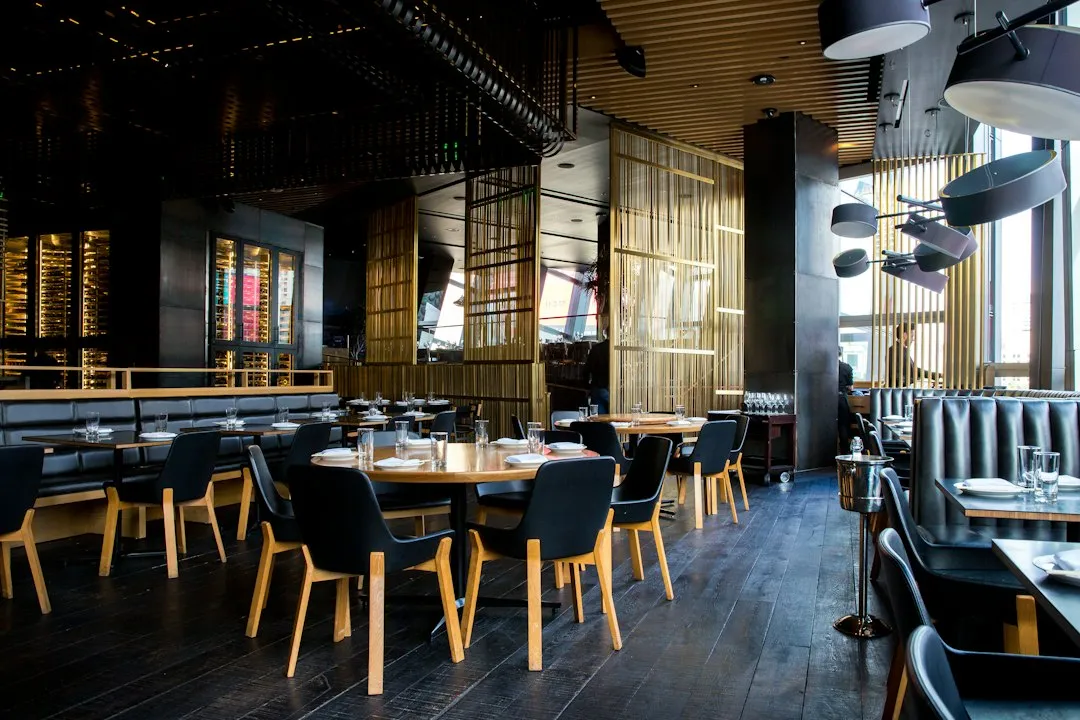
Only one of the two rivals will remain standing after Cole’s, which has been called the oldest continuously operating restaurant in Los Angeles, closed its doors, citing reasons including the pandemic, the recent writers’ and actors’ strikes, rising costs, and bureaucracy. The closure, after 118 years of operation, marked the end of something genuinely irreplaceable in the city’s dining landscape.
The restaurant’s previous operator, hospitality group Pouring With Heart, announced plans to close Cole’s in July 2025, citing financial losses tied to the pandemic, entertainment-industry strikes, and rising labor costs. Public support helped delay the closure until March 2026. The outpouring of loyalty from Angelenos who showed up for one last sandwich was genuinely moving to witness.
Cole’s Is Coming Back – With New Owners and a New Menu
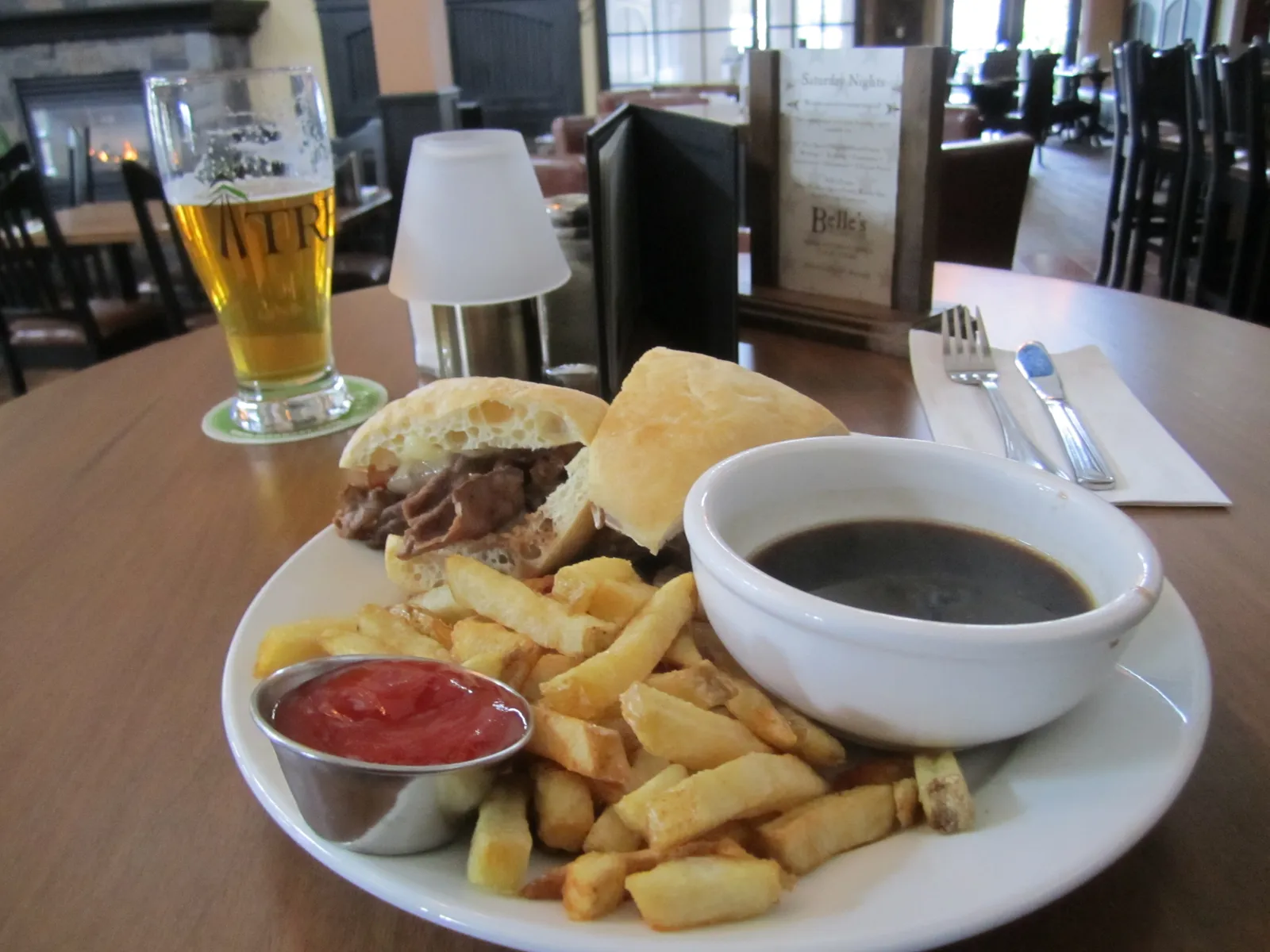
Cole’s, the historic downtown Los Angeles restaurant known for its French dip sandwiches, is expected to reopen in November under new ownership after closing earlier this year. Restaurateurs Jeremy Fall and Sean Maloney are preparing to revive the restaurant, which closed March 29 after more than a century in business, according to the Los Angeles Times.
The revamped restaurant will continue serving French dip sandwiches, including a version made with dry-brined prime rib and a 24-hour au jus. Other offerings will include pastrami and vegan French dips, fresh ravioli, prime rib frites, and salmon with trout roe. Daniel Nguyen, formerly of Osteria Mozza and Lolo Wine Bar, will lead the kitchen. The new team is threading a careful needle: honoring the institution while giving it room to breathe for a new generation of diners.
Fall and Maloney also plan to retain several historic features, including a booth favored by gangster Mickey Cohen and a restroom plaque bearing the name of poet Charles Bukowski. Changes to the dining room will include additional seating, white tablecloths, and a piano, with the pool tables removed.
Philippe’s Stands Alone – for Now
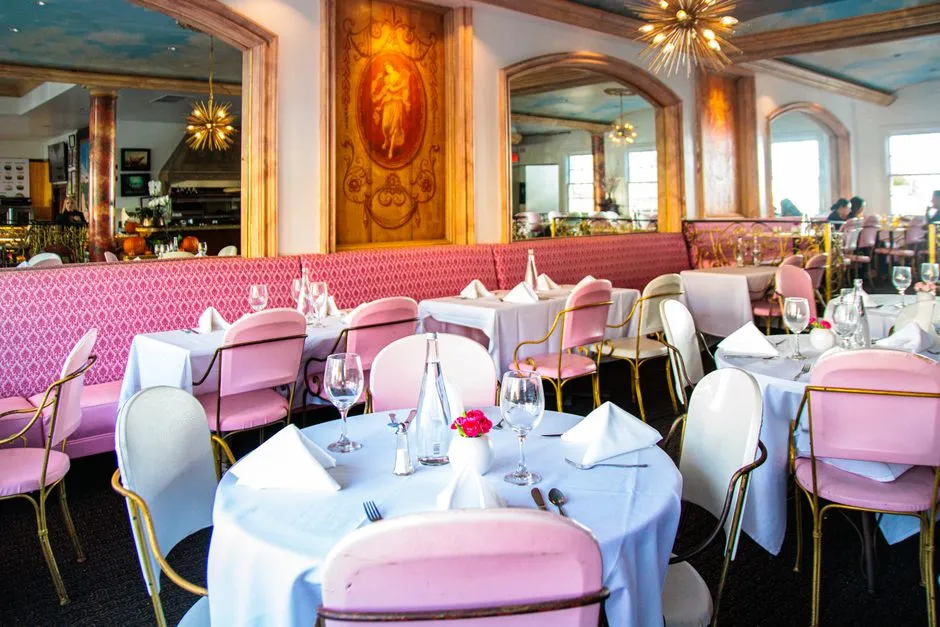
Philippe the Original is well known for continuously operating since 1908, making it one of the oldest restaurants in Los Angeles. Through every twist in this long story, including Cole’s temporary closure and now its imminent revival, Philippe’s has simply kept its doors open and its jus hot. There’s a quiet confidence in that consistency.
Most sources seem to lean toward Philippe’s claim, including the New York Times. That said, no authoritative body has ever issued a definitive ruling, and given how long this has been going on, none ever likely will. The ambiguity, in a strange way, is part of what keeps both places so endlessly interesting to talk about.
The Takeaway
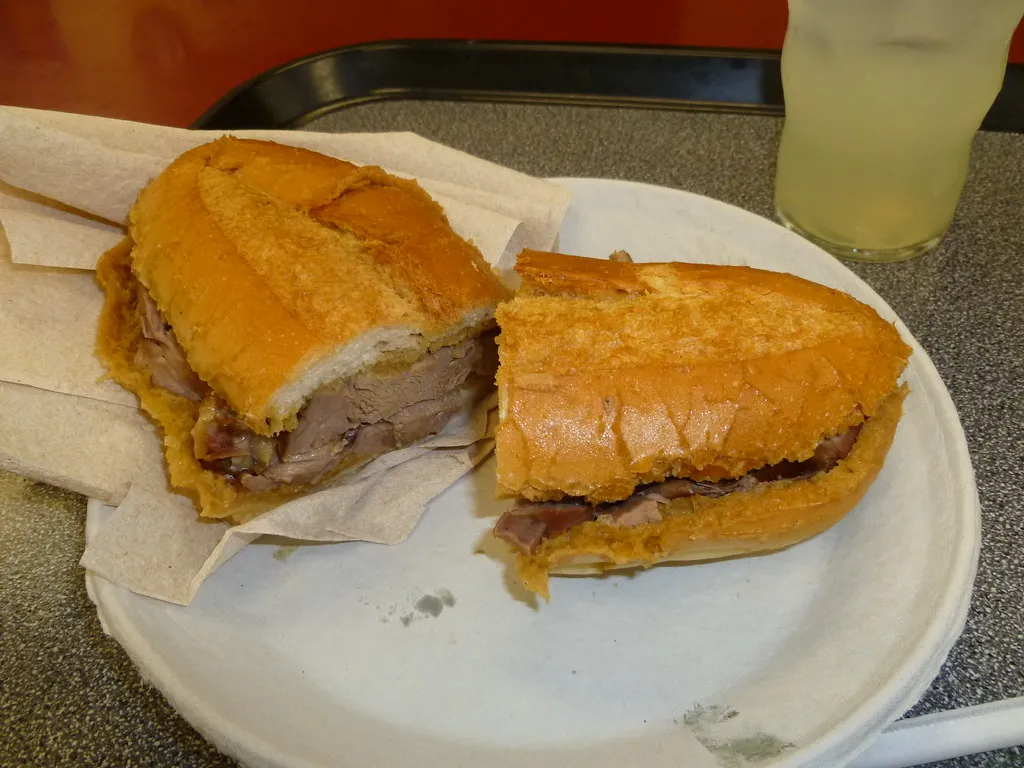
More than a century of competing stories, no surviving documentation from either side, and a sandwich so good that two restaurants are still willing to stake their entire identities on having thought of it first. That, really, is the French dip debate in a single sentence.
With Cole’s set to reopen under new ownership in late 2026, the rivalry is not ending. It’s restarting. At the end of the day, both sides have acknowledged the controversy is “a friendly competition” and nothing more. Los Angeles has always been a city that mythologizes its own history, and in that sense, the French dip feud fits perfectly. The truth may be unknowable. The sandwich, however, is very much real.
AI Disclaimer: This article was created with the assistance of AI tools and reviewed by a human editor.