
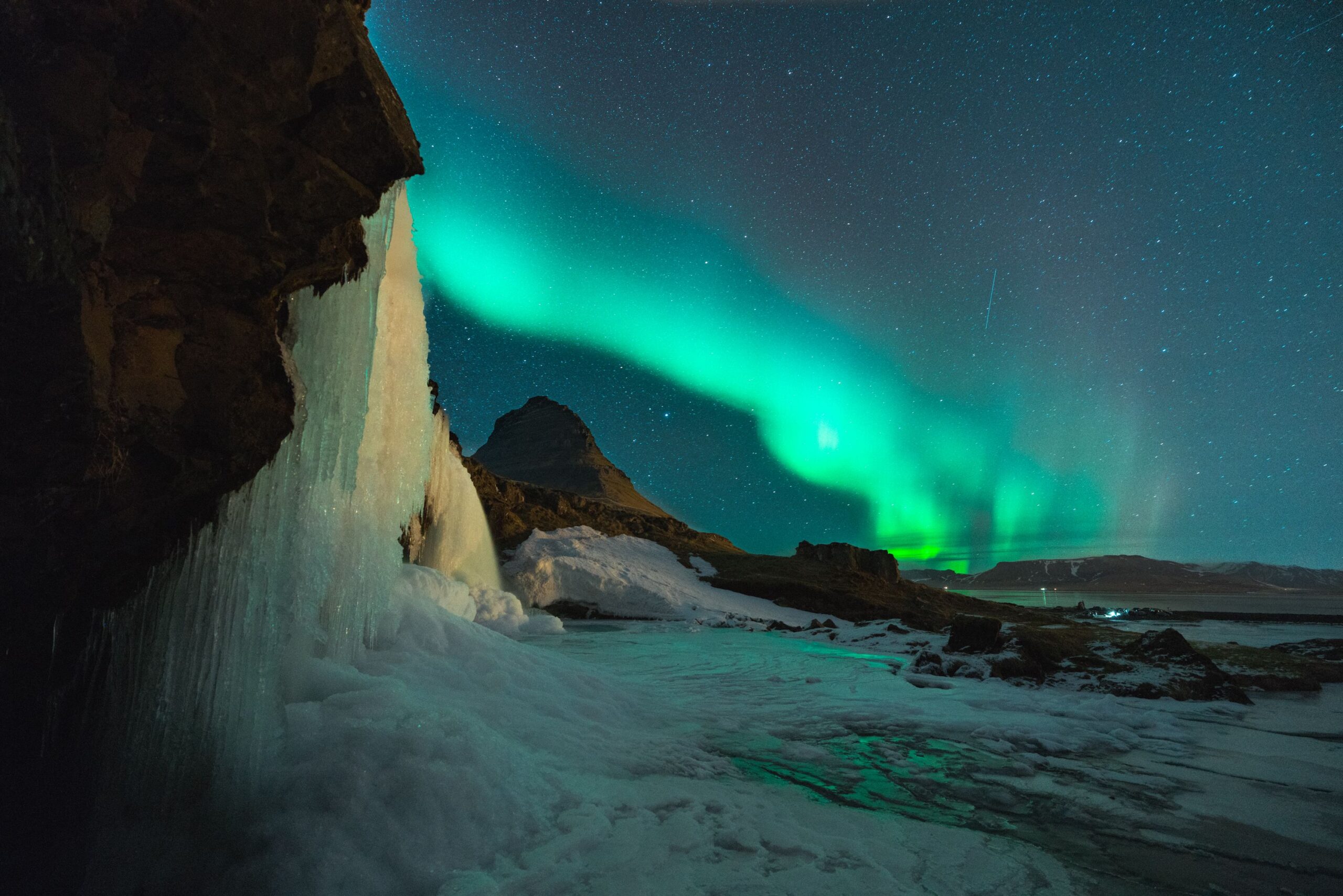

The Hour Everyone Is Talking About: 10 PM to 2 AM
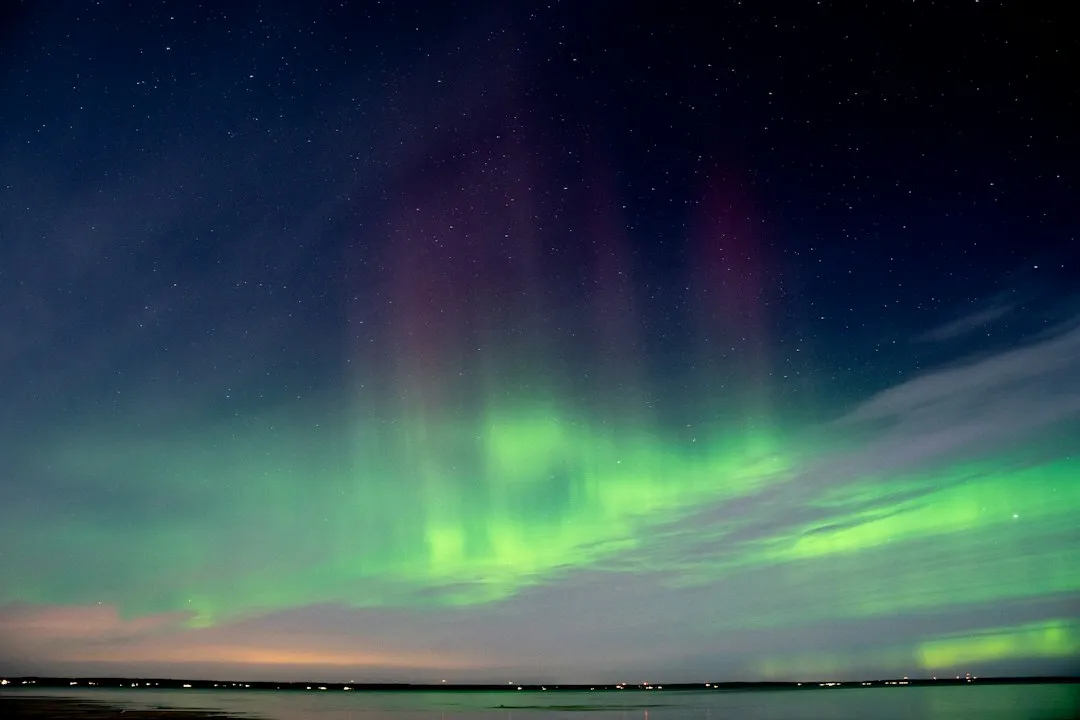
Broadly, 10 PM to 2 AM is considered the best time to see the northern lights, because according to NASA’s Space Weather Research, aurora activity tends to peak around midnight, when the solar wind is most active and Earth is in the best position to receive it. This is the window that experienced igloo hosts consistently reference when guests ask whether they should stay awake or trust the alarm service.
The aurora can technically appear any time it’s dark, but activity peaks between 10 PM and 2 AM local time. That three-to-four-hour window centered around local midnight is when Earth’s rotation brings you into the most active part of the aurora oval. Think of it less like an appointment and more like a tide. The conditions rise, peak, and recede.
Why Midnight Is the Sweet Spot, According to Science
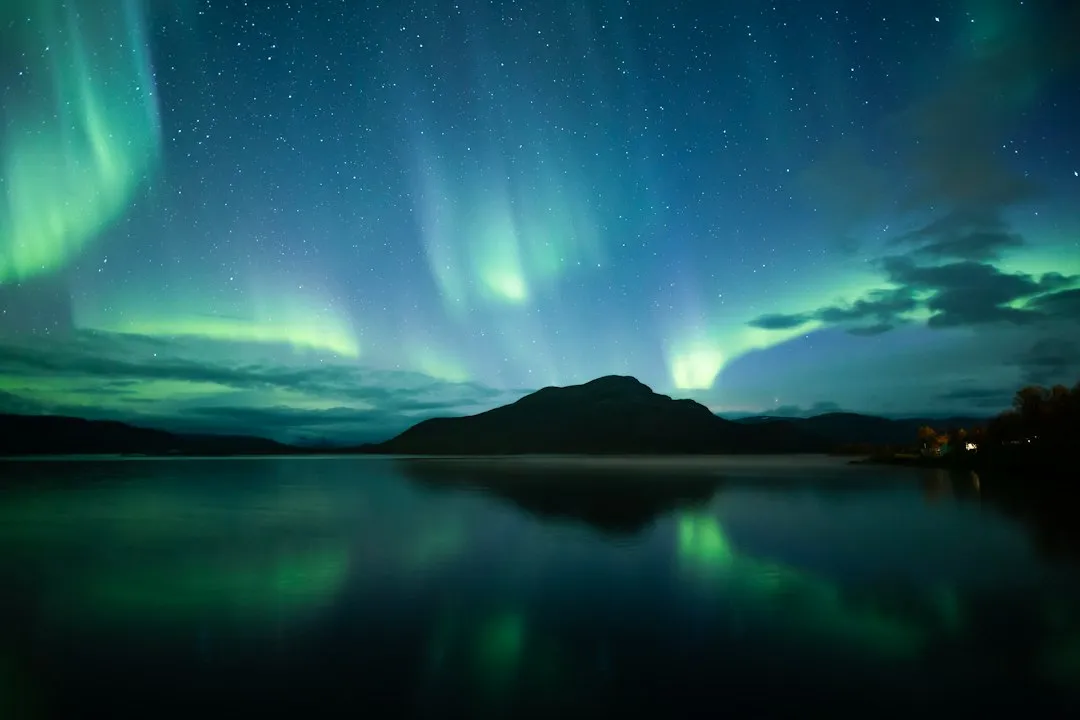
Geomagnetic activity is not constant through the night. It tends to intensify around local magnetic midnight, broadly the window from about 10 PM to 2 AM, when your location rotates under the most active part of the oval. This isn’t a travel writer’s shorthand; it’s grounded in how the auroral oval behaves relative to the Earth’s rotation.
Substorms, which are sudden brightenings that send curtains rippling across the sky, can erupt within minutes and fade just as fast, so patience pays: a quiet sky at 11 PM can explode into activity by midnight. That volatility is precisely why hosts stay watchful through the whole window rather than sending alerts at a single fixed hour.
Geomagnetic Midnight Is Not the Same as Clock Midnight
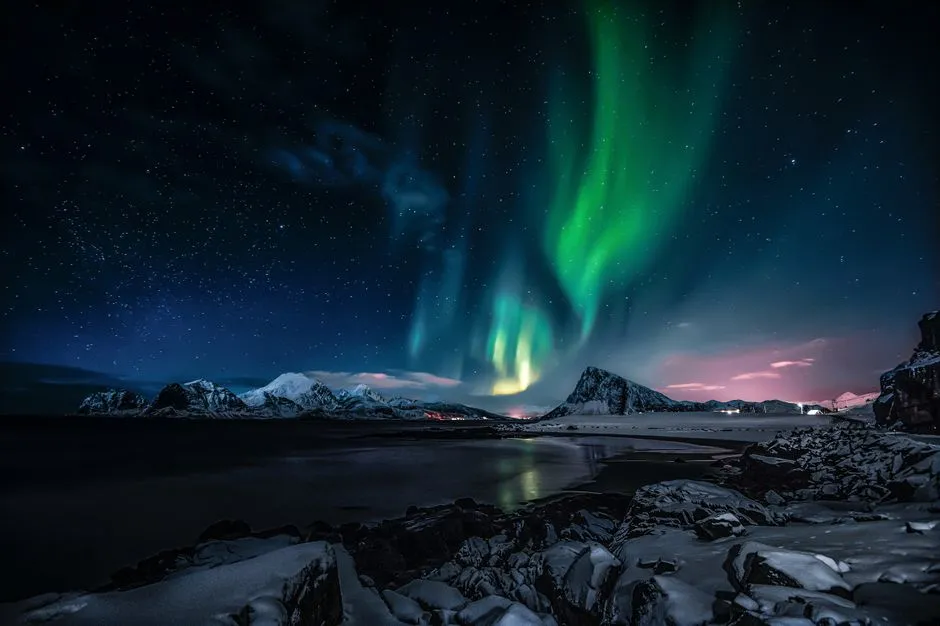
Aurora activity follows geomagnetic midnight, not local midnight. This is when your location’s magnetic field lines are most stretched by solar wind interaction. In practice, this shifts the ideal alarm time slightly depending on where you are in the world.
For Tromsø in Norway, geomagnetic midnight falls around 10:30 PM local time, making the peak aurora window roughly 10 PM to 1 AM. For Fairbanks, Alaska, it shifts later, with the peak window running from around 11 PM to 2:30 AM. Hosts at well-run resorts factor this in, which is why the alarm won’t always ring at the same time two nights in a row.
How the Aurora Alarm System Actually Works
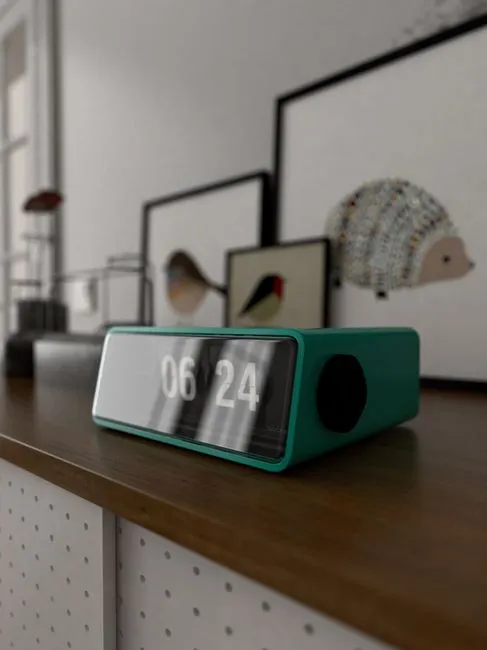
What resort alarm systems typically monitor is the KP index, which measures geomagnetic activity, alongside live cloud cover via satellite. A KP of 3 or above is generally the threshold for a visible aurora at Finnish latitudes. The alarm wakes guests when lights are already visible, not just when the forecast looks promising.
The Northern Light Watcher service used at some Finnish resorts monitors the night sky and alerts interested guests in glass igloos as soon as there is something happening in the sky. Glass igloos at Arctic SnowHotel, for example, feature an integrated alert system so guests will be notified by the Northern Lights watcher as soon as the auroras appear. It’s a human-operated service, not just a sensor, and that distinction matters on nights when conditions are borderline.
The Case for Setting Your Own Alarm at 11 PM
The 10 PM to 2 AM window should not be interpreted as an appointment. A display can begin at 7 PM, fade before midnight, return at 1 AM, or continue toward dawn. If the sky is clear and the forecast is promising, being outside or watching through the glass is more useful than waiting indoors for an exact clock time.
Many experienced guests at glass igloo resorts adopt a simple habit: they set a personal alarm for around 11 PM regardless of whether an official alert is promised. Statistically, the window from 10 PM to 2 AM is the most active; activity can continue after 2 AM, especially during storms, so guests should not assume it’s over just because it’s late. Setting an alarm to check once, then deciding whether to stay up, is a practical middle ground.
What the KP Index Number Means for Your Night
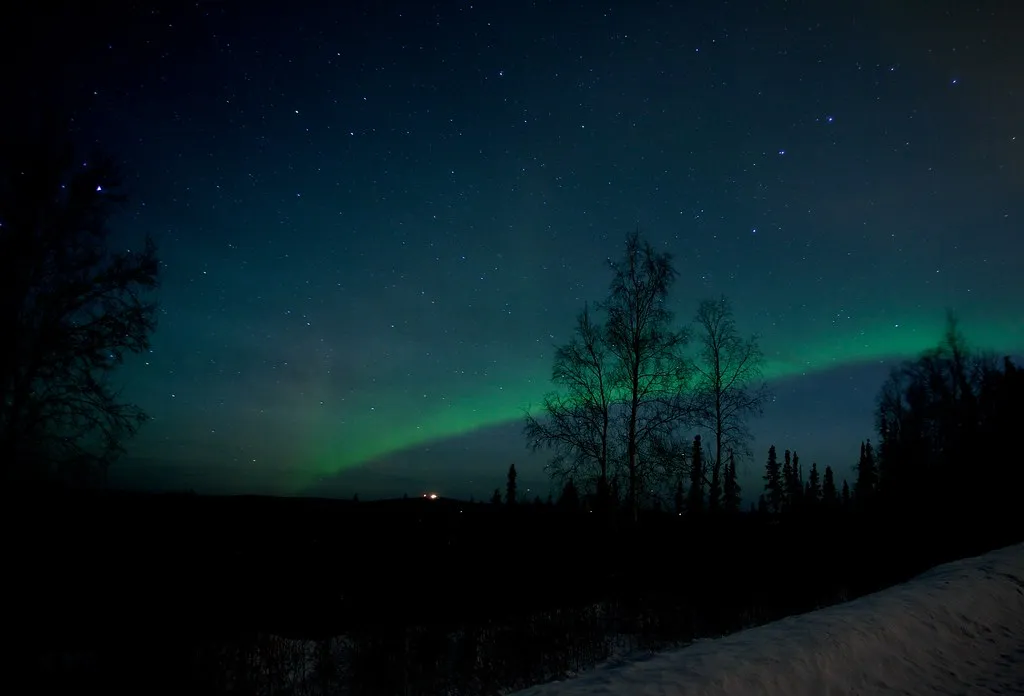
The KP index refers to the aurora borealis’ intensity on a scale of 0 to 9, based on solar wind and geomagnetic conditions. The higher the KP value, the more geomagnetic activity there is. A KP of 4 or higher typically offers the best chance of seeing strong, colorful auroras, especially in regions close to the Arctic Circle.
Hosts at the best igloo properties check this number multiple times each evening. In dark sky areas, if the aurora’s KP index is high, it may be possible to see the aurora earlier in the evening, which is why some guests receive alerts well before 10 PM during particularly active nights. During solar maximum periods, even a moderate KP reading can produce vivid displays at high latitudes.
The Light Inside Your Igloo Can Work Against You
One of the most consistently raised issues in guest reviews is the impact of interior room lighting on aurora viewing. When the lights inside your igloo are on, they reflect in the glass and make it much harder to see the sky. The solution is simple: switch off all interior lights before sleeping and keep the room dark.
Resorts that cluster many igloos together also face the problem of neighboring units leaving lights on, which is worth asking about when choosing between properties. The best way to photograph the aurora from inside is also with a slow shutter speed, and every single light inside the igloo needs to be switched off, including the smallest ones that may be coming from places you didn’t even notice. Darkness inside is as important as darkness outside.
Why Season Affects What Time You Should Wake Up
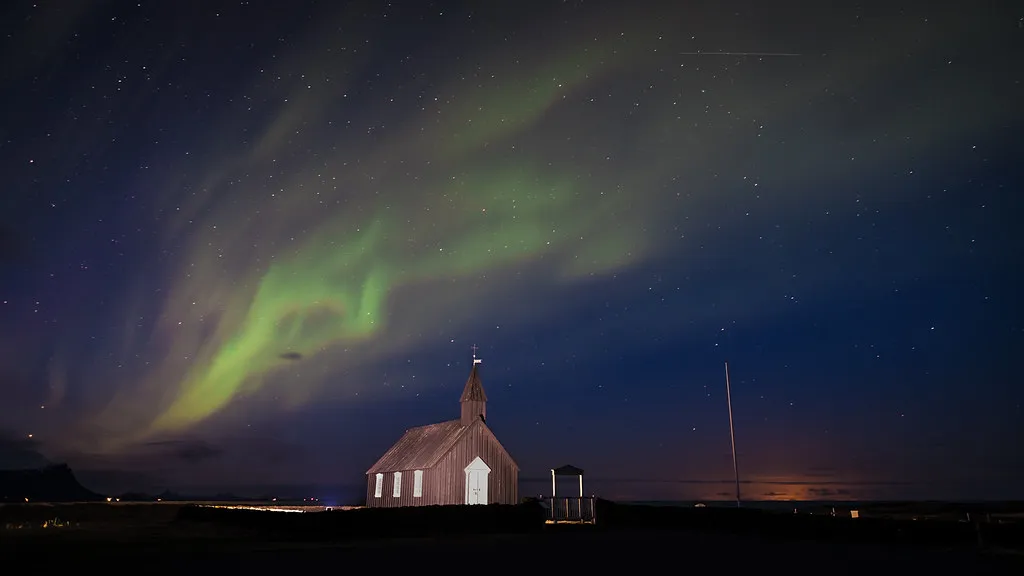
Winter offers the best chances of seeing the northern lights overall, with long dark nights and very little ambient light from the sun. The best time to visit is from December to February, though brilliant sightings are also reported from late August to April. In Finnish Lapland, the northern lights are visible on around 200 nights a year, meaning the odds are excellent if you travel in the right season.
By February and March, the sky is statistically clearer because precipitation has decreased. This, combined with the equinox aurora boost, makes late February and March arguably the best period overall. The equinox effect is real: March and September are statistically the best months due to the Russell-McPherron equinox effect, a geophysical phenomenon that increases solar wind coupling with Earth’s magnetic field around those dates.
How Glass Igloo Design Removes the Barrier to Midnight Viewing
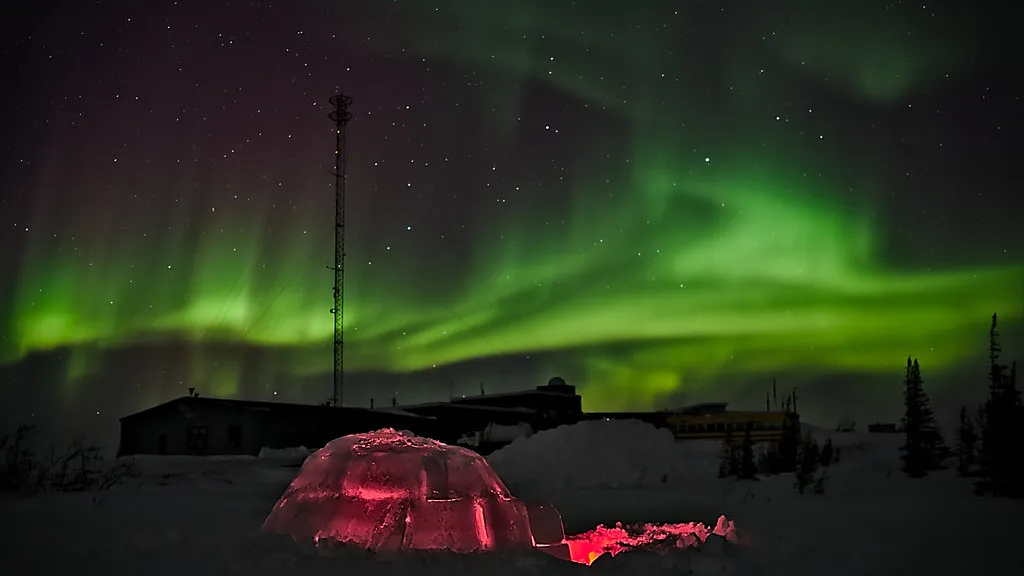
Aurora activity often peaks during late evening and early morning hours when outdoor temperatures in Lapland can drop to minus 30 degrees Celsius or lower. Glass igloos allow guests to stay warm and alert during these crucial viewing windows without the discomfort and safety concerns of extended outdoor exposure. That thermal comfort is genuinely what makes waking at midnight feel different in an igloo compared to a traditional hotel room.
Modern glass igloos incorporate heated glass technology that prevents condensation and ice formation, maintaining crystal-clear visibility even in extreme Arctic conditions. This technological advantage ensures your viewing experience remains uncompromised throughout your stay. The dome-shaped roof often offers a 360-degree view of the sky, and motorized beds in some models allow guests to find the most comfortable position for gazing at the night sky without leaving bed.
How Many Nights Do You Actually Need?
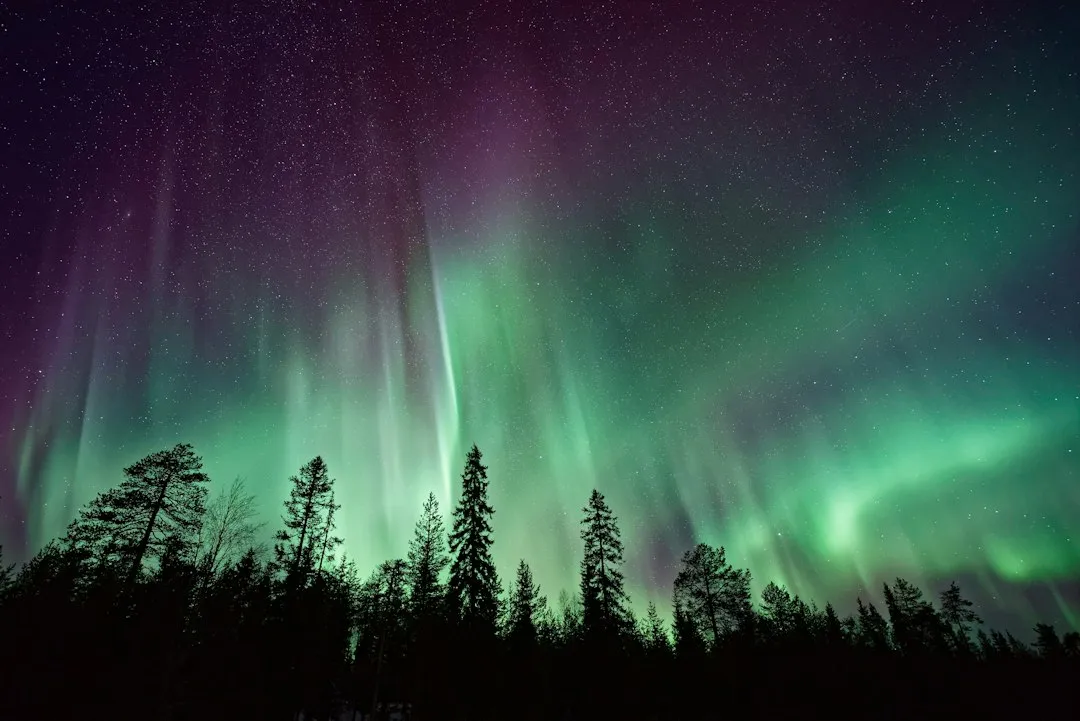
Like most natural phenomena, the northern lights don’t adhere to a strict schedule. It is best to give yourself at least two to three nights to experience the magic. One night is genuinely a gamble, and hosts are candid about this with guests who arrive expecting a guaranteed show.
Finnish Lapland glass igloo resorts offer roughly a 60 to 70 percent chance of seeing the aurora on a given three-night stay. That probability rises meaningfully with each additional night. Many experienced igloo travelers book stays during the shoulder season, since they are cheaper and the northern lights opportunities tend to be better in fall and spring. The math of probability quietly rewards patience.
The Takeaway
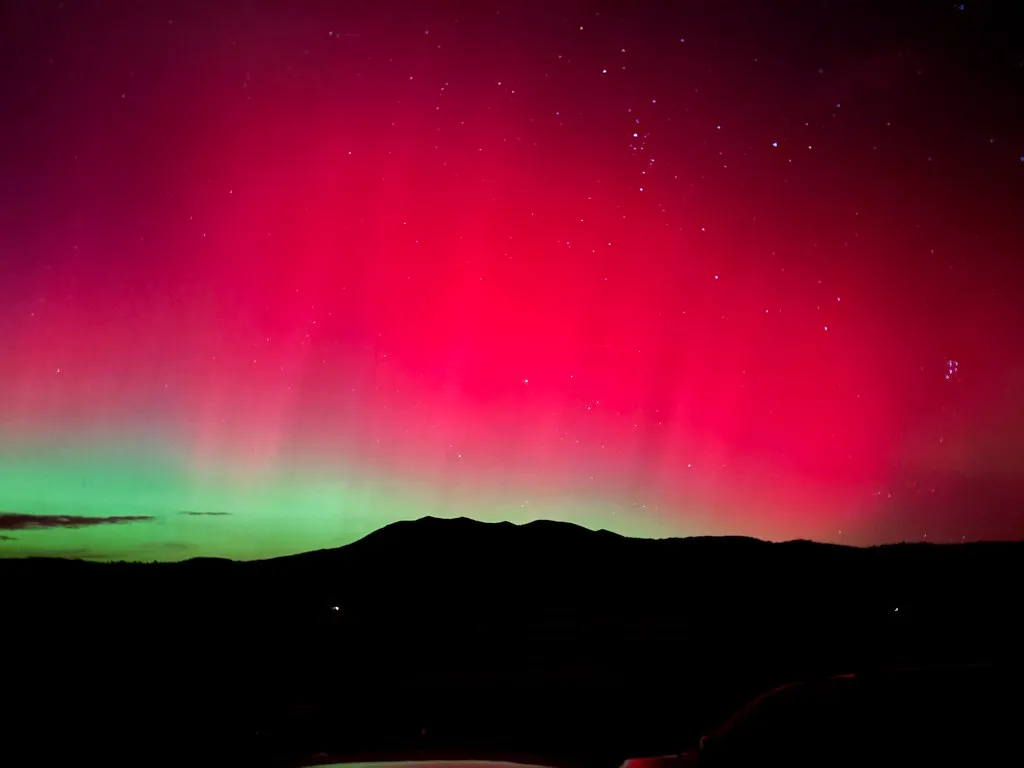
The hour glass igloo hosts keep pointing guests toward is midnight, give or take two hours on either side. It’s not folklore. It’s rooted in how the aurora oval aligns with Earth’s rotation, validated by NOAA, NASA’s space weather researchers, and the lived experience of hosts who have watched the sky for years.
Set your alarm for 11 PM. Let the resort’s aurora alert service handle the heavier monitoring. Keep your interior lights off before you sleep. The rest is down to solar wind, clear skies, and the quiet luck of being in the right place when the curtains appear overhead. Some things in travel are worth staying up for, and this is firmly one of them.
AI Disclaimer: This article was created with the assistance of AI tools and reviewed by a human editor.