
Most families who book a cruise spend weeks researching shore excursions and dining packages. The one thing that often gets glossed over in the planning process is sitting right there, tucked inside the cruise fare, ready to transform a family holiday into something genuinely special for kids of every age.
Youth staff across the major cruise lines consistently say the same thing: parents are surprised when they actually see what the kids’ clubs offer. Not just a room with toys, but structured, age-specific programming that rivals a summer camp at sea. Here is what those staff members know that most parents don’t find out until day two.
The Programs Are Genuinely Free, Not a Sales Pitch
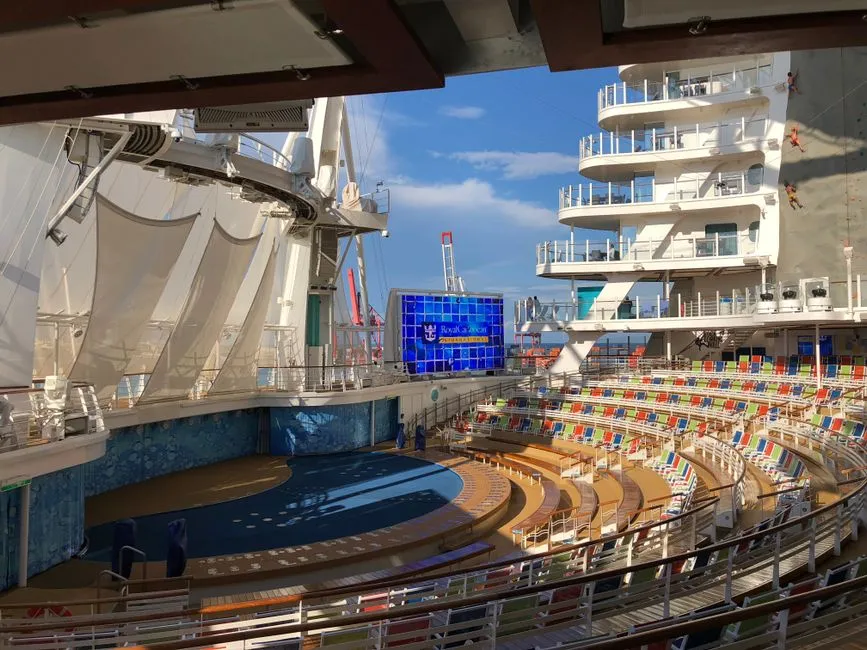
Adventure Ocean on Royal Caribbean is a complimentary, award-winning youth program designed specifically for kids ages three to 17. The same principle holds across most major lines. Norwegian Cruise Line offers complimentary kids’ clubs for all ages, allowing parents to enjoy time to themselves.
The club is free, although childcare fees may apply after 10 p.m. That caveat is worth knowing upfront, but it doesn’t change the core value during daytime and early evening hours. The cost of a comparable land-based camp program, even for a single week, would typically run well into the hundreds of dollars.
Staff Qualifications Are Much Higher Than People Assume
The kids clubs are run by the ship’s youth staff, who are trained and experienced in childcare. Royal Caribbean, for example, requires a four-year university degree in education or a related field and three to five years of work experience in childcare. These are not casual seasonal hires.
Youth staff on all lines take more of an active role in activities with younger kids and serve more as cool facilitators with the teens. The distinction matters. Younger children get hands-on supervision and structured play, while teenagers get a space that feels less like a daycare and more like a social club run by someone who actually understands adolescents.
The Age Groupings Are More Thoughtful Than Most Parents Expect
Teenagers are handled differently from younger children. For this age group, think less summer camp and more lounge: a dedicated, teen-only space where counselors host events around it rather than running kids through a rigid schedule. Most lines serve teens from thirteen to seventeen, and several split into a younger-teen and older-teen tier, so a thirteen-year-old is not thrown in with a near-adult.
On Icon of the Seas, Utopia of the Seas, Wonder of the Seas, and several other Royal Caribbean ships, Adventure Ocean is divided into groups like AO Babies and AO Kids. On other ships, the program splits into three groups: Aquanauts, Explorers, and Voyagers. The practical result is that an eight-year-old and a twelve-year-old are never in the same room doing the same activity.
The Science and STEM Programming Often Goes Completely Unnoticed

Adventure Ocean on Royal Caribbean is notable for including dedicated rooms for science-based activities, called the Adventure Science Lab, and an art-focused space called the Imagination Studio. Most families walk past these spaces without registering what they are.
Celebrity Cruises understands the importance of exposing young minds to STEM, which is why they partnered with The Frost Science Museum to create a one-of-a-kind educational experience onboard. The STEM at Sea program offers exclusive activities and events that engage and inform kids on topics such as marine wildlife, ecological conservation, and nautical exploration.
Many Royal Caribbean ships also offer STEM at Sea workshops where kids dive into robotics, coding, and marine science in interactive sessions. That is a meaningful enrichment opportunity, often built into the cruise fare, that parents are simply not aware they have access to.
Celebrity’s Camp at Sea Is One of the Most Customizable Programs Afloat
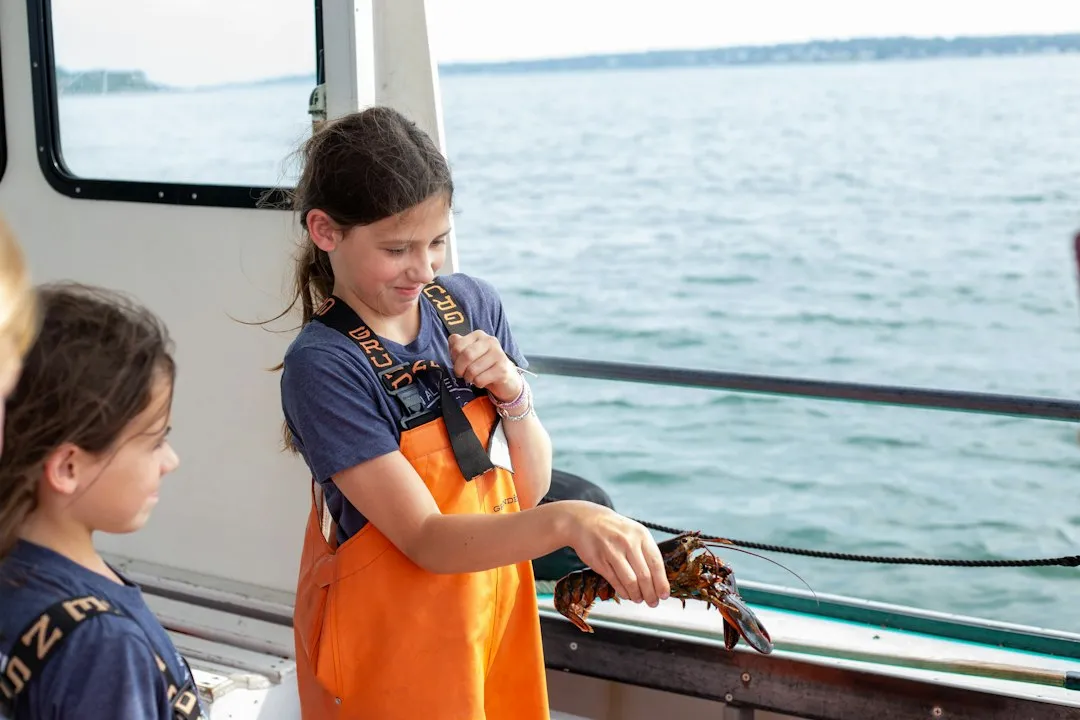
Camp at Sea is described as the only fully customizable kids’ cruise program in the industry. With over 500 activities to choose from, the schedule changes every sailing depending on the interests of the young cruisers. From arts and recreation to science and technology, the program covers all types of subjects and hobbies.
Celebrity’s program is often overlooked, but it is genuinely solid, with smaller class sizes, more one-on-one attention, and better staff-to-kid ratios. For families who want something more intimate than a mega-ship atmosphere, this distinction is worth knowing before you book.
Carnival’s Youth Program Runs Year-Round Across the Fleet
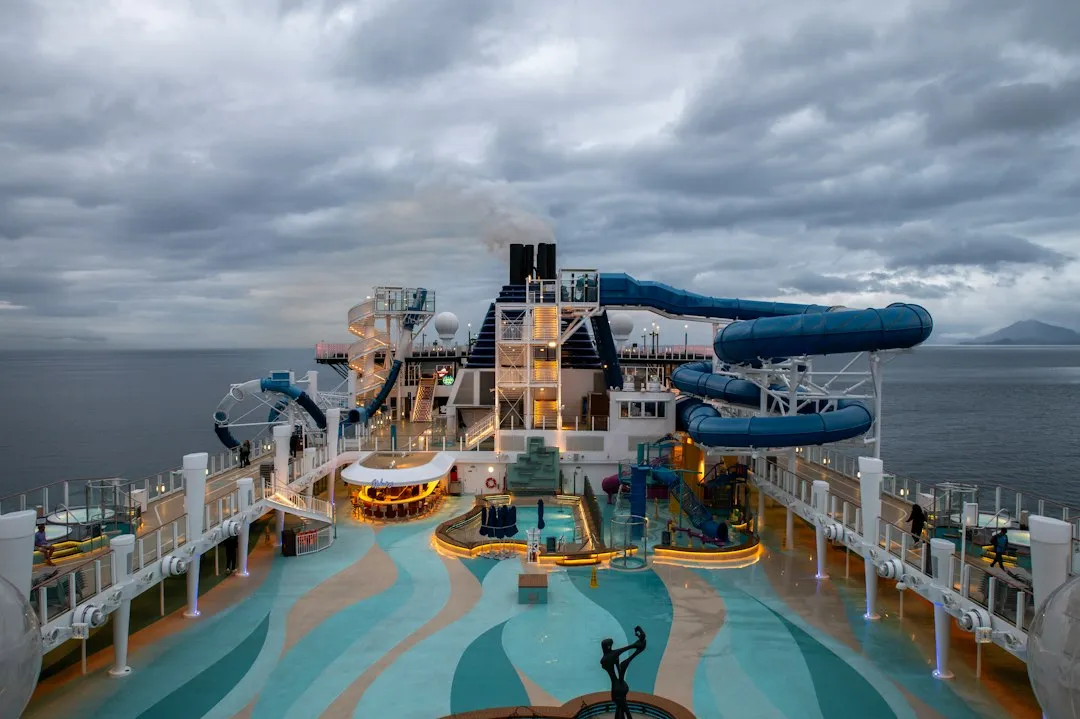
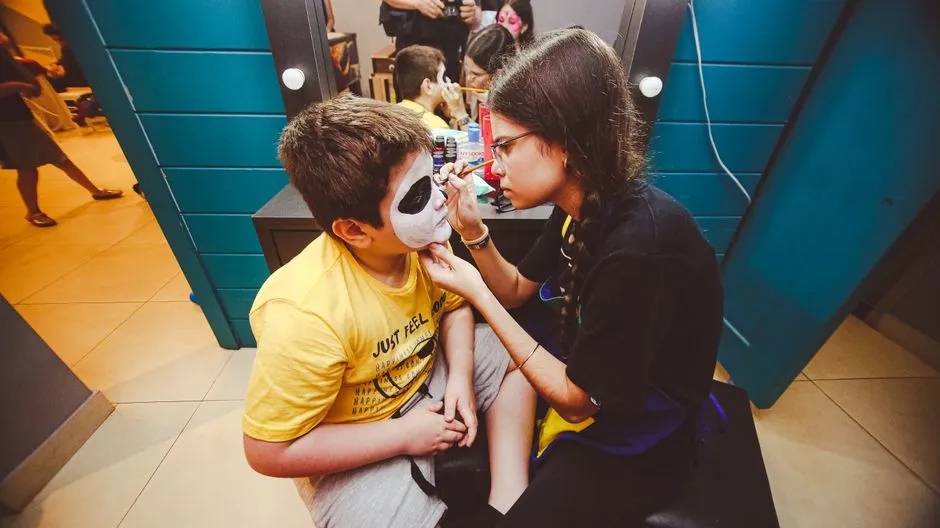
Carnival Cruise Line offers year-round, fleet-wide daytime youth programs for guests from six months to 17 years old. That consistency matters for families who cruise off-peak, when some lines reduce their programming. Toddlers from two to five years enjoy puppet shows, sponge painting, face painting, and crafts, and staff will change toddlers as long as diapers and supplies are provided. Activities for ages six to eight include arts and crafts, pizza parties, computer time, and fitness programs.
Tweens ages 12 to 14 appreciate the social events, parties, contests, and sports in Circle C. Every night they have access to the ship’s discos, followed by late-night movies, karaoke, or pizza. The teen-focused evening programming is particularly easy to miss in the daily schedule, since it starts later than most parents think to check.
MSC Includes Drop-Off Baby Care, Which Almost No Other Line Does for Free

Children of all ages can enjoy MSC’s complimentary kids’ club. Unlike most cruise lines, drop-off baby care is included in the children’s programming. Kids’ club hours are generally from 9:00 a.m. to 11:00 p.m. with occasional breaks during meal times.
For families with infants and toddlers, that single detail changes the entire dynamic of the holiday. Most lines either charge an hourly fee for nursery care or require a parent to remain in the room. Where a nursery exists on other lines, it generally takes children from six months old, charges an hourly fee, and requires reservations, sometimes well in advance, because capacity is small. MSC’s complimentary model is the exception, not the rule.
Port Days Are When the Programs Shine Brightest
On port days, the kids’ club will open 30 minutes before the first shore excursion departure. That timing is deliberate. Parents who want to explore a destination independently, or take an adult-focused excursion, can drop their children at the club knowing the day is fully covered.
Children can even be left onboard while parents go on excursions, as long as the club is notified at least 24 hours ahead of time, depending on the line. On Princess Cruises, the program is complimentary during port days, and advanced bookings are not required. Few parents plan around this, and it’s genuinely one of the most practical values a family cruise offers.
The Sign-In and Sign-Out System Is More Rigorous Than Parents Realize
Kids are not required to visit the kids’ clubs and can spend as much or as little time in the facilities as they and their families choose. Younger kids must be signed in and out by an adult caregiver; older children and teens can sign themselves in and out.
Self-sign-out is commonly switched off on port days and is often restricted late at night. The single most confusing piece for many families is what happens at the changeover from the free daytime program to the paid evening hours, usually around ten o’clock. Knowing that boundary in advance keeps the evening from turning into an unexpected expense. On Royal Caribbean’s Icon of the Seas, the door leading into the nursery is locked and can only be opened by staff members from the inside, reflecting a level of security parents rarely anticipate.
Princess Cruises Has a Stargazing Program Most Families Never Discover
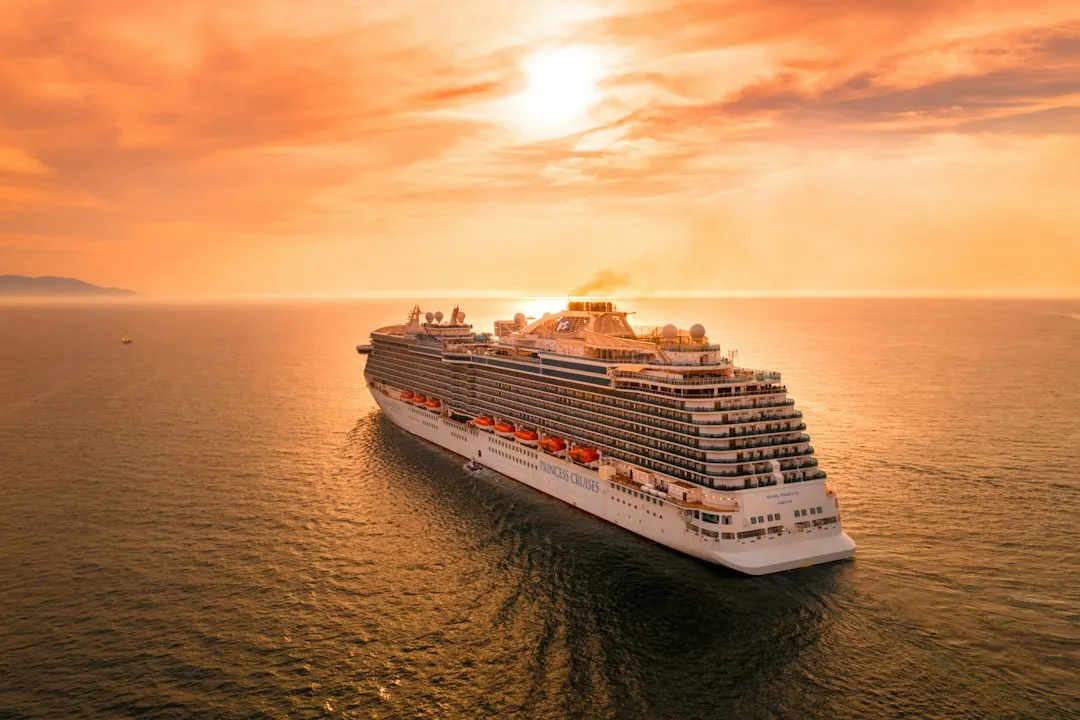
Princess Cruises partners with the Discovery Channel through its Discovery at SEA program, offering a range of science-focused activities for kids. Young travelers can take part in hands-on experiments, build model ships, or even conduct shark tooth fossil digs. One of the most unique educational offerings is Princess’s stargazing program, where kids and families can explore the night sky guided by expert astronomers.
That kind of experience is genuinely hard to replicate on land without a specialized camp or a museum visit. As Cruise Critic notes, even something as simple as a supervised kids’ club can make a big difference for families traveling together. The stargazing element takes it a step further, offering something that connects directly to the environment kids are actually sailing through.
The Takeaway
The youth programs on today’s major cruise ships are among the most underused included benefits in family travel. They are staffed by qualified professionals, structured by age group, and genuinely free during core hours on virtually every mainstream cruise line sailing today.
The families who know about these programs before they board tend to plan around them. Those who discover them on day two often wish they had registered their children on embarkation day. It’s a small planning detail that can make a meaningful difference to how a cruise actually feels, for parents and kids alike.
AI Disclaimer: This article was created with the assistance of AI tools and reviewed by a human editor.