

When Four Engines Were Simply Necessary
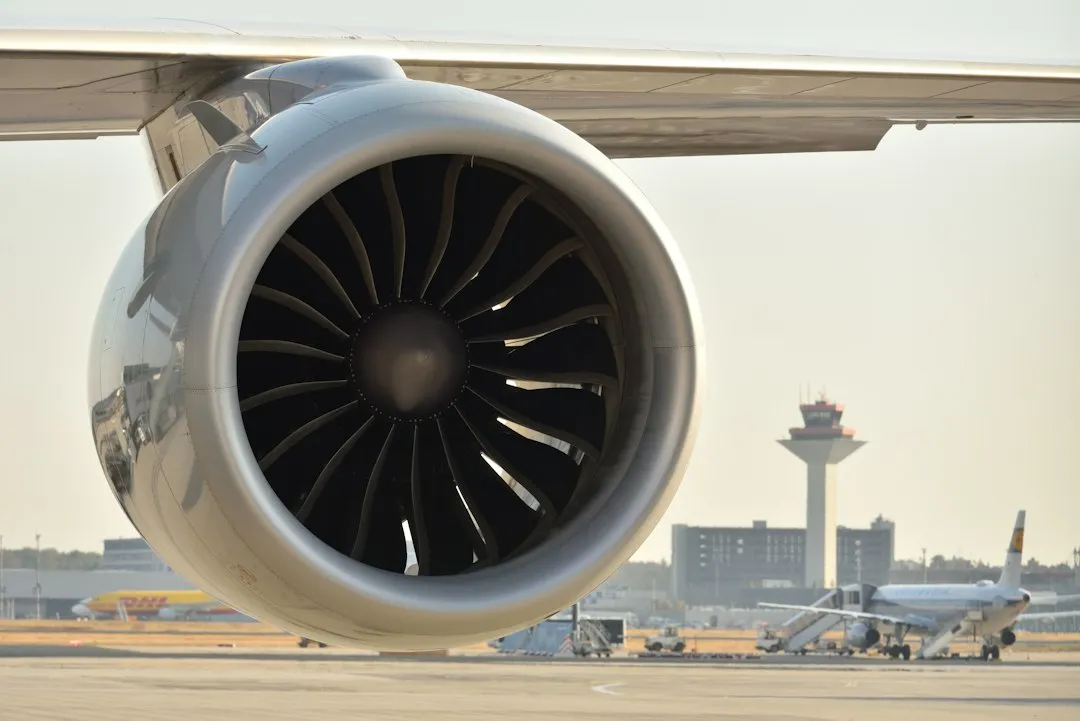
Early jet engines did not produce enough thrust to lift a big long-haul airliner on two. That basic fact shaped nearly everything about commercial aviation in the 1950s and 1960s. Many of the first purpose-built jet airliners of the 1950s had four engines, among which stands the de Havilland Comet, the world’s first commercial jetliner.
The presence of four engines offered increased power and redundancy, allowing such aircraft to be used as airliners, freighters, and military aircraft. Regulators at the time also required twin-engine jets to stay within 60 minutes of a suitable diversion airport at all times, which made them essentially useless for transoceanic routes. Four engines weren’t just preferred – they were required by the physics and the rules of the era.
The 60-Minute Rule That Kept Twins Grounded

Twinjet designs were limited by the FAA’s 60-minute rule, whereby the flight path of twin-engine jetliners was restricted to within 60 minutes’ flying time from a suitable airport in case of engine failure. This effectively locked twin-engine aircraft out of long overwater routes for much of early commercial aviation history.
Prior to the introduction of ETOPS, only trijets and quadjets were able to perform long international flights over areas without any diversion airports. The logic was straightforward: if one engine failed over the middle of the Pacific, a twin-engine aircraft had precious little margin. Regulators did not trust twins far from land – if one engine failed over the middle of the Atlantic, the other had to keep the aircraft flying for hours.
How ETOPS Changed Everything
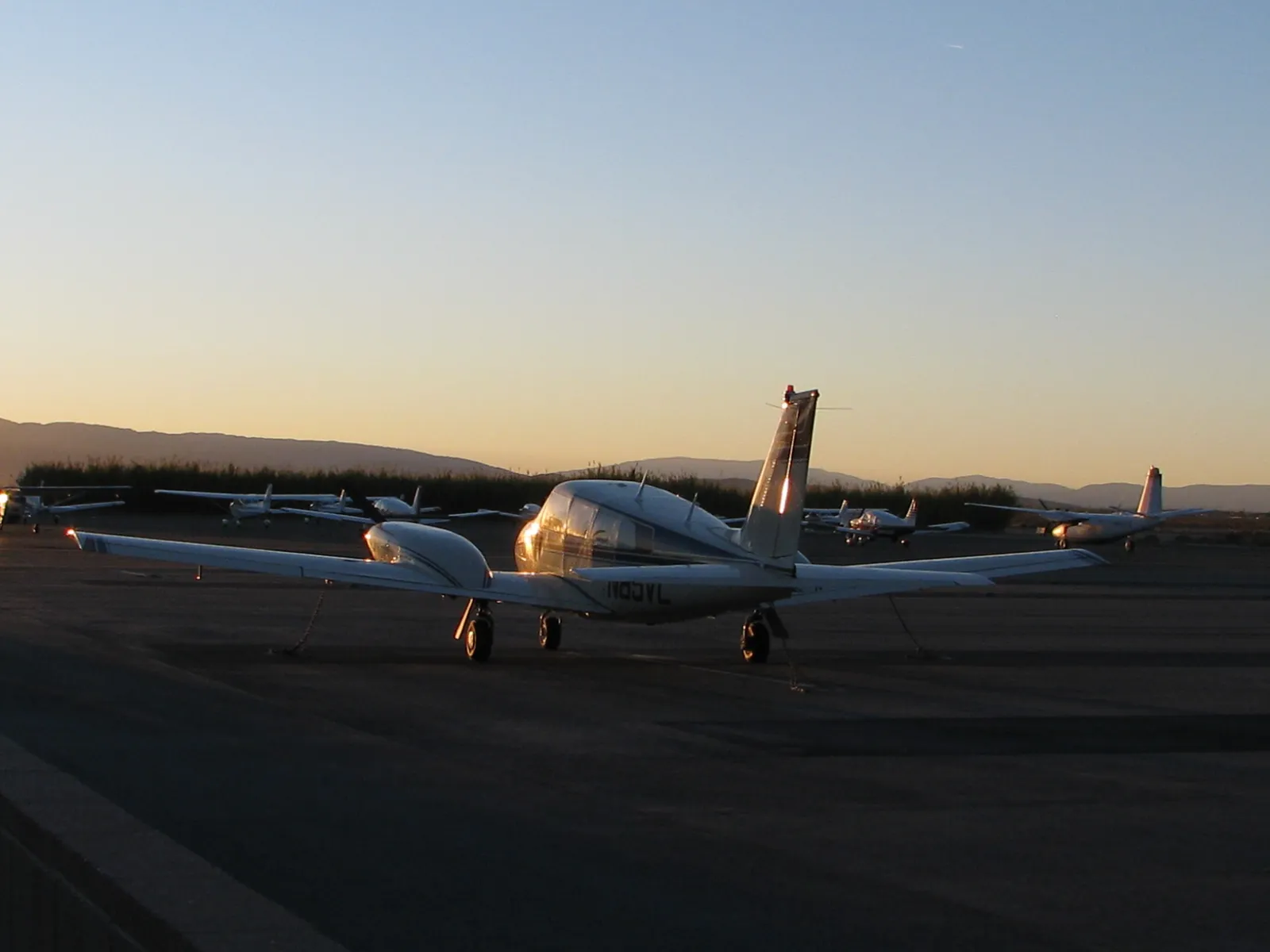
ETOPS, or Extended-range Twin-engine Operations Performance Standards, are safety standards set by the International Civil Aviation Organization for twin-engine commercial passenger aircraft operations. The concept emerged from a growing body of evidence that modern jet engines were far more reliable than early piston engines had ever been. ETOPS came about with the realisation and evidence that twin-engine flying was safer than first estimated.
In 1985, the FAA introduced the ETOPS regulations, designed specifically for twin-engine aircraft – standards that govern how far a twin-engine aircraft can fly from a suitable airport. The first rating was given to Trans World Airlines flying a 767, with a rating of 120 minutes. That was the beginning of a regulatory transformation that would eventually reshape the entire global fleet.
Engine Technology Took a Quantum Leap
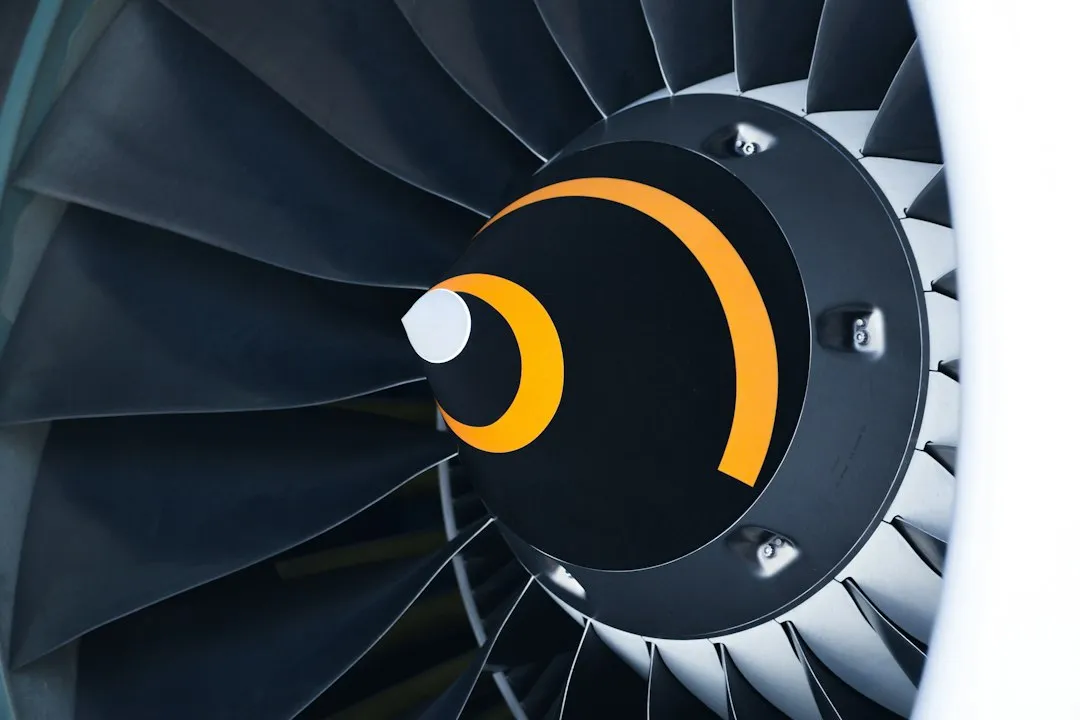
The dominance of four-engine airliners began to falter as jet engines became more powerful and reliable. Advances in turbofan technology meant that two engines could provide the thrust once requiring four, while also burning less fuel and weighing less. The numbers tell the story clearly: a 1958 Pratt & Whitney JT3D engine, used on the Boeing 707, had a thrust of around 17,000 pounds, versus a Rolls-Royce Trent 900 engine, in use on the A380, with around 80,000 pounds of thrust.
Further advancements in high-bypass turbofan technology and subsequent relaxation in airline safety rules made the quadjet and trijet nearly obsolete for passenger services, as their range and payload could be covered more efficiently with large twin-engine aircraft. This wasn’t incremental improvement. It was a fundamental change in what two engines could do.
The Fuel Bill Nobody Could Ignore
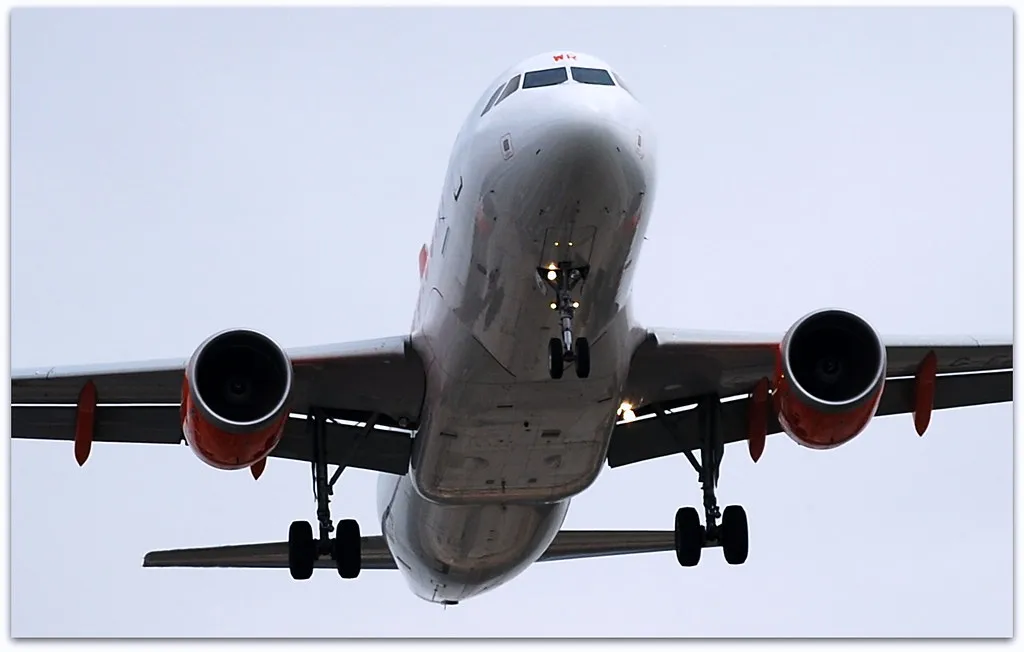
Two large modern engines burn roughly 20 to 30 percent less fuel than four of similar total thrust, need less maintenance, and ETOPS rules now let twins fly almost anywhere in the world. For airlines, fuel is the single largest operational expense, and the math here was impossible to argue with. Flying with four engines consumes more fuel than using just two, and airlines, always looking to reduce costs, are shunning these thirsty quadjets in favor of economical twinjets.
Even with upgraded engines, four-engine aircraft still carry two extra engines compared with comparable twin-engine types, and each additional engine adds weight, drag, and maintenance complexity. Studies of transpacific operations suggest that large four-engine jets remain roughly 20 to 25 percent less fuel-efficient per passenger. When fuel prices spike, those percentages translate into hundreds of millions of dollars across a large fleet.
Maintenance Costs Made the Case Even Stronger
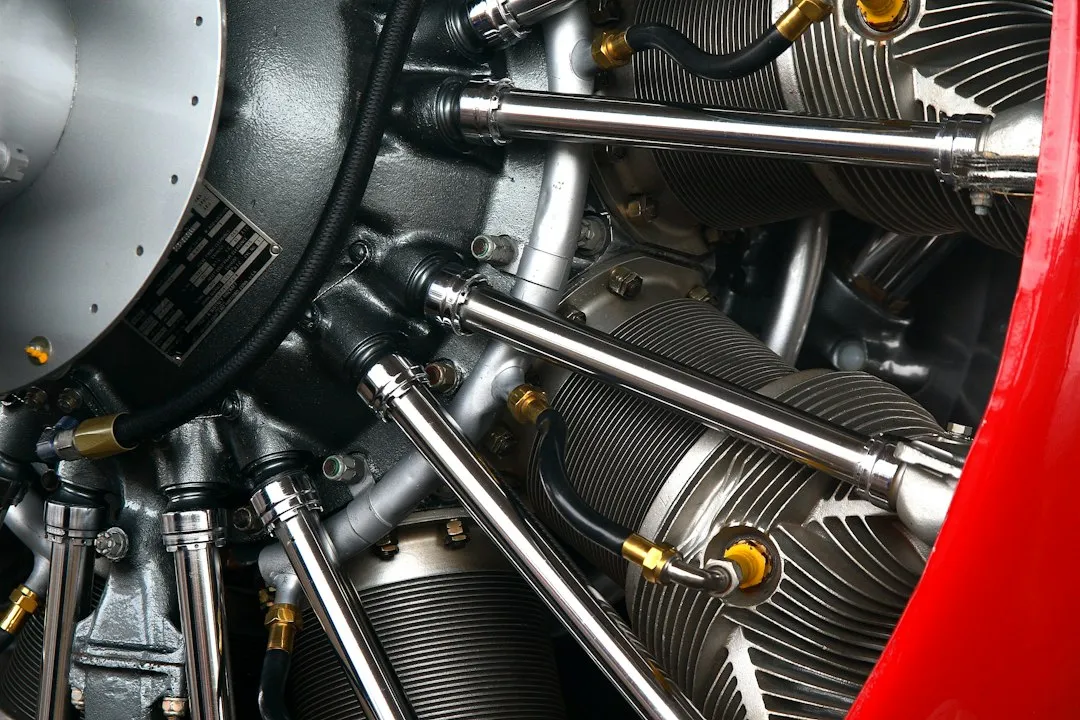
By swapping four smaller engines for two larger, more efficient ones, airlines halve maintenance hours, reduce ground-handling complexity, and unlock new route opportunities without ETOPS constraints. Engine maintenance is among the most expensive recurring costs an airline faces, and having half the number of engines to inspect, overhaul, and replace is a considerable advantage at scale.
Modern commercial airliners favor twin-engine designs due to superior fuel efficiency, lower operating costs, and reduced maintenance complexity. Advances in turbofan engine technology have dramatically improved their reliability, allowing twin-engine aircraft to be certified for extended overwater flights. The weight and aerodynamic drag of two engines are significantly less than four, leading to substantial fuel savings that directly impact an airline’s profitability.
The Boeing 777 and 787 Proved the Twin Could Do It All
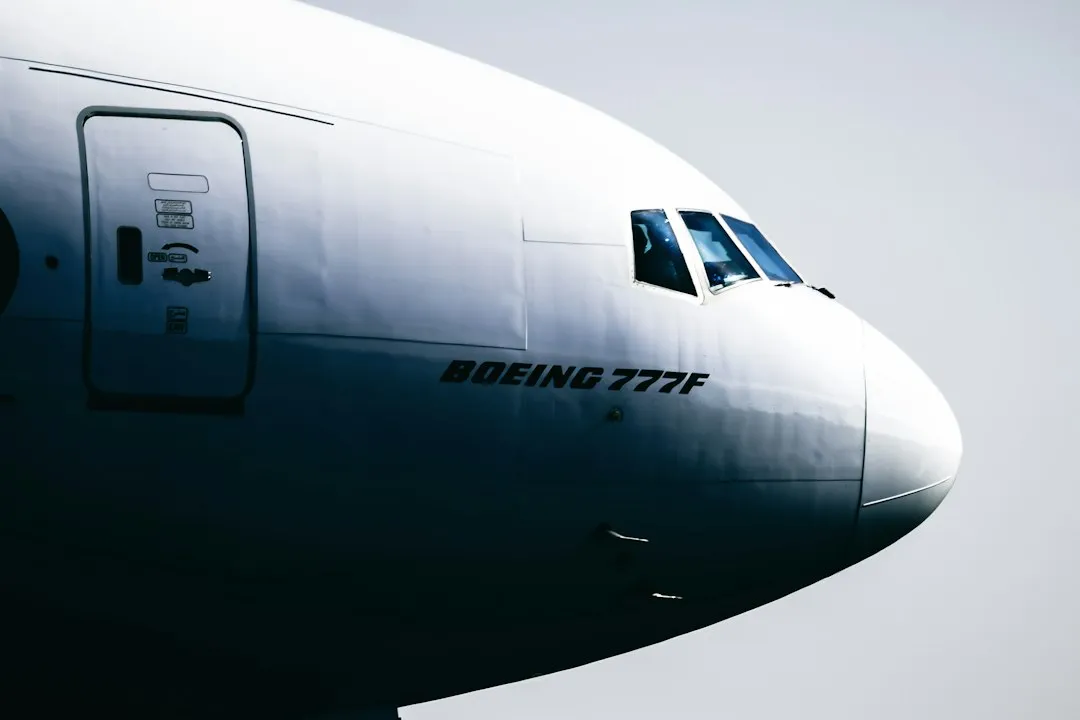
A modern twinjet could carry more passengers than the Airbus A340, and nearly as many as the Boeing 747, but with far lower operating costs. The Boeing 777 family demonstrated this convincingly in real-world airline operations over many years. The Boeing 787 Dreamliner is another ultra-efficient wide-body twinjet, recording over 1,800 orders and deliveries since its introduction in 2011.
The twinjet Boeing 787 and the A350 now fly on most of the world’s longest routes and are swiftly replacing quads as the flagships of choice of most fleets. The Airbus A350 is now rated to fly 370 minutes from a diversion airport, a number that would have been inconceivable in the early days of twin-engine overwater operations. That rating alone illustrates how completely the regulatory landscape has shifted.
The Slow Retirement of the Great Four-Engine Classics
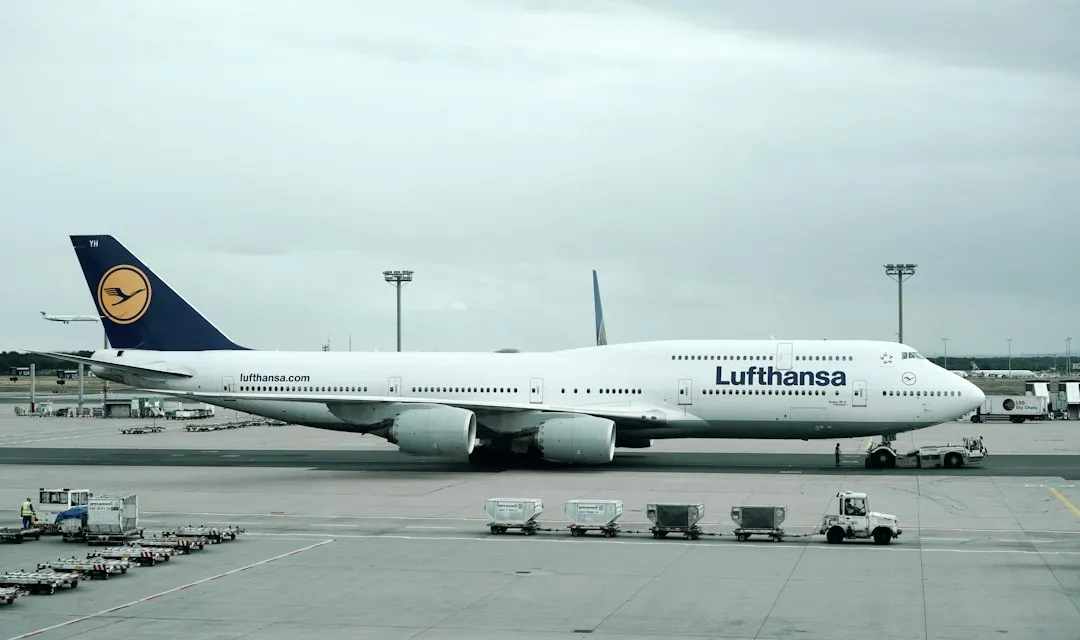
The Boeing 747 has been out of production since 2022. The last Airbus A380 was delivered in 2021. In barely five years, the four-engined long-haul airliner has gone from the backbone of world travel to a museum piece. The speed of this transition caught even some industry observers off guard.
Lufthansa announced it would withdraw its remaining Airbus A340-600s and two more of its Boeing 747-400s, while also bringing an abrupt end to regional jet operations at its Lufthansa CityLine subsidiary. While the retirement of these aircraft had long been expected, a fuel shock brought forward Lufthansa’s timeline. Lufthansa’s Airbus A340s and Boeing 747-400s are set to retire by 2028. The A380 remains the one quadjet still operating at meaningful scale, with Emirates committed to the type and planning to fly the A380 until around 2040.
ETOPS Limits Kept Expanding, Removing Every Remaining Objection
From 1985 onward, the allowed diversion times for twin-engine aircraft increased steadily – from 120 minutes to 180 minutes, until they exceeded 300 minutes for the latest models. Each extension opened more routes to twin-engine aircraft that had previously required quads. The ETOPS rating of various airliners continued to increase, with the Airbus A350XWB now permitted 370 minutes.
ICAO introduced the term “Extended Diversion Time Operations” or EDTO in 2017, reflecting how normalized these extended operations had become across the industry. What was once a carefully managed exception is now simply how long-haul aviation works. The rules caught up with the technology, and the four-engine jet had no argument left to make.
Will Four Engines Ever Come Back?
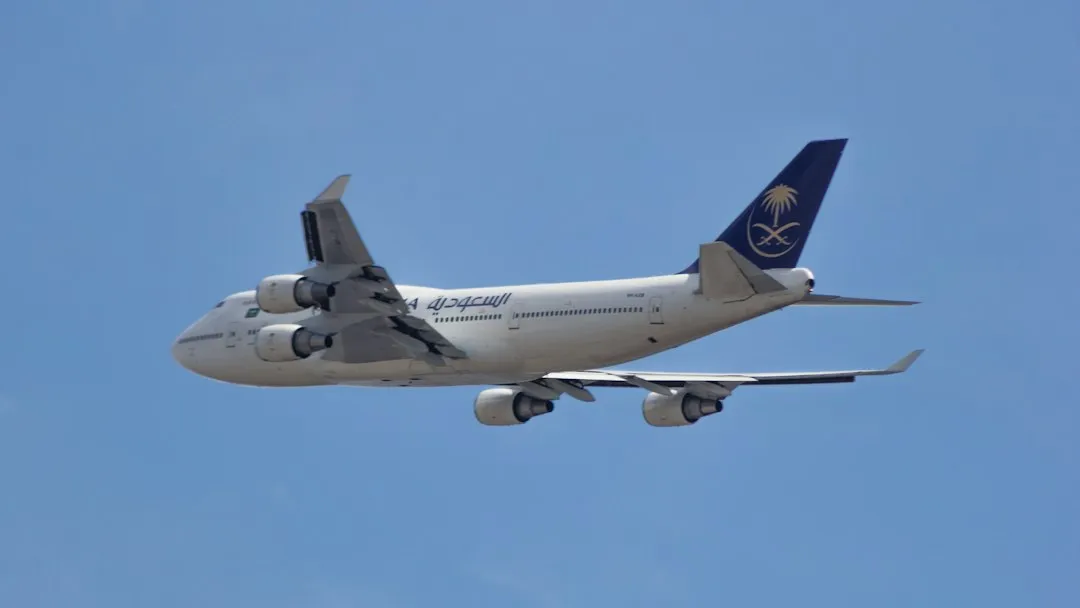
The prospects for a full-scale return of quad-engine passenger aircraft remain slim. For most airlines, efficiency and flexibility outweigh the redundancy and size advantages of four engines. Modern twinjets already offer long range, high reliability, and ample capacity for nearly all commercial routes. The economics simply do not support a revival.
The three most recent quadjet designs, the Airbus A340, A380, and Boeing 747, ended production in recent years due to a lack of orders, and a key factor for these three planes’ lack of orders was their inefficiency. One area where four engines may persist is in specialized supersonic aviation: no supersonic engine currently exists powerful enough to allow a twinjet design, and Boom Aviation changed its supersonic Overture design to a quadjet configuration in 2022. For conventional commercial flying, though, the twin-engine era is not a trend. It is the settled state of the industry.
The Bigger Picture
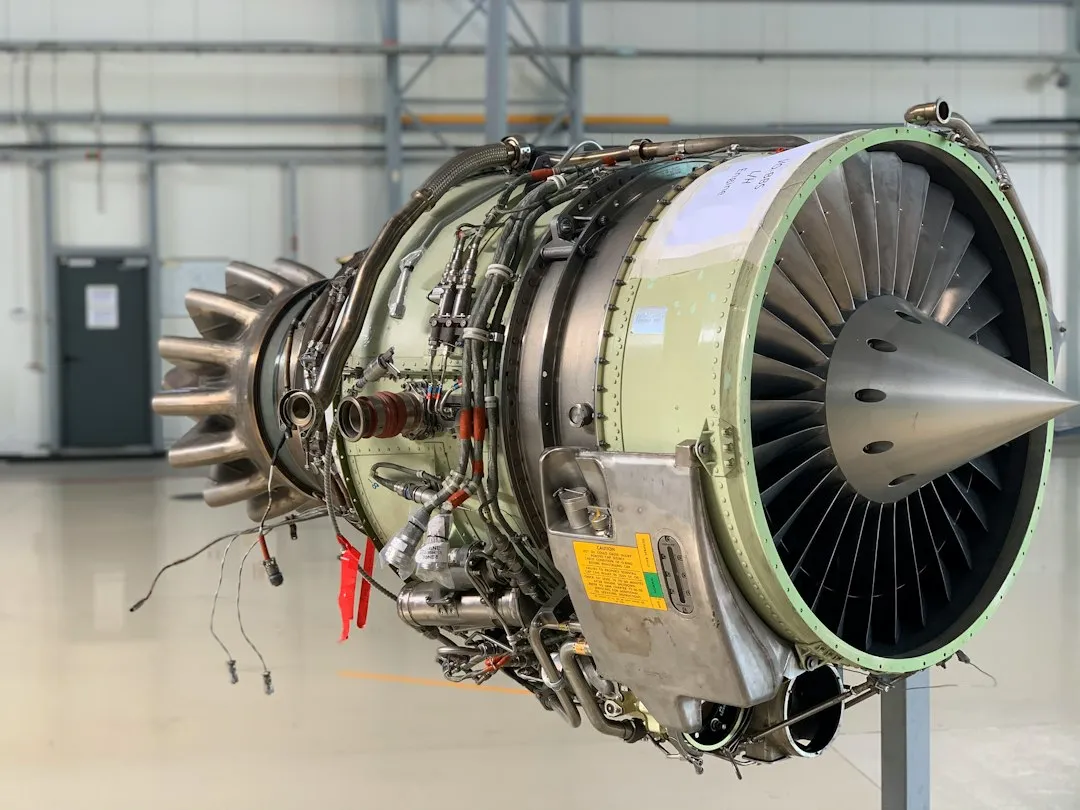
The shift from four engines to two is ultimately a story about trust – trust built through engineering, confirmed by data, and codified in regulation. Jet engines became so reliable that the redundancy of four of them stopped being a safety argument and started being a financial penalty. The industry responded accordingly.
With fuel costs rising and environmental regulations tightening, airlines have little incentive to revisit designs that are heavier, louder, and less efficient. The two-engine widebody is not a compromise. It is, for now, the best tool aviation has. The four-engine giants earned their place in history, but the math eventually grounded them – and the math shows no sign of changing.
AI Disclaimer: This article was created with the assistance of AI tools and reviewed by a human editor.