

The Problem That Started It All: Noise, Static, and Human Ears

The origins of the phonetic alphabet are rooted in the early days of radio communication, where clarity and precision were essential. In the chaotic airwaves of the early 20th century, pilots and air traffic controllers struggled with inherent noise and interference, which often led to dangerous misunderstandings. The human ear, under stress, in noisy conditions, does not reliably distinguish between letters like “B” and “D,” or “M” and “N.”
Because some letters sound similar, such as M and N or G and J, they can generate confusion between two people communicating with different accents or when communication lines are poor. The phonetic alphabet was developed specifically to limit that confusion between the cockpit and the tower.
Radio Communication and the Birth of a Need
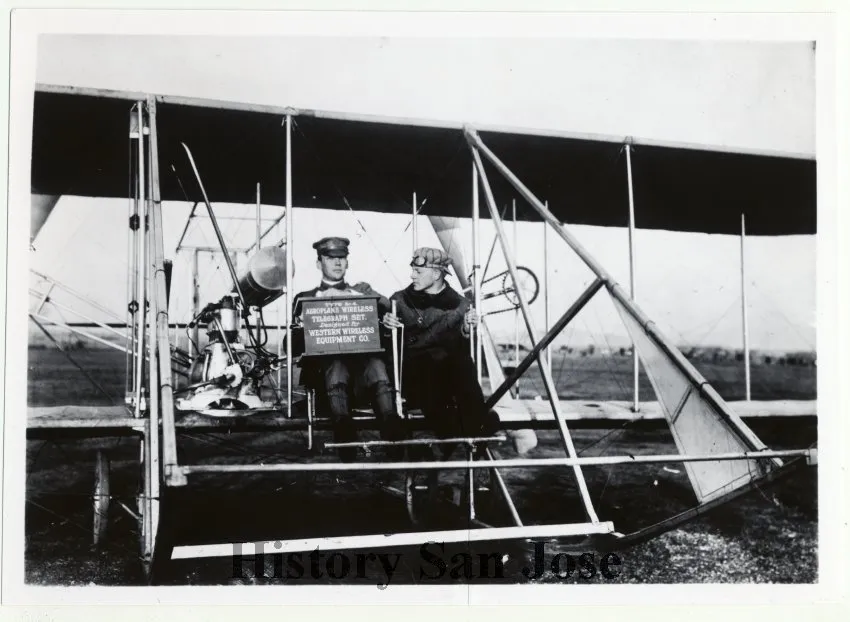
In some ways, the growth of aviation is tied directly to radio transmission development. As air traffic grew in the early 20th century, so did the urgency to communicate letters and codes with absolute precision. Simply saying the letter “P” over a crackling radio, especially to someone speaking a different first language, was a recipe for confusion.
The NATO phonetic alphabet was created to make communications more uniform and to increase the understanding of radio transmissions in aviation. The core idea was simple: replace each letter with a full word that sounds nothing like any other word in the system.
Early Alphabets: The “Able Baker” Era
During World War II, the Allies used the “Able Baker” alphabet, where A was “Able” and B was “Baker.” It was functional, but it had a fatal flaw: the words were English-centric and fell apart for non-English speakers. For a global conflict drawing personnel from dozens of countries and language backgrounds, that was a serious operational problem.
Militaries around the world were using their own versions of such an alphabet, which resulted in the rather chaotic reality of every different branch of the armed service in Britain and the United States utilizing entirely different versions. Clearly, a standard needed to be created, and WWII was a prime opportunity. However, the two countries couldn’t agree on what alphabet to use.
The Scientists and Linguists Who Built the Solution

Between 1948 and 1949, linguist Jean-Paul Vinay of the Université de Montréal worked with the ICAO to design a genuinely international alphabet. The rules were strict: each word had to be a living word in English, French, and Spanish; easy for pilots of any language background to pronounce and recognize; clear over radio; similarly spelled across languages; and free of any awkward associations.
Behind the polished simplicity of Alfa, Bravo, Charlie lies years of research, testing, and revision, much of it led by two key figures: Major R. E. Handy of the US Army Air Corps and Canadian linguist Jean-Paul Vinay. Together, their efforts in the early 1950s transformed what had been a loose patchwork of military alphabets into a single, scientifically tuned language for global aviation. Many of the final changes, such as spelling Alfa with an “f” and Juliett with two “t”s, came directly from Vinay’s recommendations to accommodate speakers of Romance languages.
Official Adoption: 1956 and Unchanged Ever Since

The alphabet was defined in 1955 and 1956 by the International Civil Aviation Organization (ICAO). In 1956, NATO adopted a modified version of the ICAO Radiotelephony Spelling Alphabet to ensure uniformity across all member countries. The timing was no accident: the postwar boom in international civil aviation demanded a single shared standard.
The result was implemented on March 1, 1956. NATO adopted it the same year. The ITU followed by 1959. Not a single code word has changed since. The same 26 words that a pilot in 1956 used are exactly what a pilot uses today. That kind of longevity is a quiet testament to how well the system was originally designed.
How the Words Were Chosen: A Science, Not a Guess
The alphabet uses carefully selected words that sound distinct from one another, such as Alpha, Bravo, Charlie, Delta, Echo, and Foxtrot. Each word represents a letter of the alphabet and is chosen to reduce the chances of confusion even in poor communication conditions. No two words were allowed to rhyme or share similar stress patterns.
This version was meticulously tested for intelligibility and distinctiveness across various languages and communication environments, ensuring its effectiveness in global aviation. This “acoustic redundancy,” as linguists describe it, makes the alphabet resilient against the unpredictable distortions of radio communication.
The Real Cost of Getting It Wrong: Communication and Aviation Accidents

The language of international aviation communication is English, but numerous aviation incidents and accidents have involved miscommunication between pilots and air traffic controllers, many of whom are not native speakers of the language. The stakes of that gap are measurably high.
According to data from ICAO and the Federal Aviation Administration (FAA), around three quarters of aviation accidents and incidents worldwide involve human factors, and among those numbers, nearly one third are caused by communication errors between pilots and ATC. Miscommunication has been a critical factor in over 2,000 aviation-related accidents that resulted in fatalities, particularly since the mid-1970s. These numbers underline why a carefully designed, universal spelling system is far more than a professional formality.
How It Works in Practice: From Call Signs to Runways
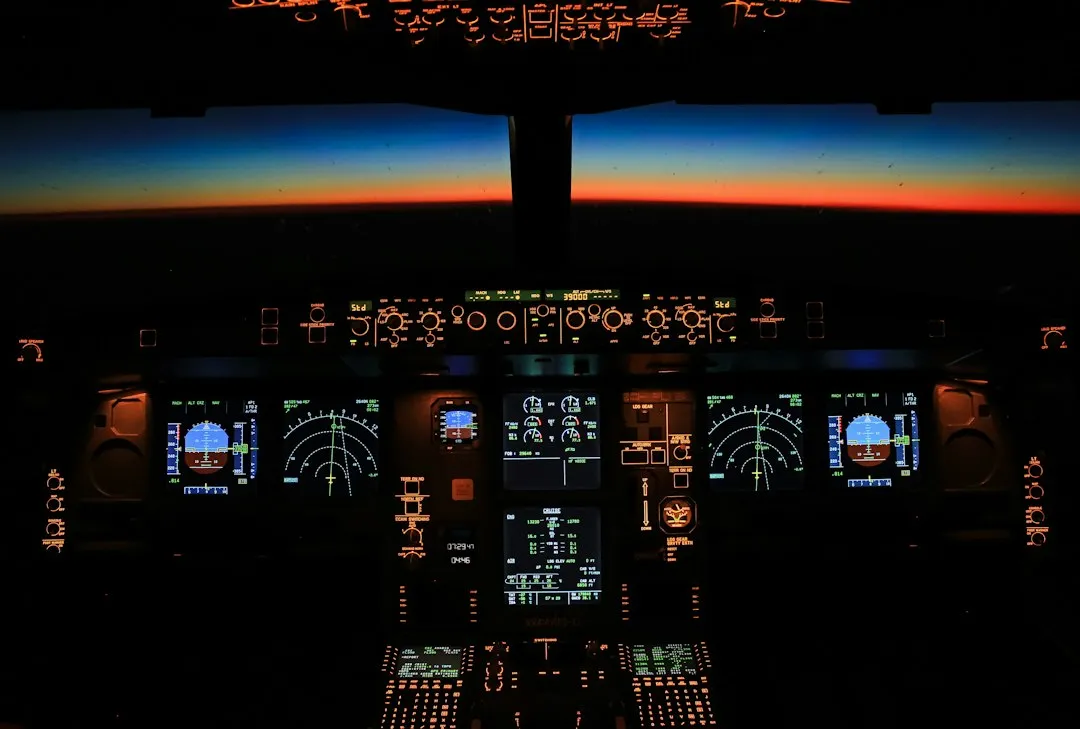
Radio transmissions can be distorted by static, engine noise, and accents. Certain letters, like “M” and “N” or “B” and “D,” sound similar and can be easily confused. By replacing letters with unique, standardized code words, pilots, air traffic controllers, and ground crews can communicate with greater accuracy.
The alphabet is designed to minimize potential confusion, as radio and telephonic communication can be subject to static or other interference. For example, the message “proceed to map grid DH98” would be read out as “proceed to map grid Delta-Hotel-Niner-Eight.” It’s the difference between a misheard instruction and a clear, unambiguous command.
Beyond Aviation: A System the World Adopted
The International Air Transport Association also adopted this method. It is used for airline ticketing, baggage tags, airway bills, and flight identifiers. For trade and cargo, it supports accurate tracking of shipments and coordination between international carriers.
The International Maritime Organization also adopted the system, making it essential for shipping communication. Ships use it to exchange port names, vessel call signs, and cargo details without error. Emergency services, military operations, and even customer service call centers around the world now lean on the same 26 words a pilot first learned in 1956.
Why It Still Matters in an Age of Digital Aviation
Even with new technologies like datalink messaging, the alphabet remains indispensable. In emergencies, when digital systems fail, radio and phonetics remain the pilot’s most trusted tools. No software update, satellite link, or automated system has yet managed to replace the clarity of a human voice saying “Foxtrot Lima Yankee” over a radio channel.
Today, every member of the flying world, from air traffic controllers to pilots, learns the phonetic alphabet in basic training to communicate with each other. It is one of the few things shared universally across every airline, every military branch, and every control tower on the planet, regardless of the local language spoken on the ground.
The Takeaway
What sounds like a quirky bit of aviation culture turns out to be a carefully engineered safety system with a long and serious history. Every word, from Alpha to Zulu, was chosen with scientific intent: to survive noise, accent, distance, and stress.
The next time you overhear a pilot read back a clearance, or a gate agent spell out a name over a noisy terminal, you’re witnessing the quiet success of one of aviation’s most durable inventions. Decades of collaboration, linguistics, and hard-won lessons from real accidents went into those 26 words. They earned their place in every cockpit in the world.
AI Disclaimer: This article was created with the assistance of AI tools and reviewed by a human editor.