
The Ship That Started It All: LZ 127 Graf Zeppelin
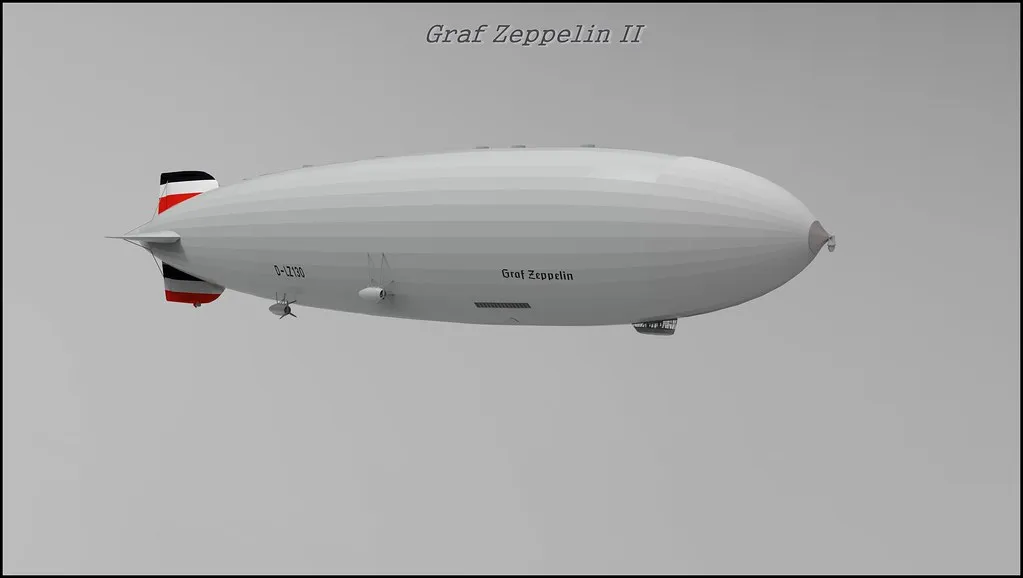
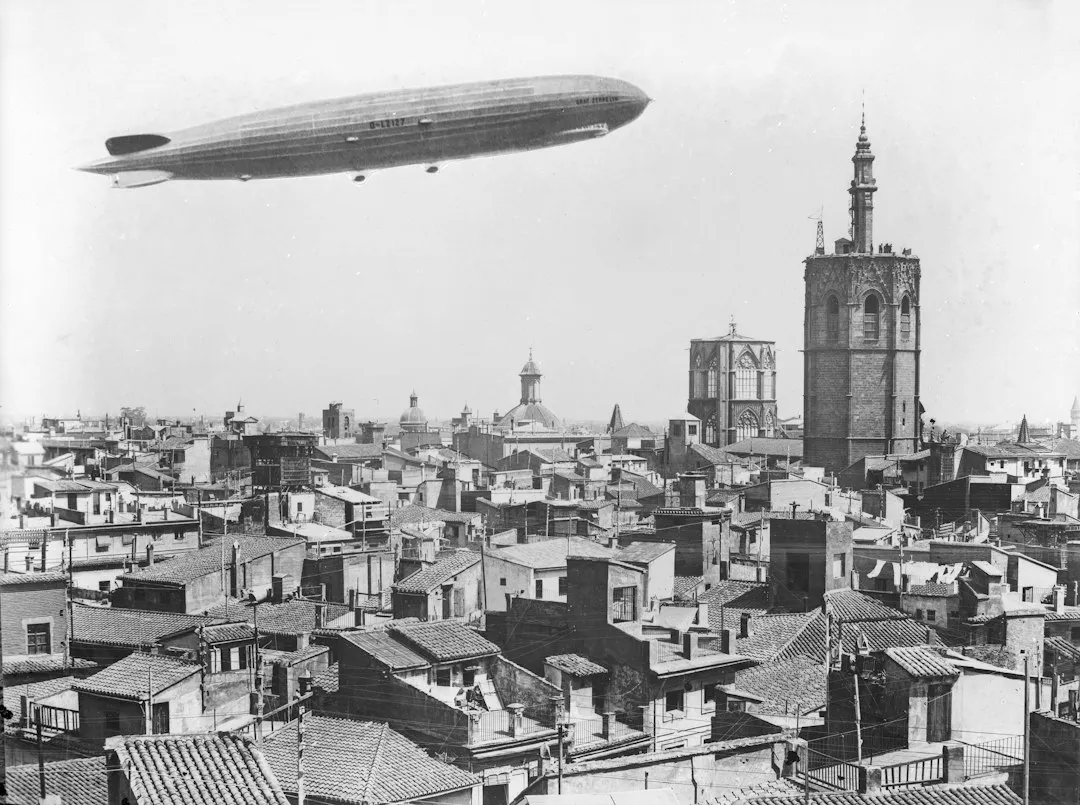
The LZ 127 Graf Zeppelin was a German passenger-carrying, hydrogen-filled rigid airship that flew from 1928 to 1937, and it offered the first commercial transatlantic passenger flight service in history. That fact alone earns it a permanent place in the story of global travel.
The ship was named after German airship pioneer Ferdinand von Zeppelin, and it was conceived and operated by Hugo Eckener, the chairman of Luftschiffbau Zeppelin. Eckener was a skilled commander and a genuine believer in the future of airship travel, and he pushed the machine to its limits with remarkable discipline.
Graf Zeppelin made 590 flights totalling almost 1.7 million kilometres, was operated by a crew of 36, could carry 24 passengers, and was the longest and largest airship in the world when it was built.
The First Crossing: October 1928
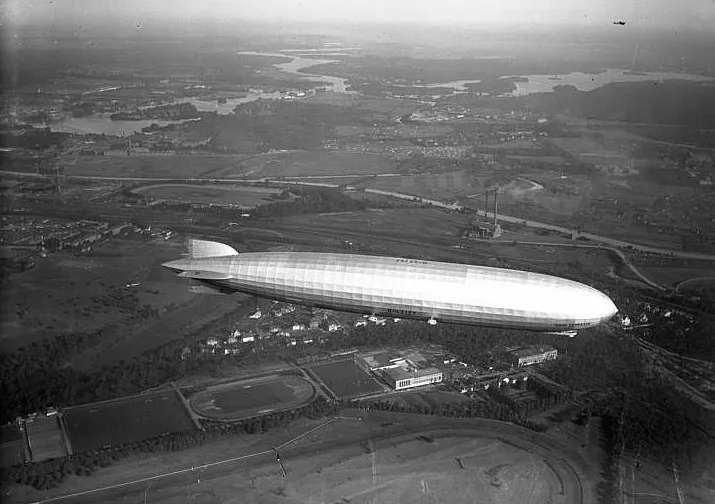
Graf Zeppelin made the very first commercial passenger flight across the Atlantic, departing Friedrichshafen at 07:54 on October 11, 1928, and landing at Lakehurst, New Jersey on October 15, after a flight of 111 hours and 44 minutes. That is more than four and a half days in the air, over a mostly featureless ocean.
The ship’s first transatlantic crossing almost ended in disaster when it encountered a strong squall line on the morning of October 13. The ship endured an overnight gale that blew it backward in the air and 320 km off course to the coast of Newfoundland, and the wind caused the structure of the ship to bend visibly.
On the return flight, Clara Adams became the first female paying passenger to fly transatlantic. A small but telling detail: from the very beginning, this was a form of travel that attracted curious, bold people.
What the Ticket Cost You
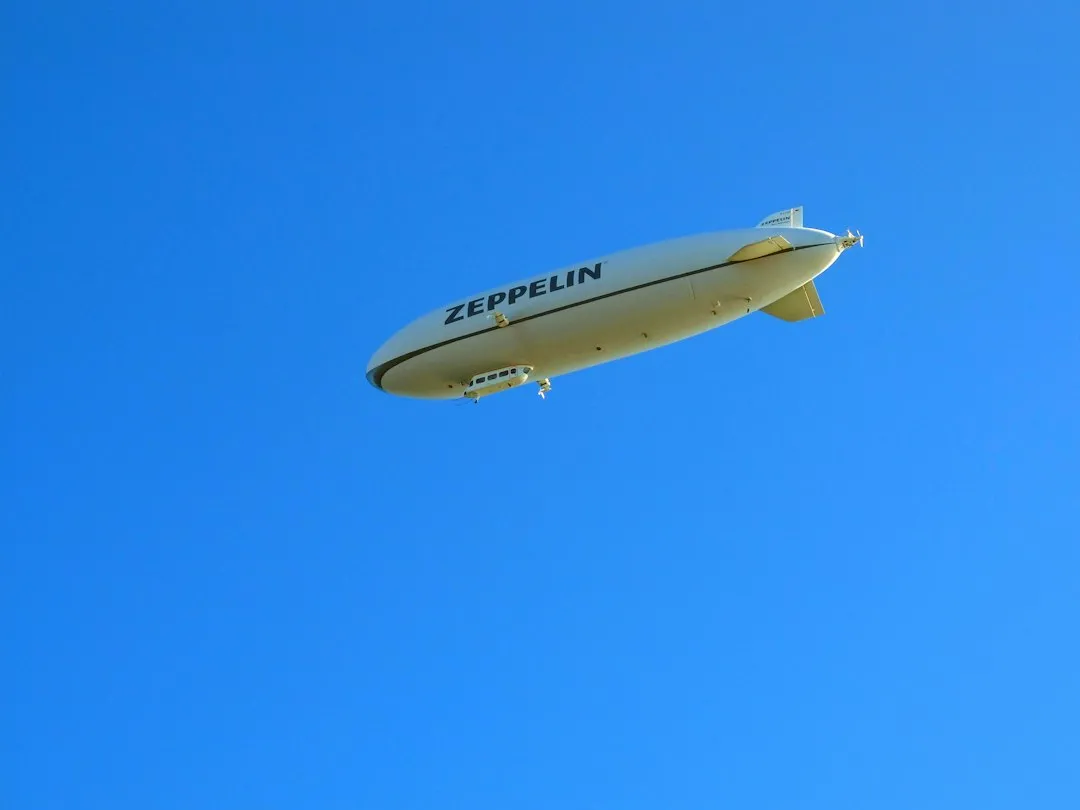
While passengers paid premium fares to fly on the LZ 127, a ticket from Germany to Rio de Janeiro in 1934 cost 1,500 Reichsmarks, equal to around $590 US dollars at the time, or roughly $10,600 in 2016 values. This was not travel for the average person.
Traveling across the Atlantic on a Zeppelin airship was a luxurious experience reserved for the wealthiest passengers. The Hindenburg, which came later, cost $400 one way in 1936 and $450 in 1937. For comparison, a first class passage on a German ocean liner could cost as little as $157.
The price carried a meaning beyond comfort. Booking a passage on a zeppelin in the 1930s was a statement of status, of daring, and of a very modern kind of ambition.
Life Aboard: Cabins, Dining, and Promenade Decks
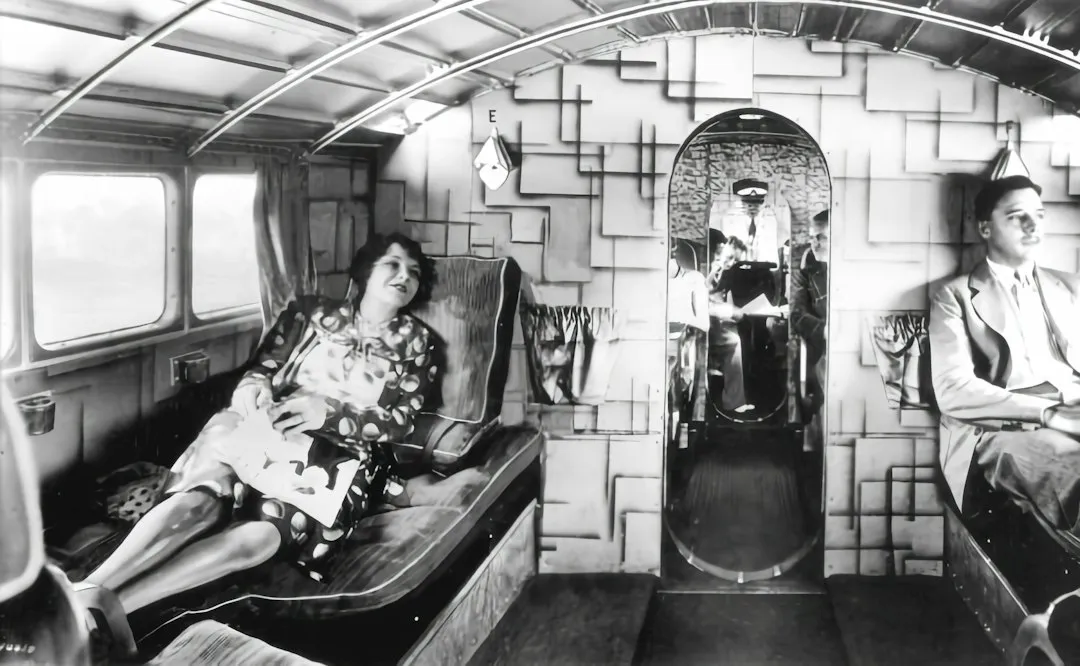
The Hindenburg’s passengers, primarily business professionals and occasionally their families, enjoyed lavish onboard service and comforts, including a large lounge, sumptuous meals and superb German wines, promenade decks, a pressurized smoking room, and a writing room.
Hindenburg’s passengers could travel from Europe to North and South America in half the time of the fastest ocean liner, and they traveled in luxurious interiors, enjoying meals in an elegant dining room, listening to an aluminum piano in a modern lounge, sleeping in comfortable cabins, and even having a cigarette in the ship’s smoking room.
The passenger cabins were compact, built strictly for overnight use, and each one included a fold-down bunk, storage space, and a washbasin with running water. Hot and cold running water in a flying aircraft was genuinely rare for the 1930s.
The Hindenburg: A Larger Stage
In 1936, a second zeppelin entered service for transatlantic flights: LZ 129, known as the Hindenburg. It was even larger at roughly 250 meters in length and had an increased passenger capacity of over 50.
The Hindenburg’s interior furnishings were designed by Fritz August Breuhaus, whose design experience included Pullman coaches, ocean liners, and warships of the German Navy. The result was something genuinely distinctive. Floating 300 meters above the ocean in a room with slanted windows and fresh linen was unlike anything else aviation had produced.
In 1936, Hindenburg had a Blüthner aluminum grand piano placed on board in the music salon, though the instrument was removed after the first year to save weight. Even the piano had to justify its existence in terms of kilograms.
Speed versus the Ocean Liner
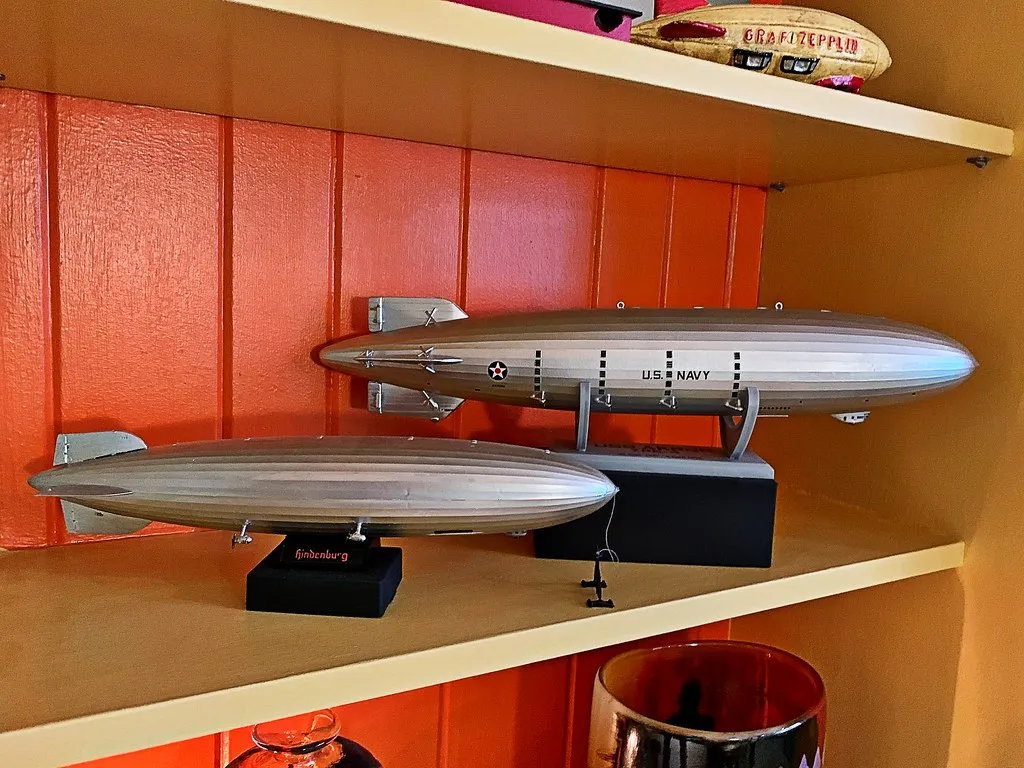
The airships Graf Zeppelin and Hindenburg crossed the Atlantic in two or three days, faster than contemporary ocean liners. The great steamships of the era, as grand as they were, could take five to seven days depending on conditions and route.
The Hindenburg was conceived as a transatlantic travel option for the well-heeled that was faster than the deluxe cruise liners of its day, making the journey in two and a half days, twice as fast as the Queen Mary, the star of the Cunard line.
The introduction of the Graf Zeppelin enabled DELAG to launch regular, nonstop, transatlantic flights several years before airplanes would be capable of sufficient range to cross the ocean without stopping. Zeppelins were not a curiosity alongside aircraft. For a significant period, they were simply better at the job.
The Brazil Route: A Scheduled Service Across the South Atlantic
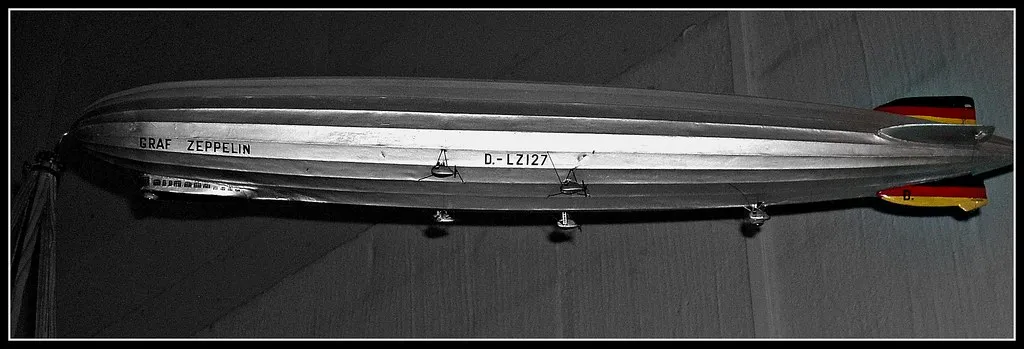
The Graf Zeppelin’s operational history included five years of regular passenger and mail flights from Germany to Brazil, in addition to a polar exploration mission, a round-the-world trip, and trips to the Middle East and the Americas.
LZ 127 made 136 crossings of the South Atlantic without accident. The ship had an impressive length of 236 meters and a crew of about 40 people, but it could carry only about 25 passengers, making it a very expensive, high-end service.
Commercial services on the Hindenburg commenced on March 31, 1936, with the first of seven round trips to Rio de Janeiro. Together with ten round trips to New York City, Hindenburg covered over 308,000 kilometres that year, carrying 2,798 passengers and 160 tons of freight and mail.
A Record-Breaking Career, by Any Measure
During its career, the Graf Zeppelin flew more than one and a half million kilometres over 590 flights and made 144 ocean crossings, carrying 13,110 passengers, with a perfect passenger safety record, making it the most successful rigid airship ever built.
The Graf Zeppelin made the first circumnavigation of the world by airship, and the first nonstop crossing of the Pacific Ocean by air, with its range enhanced by its use of Blau gas as a fuel.
It was built using funds raised by public subscription and from the German government, and its operating costs were offset by the sale of special postage stamps to collectors, the support of newspaper magnate William Randolph Hearst, and cargo and passenger receipts. It was a genuine commercial enterprise, not a government vanity project.
The Hindenburg Disaster and the End of an Era
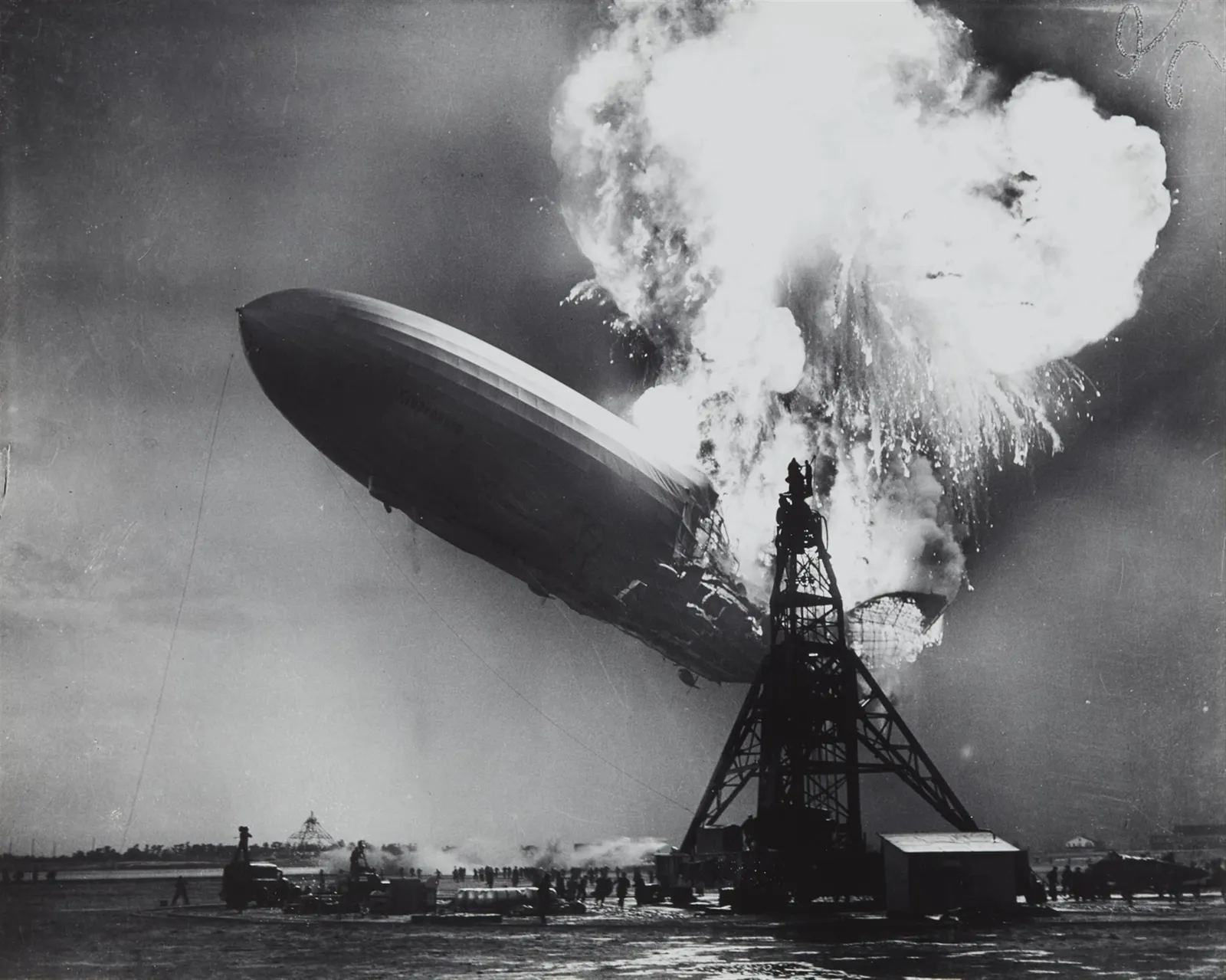
After a transatlantic journey, the Hindenburg crashed and burned while landing in Lakehurst, New Jersey on May 6, 1937. The zeppelin was carrying half its normal passenger load on that flight. Of the 97 people aboard, which included 61 crewmen and 36 passengers, 65 lived through the catastrophe while 36 people perished.
The Hindenburg disaster at Lakehurst on May 6, 1937, brought an end to the age of the rigid airship. The live radio coverage that reached audiences around the world that evening made the shock immediate and visceral in a way that no previous aviation accident had been.
Graf Zeppelin was over the Canary Islands on the last day of a South American flight from Brazil when its crew received news of the Hindenburg disaster. Captain Hans von Schiller withheld the news from his passengers and told them of the disaster only after the ship’s safe landing in Germany. Graf Zeppelin landed in Friedrichshafen on May 8, 1937, and never carried a paying passenger again.
What the Zeppelin Museum Preserves Today
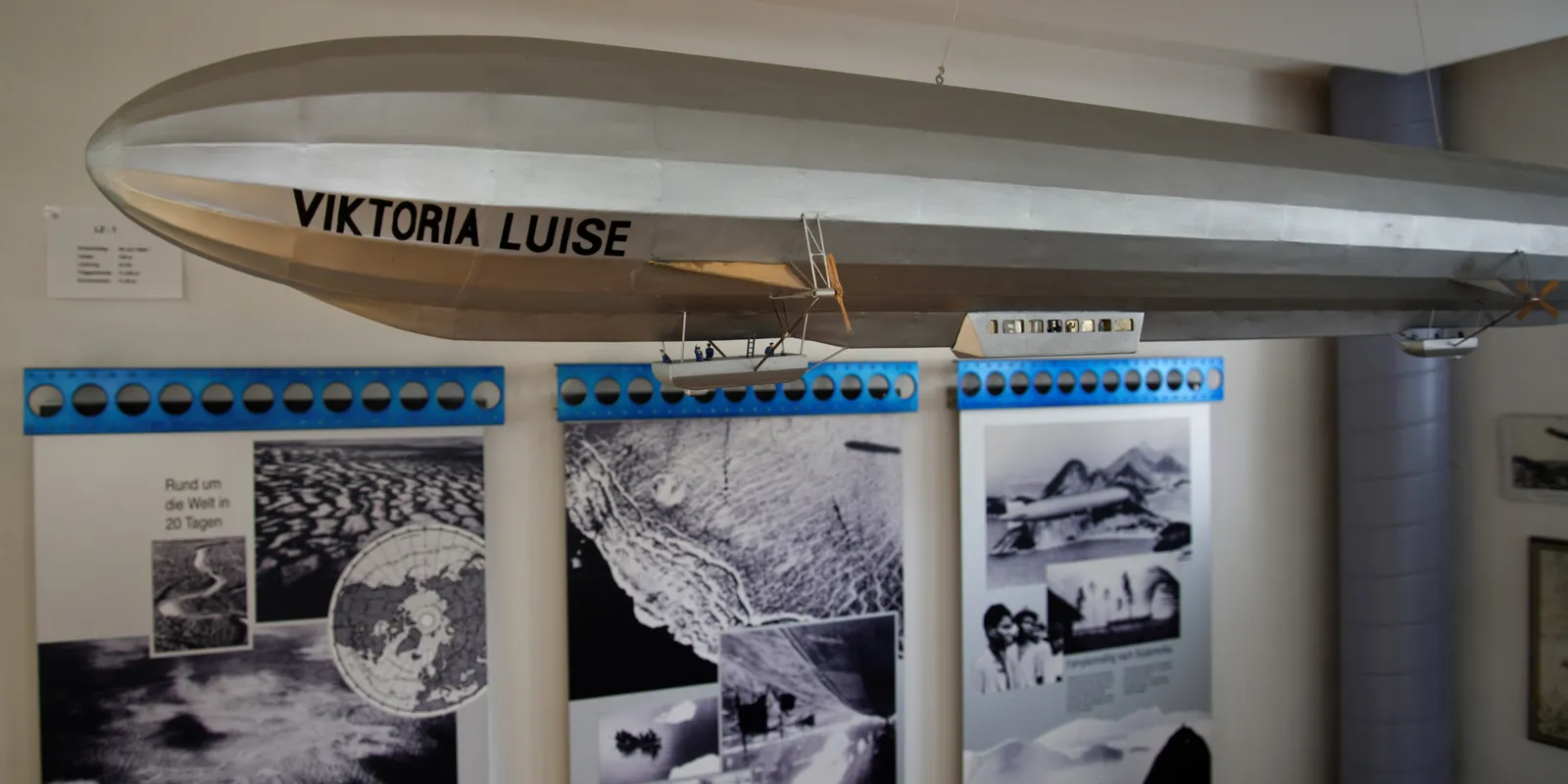
A full-scale reconstruction of the Hindenburg’s passenger lounge can today be seen at the Zeppelin Museum in Friedrichshafen. It remains one of the most vivid ways to understand the physical scale and surprising elegance of what these ships offered.
The spire of the Empire State Building was originally designed to serve as a mooring mast for Zeppelins and other airships, although it was found that high winds made that impossible and the plan was abandoned. That unrealized ambition speaks clearly to how seriously the era took airship travel as the future of long-distance transport.
The museum in Friedrichshafen draws visitors from across Europe and beyond each year, many of them drawn not by nostalgia alone but by a genuine curiosity about a form of travel that seemed to offer something aviation has not managed since: slowness with grace, and speed with silence.
The Quiet Legacy of the Transatlantic Zeppelin Age

The window of commercial transatlantic airship travel lasted less than a decade, and the actual number of paying passengers was small by any modern standard. Yet the cultural imprint was enormous. These ships proved that the Atlantic could be crossed by air on a schedule, that passengers could sleep, eat well, and look out at open ocean from a pressurized cabin.
The zeppelin’s transatlantic service launched regular nonstop flights several years before airplanes were capable of sufficient range to cross the ocean in either direction without stopping. Everything that came after, every transatlantic flight route, every airline seat, owes something to what was proven in those years.
What the zeppelin age leaves behind is not really a cautionary tale. It is more of an honest reminder that extraordinary things are often temporary, and that the most interesting chapters of travel history tend to close before anyone realizes they were living inside one.
AI Disclaimer: This article was created with the assistance of AI tools and reviewed by a human editor.