
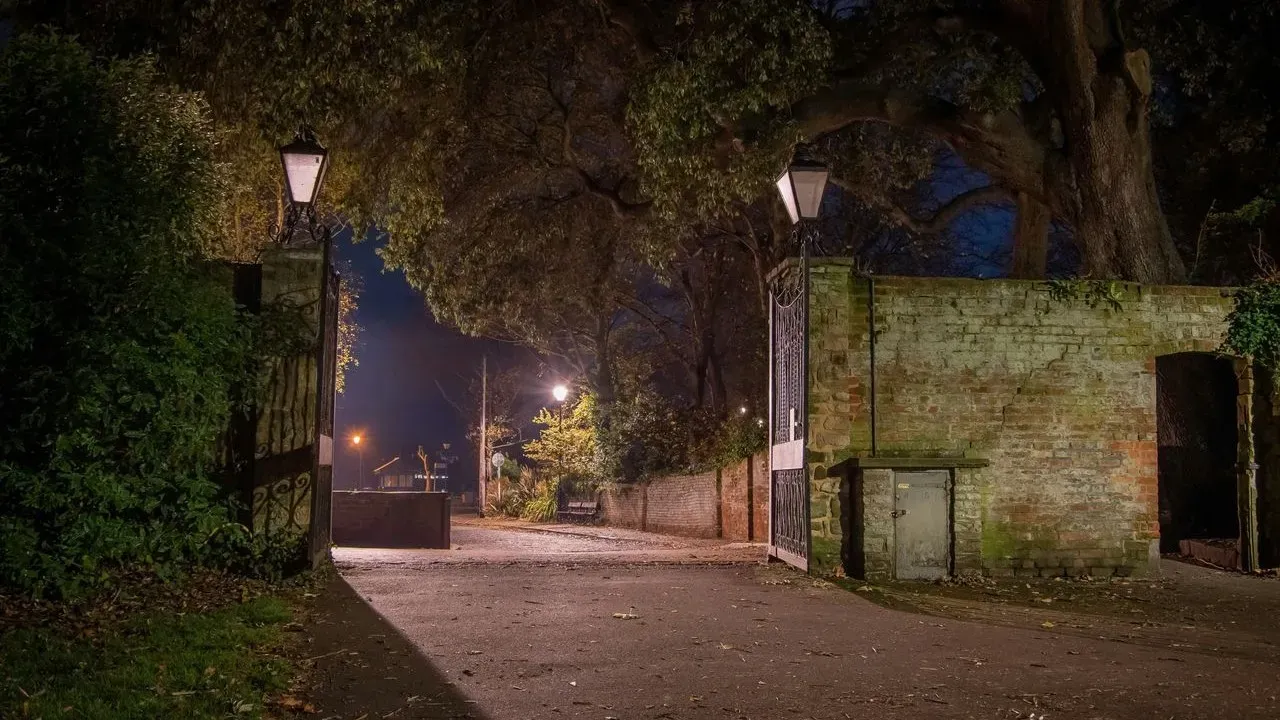

As October draws to a close, travelers often seek places where the past feels especially present. Across the United States, several towns stand out not for folklore alone but for the documented events that shaped them. Their stories reward visitors who arrive curious about architecture, industry, and community resilience rather than seeking thrills. One source that gathered many of these accounts is ([1]).
A Hotel With an Unconventional Chapter
In the Ozark Mountains of Arkansas, Eureka Springs grew around natural springs that drew health seekers in the late nineteenth century. The Crescent Hotel opened its doors in 1886 as a grand resort perched on a hillside. Its Victorian design and sweeping views quickly made it a landmark.
Decades later the building took an unexpected turn. From 1937 to 1940 it operated as a health resort under a new owner who promoted unconventional treatments. Federal authorities later convicted that owner of mail fraud, and the facility closed. The hotel returned to its original purpose and earned a place on the National Register of Historic Places in 2016. Today guests can explore its preserved corridors and learn about the town’s long tradition of hospitality.
A Silver Boom That Built a Mountain Town
High in the Virginia City hills of Nevada, prospectors struck the Comstock Lode in 1859. The discovery triggered one of the richest silver rushes in American history. Wooden sidewalks and saloons soon lined the steep streets as the population swelled from a few thousand to more than twenty thousand within fifteen years.
Mining transformed the region into a National Historic Landmark district. Although the main vein was largely exhausted by the 1880s, smaller operations continued into the twentieth century. Visitors today walk the same narrow paths once crowded with miners and merchants, gaining a tangible sense of how a single strike reshaped the American West.
A Village That Embraced Its Literary Legacy
North Tarrytown, New York, made a deliberate choice in 1996. Residents voted to rename their community Sleepy Hollow, honoring Washington Irving’s 1820 tale of the Headless Horseman. The change recognized the story’s lasting place in American literature and the Hudson Valley’s role in inspiring it.
Irving’s own home, Sunnyside, stands nearby in Irvington. Each autumn the region hosts lantern walks and readings that celebrate the tale without claiming it as fact. The surrounding landscape of quiet lanes and historic estates offers a peaceful setting for reflection on how fiction can shape a place’s identity for generations.
Battlefields and Cemeteries That Remember the Living
Further south, Gettysburg, Pennsylvania, marks the site of a three-day Civil War clash in July 1863. More than 165,000 soldiers took part, and the aftermath left more than 51,000 casualties. President Lincoln later delivered his address at the dedication of the Soldiers’ National Cemetery.
In New Orleans, above-ground tombs reflect practical responses to flooding and the city’s French and Spanish heritage. St. Louis Cemetery No. 1 opened in 1789 and remains a focal point for understanding early urban planning. Both locations invite measured visits that honor the people whose lives unfolded there.
Traveling With Intention
These towns reward preparation. Checking seasonal hours, respecting cemetery and battlefield guidelines, and supporting local businesses help preserve the very qualities that draw visitors. October brings heightened interest, yet many sites welcome travelers year-round with thoughtful programming.
Approaching each destination with curiosity about its documented past turns a simple trip into a deeper encounter with American history. The details of industry, migration, and community decisions remain the most compelling reasons to explore.
AI Disclaimer: This article was created with the assistance of AI tools and reviewed by a human editor.