


There’s a particular moment of vulnerability that scammers have learned to exploit with precision. You’ve just landed after a long flight, dragged your bags to a hotel room, and finally collapsed onto the bed. Then the phone rings. A calm, professional voice on the other end tells you there’s a problem with your credit card on file – and they need to sort it out right now.
This is not the front desk. This is one of the most consistently effective financial scams currently targeting travelers across the United States and beyond. It’s low-tech, highly believable, and it’s spreading.
What the Scam Actually Looks Like
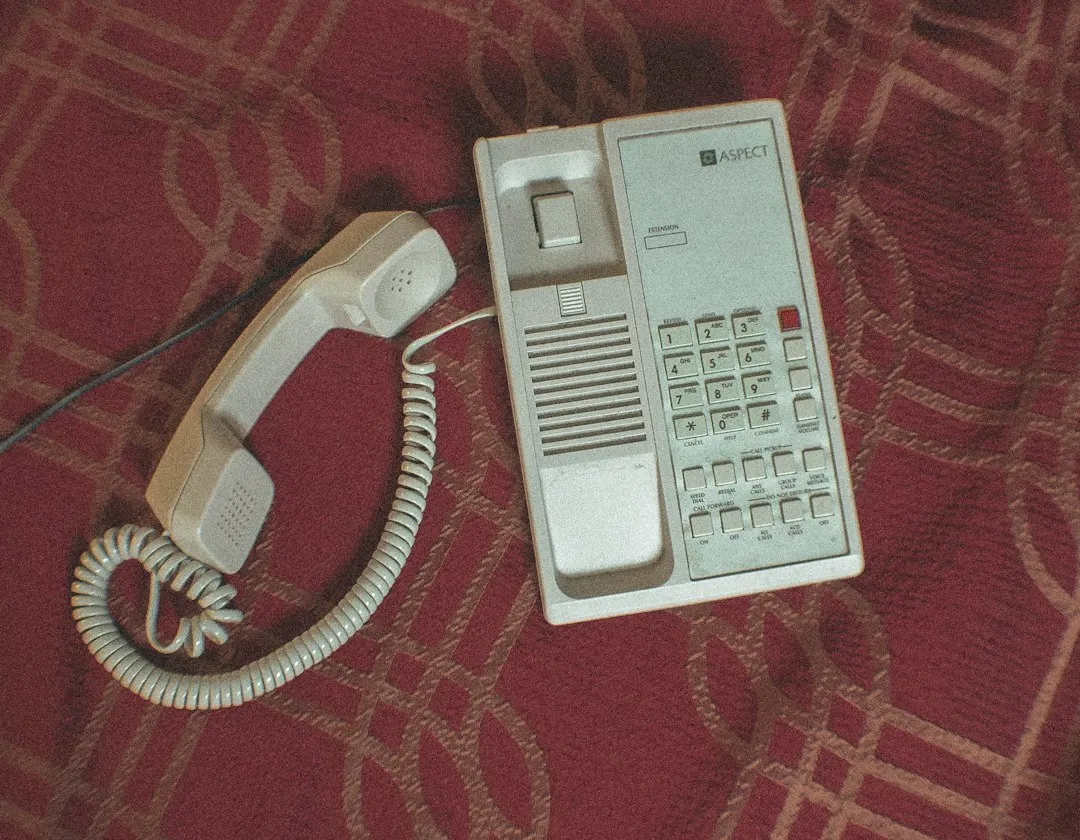
According to the Better Business Bureau, the scheme usually unfolds at night, after you’ve checked in. Someone claiming to be from the front desk rings the phone in your room and informs you that there’s been a problem processing your payment. All you have to do, they say, is confirm your card information again over the phone so they can finalize things.
The caller is a fraudster who contacts hotels and asks to be transferred to random room numbers. The excuse given is typically a glitch in the hotel’s computer system, and the caller is very apologetic – even advising you that you don’t need to return to the front desk and can simply provide the card details right there over the phone.
Some callers go further, offering discounts on hotel rooms to entice guests into handing over their credit card information. It’s a remarkably simple setup, and that simplicity is part of what makes it work.
Why Late-Night Timing Is No Accident

Late-night hours are especially risky because fewer staff members are working. Scammers often strike then, knowing that sleepy travelers are more likely to make mistakes.
Guests typically arrive at hotels tired and fatigued from a busy day, and fraudsters know this pattern well. They count on exhaustion to cloud your judgment. When you are disoriented and half asleep, you are far less likely to question the legitimacy of the call or remember that hotels already have your payment information securely stored in their system.
A phone conversation also does not offer the opportunity for unhurried scrutiny that an email might. The victim has no room to stop and think about whether it all adds up. That compressed decision-making window is exactly what the scammer is counting on.
How Scammers Get Access to Your Room Phone
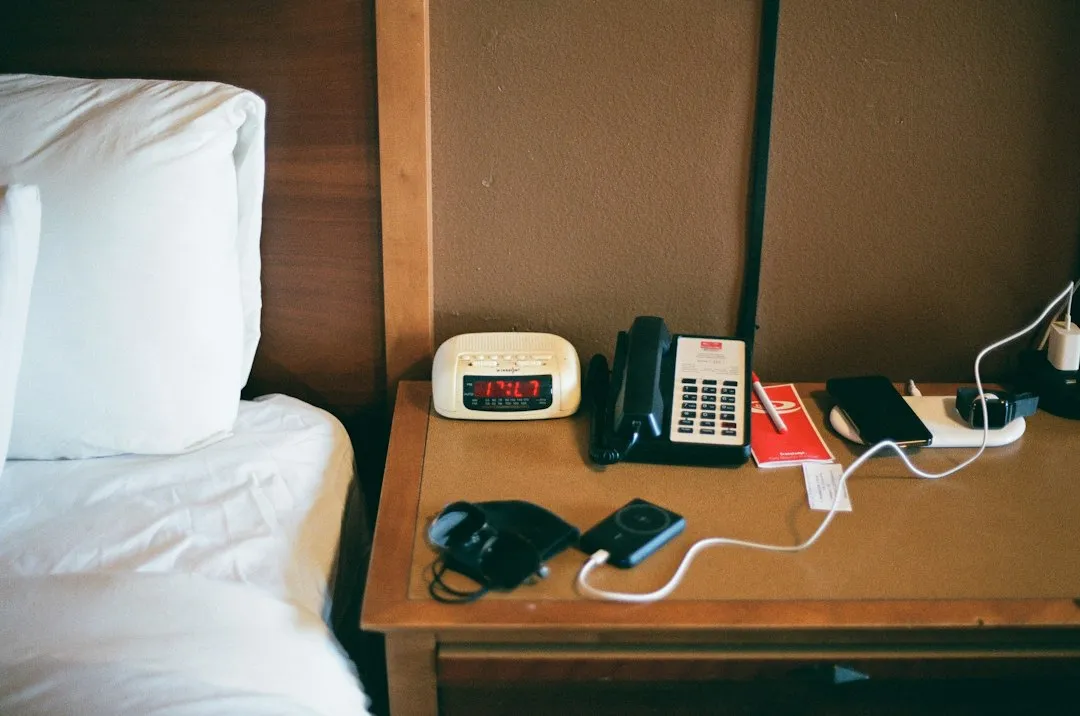
The call often feels legitimate because it starts inside the hotel system itself. Scammers contact the hotel’s main line, request a transfer to a specific room, and then continue the conversation as if they were part of the staff.
Once connected, they introduce a problem – it could be a failed payment, a system error, or a card that supposedly didn’t go through at check-in. Guests don’t pay much attention, especially after a long travel day when they have already handed over their card details once.
Some callers take it even further. They offer a discount or claim they can fix the issue immediately over the phone. Others create urgency, pushing for quick action before the reservation is affected. By the time the request for a credit card number comes up, the setup already feels completely believable.
The Scale of Phone Fraud in the United States

Americans reported more than $12.5 billion in fraud in 2024, with a significant portion originating from telephone fraud. The actual financial damage is likely far higher, since many victims never come forward.
For the second consecutive year, email was the most common way that consumers reported being contacted by scammers in 2024. Phone calls ranked as the second most commonly reported contact method, ahead of text messages.
According to the FTC Consumer Sentinel Network, roughly four in ten of all consumer scams in 2024 originated with a phone call. That’s a staggering proportion, and it reflects just how effective voice-based fraud continues to be in an era when most people assume they’d recognize a fake.
Voice Phishing Is Growing Rapidly
There were more than four times as many voice phishing attacks in the second half of 2024 compared to the first half of the year. In January 2024, CrowdStrike recorded just two vishing attacks, while in December they recorded 93. The median loss per vishing victim sits at $1,400.
Deepfake-enabled vishing surged by over one thousand six hundred percent in the first quarter of 2025 compared to the final quarter of 2024. Perhaps most concerning is the integration of artificial intelligence into vishing operations, enabling scammers to automate large-scale attacks while maintaining convincing human-like interactions.
Voice deepfake technology allows scammers to create highly convincing voice replicas of real individuals, including bank officials, making verification of caller identity increasingly challenging for potential victims. The hotel phone call scam has evolved from a low-effort bluff into something much harder to detect.
Seniors Are Being Hit Especially Hard
Banks and fraud experts have flagged a rise in this scam specifically targeting older travelers, where callers pose as hotel staff and ask for payment information – often late at night when people are least alert. The pattern has appeared across major hotel chains, with seniors among those most affected as impersonation scams continue to grow.
According to the FBI’s Internet Crime Complaint Center, $4.9 billion was stolen from Americans aged 60 and older in 2024 alone. There were 147,127 elder fraud complaints filed with the FBI that year, representing a 46 percent increase compared to the year before.
The FTC notes that when older adults do lose money to scams, their median individual losses are significantly higher than those of younger adults. In a hotel setting where trust is already built into the environment, that disparity becomes even more pronounced.
The Scam Is Global, Not Just an American Problem
This scam isn’t limited to U.S. hotels. Travelers in Europe have also fallen victim. Some visitors to Krakow, Poland, for instance, have reported being awakened when the hotel room phone rings late at night – with a caller claiming to be the receptionist asking to verify credit card details.
Booking platform users have also been caught up in related schemes. Action Fraud in the UK received 532 reports from individuals between June 2023 and September 2024, with a total of £370,000 lost to fraud connected to hospitality bookings.
More than one million imposter scam complaints were filed globally in 2025, an increase of nearly 19 percent from the number reported in 2024. The hospitality industry, with its built-in sense of trust and temporary residency, remains a particularly attractive environment for these schemes.
The Simple Logic That Exposes the Scam
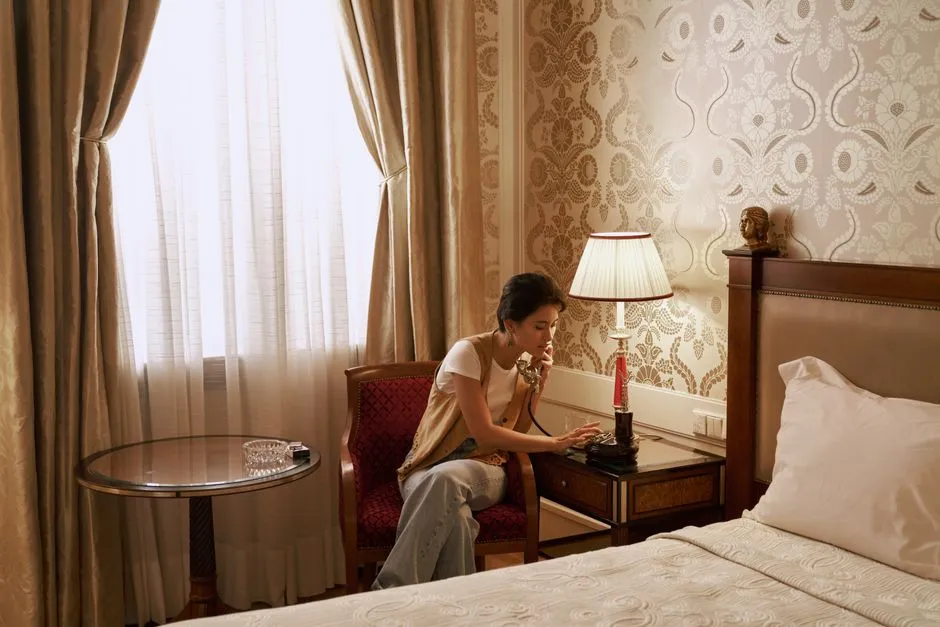
Once you’ve checked into a hotel room with your credit card, the hotel already has your credit card information. That simple question – why would hotel staff call your room later to ask for it again? – is exactly what the scam counts on you not thinking to ask.
Most hotels keep their guests’ credit cards on file in case there is a systemwide issue. Hotel room phones are also primarily set up so guests’ family and friends can contact them directly from outside the building.
A real hotel staff member will never ask for your credit card information over the phone at odd hours of the night. They will always ask you to settle any charges at the front desk in person. That’s a rule worth keeping front of mind any time a late-night call comes through.
What the BBB and Financial Experts Say to Do
The BBB has identified fake front desk calls as one of the most common hotel-based scams, noting that scammers call guests often late at night or shortly after check-in, impersonating hotel staff and asking travelers to re-verify credit card information. Guests are advised to go to the front desk in person rather than provide any information over the phone.
Hotel employees will rarely call your room. The most important thing to remember is that any financial transaction that takes place at a hotel should always take place face-to-face.
Travelers should also avoid wiring money or using prepaid debit cards – credit card charges can be disputed, but wired funds cannot be recovered. Paying with a credit card throughout your stay gives you a meaningful safety net if something does go wrong.
Caller ID Spoofing Makes It Harder to Spot

Scammers now trick people by making the hotel’s real phone number appear on caller ID screens. By using cloned voices, they can convincingly impersonate trusted individuals. So even the habit of checking where a call is coming from has become unreliable.
Caller ID spoofing – where the caller presents false information on your caller ID to get you to answer – is increasing as fraudsters look for ways to bypass call blockers. In a hotel setting, guests aren’t typically on guard in the same way they might be at home, which makes the spoofed number even more convincing.
The safest approach is never to divulge personal or financial information over the phone unless you are the one who has initiated the call to a trusted and verified contact. That rule applies whether you’re in a budget motel or a five-star property.
How to Report It If It Happens to You
If you receive a suspicious call of this nature while staying at a hotel, you should always notify hotel management immediately. A report to staff helps the property become aware of an active threat and can protect the next guest who might be less cautious.
Suspected scams should also be reported to local police, the Federal Trade Commission, and the Better Business Bureau. Reporting matters, even when no money was lost, because it feeds into the data used to track fraud patterns nationally.
The Federal Trade Commission reported that in 2025 alone, there were more than 61,000 reports of travel scams, resulting in losses of more than $140 million. Those are only the cases that get reported – the real number is almost certainly much higher, which is all the more reason to speak up when something feels off.
Staying Aware Without Losing the Joy of Travel
Knowing about a scam is not the same as being afraid of the world around you. Most hotel stays are completely uneventful. The phone in your room rings for entirely ordinary reasons far more often than it rings for fraudulent ones. The difference is knowing exactly what to do when it doesn’t feel right.
The rule is straightforward: no legitimate hotel will ever ask for your full credit card details over the room phone. If that request comes through, hang up calmly and walk to the front desk. That short walk is all it takes to protect yourself completely from this particular scheme.
Purposeful, aware travel doesn’t mean suspicious travel. It means moving through the world with enough information to make confident decisions – including the confidence to say no to a late-night phone call and go back to sleep knowing you made exactly the right call.
AI Disclaimer: This article was created with the assistance of AI tools and reviewed by a human editor.