
Baggage Fees Changed Everything
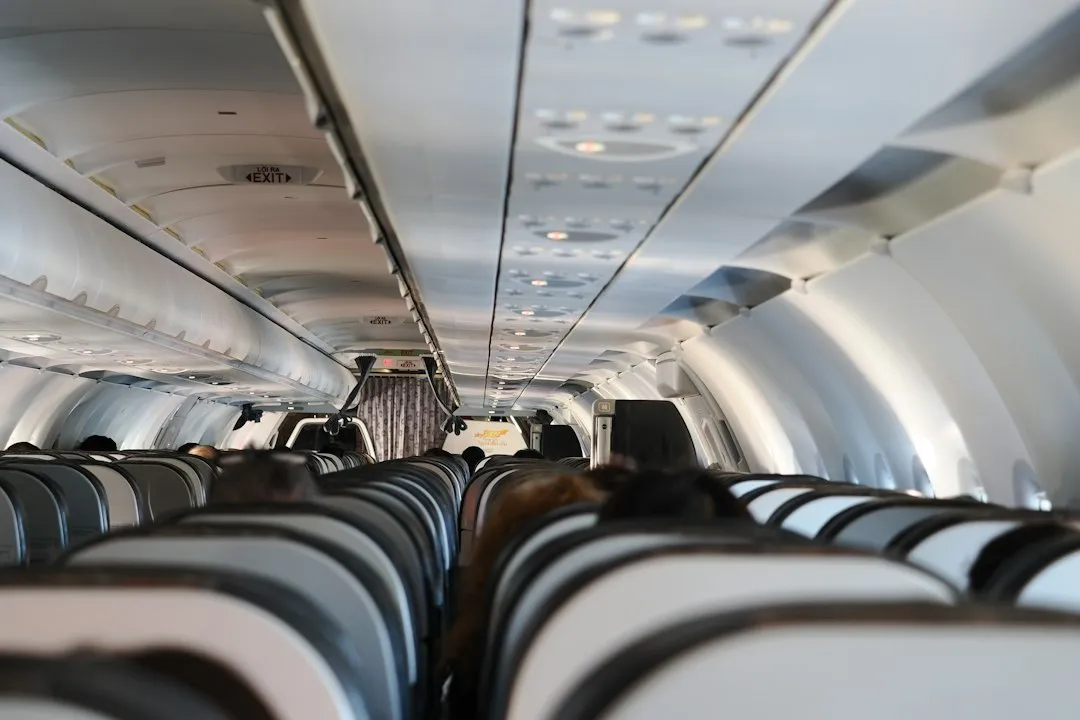
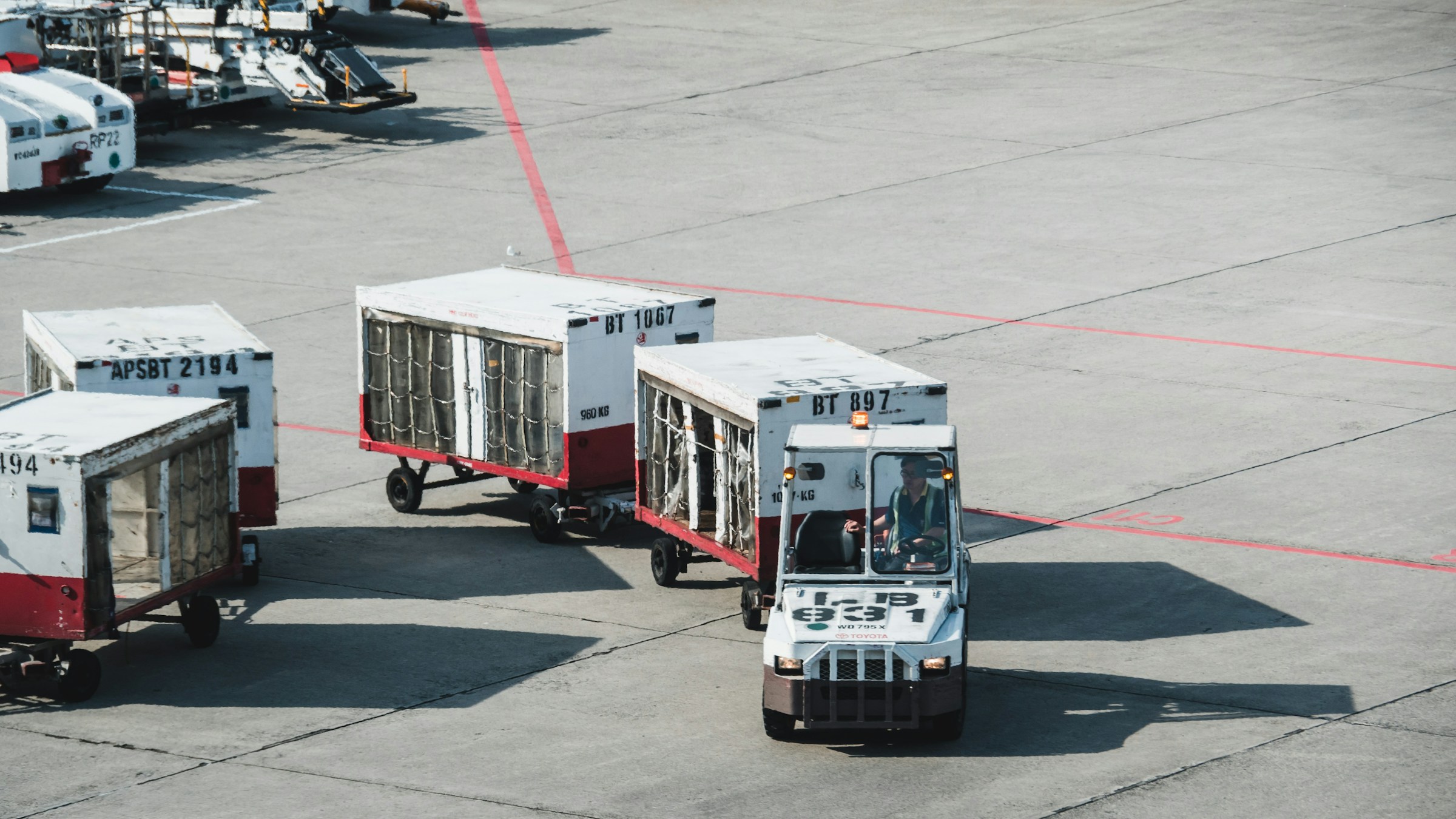
The story really starts with checked bag fees. The carry-on craze picked up serious momentum in the 2000s, when airlines began charging for checked luggage and simultaneously installing larger bins onboard. Passengers responded rationally: why pay to check a bag when you can bring it for free? The cabin became a battleground for overhead real estate almost overnight.
The problem deepened further when airlines like JetBlue began charging for checked bags, pushing even more passengers toward carry-ons and accelerating the overhead space crisis. Cabin designers found themselves playing catch-up, trying to retrofit more storage into fuselages that were never architected with rollaboards in mind.
Old Bins Were Never Built for Modern Luggage
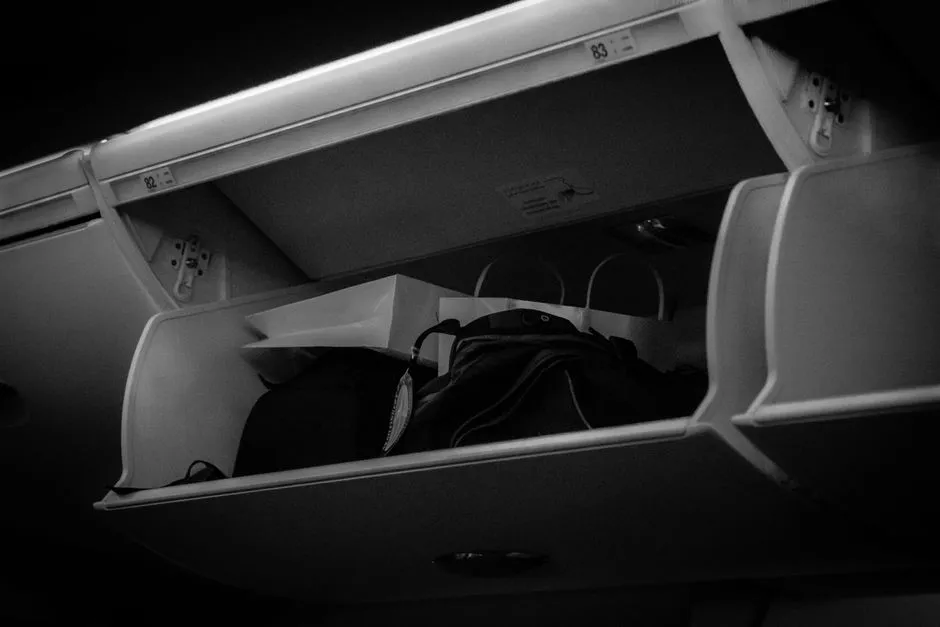
Older overhead bins were simply not designed with the average carry-on roller suitcase in mind. Bags had to be laid flat, leaving a frustrating void above them that was almost entirely wasted space. It was an inefficiency baked right into the original design.
Overhead bins were actually expanded before the pandemic by roughly fifty percent to respond to growing passenger frustration, but the historic escalation in passengers and carry-ons brought renewed pressure to redesign storage systems once again. The incremental fixes were no longer enough to keep pace with demand.
The “Bookshelf” Revolution in Bin Design
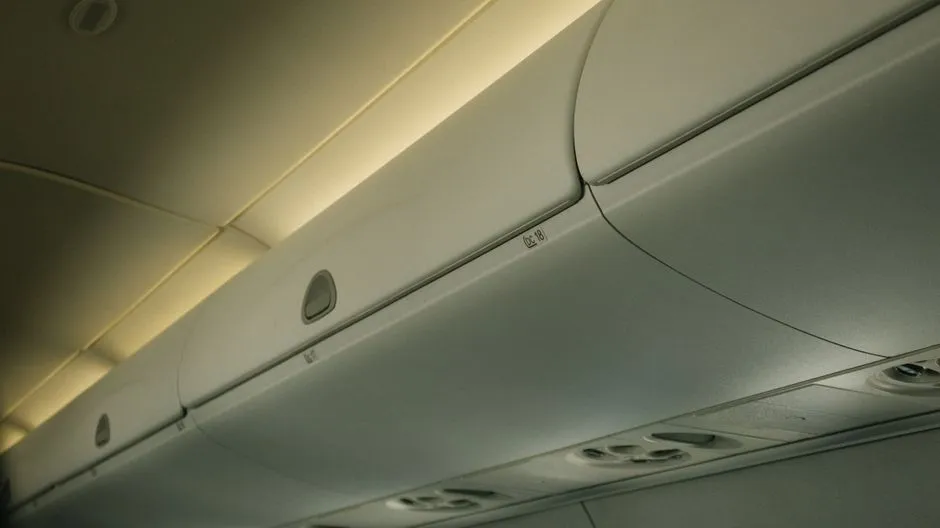
The taller bin shape that defines modern designs lets each bag stand on its side rather than lie flat. Airbus describes the boarding experience as loading bags “like books on a bookshelf,” which packs far more carry-ons into the same length of cabin. It sounds almost too simple, yet it took decades for the industry to fully commit to it.
Both the Airspace XL from Airbus and the Space Bins from Boeing utilize a deeper “bucket” design that allows standard rollaboard bags to be stored vertically rather than flat. This mechanical shift increases bin capacity by roughly forty to sixty percent, often allowing enough room for every passenger on a full flight to stow a standard carry-on.
Boeing’s Space Bins: More Bags, Lower Lip
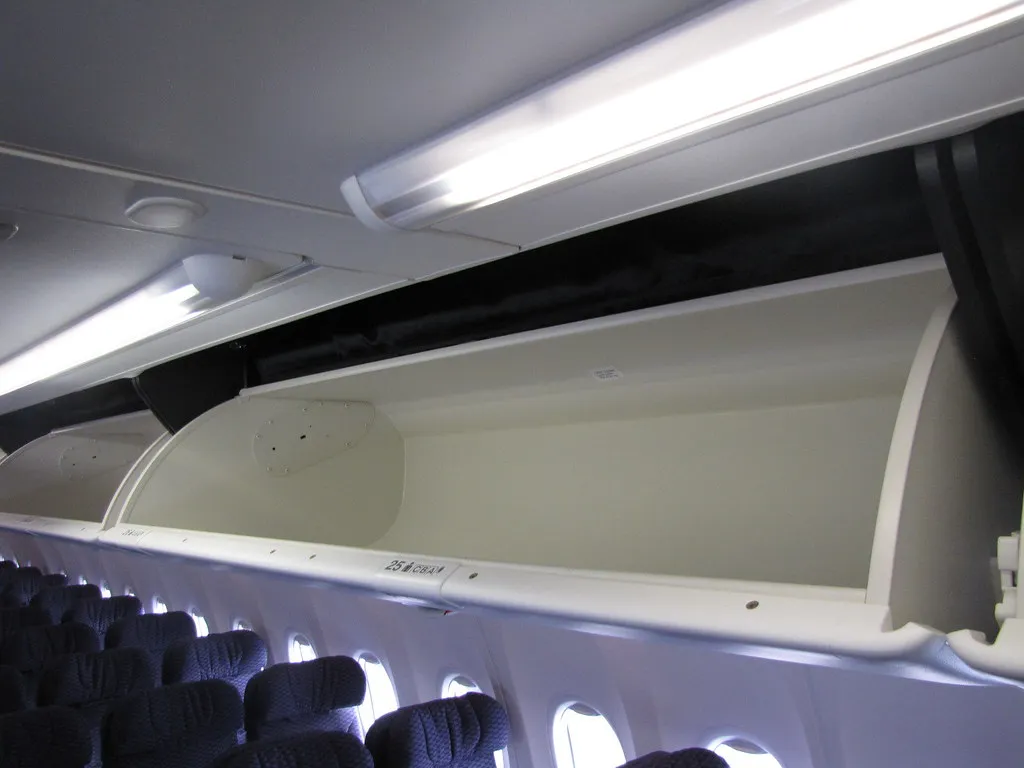
While older Boeing aircraft could typically fit around 118 carry-ons, the Space Bins are projected to accommodate approximately 187. That’s a significant jump achieved not by widening the fuselage, but by rethinking how bags sit inside the compartment.
According to Boeing, the Space Bins sit two inches lower in the cabin, which slightly reduces headspace but gives the bin a lower lip, allowing passengers to more easily see the back of the compartment and load their bags more efficiently. Boeing also claims that introducing larger overhead bins significantly enhances the boarding process and airline turnaround times, while reducing stress and anxiety for passengers searching for space.
Airbus Airspace XL: 60% More Room, Built to Retrofit
Airbus entered the race with its Airspace L Bins, designed to be retrofitted into existing aircraft in just three to five days. These specially shaped overhead compartments promise to create sixty percent more cabin luggage space than traditional systems, simply by allowing travelers to load carry-on roller bags vertically.
Made of ultra-lightweight composite materials, the retrofit re-uses many parts of the original bin, including the sidewall, ceiling, and lighting, to minimize waste during installation. For airlines managing large fleets, that retrofit speed matters enormously. A plane sitting in a hangar is a plane not earning revenue.
The A220 Gets Its Own XL Upgrade in 2026
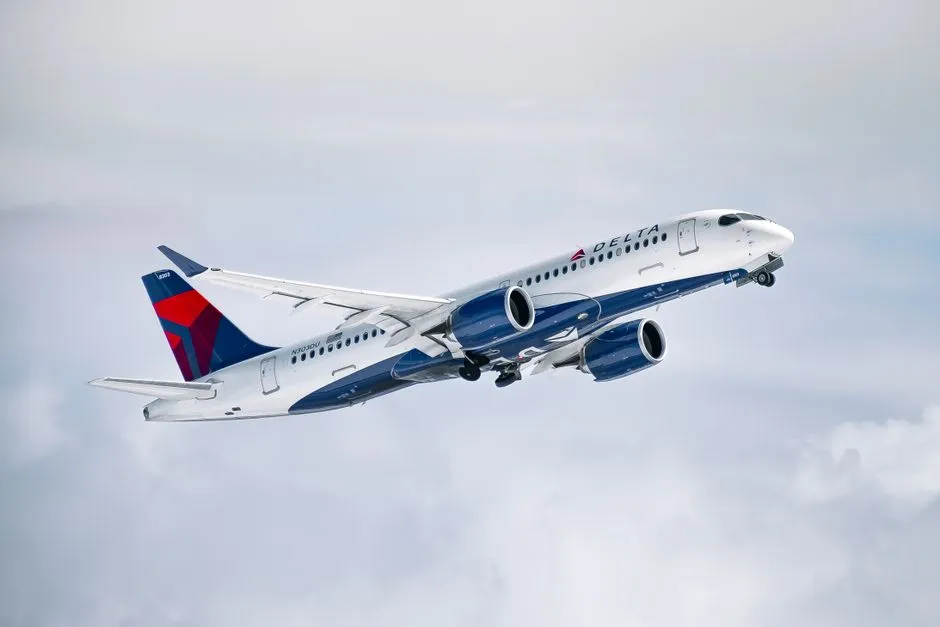
Passengers love the Airbus A220, as evidenced by its strong passenger satisfaction scores. However, one recurring criticism has been that its pivot bins don’t accommodate enough bags. Now, Airbus is preparing to fit XL bins with flip-up lids to the A220, enabling what the company calls “stress-free boarding” by supporting one bag per passenger.
At the heart of the Airspace integration are XL overhead bins offering a twenty percent increase in storage volume and a fifteen percent increase in bag capacity compared to previous configurations. These larger bins are designed to accommodate standard carry-on bags on their side, effectively eliminating the boarding bottleneck. Notably, the upgraded bins are also twenty percent lighter, contributing to the fuel efficiency of the aircraft.
Air Canada is set to be the first airline to receive a new A220 with XL bins once Airbus completes its production cutover and the feature becomes a standard linefit option.
United Airlines Takes Bigger Bins to Regional Jets
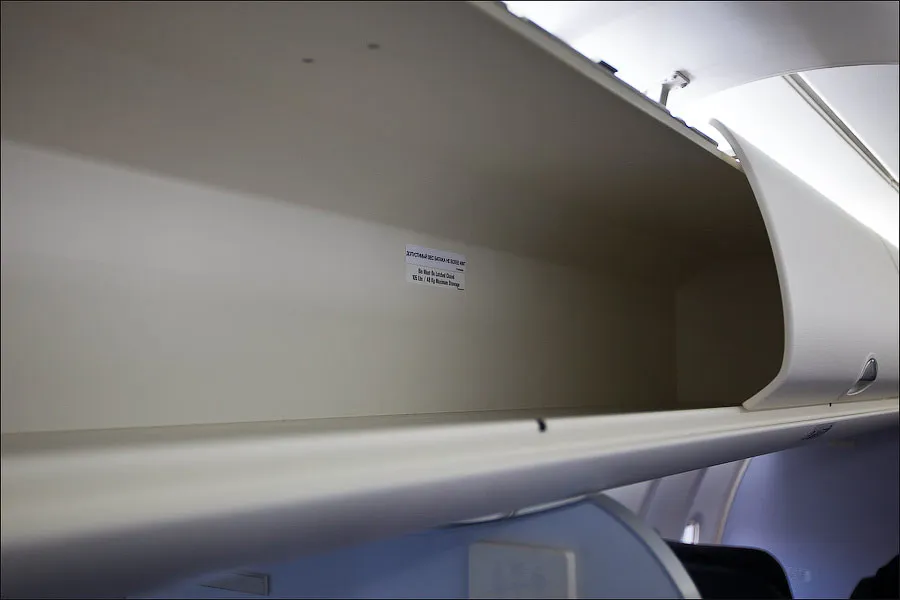
United Airlines announced it would install larger overhead bins on its SkyWest-operated Embraer E175 fleet to provide more room for passengers’ carry-on bags. Regional jets had long been the weak link in the bin story, often forcing passengers with perfectly legal rollaboards to gate-check simply because the bins were too narrow.
United is the first airline to offer these larger overhead bins on E175 aircraft, and estimates the move will nearly eliminate the need for one million passengers to gate-check bags on more than 150,000 E175 flights annually. The larger bins can accommodate up to 29 additional carry-on bags per aircraft, representing an eighty percent increase from the previous offering.
United may expand the E175 larger overhead bin program to more than 150 aircraft by the end of 2026.
Boarding Times Are a Business Problem, Not Just a Comfort One
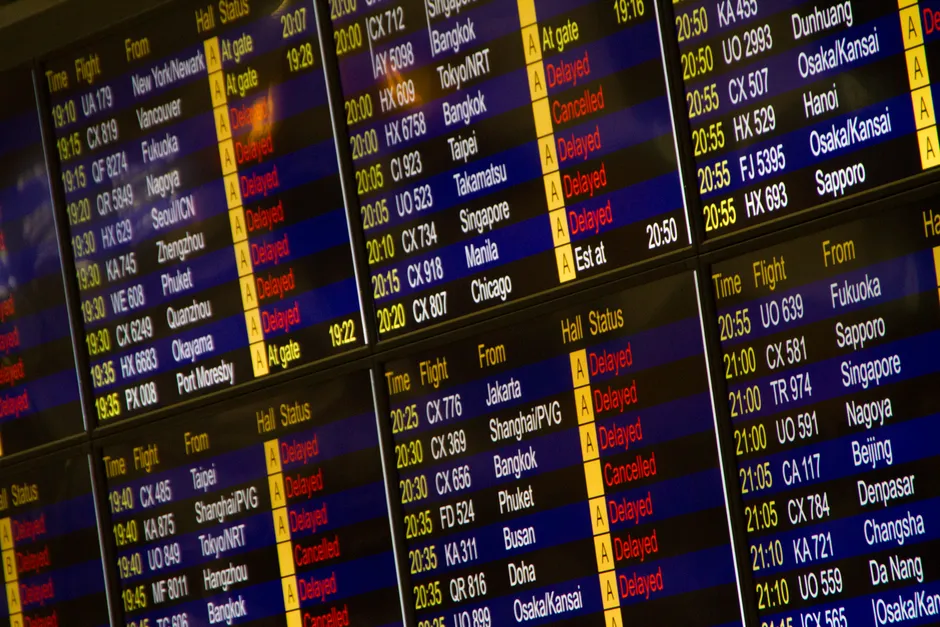
Boarding times have increased because of bin space limitations, creating knock-on effects for subsequent flights and overall airline efficiency. A delayed departure at one city cascades through a hub-and-spoke network for the rest of the day, turning a bin problem into a scheduling headache.
From Airbus’s perspective, faster turnaround time is money. Larger bins improve operational robustness, reduce delays throughout the day, and even create additional opportunity for ancillary revenues as more carry-on capacity opens up possibilities for airlines. The financial calculus behind bin design is more serious than most travelers realize.
Passenger Satisfaction Moves With Bin Size
American Airlines fitted Airbus Airspace XL bins to its A321 aircraft, and according to the company, customer satisfaction on those planes runs eight percent higher than on aircraft without the XL bins. That’s a notable lift from a change that most passengers would describe simply as “there was room for my bag.”
American Airlines expanded overhead bin sizes by forty percent and had already added the bigger bins to portions of its fleet. Increased carry-on usage, the growth of short-duration business trips, airline baggage fees, faster airport transit expectations, and a passenger preference for keeping belongings close have all driven this consistent push for more cabin storage.
What Comes Next: Smart Bins and Sensor Technology
Future bins may feature sensors to detect available space and guide passengers to open compartments, reducing boarding delays before they start. The idea has been in development for several years, with various cabin interior suppliers exploring ways to use digital indicators to distribute bags more evenly across a plane.
Airbus demonstrated a bin concept with color-coded exterior lights at an aviation interiors trade show: red for full, yellow for nearly full, and green for plenty of space. Diehl Aviation, which makes cabin interiors for both Boeing and Airbus, also showcased a “bookable bin” prototype that allows passengers to reserve a specific overhead space for their carry-on. Whether airlines ultimately choose to offer that as a free feature or a paid one remains an open question.
Final Thoughts
The overhead bin is one of those details that travelers rarely think about until something goes wrong. No space for a bag, a forced gate-check, a delayed departure: the frustration is immediate and personal. What the redesign wave of the past several years reveals is that cabin engineers were thinking about this long before passengers started complaining loudly enough to make headlines.
The shift from flat-loading to vertical stowage, from regional jets to flagship narrow-bodies, reflects a genuine rethinking of how cabins serve the people inside them. As passenger demand for carry-on travel continues to grow, cabin storage design is likely to remain one of the most consequential areas of aviation innovation. The humble overhead bin, it turns out, sits at the intersection of engineering, economics, and the very human desire to simply arrive with your belongings intact.
AI Disclaimer: This article was created with the assistance of AI tools and reviewed by a human editor.