
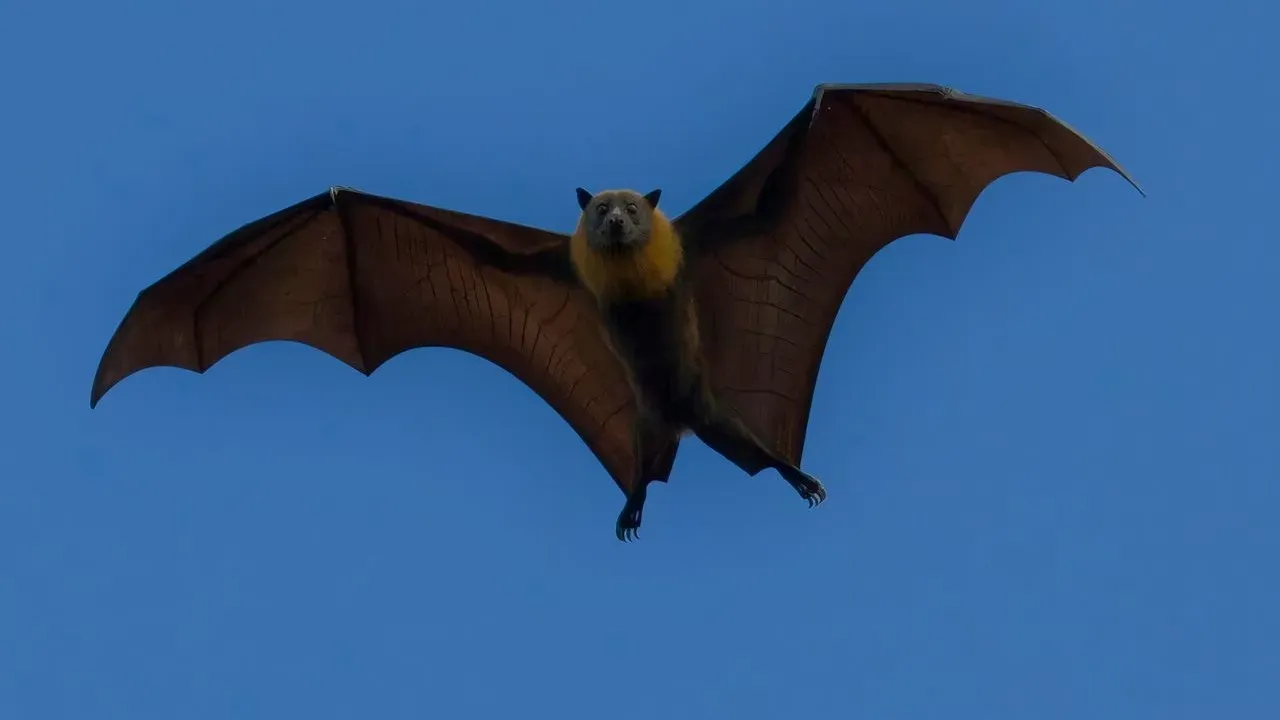

Madagascar’s flying fox fruit bats, the largest bats on Earth, have shown a measurable decline in body size over recent decades, according to new research published in the Journal of Mammalogy. Comparisons of preserved specimens with modern observations point to selective pressures that favor smaller individuals. The findings come from a team at Chicago’s Field Museum and appear in reporting from the New York Post ([1]).
A Window into Island Ecosystems
Flying foxes play an essential role in Madagascar’s forests. As they move between fruiting trees, they pollinate flowers and disperse seeds across wide areas, helping maintain the health and diversity of the island’s woodlands. Their presence supports the regeneration of plants that in turn sustain countless other species and contribute to the stability of local environments.
These bats have long shared the landscape with human communities. In certain regions they have served as a traditional food source, reflecting deep connections between people and the natural world. Understanding shifts in their populations offers insight into how human activities and wildlife continue to shape one another over time.
Clues Preserved in Museum Collections
Researchers examined 121 Madagascar flying fox specimens gathered across 150 years from nine natural history museums in the United States and Europe. Measurements of skulls and teeth revealed a clear pattern: average size began to drop noticeably around 1980. Older specimens from the late 18th and 19th centuries often appeared substantially larger than those encountered in recent fieldwork.
Dr. Steve Goodman, who has worked in Madagascar for nearly four decades, noted that many historical animals reached “monster size” compared with today’s individuals. Statistical analysis by lead author Dr. Emily Cornelius Ruhs confirmed the trend, ruling out simple measurement error. The timing aligns with increased commercialization of bat hunting in parts of the island.
Multiple Influences at Play
The study establishes a correlation between shrinking size and intensified hunting pressure, yet the researchers emphasize that causation remains unproven. Larger bats may have been easier targets, providing more meat per animal, while older breeding individuals appear disproportionately affected. At the same time, other factors such as habitat changes, shifting fruit availability, and broader environmental pressures could contribute to the observed pattern.
Dr. Ruhs has stated that no single cause explains the full picture. The work underscores the value of historical museum specimens in revealing gradual changes that might otherwise go unnoticed. It also highlights the need for continued monitoring to understand how these influences interact.
Paths Toward Coexistence
Protecting flying fox populations requires thoughtful approaches that respect both ecological needs and local livelihoods. Strengthened safeguards around breeding sites, informed by updated national legislation, could help maintain healthy numbers while supporting sustainable practices. The researchers note that these bats remain an important resource for some communities, making collaborative conservation efforts especially important.
Museum collections continue to offer new knowledge about long-term trends, reminding us how past records inform present understanding. By paying close attention to these connections, communities and scientists alike can work toward futures where both people and wildlife thrive together.
AI Disclaimer: This article was created with the assistance of AI tools and reviewed by a human editor.