
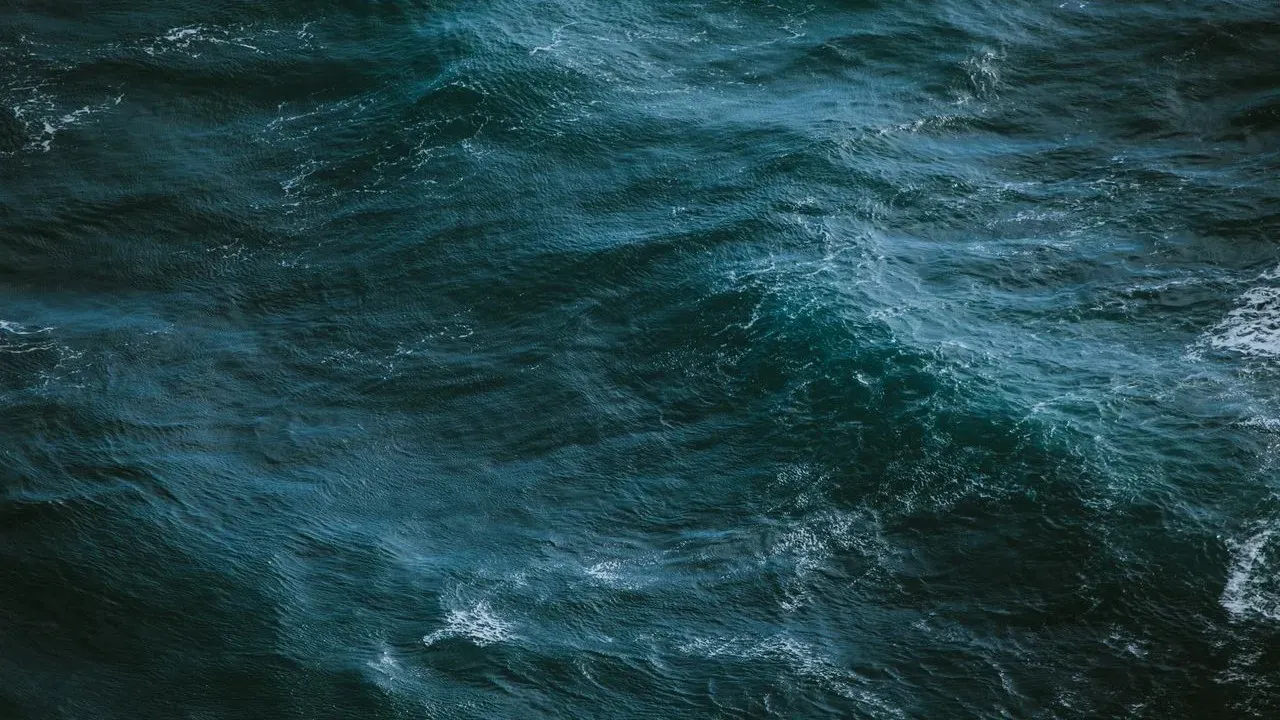

Port Canaveral, Florida – Massive swells this week created challenging conditions for several cruise ships traveling between this busy Florida port and the Bahamas, prompting adjustments and heightened awareness among passengers and crews alike. ([1])Royal Caribbean’s Utopia of the Seas was among the vessels navigating the rougher waters, with one passenger documenting the experience through video shared with local news. The situation underscores how ocean conditions can influence even well-planned itineraries on popular short-haul routes.
Conditions Encountered This Week
Reports indicate that large swells affected multiple sailings, leading to noticeable movement aboard the ships and some modifications to planned stops. The MSC Seashore altered one port call, while a Margaritaville at Sea vessel arrived back at its home port a day later than scheduled. These changes reflect standard operational responses when sea states exceed typical thresholds for comfort and safety.
Such variability is a known element of Caribbean travel, particularly on routes that cross open water between Florida and the island chain. Cruise lines monitor forecasts closely and communicate updates to guests as conditions evolve. The recent period highlighted how quickly marine environments can shift, even on voyages that usually enjoy calmer passages.
Passenger Perspectives from Utopia of the Seas
Matthew Gillespie, traveling aboard the Utopia of the Seas, recorded video showing pool water splashing over the sides as the vessel moved through the swells. He noted the ship’s motion from his stateroom on the 14th deck and observed crew members placing motion-sickness bags in stairwells as a precaution. Gillespie, who has sailed frequently, described the experience as more pronounced than previous trips yet still manageable with basic awareness.
His account aligns with the practical reality that individual comfort levels vary widely at sea. While some guests felt the movement more acutely, others adapted by staying in public areas or using familiar strategies such as focusing on the horizon. The footage and descriptions provide a firsthand window into how modern ships handle these natural forces without altering the fundamental appeal of a Bahamas getaway.
Preparing for Sea Conditions on Future Sailings
Travelers planning similar itineraries can take straightforward steps to maintain comfort and flexibility. Checking marine forecasts and the cruise line’s app or website for any itinerary notes remains the most reliable approach. Packing over-the-counter motion remedies and choosing staterooms in lower or mid-ship locations often helps those sensitive to movement.
Staying mindful while moving about the vessel, such as using handrails in corridors and public spaces, supports a smoother experience for everyone. Gillespie emphasized holding railings and moving deliberately, advice that applies equally to seasoned cruisers and first-time passengers. These measures allow guests to focus on the destination rather than the transit.
Looking Ahead to Continued Bahamas Travel
Despite the recent swells, Gillespie expressed enthusiasm for his next sailing, noting that the overall trip remained enjoyable once back in port. This outlook reflects the broader resilience of cruise travel, where variable weather forms one chapter in a larger story of discovery. The Bahamas continue to draw visitors for their clear waters, vibrant reefs, and welcoming ports, with operators maintaining high standards for guest well-being.
Responsible preparation turns occasional rougher passages into manageable parts of the journey. By staying informed and adaptable, travelers can continue to enjoy these accessible escapes while respecting the natural rhythms of the ocean. The recent sailings serve as a reminder that thoughtful planning enhances every voyage.
AI Disclaimer: This article was created with the assistance of AI tools and reviewed by a human editor.