
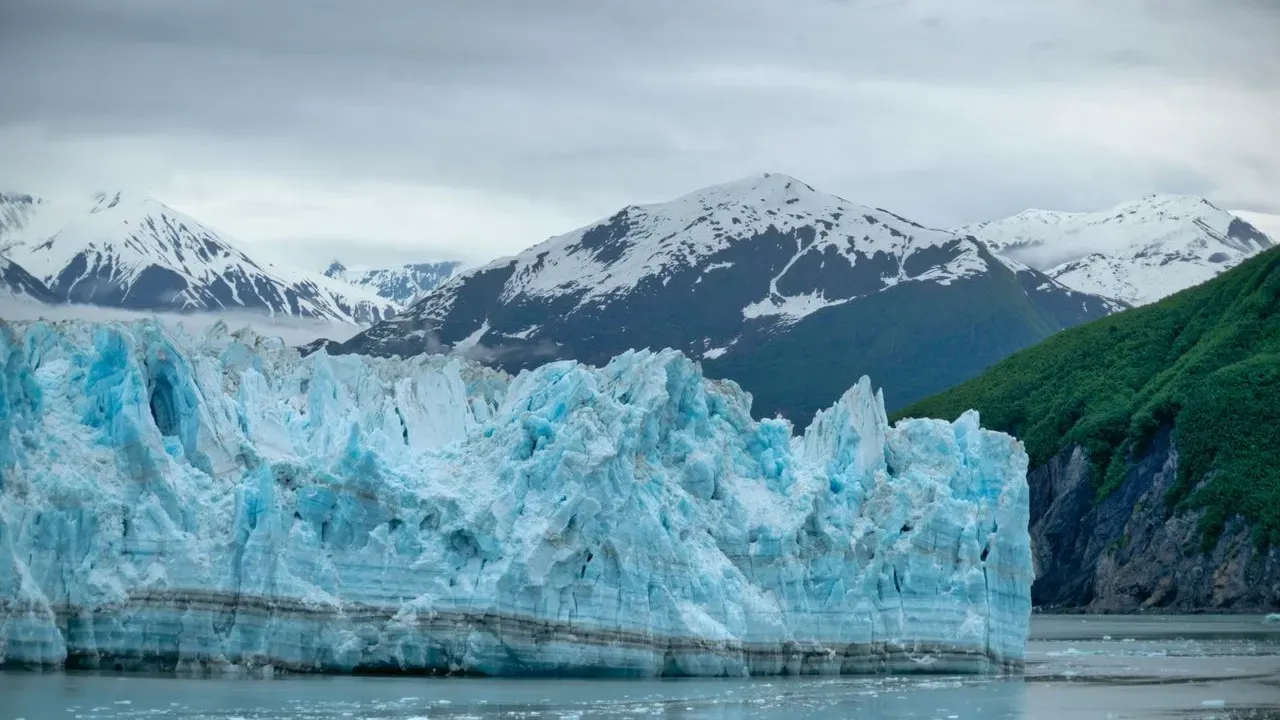

Alaska cruises often center on the chance to witness tidewater glaciers up close, where massive rivers of ice meet the sea. Travelers seek these encounters for the scale of the landscape and the wildlife that shares the waters and shores. Planning an itinerary that includes dedicated glacier time helps shape a memorable journey through the region’s fjords and bays. ([1])
Planning for Glacier Time at Sea
Many Alaska itineraries set aside hours for scenic cruising near glaciers, though conditions such as weather or ice can influence access. Midseason sailings tend to offer more reliable opportunities than those at the very start or end of the season. Adding a second glacier day or a shore-based excursion provides extra flexibility when the primary visit faces challenges.
Passengers who value these moments often review how long each ship lingers near the ice and whether naturalists or park staff join the voyage. Smaller vessels sometimes navigate closer to the face, while larger ships rely on the open views from the deck. Checking the full schedule before booking helps align expectations with the experience ahead.
Hubbard Glacier’s Immense Presence
Hubbard Glacier stands out for its sheer size, stretching more than six miles across at the face and rising hundreds of feet above the water. Ships typically approach within a quarter to half mile, allowing passengers to take in the full breadth even when ice limits closer passage. The glacier’s steady advance into Disenchantment Bay has continued for generations, creating a dynamic setting where ice calves into the sea with audible force.
Wildlife sightings often accompany the approach through Yakutat Bay, where humpback whales, orcas, seals, and bald eagles frequent the area. The surrounding Wrangell-St. Elias National Park and Preserve adds context, encompassing one of the largest protected glacial systems in the country. Time spent here usually spans several hours, giving travelers a focused window on this single, commanding feature.
Glacier Bay’s Expansive National Park Setting
Glacier Bay National Park and Preserve covers more than three million acres and holds over a thousand glaciers, seven of them tidewater faces visible from the water. Ships spend nine to ten hours traversing the bay, covering more than 120 miles and pausing in front of individual glaciers for extended viewing. National Park Service rangers often board to share maps, stories, and details about the landscape and its inhabitants, offering passengers direct connection to the protected area.
The longer duration allows repeated opportunities to observe harbor seals, Steller sea lions, sea otters, and a range of bird species along the route. Brown bears, mountain goats, and occasional orcas may appear on shore or in the water, turning the day into a continuous wildlife watch from the deck. Only a limited number of large ships receive permits each day, which helps maintain the quiet character of the experience while smaller vessels operate under separate guidelines.
Passengers can also receive a national park passport stamp during the visit, a small but tangible reminder of time spent in this vast preserve. The rotation of the ship in front of each glacier ensures everyone on board gains a clear perspective, regardless of cabin location.
Choosing an Itinerary That Fits Your Style
Both destinations appear on a range of cruise lines, with Hubbard Glacier featured on many one-way or longer sailings and Glacier Bay included on several round-trip options as well. Travelers who prefer a concentrated encounter may lean toward Hubbard’s dramatic single-glacier focus, while those who enjoy a full day of varied scenery often select Glacier Bay. Adding a small-boat excursion from a nearby port can bring visitors even closer to the ice when the main ship stays farther out.
Cost considerations include the typical need for one-way airfare on many glacier itineraries, though some seven-night round-trips reach Glacier Bay. Wildlife viewing remains strong at both locations, supported by the rich marine environment of Southeast Alaska. Respect for the ecosystem comes through following park guidelines and choosing operators that limit daily vessel numbers in sensitive waters.
Key points to consider when planning
- Review the exact hours allocated to glacier scenic cruising on each itinerary.
- Note whether park rangers or naturalists are scheduled to join the voyage.
- Check wildlife viewing opportunities listed for the day in the bay or fjord.
- Confirm any small-ship or excursion options that complement the main sailing.
Each glacier destination offers its own rhythm and scale, inviting travelers to witness the enduring power of ice meeting ocean. Thoughtful itinerary choices allow visitors to experience these landscapes responsibly while supporting the protected areas that preserve them for future generations.
AI Disclaimer: This article was created with the assistance of AI tools and reviewed by a human editor.