

A Record That Belongs to Canada
According to Guinness World Records, the Bay of Fundy holds the title for the highest tides on the planet, with a recorded tidal range of 16.8 meters, or roughly 54.6 feet. That number alone is staggering, but it becomes even more meaningful when placed in context.
The average tidal range worldwide is only about one metre, compared to the Bay of Fundy’s approximately 16 metres. The difference is not incremental. It is a different category of ocean behavior entirely.
Burntcoat Head Park in the Bay of Fundy specifically features a tidal range of 53.6 feet, or 16.3 meters, making it the single most verifiable spot on Earth for witnessing extreme tidal movement.
Where Exactly Is the Bay of Fundy?
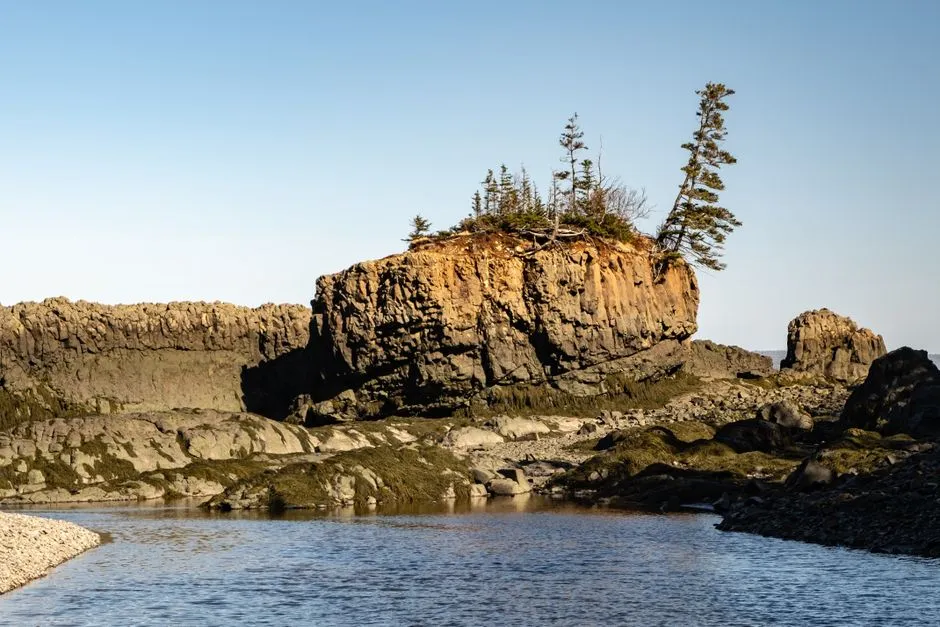
Located between New Brunswick and Nova Scotia, Canada’s Bay of Fundy is known for its extraordinary tides, which are the highest in the world. It sits along Canada’s eastern Atlantic coast, tucked between two provinces that have shaped their entire cultures around it.
The bay is approximately 170 miles, or 270 kilometres, long. That length matters enormously. It creates the physical space necessary for one of the most unusual ocean dynamics on the planet to play out in full.
The Science Behind the Surge
The geometry of the bay causes tidal resonance, which plays a key role in elevating tides. The bay is just the right width and depth for water to slosh back and forth at a frequency, every 12 or 13 hours, that matches the natural frequency of high tides driven by the gravitational pull of the Moon and Sun.
Fundy tides are driven not directly by the Moon and Sun, but indirectly by the smaller tides in the Atlantic Ocean. When a rising Atlantic Ocean tide crosses the edge of the continental shelf into the shallow Gulf of Maine, it travels as a long wave to the head of the Bay of Fundy, reflects back, and returns to the edge of the continental shelf.
The time for a wave to travel the length of the Bay of Fundy and back is between 12 and 13 hours. Since the tide rises and floods into the bay every 12 hours and 25 minutes, it is in sync with the bay’s natural tidal resonance and reinforces the tidal wave. The result is an amplification effect that keeps building, cycle after cycle.
The Staggering Volume of Water
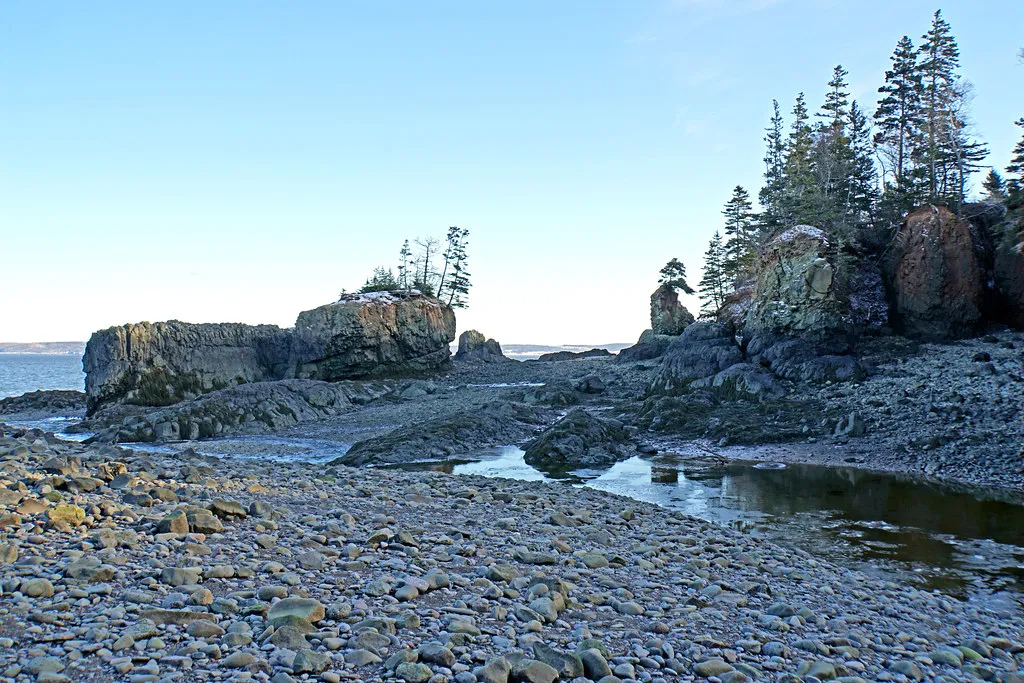
On a flood tide, 160 billion tonnes of seawater flows into the Bay of Fundy, more than four times the estimated combined flow of all the world’s freshwater rivers during the same six-hour interval. That figure is worth sitting with for a moment.
It takes 6 hours and 13 minutes for the tides to go from low to high, and vice versa. The water moves with a quiet urgency that catches many first-time visitors completely off guard. What looked like a distant waterline can surround you before you realize how quickly it has advanced.
Burntcoat Head: Ground Zero for Extreme Tides
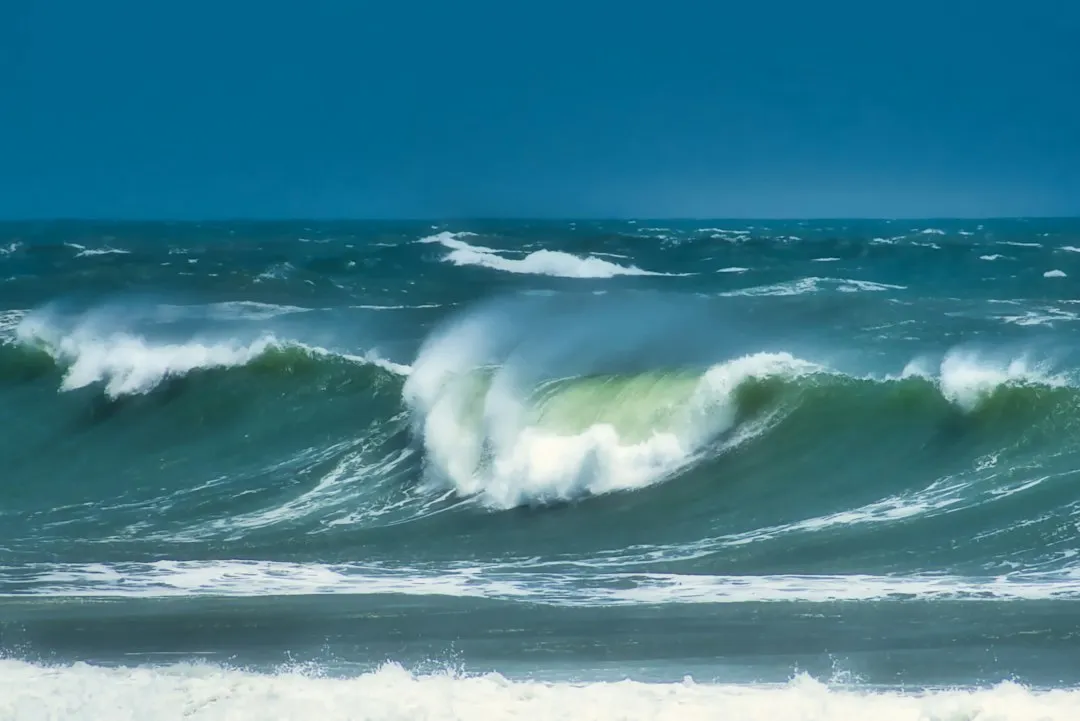
Burntcoat Head Park, located near the bay’s Minas Basin in Nova Scotia, holds the Guinness World Record for the highest recorded tidal range at 16.3 meters, or 53.5 feet. It is a small, accessible park, and its atmosphere is quiet, which makes the transformation during tidal cycles all the more dramatic.
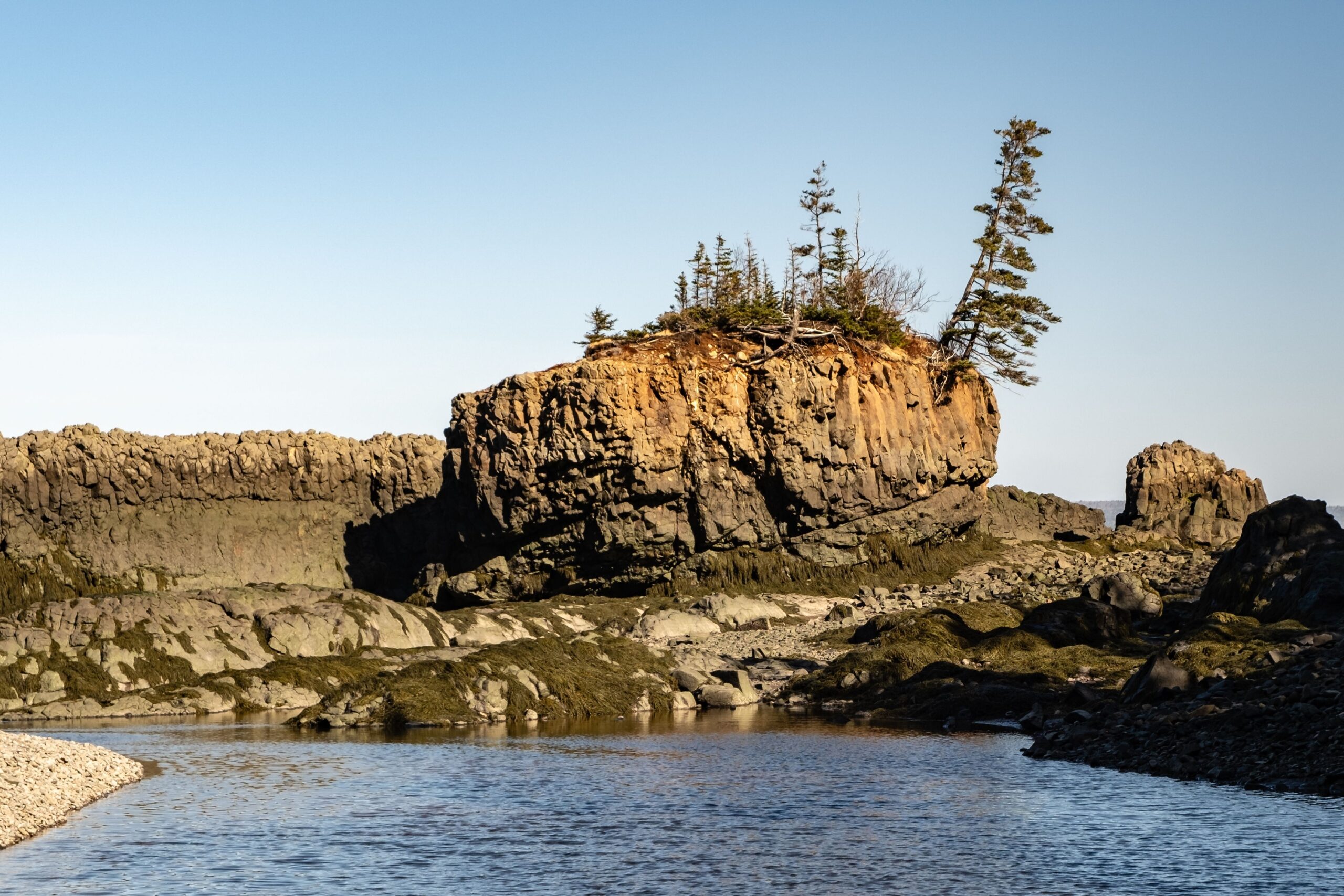
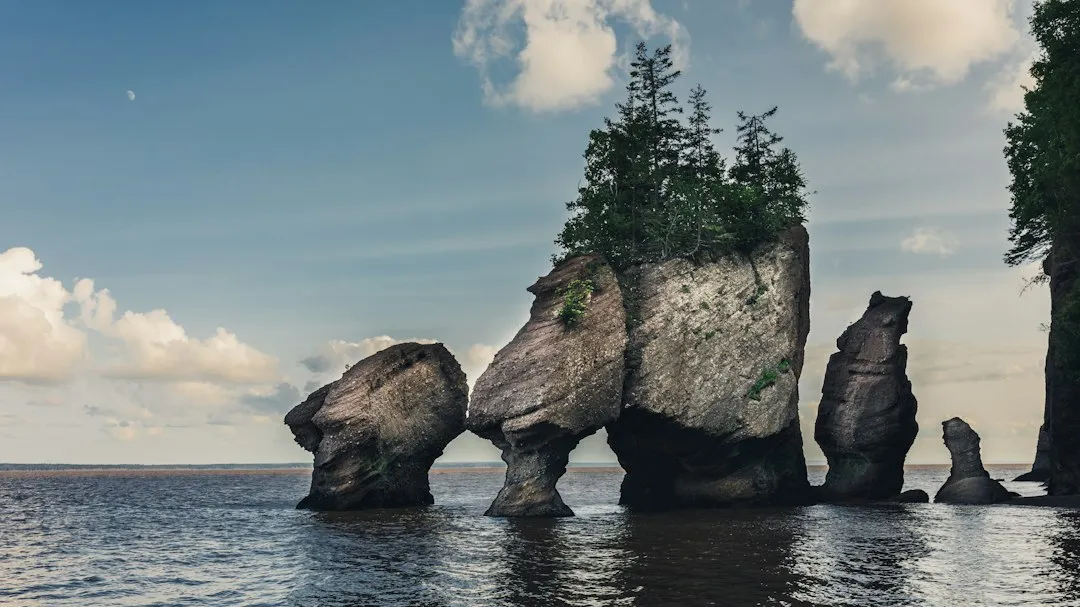
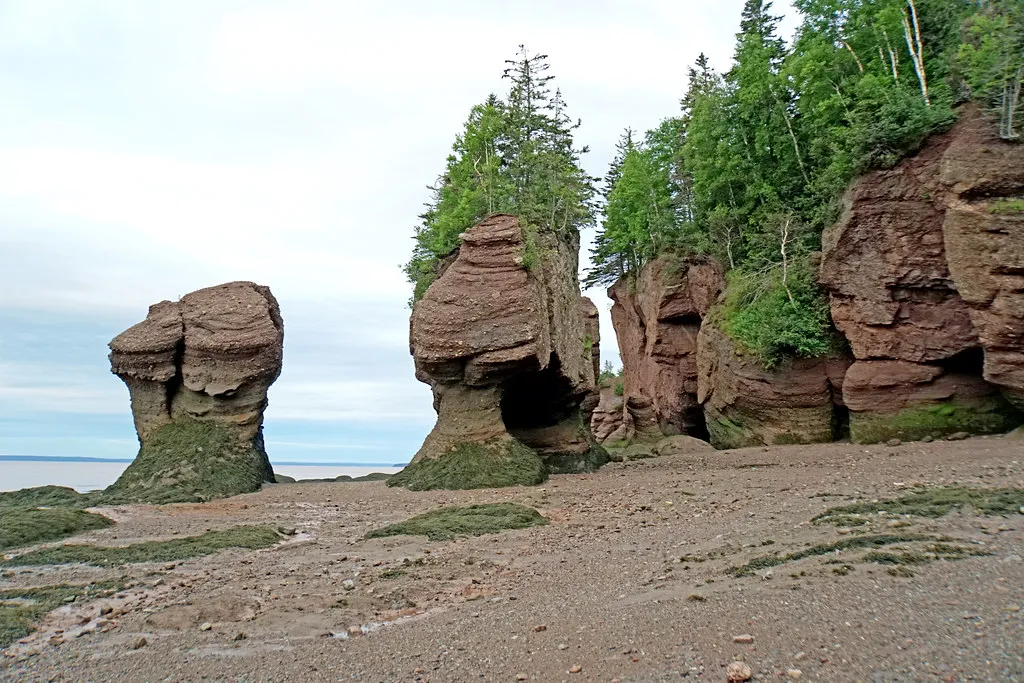
At Burntcoat Head, the average high tide is also surprisingly extreme at 47.5 feet, or 14.5 meters. Even on an ordinary day, this is not a gentle shoreline. The world’s largest tidal range creates unique natural features exposed to dramatic dry and wet environments every six hours and 13 minutes, on average.
The Horizontal Effect: Kilometres of Ocean Floor Exposed
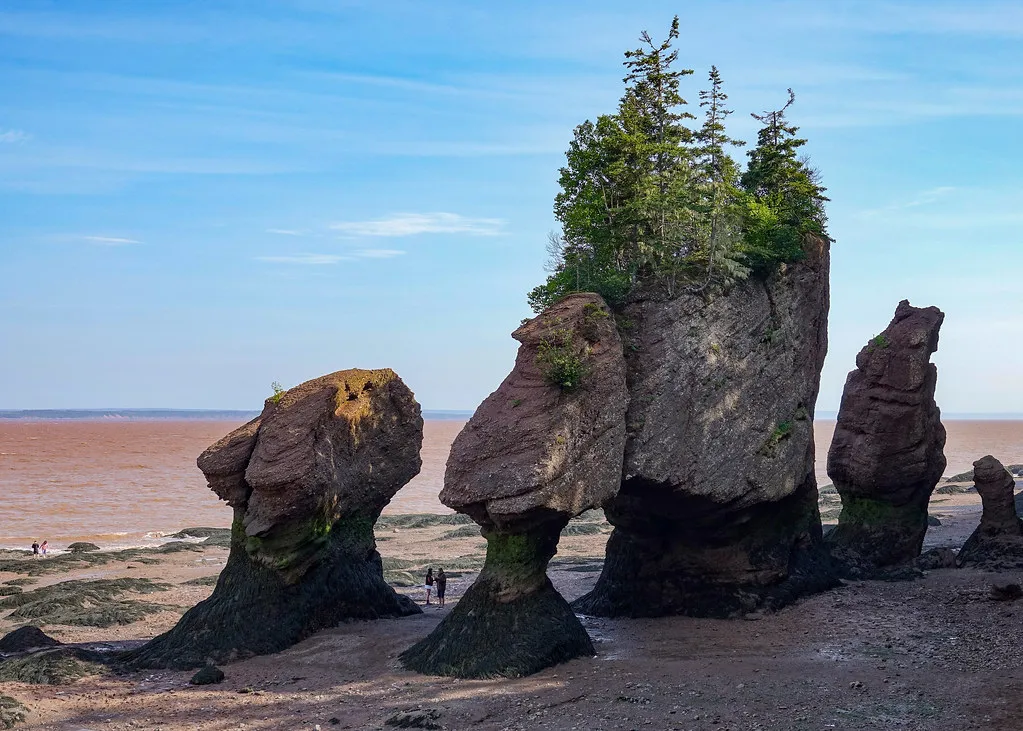
The vertical tidal range can be over 16 metres, but the horizontal range can be as much as 5 kilometres, exposing vast areas of ocean floor. Walking those exposed mudflats is one of the most distinctive experiences the bay offers. Visitors stroll across what was, an hour earlier, the bottom of the sea.
Since the Bay of Fundy becomes shallower and narrower toward its head, incoming tidal flows get forced especially high as water piles up behind mudflats at the mouth of the bay. This funnel effect is fundamental to understanding why the tides grow stronger, not weaker, as you move inland.
Tidal Bores: Rivers That Flow Backwards
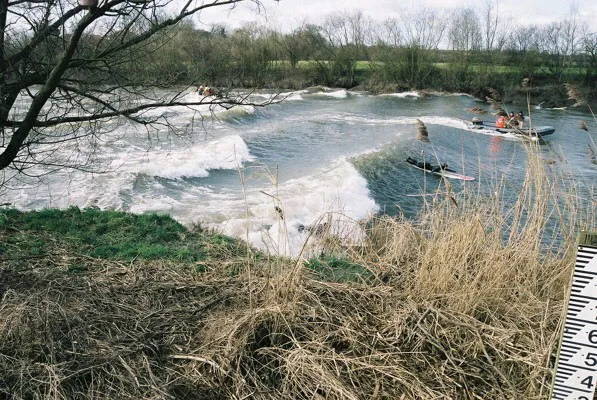
The incoming tide creates tidal bores, waves that travel upstream against the river current, in several rivers feeding the bay. These bores are a particular kind of spectacle. Water flowing the wrong direction tends to arrest attention in a way that most natural phenomena cannot.
The huge volumes of water rushing into the Bay of Fundy’s feeder rivers can create quite a spectacle, with surges of water that rush upstream at roughly 15 kilometres per hour. These tidal bores often have leading waves as high as 1 metre, large enough for rafting and surfing. Tidal bore rafting near Moncton has become one of the bay’s most distinctive visitor activities as a result.
A Marine Ecosystem Shaped by the Tides
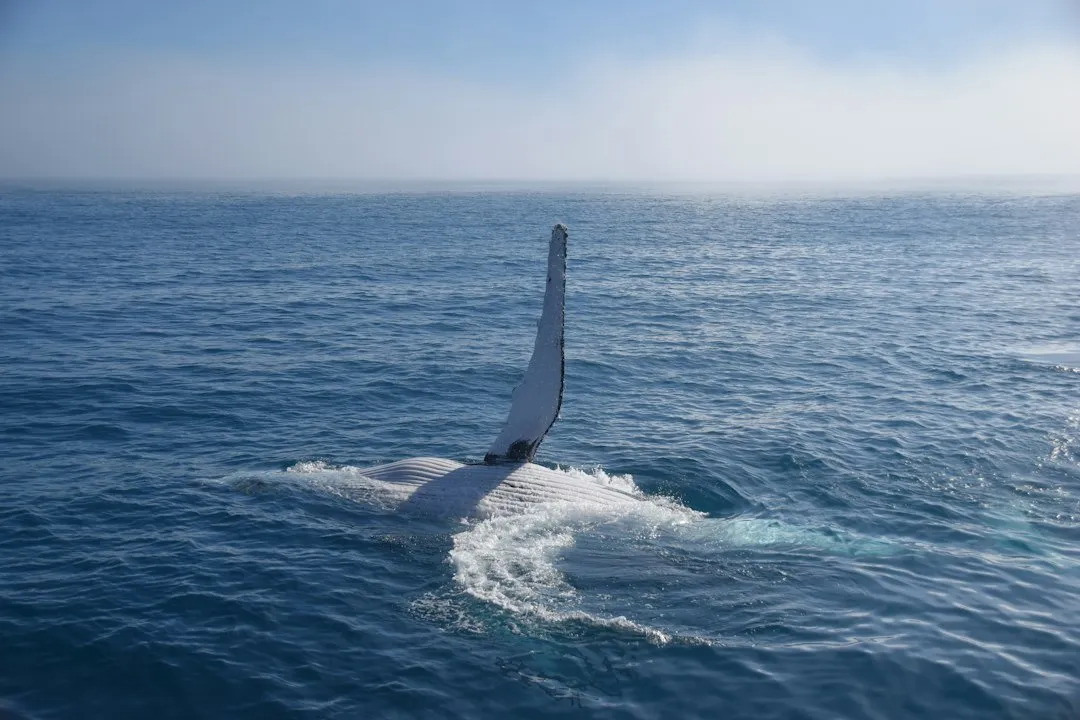
The funnel shape of the bay concentrates cold, nutrient-rich deep water upward in the tidal mixing zone, producing massive blooms of copepods and small fish that draw whales in numbers that continue to astonish marine biologists.
The Bay of Fundy is one of the best places in Canada to watch whales during summer, when cetaceans arrive to feed and raise their young. Species that can be seen include humpbacks, fin whales, minkes, pilot whales, endangered North Atlantic right whales, and very occasionally blue whales.
Each summer, endangered North Atlantic right whales, with fewer than 350 individuals remaining globally, gather in the bay to feed on dense concentrations of copepods. The bay is, for this reason, considered one of the most significant marine conservation zones on the Atlantic coast.
The Promise of Tidal Energy
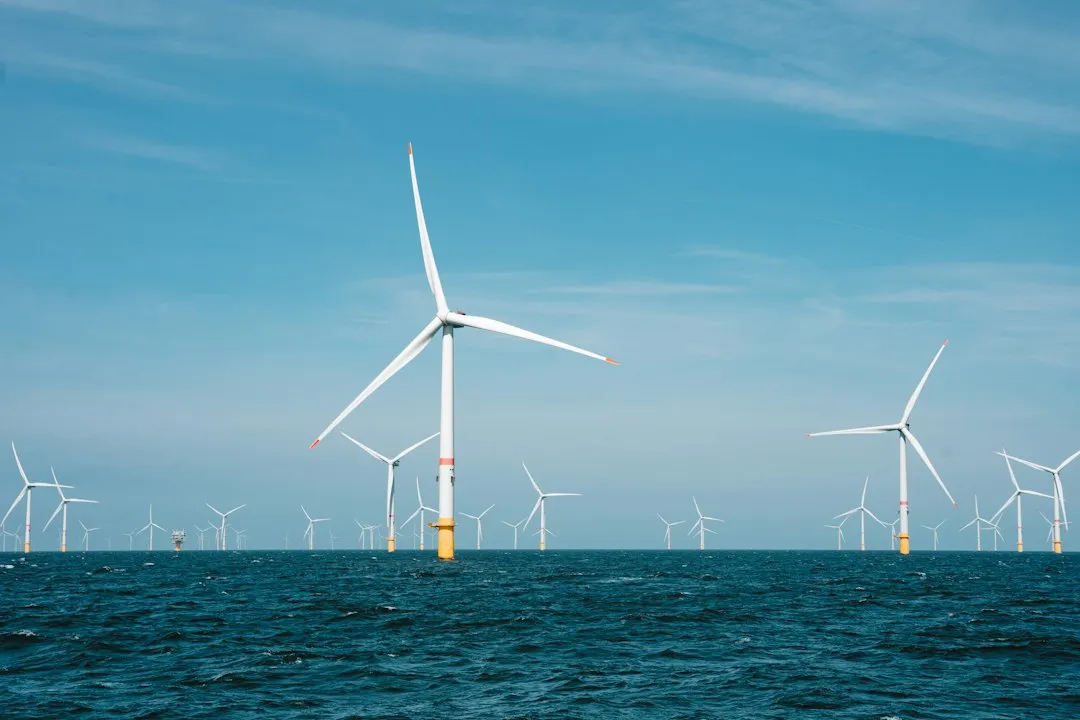
The bay’s tidal energy potential is enormous, with an estimated 2,500 megawatts of harvestable power, but harnessing it without harming marine life remains a significant challenge. Tidal turbines could pose risks to migrating fish, whales, and the bay’s delicate food web. Ongoing research aims to develop turbine designs that minimize ecological impact while capturing clean energy.
The Government of Canada is working closely with the province of Nova Scotia, Indigenous communities, and industry to support the development of clean technology and energy projects, including tidal projects in the Bay of Fundy.
In November 2025, one active tidal project at the Fundy Ocean Research Centre for Energy was expanded to include additional berths, giving a total expected capacity of 16.5 megawatts. Progress has been gradual, but the momentum is real.
A New Challenger: Nunavik’s Leaf Basin

The Bay of Fundy in Atlantic Canada is well renowned for having the highest tides in the world, but many residents in Nunavik have long believed that title belongs to them. The Makivvik Corporation conducted new measurements between 2024 and 2025 from the mouth of the Leaf Basin near the community of Tasiujaq.
Leaf Basin already holds the Guinness World Record for the highest tide ever recorded in 1953. Nova Scotia’s Burntcoat Head in the Bay of Fundy is, however, the current title holder for the greatest tidal range, and that is what Makivvik is formally disputing.
The science here is still playing out, and the answer may depend on how tidal range is precisely measured and at what baseline. For now, the Bay of Fundy retains its internationally recognized record. But the debate itself reflects something genuinely wonderful: Canada may quietly be home to the two most extreme tidal environments anywhere on Earth.
The Takeaway
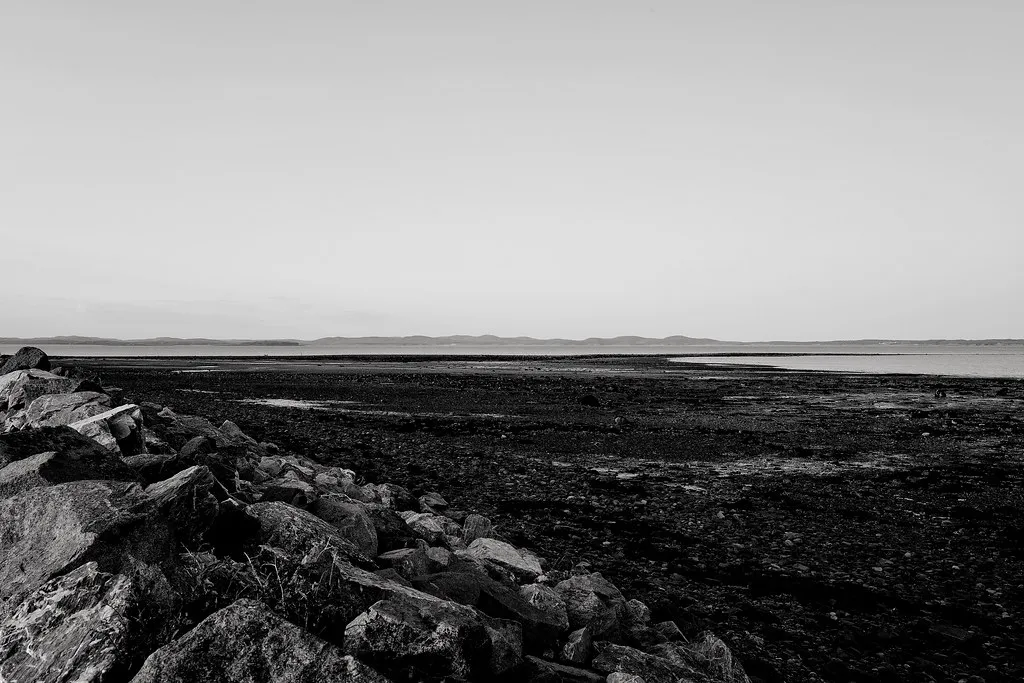
The Bay of Fundy is not a spectacle engineered for tourism. It is simply a place where physics, geography, and ocean dynamics converged over millions of years to produce something that still stops people in their tracks. The tides run on their own schedule, indifferent to visitors and cameras alike.
What makes the bay so compelling is that it is both accessible and genuinely humbling. You can walk the ocean floor in the morning and watch it disappear under metres of surging water by early afternoon. No simulation comes close to that experience.
In a world increasingly mediated through screens, there is something quietly profound about standing at the edge of a tide that moves more water than all the rivers on Earth combined, and simply watching it come in.
AI Disclaimer: This article was created with the assistance of AI tools and reviewed by a human editor.