
Tuscany’s hill towns invite visitors to linger, and those who do discover layers that a brief stop cannot capture. A full season spent among the narrow lanes and open ridges shows how light shifts, how markets pulse, and how neighbors settle into winter routines. The experience turns a postcard view into a lived understanding of place.
Quiet Expanses of the Val d’Orcia
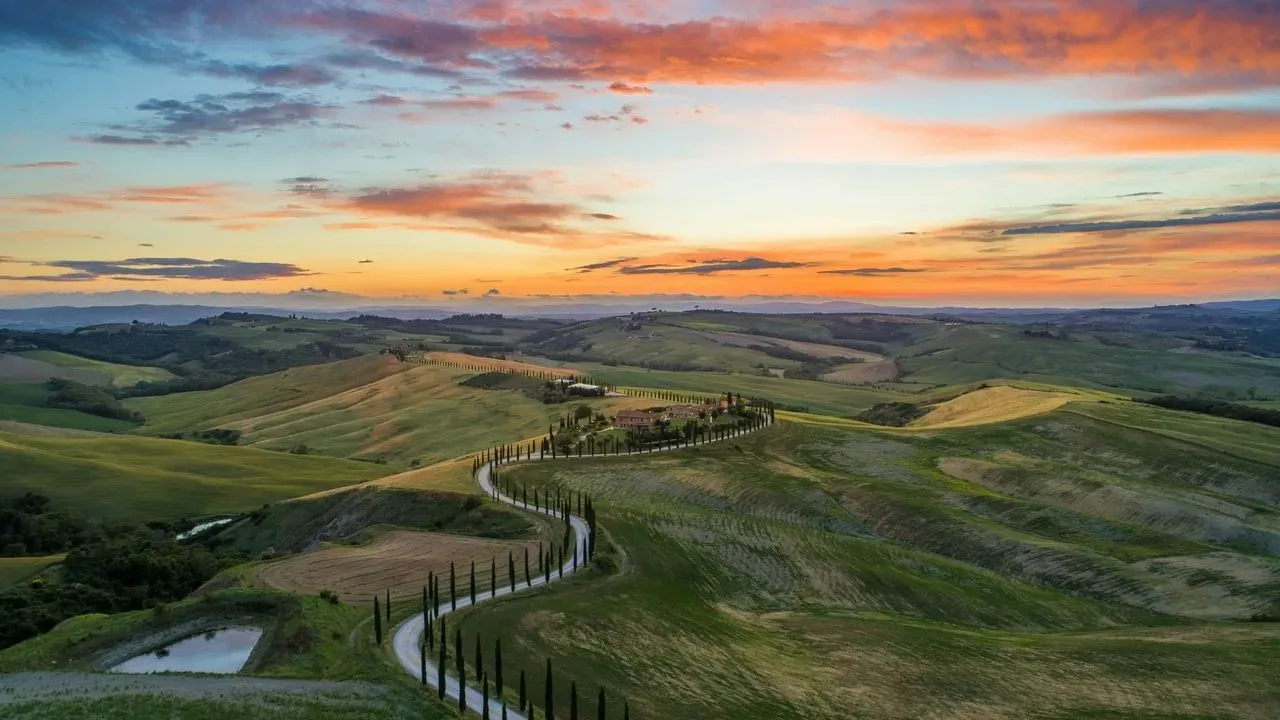
South of Siena the land stretches into broad clay ridges that catch the changing sky. In warmer months the towns of Pienza and San Quirico draw steady visitors, yet by late autumn the squares empty and belong again to residents who linger over coffee. Frost settles on the fields, and evenings carry the scent of olive wood from nearby hearths. The unpaved roads that wind through the countryside become part of daily movement. Travelers learn to read the weather in the way dust rises or mud clings, and they notice how darkness arrives early and stars appear without city glow. These details shape a slower pace that rewards those who stay long enough to feel the rhythm.
Working Cadence of Chianti Villages
North toward Florence the landscape tightens into vineyards and oak woods that support an active farm year. Towns such as Radda and Castellina follow the harvest closely, with September focused on grapes and November turning to olives. Proximity to the city keeps roads maintained and services steady even as fields quiet. Residents move between cellar work and village life without losing access to bakeries and gathering spots that remain open through colder weeks. The pattern shows how countryside living can stay connected rather than isolated, offering a balance that unfolds only after weeks of observation.
Grounded Setting Around Lucca
The hills that frame Lucca sit between the sea and the Apuan Alps, giving the area a distinct sense of enclosure and openness at once. The Renaissance walls keep the historic center calm while weekly markets and tree-lined paths provide steady community contact. Travel to the coast or the airport takes little time, yet daily errands stay local and unhurried. Extended time here reveals how the low hills shelter estates and cottages alike, and how the community continues its rounds regardless of season. The setting feels refined without excess, a quality that becomes clear only when daily life replaces the role of visitor.
Lessons That Emerge Over Time
A longer rental functions as quiet research when approached with attention. Simple notes on heating comfort after the first cold spell, on winter sunlight patterns, and on road conditions after rain help separate expectation from reality. Phone reception on a stormy afternoon and the distance to the nearest clinic also come into focus. These observations build a clearer picture of what daily life requires. Conversations with local tradespeople and neighbors add context that no map supplies. The result is a grounded sense of place that supports thoughtful decisions about future stays.
Practical Steps Before Longer Commitments
Once an area feels familiar, attention turns to the details of any property under consideration. Questions about roof condition, water sources, annual costs, and access roads become more meaningful after a season of direct experience. Local professionals such as agents, lawyers, and surveyors can clarify rules that apply to non-residents and historic structures. The process rewards patience. Tuscany’s hill towns continue to offer their particular beauty across every month, and those who meet the place in its quieter intervals return with a deeper appreciation for its steady character.
AI Disclaimer: This article was created with the assistance of AI tools and reviewed by a human editor.