
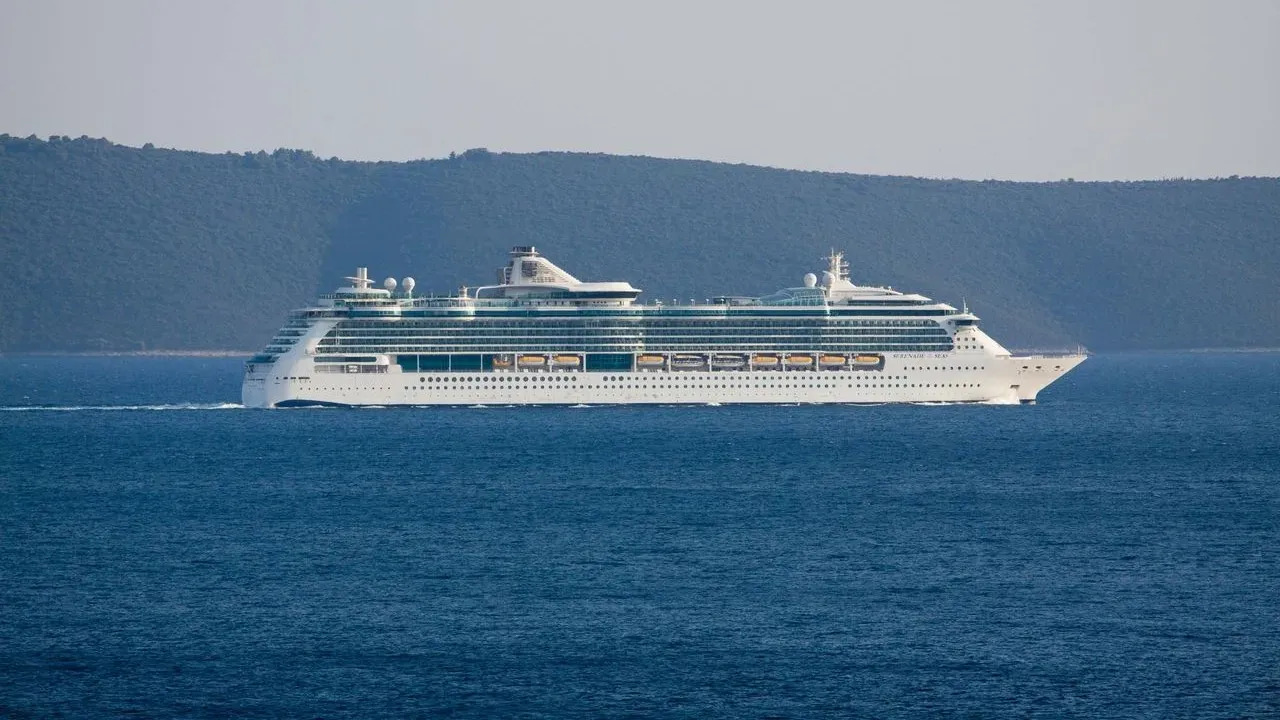

Hoonah, Alaska – Cruise passengers stepping ashore at Icy Strait Point encounter a port shaped by the Huna Totem Corporation, a Native-owned entity that channels visitor spending back into the nearby Tlingit community of Hoonah. The setting on Chichagof Island offers immediate access to coastal rainforest, abundant marine life, and cultural traditions that remain central to daily life for local residents. A single visit can span an entire day or just an evening, yet the experiences available reward those who move at a measured pace and support locally owned enterprises.
Wildlife Viewing From Shore and Sea
The waters around Point Adolphus draw humpback whales in large numbers during summer months, and operators based at the port run regular boat tours to these feeding grounds. Many excursions include the option to combine wildlife watching with a seafood meal or a visit to bear habitat on the island. On land, designated trails and viewing platforms near the Spasski River Valley give visitors a chance to observe grizzly bears from a safe distance while also noting deer and eagles that share the same terrain. ([1])
Those who prefer independent exploration can follow the beach path or the half-mile trail linking the two cruise piers, where deer often appear among the trees. A longer walk leads directly into Hoonah itself, turning the journey into an opportunity to observe the island’s natural rhythms without joining a formal tour group.
Respectful Engagement With Tlingit Traditions
The Alaska Native Heritage Center at the port presents a 30-minute performance of songs, dances, and stories performed by Tlingit residents of Hoonah. Guests may attend the show on its own or as part of a larger package that includes a tribal feast. Proceeds from related retail spaces support school programs and community needs in the village.
Local artists sell work through galleries that feature only Huna Tlingit creators, and visitors can watch carvers at work during a short trip into Hoonah. These encounters emphasize living practice rather than staged display, allowing travelers to learn directly from community members who also staff many of the port’s seasonal positions.
Seafood and Local Enterprise
Three waterfront restaurants and several food vendors prepare dishes drawn from the same waters that attract whales and halibut. Smoked salmon dip, halibut pizza, and Dungeness crab appear on menus alongside Alaskan beers brewed on the island. One food truck near the gondola base offers shrimp and halibut tacos for a quicker option.
A hands-on cooking class lets participants fillet and grill local fish under the guidance of resident cooks before tasting the results and taking home recipe cards. The same emphasis on community benefit extends to a doughnut shop operated by the local Salvation Army, whose earnings help supply food assistance across the region.
Reaching the Village of Hoonah
A 30-minute walk or short shuttle ride brings visitors into Hoonah proper, where everyday life continues alongside the port’s seasonal activity. Local shops, a brewery, and a casual restaurant serving comfort food provide additional places to spend time and dollars directly with residents. Some travelers choose a guided tour that includes both the tribal performance and time in the village.
The port’s design keeps retail space available only to locally owned businesses, a deliberate choice that limits outside operators and directs economic returns to the island’s people. This structure gives cruise guests a clearer sense of how their choices affect the community they have entered for a few hours.
Whether the ship remains in port for a full day or a shorter call, the combination of wildlife, cultural practice, and community-supported dining creates a coherent experience rooted in place. Travelers who arrive with time and curiosity often leave with a stronger appreciation for the Tlingit stewardship that continues to shape this stretch of southeast Alaska.
AI Disclaimer: This article was created with the assistance of AI tools and reviewed by a human editor.