
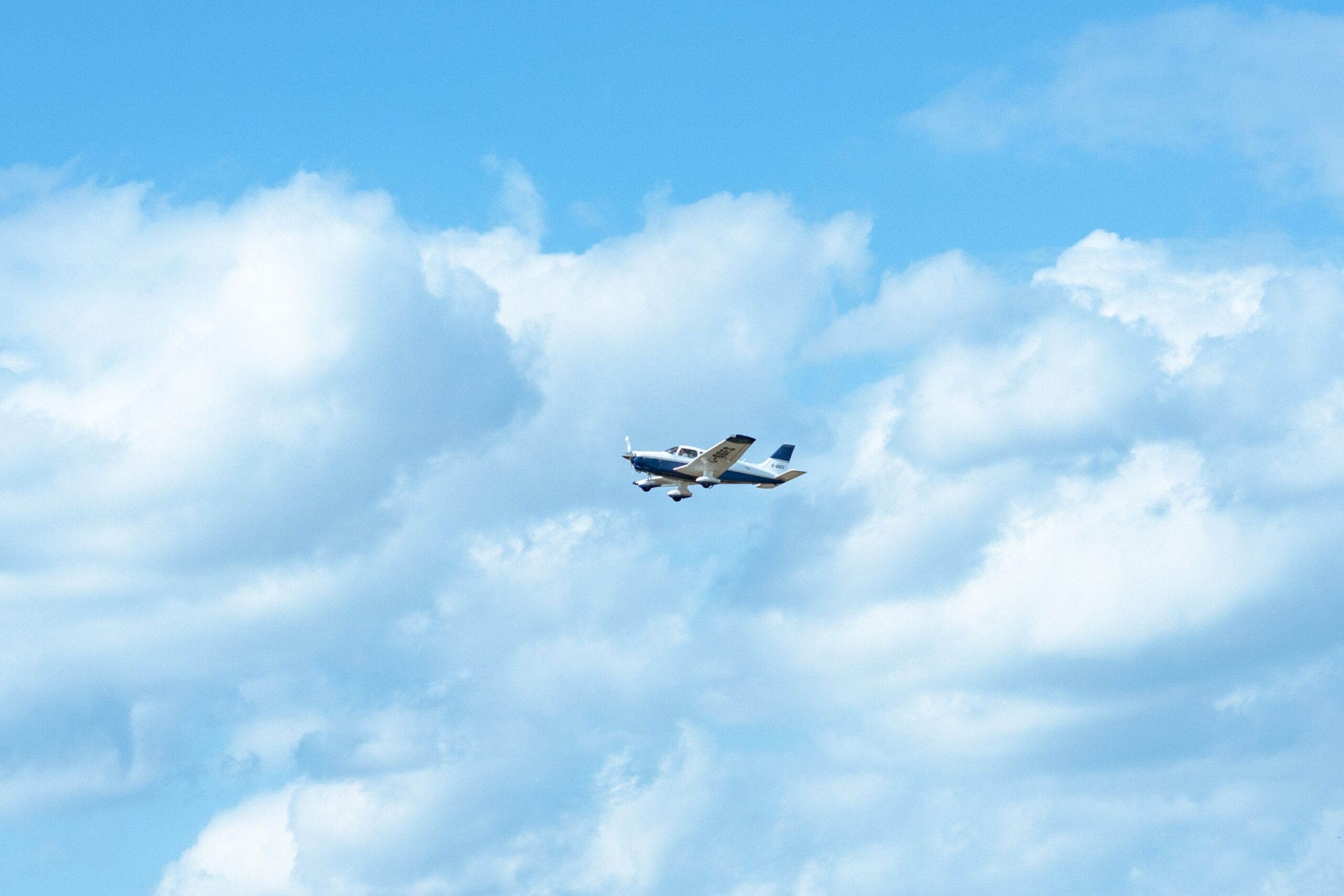

Look out a plane window on your next flight and you’ll likely notice it: the wing doesn’t end flat. It curves or angles upward at the tip, sometimes dramatically, sometimes with an almost elegant sweep. It seems like a small thing. It’s not.
Those upturned tips, called winglets, have become one of the most consequential design decisions in modern commercial aviation. They’re on narrow-bodies, wide-bodies, business jets, and regional turbofans. Their spread across the industry didn’t happen by accident.
The Physics Problem That Started It All
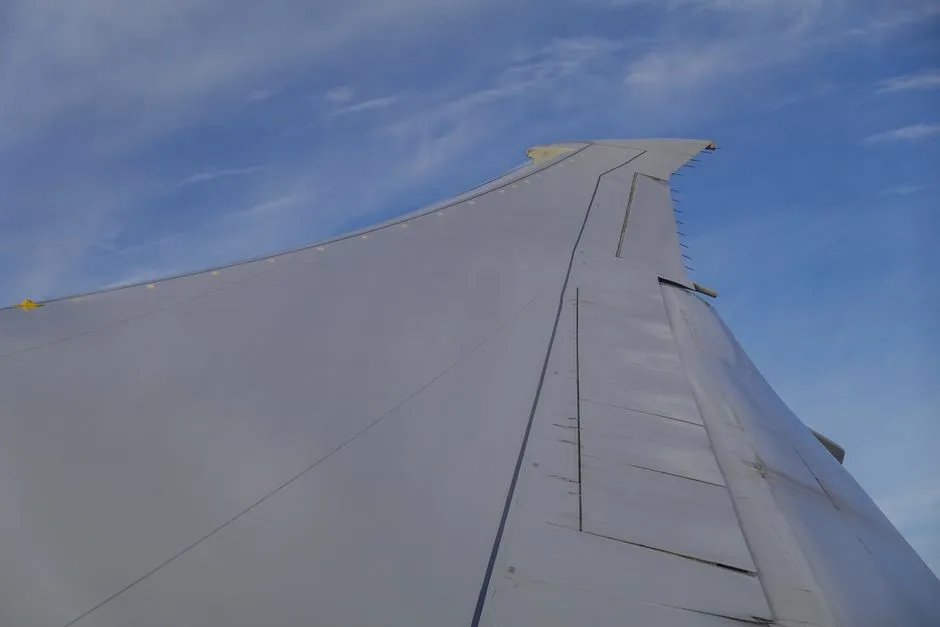
When a wing generates lift, a small tornado-like vortex spills off each tip, creating drag. This is induced drag, and it’s a direct and unavoidable byproduct of how wings work. According to NASA’s Aerodynamics Index, induced drag can account for roughly forty to fifty percent of total aircraft drag during cruise conditions, making its reduction a primary target for efficiency improvements.
A wingtip vortex develops where higher-pressure air below a wing pushes around the wingtip to the lower-pressure area above it, and the spiraling vortex reduces lift on the affected portion of the airfoil. The result is that the aircraft has to burn more fuel just to maintain speed and altitude. Engineers have been trying to solve this problem for well over a century.
The Idea Is Older Than You Think
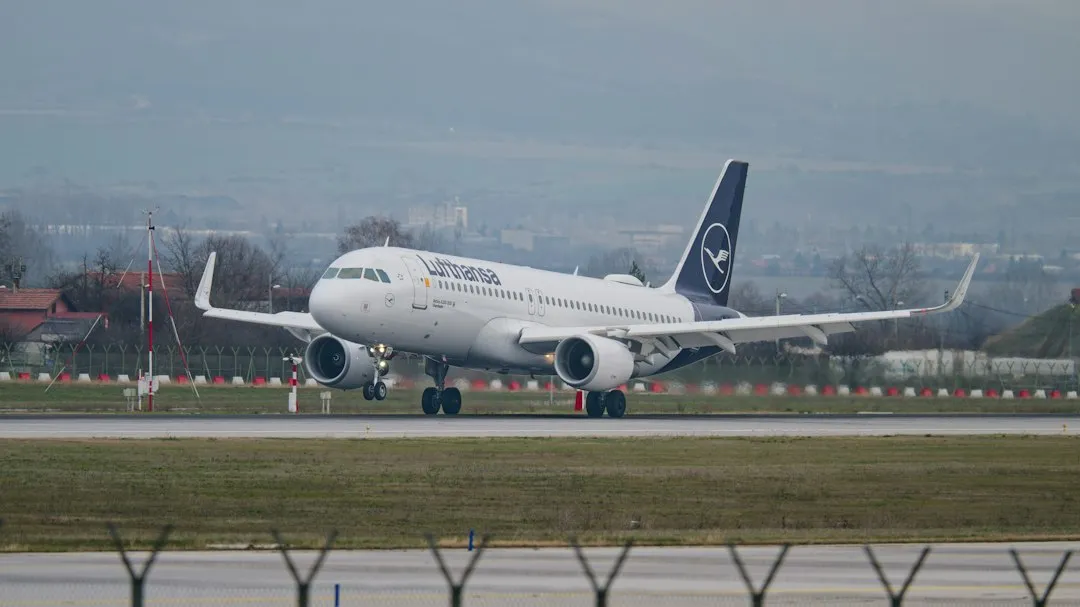
Richard T. Whitcomb is often considered the father of the modern winglet, but the winglet’s roots extend back to Fredrick Lanchester, a British aerodynamicist who proposed similar concepts in the early 1900s. The physics were understood long before the engineering could keep up. Lanchester’s theories on vortex dynamics hinted at the potential benefits of controlling airflow at the wingtips, though the technology of the time could not fully realize his ideas.
NASA engineer Richard Whitcomb, renowned for developing the supercritical airfoil used throughout modern commercial aviation, pioneered winglet technology during the 1970s in response to the 1973 oil crisis. An article describing how birds curl their wingtip feathers upward to create higher lift inspired Whitcomb to develop winglets. Nature, it turns out, had already solved the problem millions of years earlier.
From NASA Labs to the Learjet
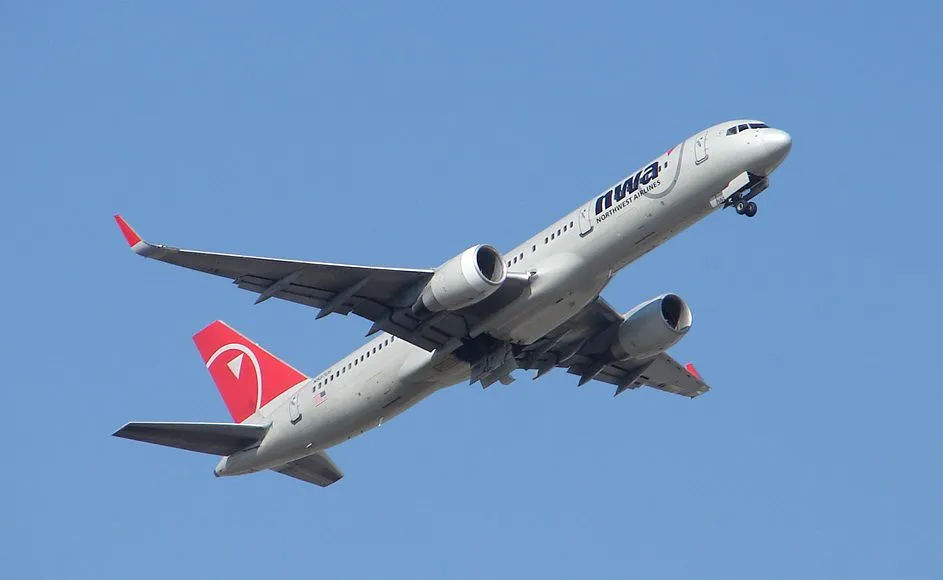
Initial NASA flight testing on a modified KC-135 aircraft demonstrated lift-to-drag ratio improvements of six to nine percent, validating theoretical predictions and establishing winglets as viable commercial technology. The results were persuasive enough to move winglets from research papers into actual production aircraft. Winglets first appeared on civil aircraft in the late 1970s on the Gates Learjet 28.
Winglets for large airliners began to appear later. In 1989, Boeing introduced its winglet-enhanced 747-400 aircraft, and in 1990 the winglet-equipped McDonnell Douglas MD-11 began commercial flights. The winglets increased the 747-400’s range by 3.5 percent over the 747-300, which is otherwise aerodynamically identical but has no winglets. That single figure made the business case for every airline that was watching.
How a Winglet Actually Works

Winglets are actually little wings that generate lift, and just like any other wing, they generate lift perpendicular to the relative wind. The clever part is in how they use the vortex energy that would otherwise be wasted. Wingtip vortices change the direction of the relative wind at the wingtip, and because the vortices move up and over the wing, they add a component of wind that flows toward the fuselage, bending the relative wind inward. When you draw the lift vector from the winglet, it points forward a little.
That forward-pointing lift component is the key. It effectively recovers some of the energy the vortex was wasting, converting drag into a small but meaningful forward force. Winglets reduce induced drag without needing a significant increase in horizontal span, which matters enormously when airports have strict limits on how wide a plane’s wings can be.
The Fuel and Cost Savings Are Real

On average, aircraft equipped with winglets consume about 3.45 percent less fuel than those without them, according to Cirium. That figure holds across a wide range of aircraft types and routes. Aircraft such as the Boeing 737-700 equipped with blended winglets have been reported to save approximately 100,000 gallons of fuel per year per aircraft.
Installing winglets reduces lift-induced drag by roughly twenty percent, delivering overall aircraft fuel burn savings of three to five percent. Multiply that across hundreds of aircraft flying thousands of hours a year, and the scale of savings becomes remarkable. In 2009, Airbus launched its Sharklet blended winglet, designed to reduce fuel burn by up to four percent over longer sectors, corresponding to an annual CO2 reduction of 700 tonnes per aircraft.
The Many Shapes of Winglets
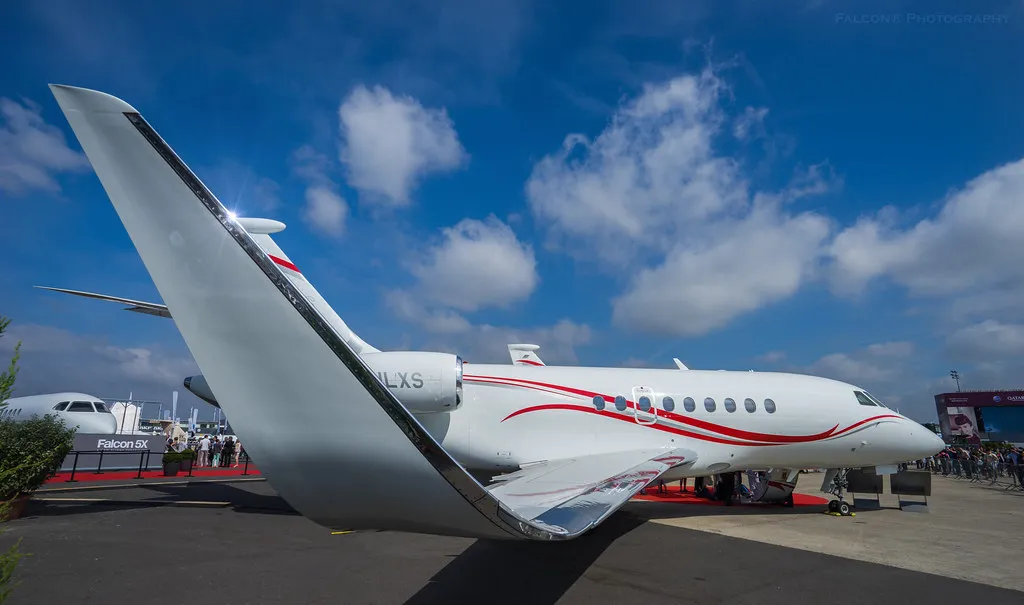
Not all winglets look alike, and that’s intentional. Different airlines, aircraft types, and operating profiles call for different solutions. The Boeing 737 and 757 feature blended winglets, some airplanes feature split scimitar winglets that curve upward but also downward, and sharklets look like traditional winglets but with a slightly more prominent fin.
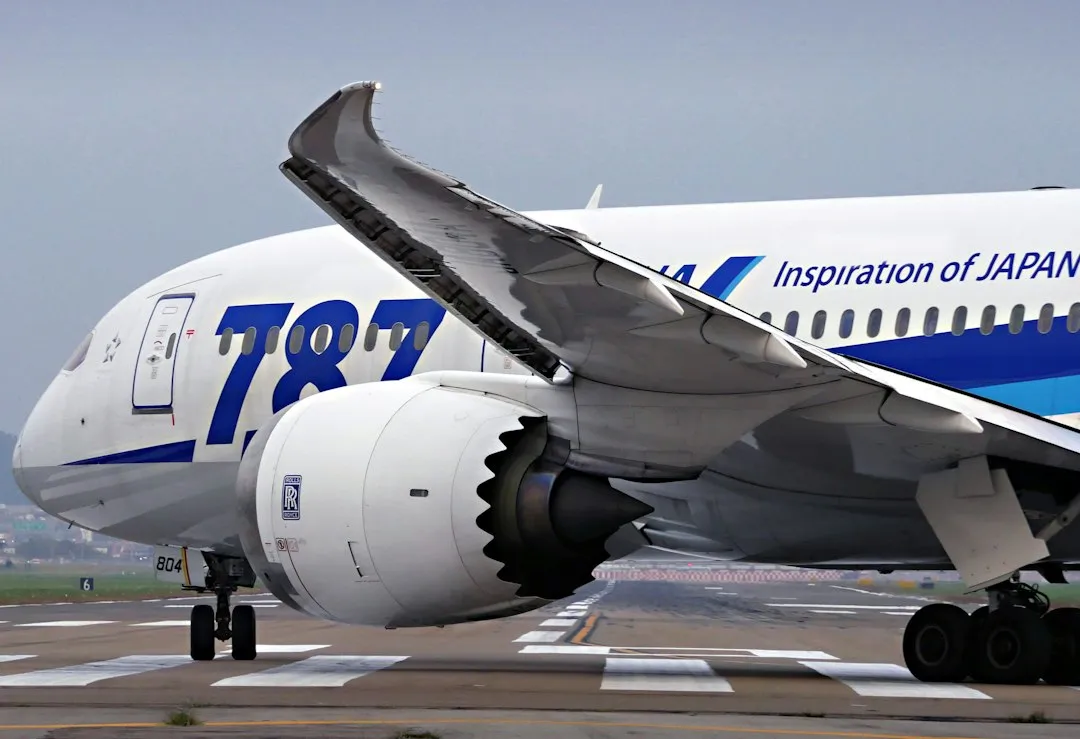
Raked wingtips extend the wing’s sweep at the tip rather than curling sharply upward. In testing by Boeing and NASA, raked tips reduced drag by as much as 5.5 percent, compared with 3.5 to 4.5 percent for conventional upturned winglets. The Boeing 787 Dreamliner uses raked wingtips. Each approach reflects a considered tradeoff between aerodynamic gain, structural weight, and airport compatibility.
Airport Gate Limits Shape Winglet Design
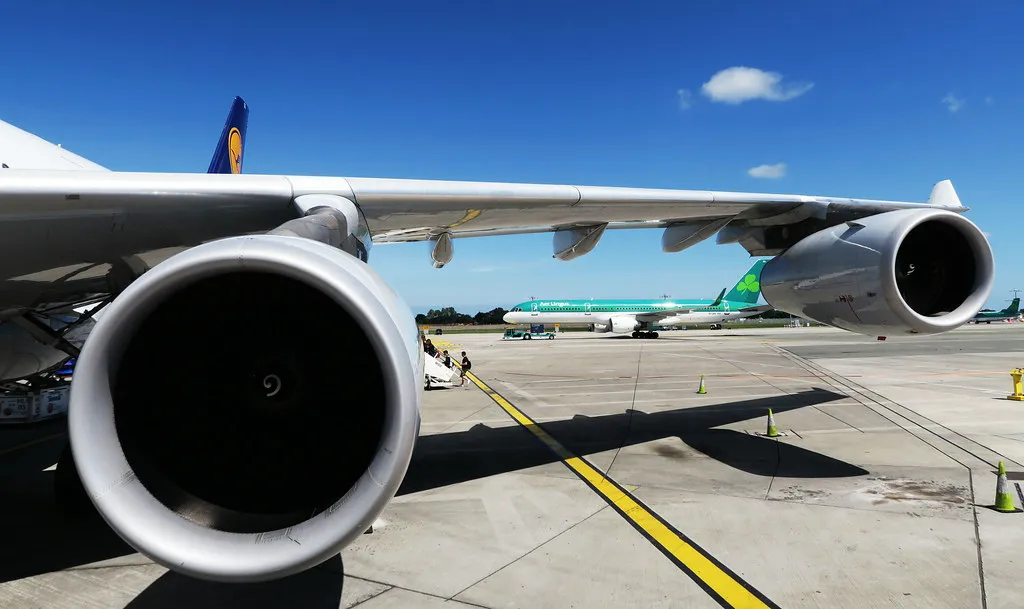
One of the less obvious forces shaping winglet design isn’t aerodynamics at all. It’s the width of airport gates. Beyond saving three to five percent in jet fuel burn and reducing airline carbon dioxide emissions, winglets increase the effective aerodynamic aspect ratio without exceeding strict airport gate limits established by the International Civil Aviation Organization.
If the 777 were fitted with winglets, this would have extended its wingspan, limiting the ability to fit at some airport gates, so Boeing made the decision to avoid adding additional weight and complexity to the aircraft design, instead using raked wingtips as a balance for performance gains. The geometry of the world’s airports, designed and built decades ago, quietly constrains what engineers can do at the wingtip.
The Boeing 777X and the Folding Wingtip Solution
The most ambitious wingtip engineering of this era belongs to the Boeing 777X. The 777X’s wing is a different breed from the one on the 777-300ER. Built from lightweight carbon-fiber composites with a higher aspect ratio, the new wing adds roughly fifteen percent more surface area, which is a big part of what drives Boeing’s claimed twenty percent cut in fuel burn and emissions over the outgoing 777.
The outer 11.5 feet, or 3.5 meters, of each wingtip hinges upward once the aircraft is on the taxiway, bringing the ground-configuration span down to 212 feet 9 inches, comfortably back inside Code E limits. After landing, the wingtips automatically fold without pilot input as the aircraft decelerates through 50 knots, completing the fold in 20 seconds. It’s a piece of engineering that sounds improbable until you see it work.
Winglets and the Push to Lower Emissions
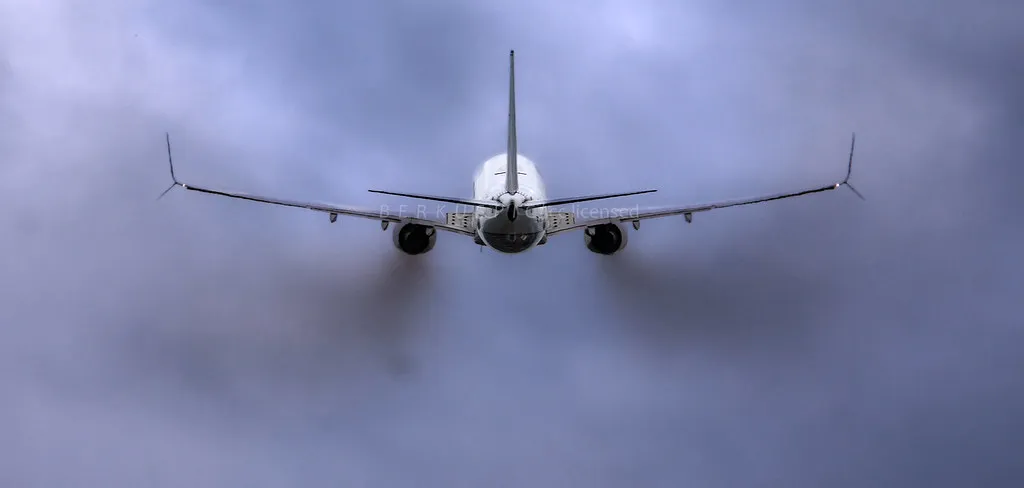
The reduction in fuel consumption achieved by winglets directly lowers airline carbon dioxide and nitrous oxide emissions per flight hour. In an era of tightening environmental scrutiny, that’s no small thing. Reduced fuel burn also lowers carbon emissions, making winglets one of the more straightforward sustainability tools already deployed at scale across global fleets.
Winglets also enhance climb performance, allowing airliners to reach optimal fuel-efficient cruising altitudes more rapidly. By weakening trailing wake turbulence, winglets allow air traffic controllers to safely reduce separation distances between landing aircraft, which has quiet downstream benefits for airport capacity. The gains stack in ways that aren’t always obvious from the outside.
What’s Coming Next in Winglet Technology
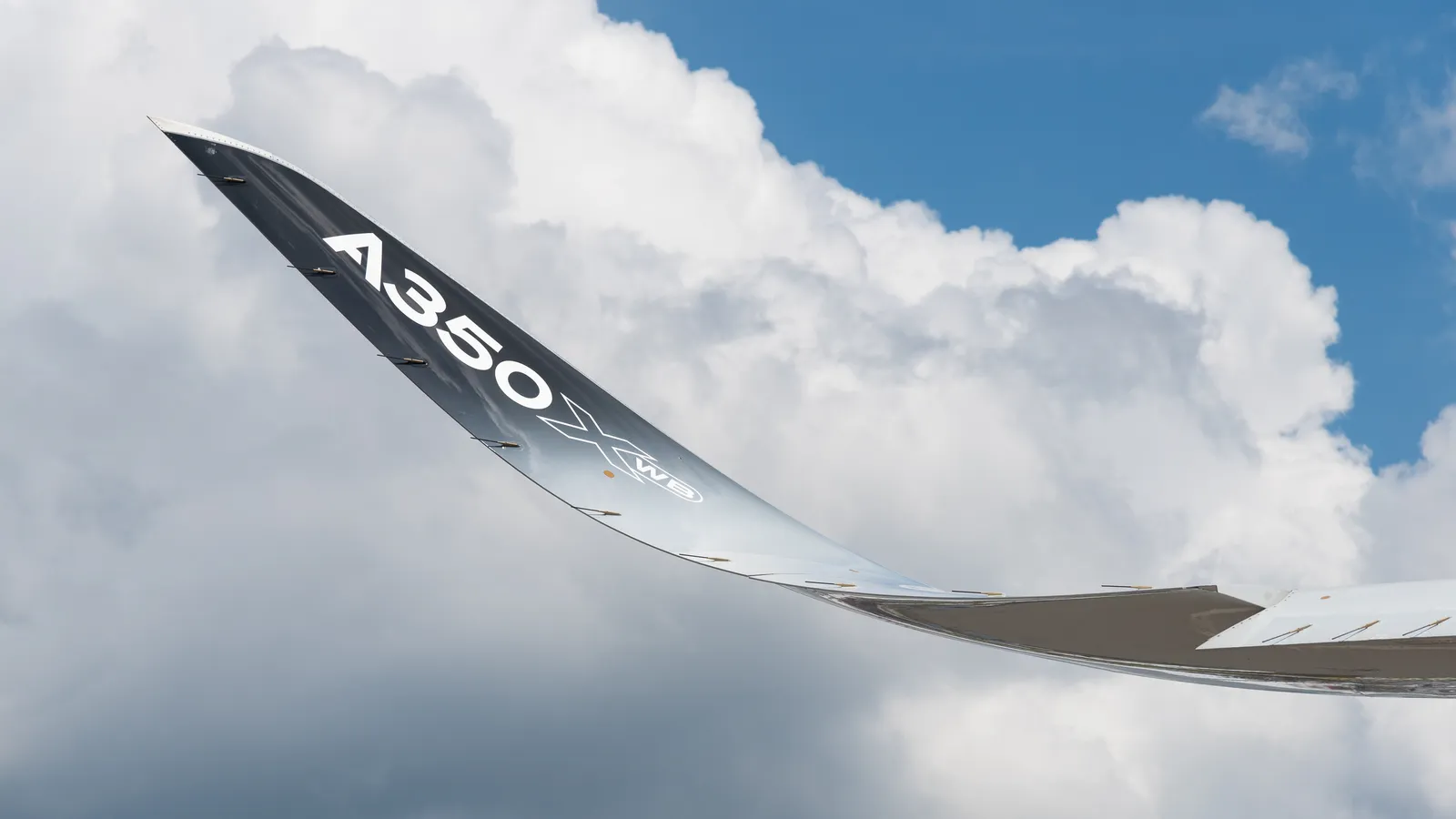
Adaptive winglets, which can change their shape and orientation depending on the speed, altitude, and load of the aircraft, aim to optimize aerodynamic performance and fuel efficiency in different flight phases and conditions. This kind of active aerodynamics is still emerging, but it points toward a future where the wingtip isn’t static at all. In 2024, one company described the spiroid wingtip as an ongoing program, with current studies examining possible future applications for the technology on a number of business and commercial aircraft types.
Wind tunnel experiments and computational fluid dynamics simulations assist engineers in refining winglet designs to reduce interference drag and promote smooth airflow. The pace of that refinement has accelerated considerably as computing power has grown. The future of winglet technology is focused on further optimizing designs for improved fuel efficiency and reduced noise, and we are likely to see more complex and efficient wingtip devices on future aircraft.
A Small Shape with a Large Impact
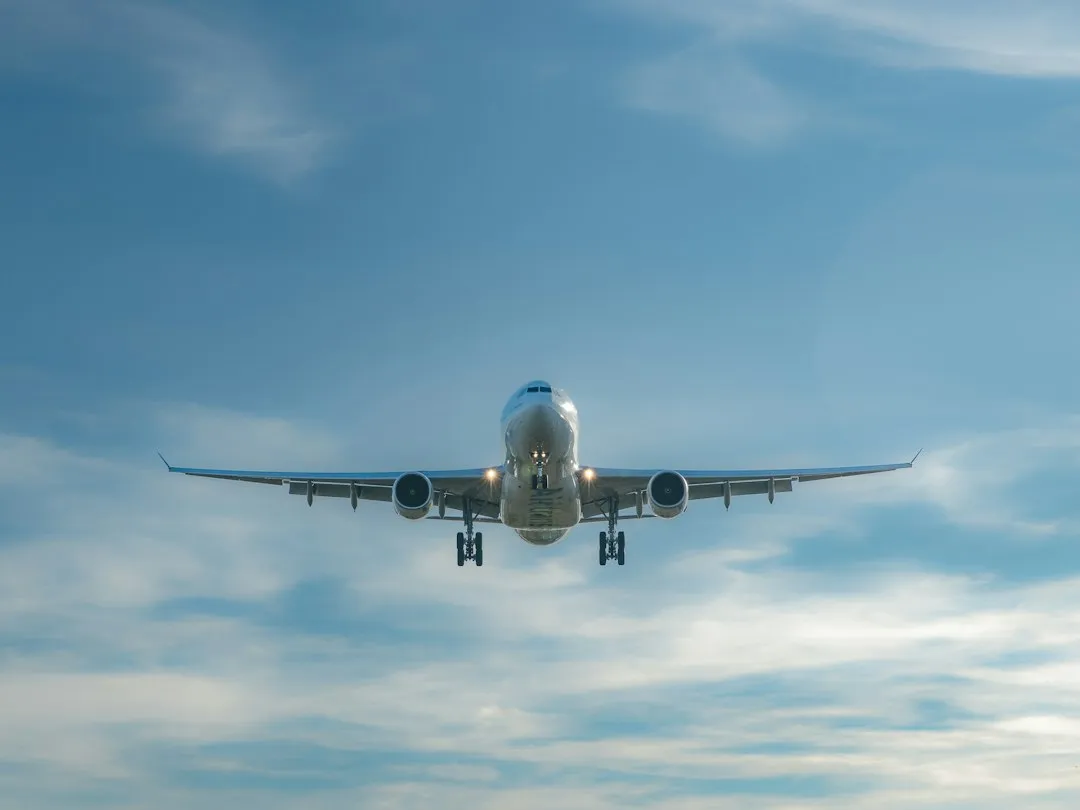
There’s something worth pausing on here. The upturned wingtip is one of those engineering solutions that looks almost incidental until you understand what it’s actually doing. It’s not decoration. It’s not a structural quirk. It’s a carefully calculated response to one of the most persistent inefficiencies in flight.
By simply modifying the wingtip shape, engineers managed to reduce drag, improve efficiency, and make aviation more sustainable. Today, winglets are not only functional but also iconic design elements that distinguish modern aircraft. The fact that they also look good is, at most, a happy coincidence.
Every time a plane lifts off with those curved tips catching the light, it’s carrying roughly half a century of aerodynamic research with it. That small upward curve at the end of the wing is, in quiet ways, one of the most earned shapes in engineering.
AI Disclaimer: This article was created with the assistance of AI tools and reviewed by a human editor.