
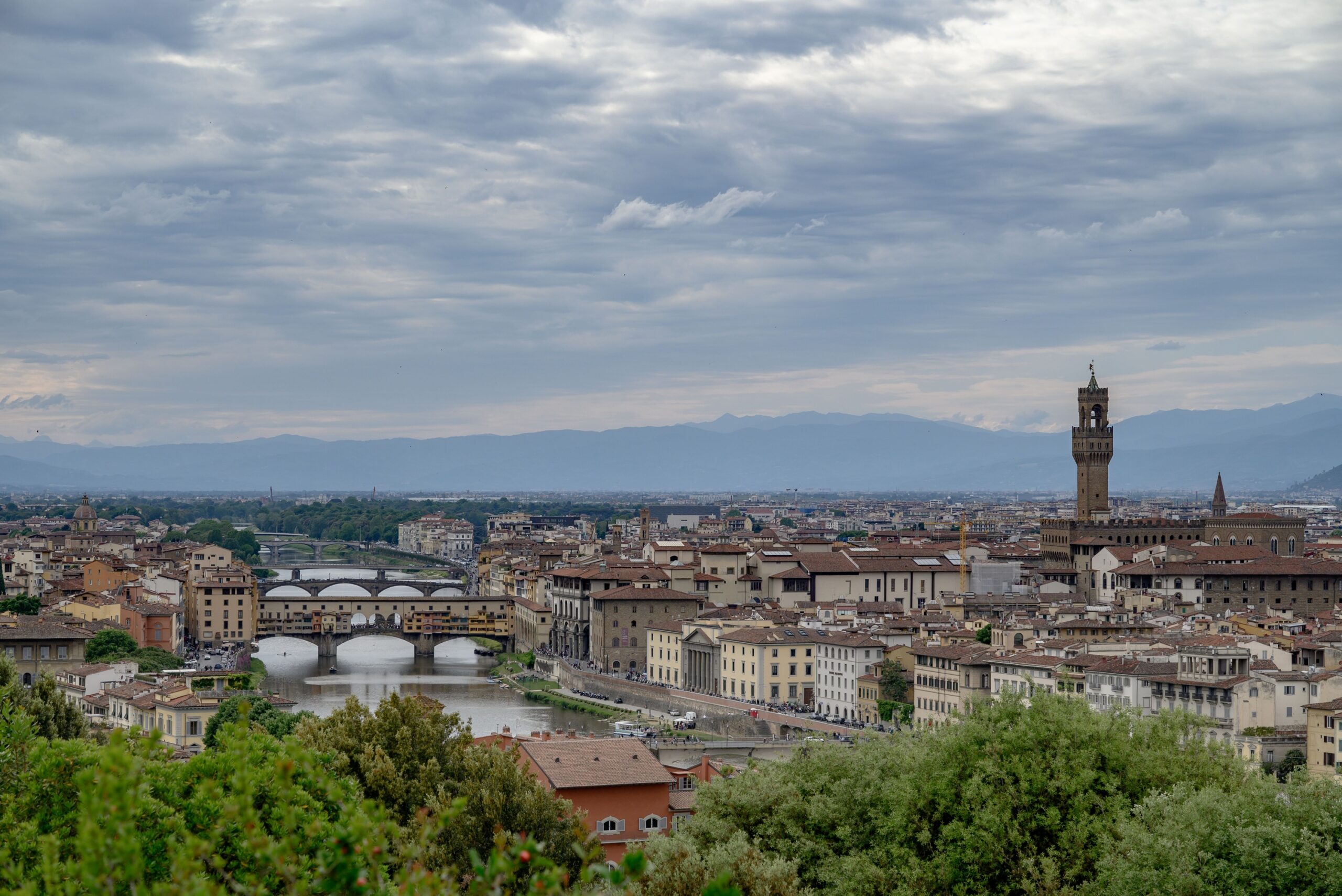

The Rule Itself: What Visitors Need to Know
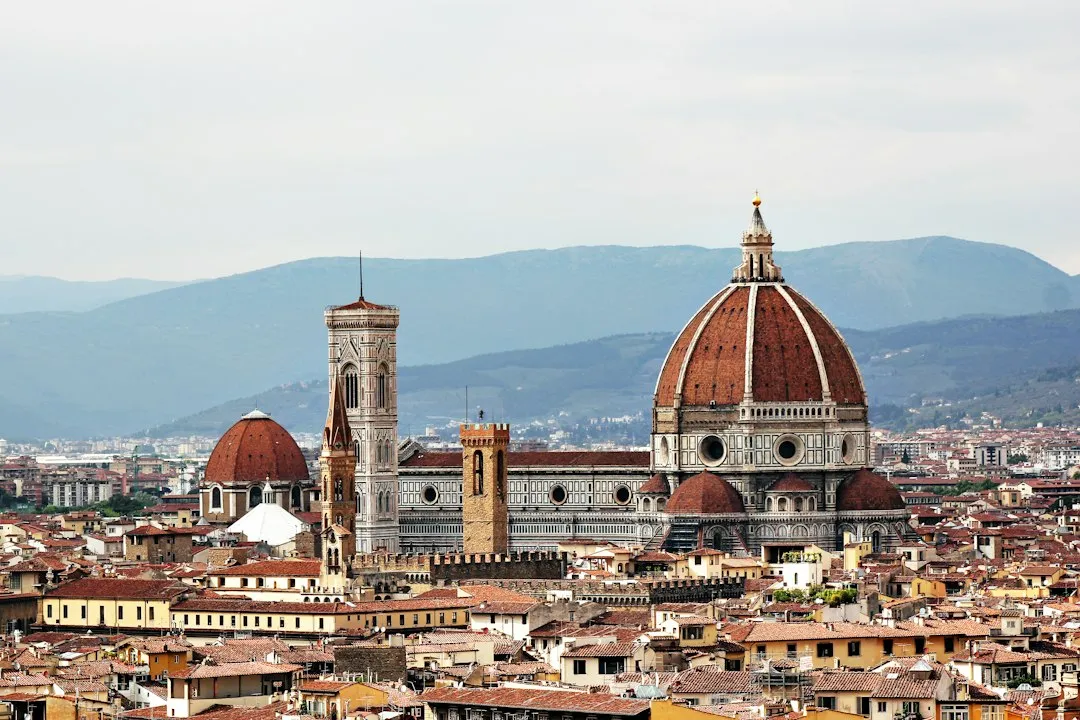
Anyone caught enjoying a snack while sitting or standing on four of the most popular streets in Florence’s historic city center can be fined anywhere from €150 to €500. The four streets affected are Via de’ Neri, Piazzale degli Uffizi, Piazza del Grano, and Via della Ninna, with restrictions in place during peak eating times: noon to 3 p.m. and 6 p.m. to 10 p.m.
Officials explicitly state it is forbidden to “eat any kind of food just stopping and staying on sidewalks, on doorsteps of shops and houses and on roadways.” Walking while eating gelato, however, remains acceptable anywhere in Italy – it is the act of stopping and clustering that the ordinance targets.
The Streets That Triggered It All
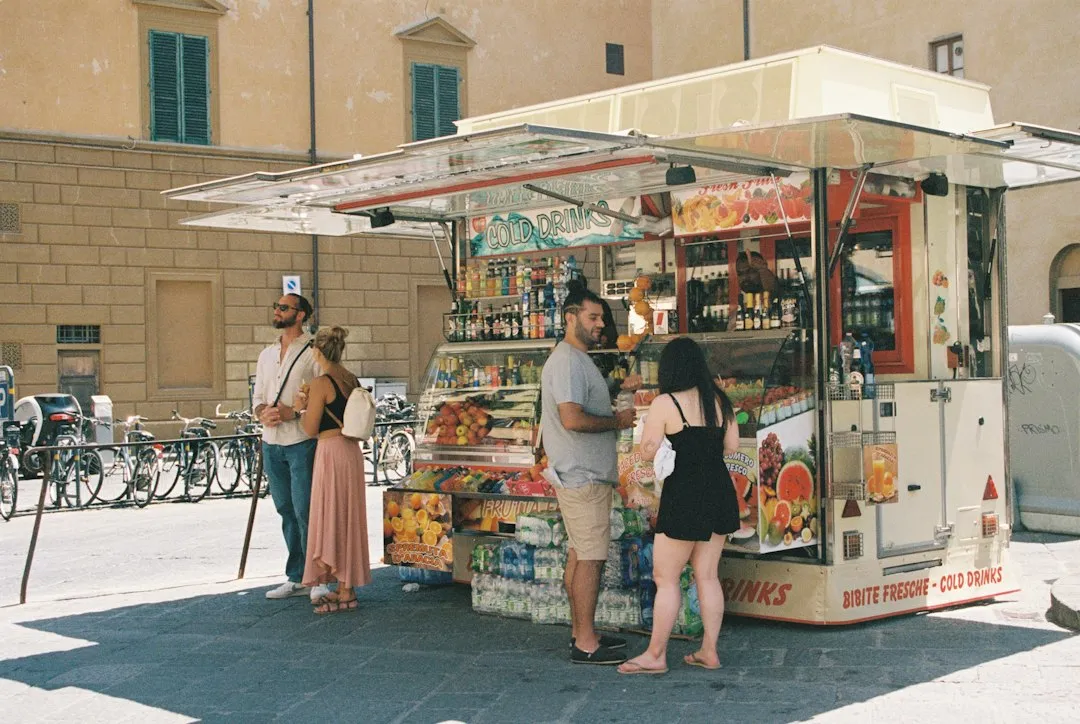
Via de’ Neri is filled with food shops, including multiple branches of the wildly popular sandwich joint All’antico Vinaio and the much-loved Gelateria dei Neri. Hungry sightseers often loiter here. Supporters of the measure say this exacerbates congestion in an already crowded city and adds significantly to a litter problem.
The city’s mayor introduced the measure after soaring tourism numbers, reportedly fueled by low-cost flights and short-term rentals, left the narrow streets difficult to navigate for residents who found tourists picnicking on precious pavement. The tipping point, in part, came when a shopkeeper was beaten by tourists who resisted being asked to stop picnicking at the entrance to his store.
Florence Is Not a Small City for Tourists Anymore
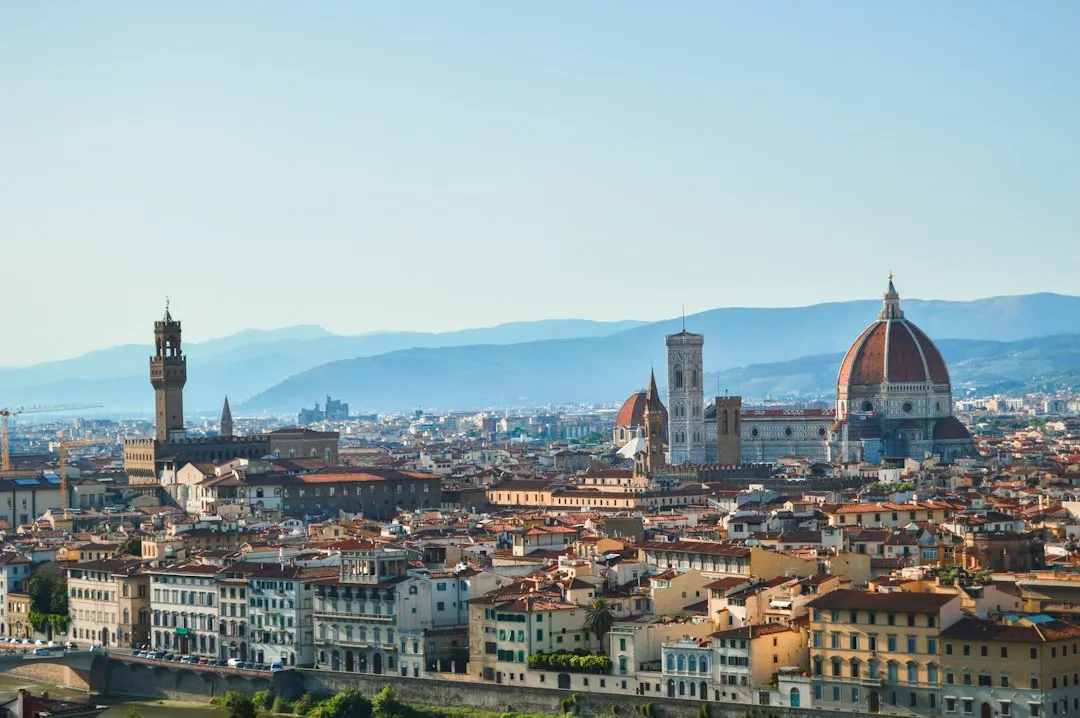
Florence recorded 16.2 million total visitors in 2024, with 3.8 million international arrivals and 9.8 million international overnight stays, marking a complete recovery from pandemic disruptions and surpassing pre-2019 levels. To put that in perspective, Florence Mayor Sara Funaro noted that the city now hosts at least 25 tourists for every single resident.
City hall stated that the restrictions were driven by a tourist influx that has become unsustainable for residents, adding that over 7.8 million people visited the Tuscan capital in just the first nine months of 2024 alone. “The city is no longer able to support such a massive presence of activities and means for exclusive tourist use concentrated in just five square kilometres,” city hall said.
The UNESCO Heritage Dimension
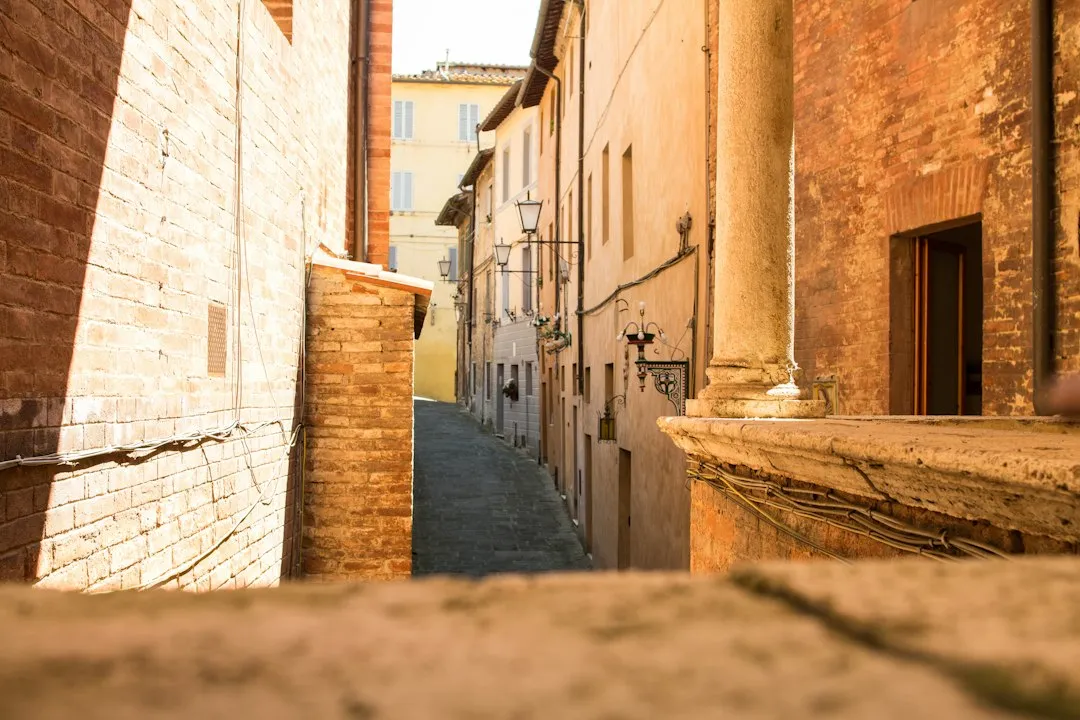
The center of Florence is a UNESCO World Heritage Site. When visitors behave badly in Florence, they are effectively damaging a world heritage site – one that belongs not only to Italy but to humanity as a whole.
The center of Florence carries UNESCO World Heritage status, and poor behavior in that zone is not simply a social nuisance but a direct threat to something globally protected. The eating ordinances are, in this light, also a form of heritage stewardship. Crowding, litter, and physical wear on ancient pavements are not trivial concerns in streets that have stood for centuries.
A Population That Is Quietly Disappearing
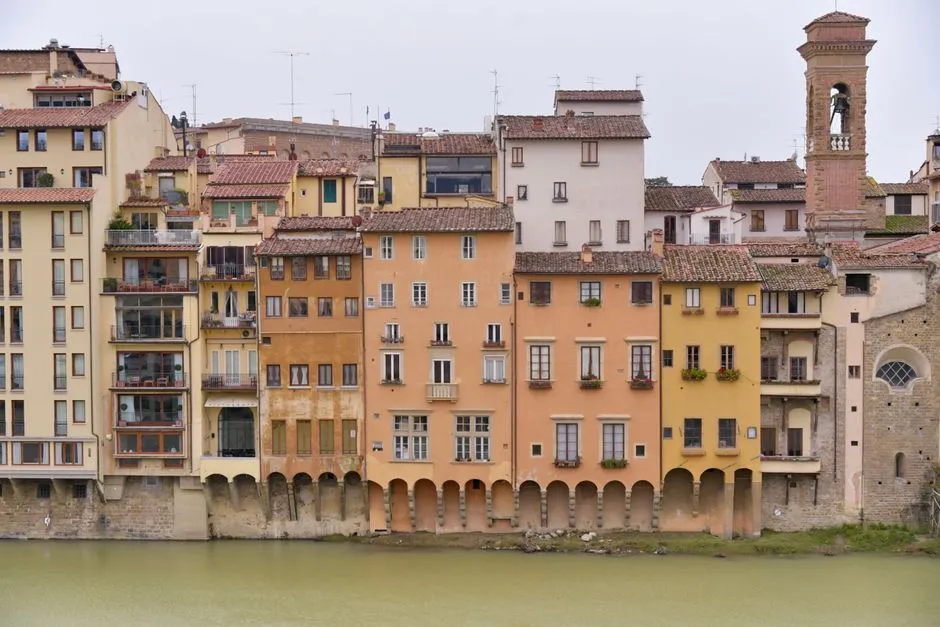
Florence today has a population of 361,000, down 148,000 since 2000, according to a report for Tuscany’s Regional Institute for Economic Planning. Fewer than 40,000 people now live in the historic centre itself, which is overrun with short-term rental apartments and food outlets.
In October 2023, local authorities approved a landmark resolution to ban further holiday rentals in the city’s historic centre, saying that growing numbers of short-term lets were behind a severe shortage of affordable housing for residents. About 2,000 residents move out of the city each year. The street-eating ordinance is one piece of a much broader and more urgent puzzle.
A Pattern of Escalating Restrictions
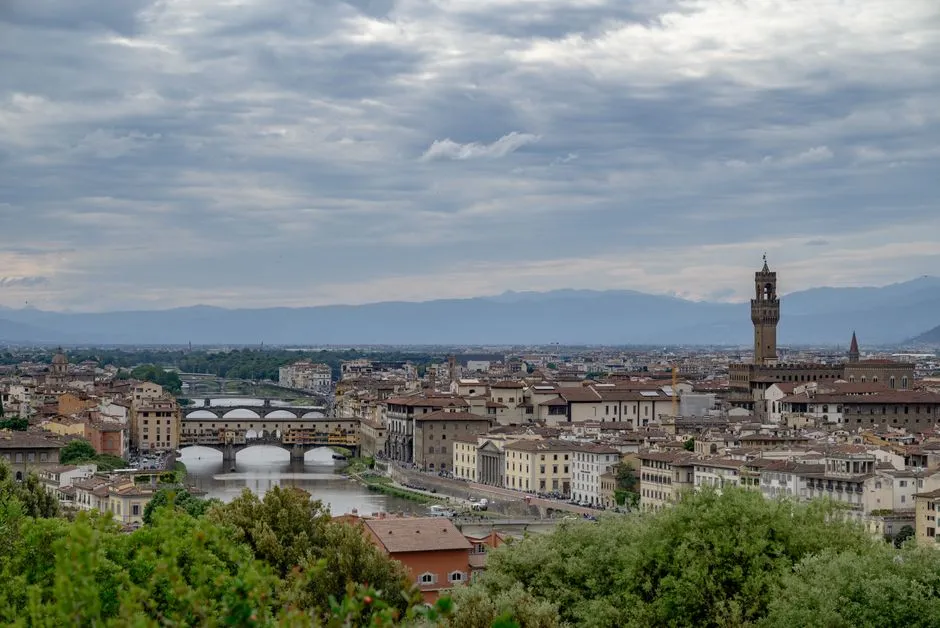
The law targeting street eating was put in place in September 2018 as part of an effort to stop overcrowding around the UNESCO-listed historic city centre, as tourists tended to cluster around food outlets and make access down streets more difficult. It was never a standalone measure but an early signal of more to come.
Florence has been making changes to combat overtourism for some time. In 2024, CNN reported that the city was set to ban key boxes for rental spots in the city centre and loudspeakers from tour guides, while golf carts for ferrying tourists around would be limited. Mayor Funaro’s cabinet approved a full ten-point plan that would not only ban keyboxes but also curb the use of loudspeakers by tour guides in the historic centre, among other measures.
The Outdoor Dining Ban: An Even Bigger Step in 2026
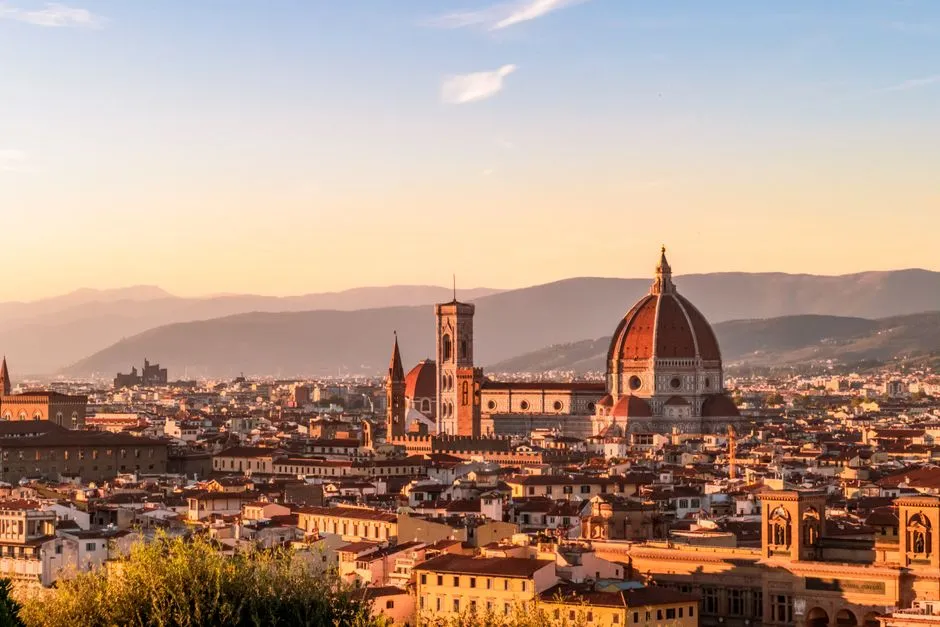
The Tuscan capital began implementing a drastic new measure in its historic centre, a UNESCO World Heritage Site, starting in early 2026. The city council decided that outdoor restaurant terraces will no longer be permitted on 50 streets.
Resident complaints about how packed Florence’s city centre had become, with outdoor tables crowding the streets, helped create the ban. In addition to the ban in the city core, which includes tourist favourites like the Piazzale degli Uffizi courtyard and the Ponte Vecchio, strict regulations on outdoor seating will apply to 73 additional streets. Industry experts are concerned that pushing dining indoors will hit authentic, locally owned restaurants hardest, pushing tourists towards cheap quick-service options and cutting already thin profit margins.
How Local Residents Actually Feel

Most Florence residents feel profoundly frustrated by the impossibility of leading a normal life in their city. In a consultation about outdoor seating, residents told city officials that their streets had become “an obstacle course,” forcing them to weave in and out of tables, menus, and barriers just to get anywhere.
The frustration is not directed at tourism itself. The initiative to restrict street eating was enacted partly to reduce litter and foster a better culture of tourists respecting residents, traders, and workers on affected streets. That distinction matters. The city is not hostile to visitors; it is asking for a basic level of civic awareness that most residents extend to one another every day.
Italy’s Broader Crackdown: Florence Is Not Alone
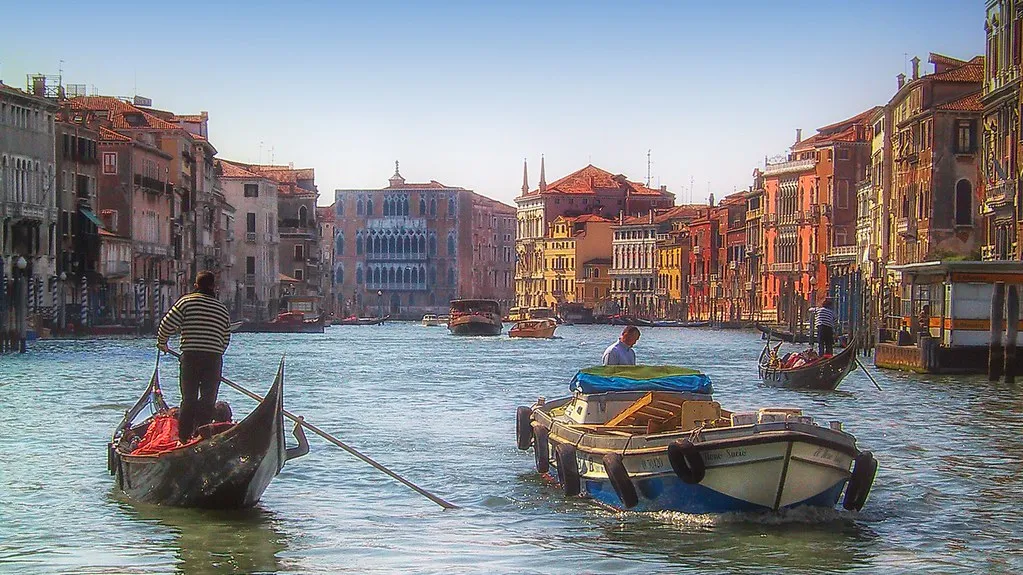
Florence is not the only Italian city to have introduced such measures. In 2017, Rome also banned tourists from eating near some of its most famous landmarks, including the Trevi Fountain and the Spanish Steps. Even activities like swimming in Venice’s canals or sitting on the Spanish Steps now carry fines or temporary area bans.
In 2024, Venice introduced a day-tripper entry fee. The payment programme aims to reduce crowds on peak days, encourage longer visits, and improve quality of life for residents. Italy as a whole is rethinking what it means to welcome visitors, and Florence is at the forefront of that conversation.
What Respectful Visitors Can Do Differently
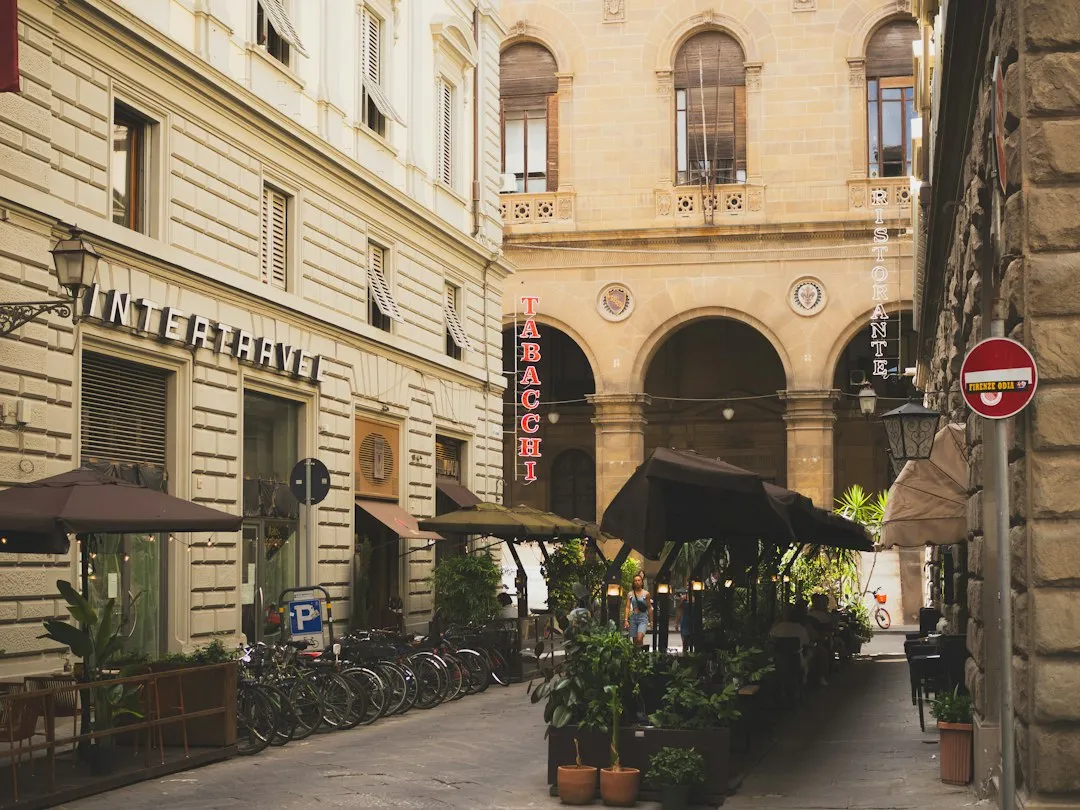
None of this means Florence has closed its doors. The city genuinely wants visitors and depends on them economically. Florence collected €76.9 million in tourist tax revenue during 2024, leading all Italian cities, with total annual tourist spending reaching approximately €5.2 billion and representing over 60 percent of the local economy.
While the street-eating rule means a sandwich on these particular streets during peak hours is off the table, the better alternative is to do what locals do and savor meals inside. Choose a trattoria, sit down properly, linger over a glass of Chianti, and let the meal be part of the experience rather than fuel consumed between monuments. That is, after all, the Florentine way.
A City Protecting Its Soul
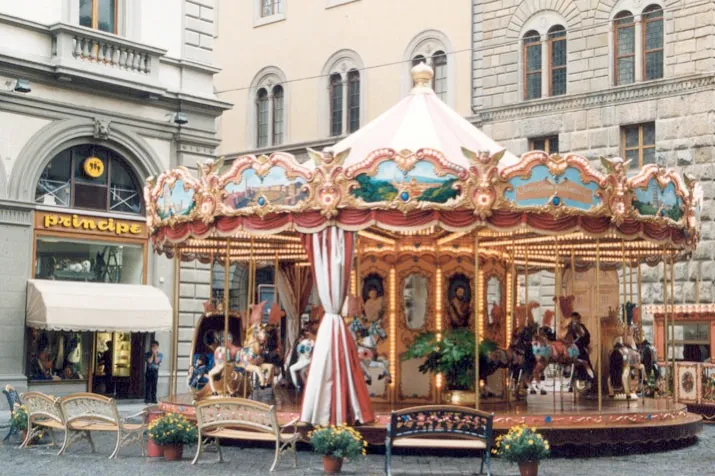
The fine for eating on certain Florence streets is easy to read as a tourist restriction. It’s more honest to see it as a love letter to a city under pressure. Florence is trying to remain a living, breathing place with real residents, genuine traditions, and a sense of dignity that predates any travel trend.
Every ordinance, from the street-eating ban to the upcoming outdoor dining restrictions, reflects the same underlying concern: that mass tourism, left unchecked, doesn’t just inconvenience locals. It gradually empties a city of its identity. The rules are there not to punish curious, well-meaning travelers but to preserve the very thing that makes Florence worth visiting in the first place. Traveling thoughtfully here isn’t an obligation. It’s a privilege worth honoring.
AI Disclaimer: This article was created with the assistance of AI tools and reviewed by a human editor.