
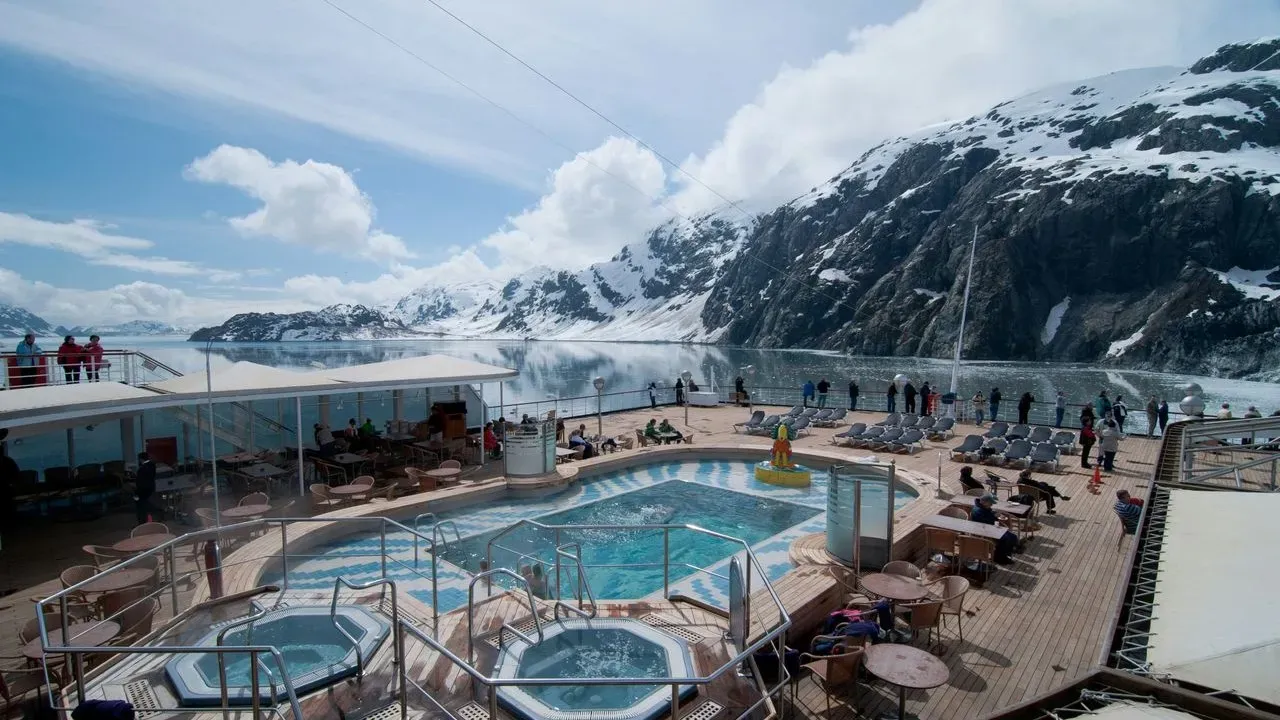

Alaska’s cruise ports invite travelers to step away from the ship and discover layered histories, living cultures, and striking natural settings at their own pace. Independent exploration reveals quiet trails, historic districts, and community spaces that reward curiosity without requiring advance reservations or large outlays. These experiences connect visitors directly with the places they visit, fostering a deeper appreciation for the region’s landscapes and the people who call them home. ([1])
Skagway’s Gold Rush Legacy on Foot
The Klondike Gold Rush National Historical Park anchors much of what draws people to Skagway. Four distinct museums within the park welcome visitors at no charge, each offering a different window into the town’s past. The Visitor Center Museum presents interactive exhibits, while the Moore House preserves Victorian-era rooms that belonged to one of the first families to settle here. The Jeff Smiths Parlour Museum and the Mascot Saloon Museum further illuminate the era through restored spaces once tied to the gold rush economy.
Trailheads lie within easy reach of the waterfront, allowing hikers to follow paths such as the Dewey Lakes system or routes leading toward Reid Falls and the Gold Rush Cemetery. The National Park Service provides clear guidance on distances and difficulty levels, so walkers can choose routes suited to their energy and interests. These self-guided outings place visitors amid the same terrain that shaped the town’s story, with changing light and seasonal foliage adding their own quiet drama.
Juneau’s Cultural Layers and Elevated Views
Juneau’s compact downtown rewards unhurried wandering. The Juneau Voices project places audio installations at eleven locations, where recordings share stories from Native Alaskan residents and offer context that printed signs alone cannot convey. A printed walking-tour map from the welcome center highlights additional stops, including sites tied to the city’s totem-pole heritage.
For those seeking a longer outing, the Mount Roberts Trail climbs from near the docks toward the upper tram station. The ascent is steep in places and can turn muddy after rain, yet it remains accessible without specialized gear. At the summit, the Chilkat Theater screens a short film about the region’s Tlingit people at no charge. When the Goldbelt Tram remains closed for maintenance, visitors can still observe Tlingit artists carving poles and weaving robes at the base, an ongoing demonstration of living tradition.
Ketchikan’s Boardwalks and Totem Heritage
Creek Street’s wooden boardwalk stretches above salmon-filled waters, its historic buildings now housing shops and eateries that invite casual browsing. Nearby, the Tongass Historical Museum and Totem Heritage Center charge modest admission for access to exhibits on local history and a collection of rescued nineteenth-century poles. A self-guided Salmon Walk connects these sites with interpretive signs that trace the fish’s central role in the community’s life.
Two miles south, Saxman Native Village offers another independent option. A city bus covers the short distance for a small fare, or the route can be walked. Inside the park, twenty-five replica totem poles stand among working carvers who continue traditional techniques. The setting encourages quiet observation of both artistry and the surrounding forest.
Sitka’s Russian and Tlingit Crossroads
Sitka blends Russian colonial architecture with longstanding Tlingit presence. The Russian Bishop’s House offers free guided tours that highlight nineteenth-century life during the period of Russian America. Castle Hill, now a state historic site, provides sweeping views and interpretive panels that mark the site of the Alaska transfer from Russia to the United States. St. Michael Cathedral, an active Russian Orthodox church, opens its collection of period religious artifacts for limited daily viewing.
The Sitka National Historical Park visitor center and its surrounding trails remain open without charge. Totem poles stand along easy paths that wind through coastal forest, while ranger programs inside expand on the area’s dual heritage. A short distance away, the Alaska Raptor Center accepts a modest entry fee to observe rehabilitation efforts for eagles, hawks, and owls amid wooded grounds that feel far removed from the cruise dock.
Carrying the Experience Forward
These port visits demonstrate how Alaska’s distinctive character emerges through unhurried, self-directed encounters. Whether tracing gold-rush trails, listening to community voices along a city street, or standing before carved poles under open sky, travelers return to their ships with memories shaped by direct engagement rather than scripted itineraries. Such moments underscore the value of moving at a human pace through places rich in both natural grandeur and living tradition.
AI Disclaimer: This article was created with the assistance of AI tools and reviewed by a human editor.