
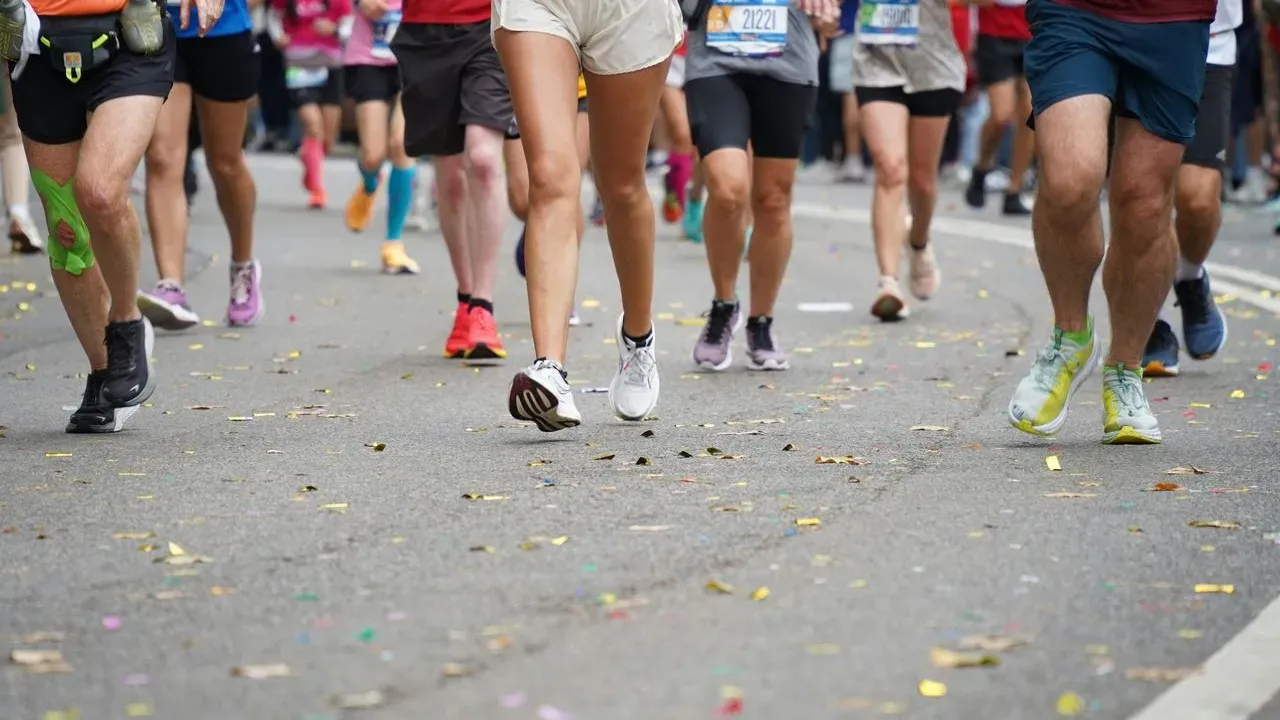
New York City – The 2026 TCS New York City Marathon brought together tens of thousands of runners from around the world for a journey that wound through every borough of the city. Kenya’s Sheila Chepkirui and Sweden’s Andreas Almgren claimed the top honors, adding their names to a long tradition of international excellence on this demanding urban course. The event offered participants and spectators alike a moving portrait of New York’s neighborhoods and the people who call them home. ([1])
A City Transformed by Shared Effort
The marathon route turns familiar streets into a single, continuous path that links communities often experienced separately. Runners pass through quiet residential blocks, bustling commercial corridors, and waterfront stretches where the skyline meets the water. For many participants, the day becomes less about individual pace and more about the steady rhythm of feet on pavement shared with strangers who quickly feel like companions. Local residents line the sidewalks with encouragement that ranges from quiet nods to full-throated cheers. The support reflects the city’s long-standing role as a gathering place for people from every corner of the globe. In this setting, the marathon functions as both athletic contest and collective celebration of movement through public space.
Champions Who Embody Global Reach
Sheila Chepkirui’s victory highlights the continued strength of Kenyan distance running on the world stage. Her performance in New York adds to a legacy of athletes who train with remarkable discipline and bring that focus to some of the most visible races on the calendar. Andreas Almgren’s win from Sweden demonstrates how European runners continue to compete at the highest level in major American marathons. Both athletes represent nations with deep running cultures that value endurance, community training, and respect for the demands of the distance. Their success on this particular course underscores the marathon’s ability to draw talent from distant places and reward those who adapt to its unique challenges.
Neighborhoods as the True Course
The five-borough layout invites runners to witness the distinct character of each area in sequence. From the starting area in Staten Island, the route crosses into Brooklyn’s brownstone-lined streets, moves through the energy of Queens, climbs the bridges that connect Manhattan, and finishes with the tree-lined expanse of Central Park. Each segment offers its own texture of architecture, street life, and local flavor. For travelers who choose to experience New York this way, the marathon provides an intimate introduction to the city’s scale and diversity. Spectators often follow along by subway or on foot, creating their own parallel journeys through the same neighborhoods. The result is a shared day that lingers in memory long after the finish line.
Lasting Connections Beyond the Finish
Events like the TCS New York City Marathon remind participants and observers alike that purposeful travel often centers on shared human endeavor rather than isolated sightseeing. The presence of runners from dozens of countries creates spontaneous moments of cultural exchange along the route and in the days surrounding the race. As the city returns to its usual rhythms, the stories carried home by those who ran and those who watched continue to expand the reach of New York’s welcoming spirit. The 2026 edition stands as one more chapter in an ongoing story of movement, resilience, and connection across distances both geographic and personal.
AI Disclaimer: This article was created with the assistance of AI tools and reviewed by a human editor.