

You Had to Be a Registered Nurse – at Least at First

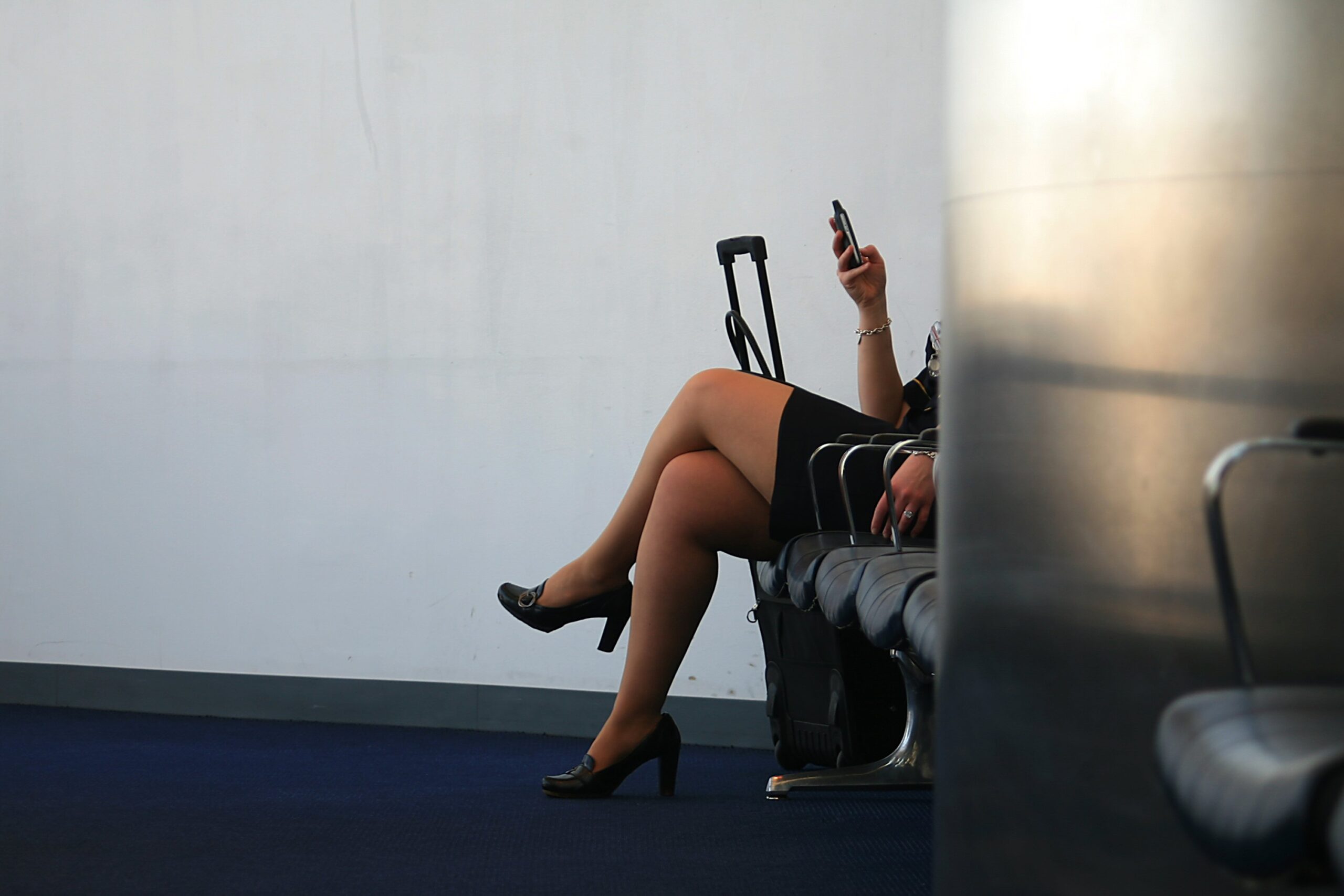
The first female flight attendants were introduced in 1930 by Ellen Church, a registered nurse with a pilot’s license who was not allowed to fly. She persuaded Boeing Air Transport to allow her onboard to calm anxious passengers and slowly introduced the concept of the flight attendant.
In the early days of flying, flight attendants were registered nurses ready to assist in case of on-board illness or plane crashes, both much more common back then, and were also subject to strict parameters for their physical appearances. The nursing requirement was practical given how dangerous early aviation genuinely was. The airlines didn’t advertise the nursing qualification widely because they didn’t want to scare away passengers in those early days of aviation.
When nurses left the airlines to join the military in World War II, the requirement to have a nursing background was relaxed across the airlines that had followed Boeing’s lead and taken on women. The nursing credential faded, but what replaced it was no less demanding in its own way.
Height and Weight Were Monitored Constantly
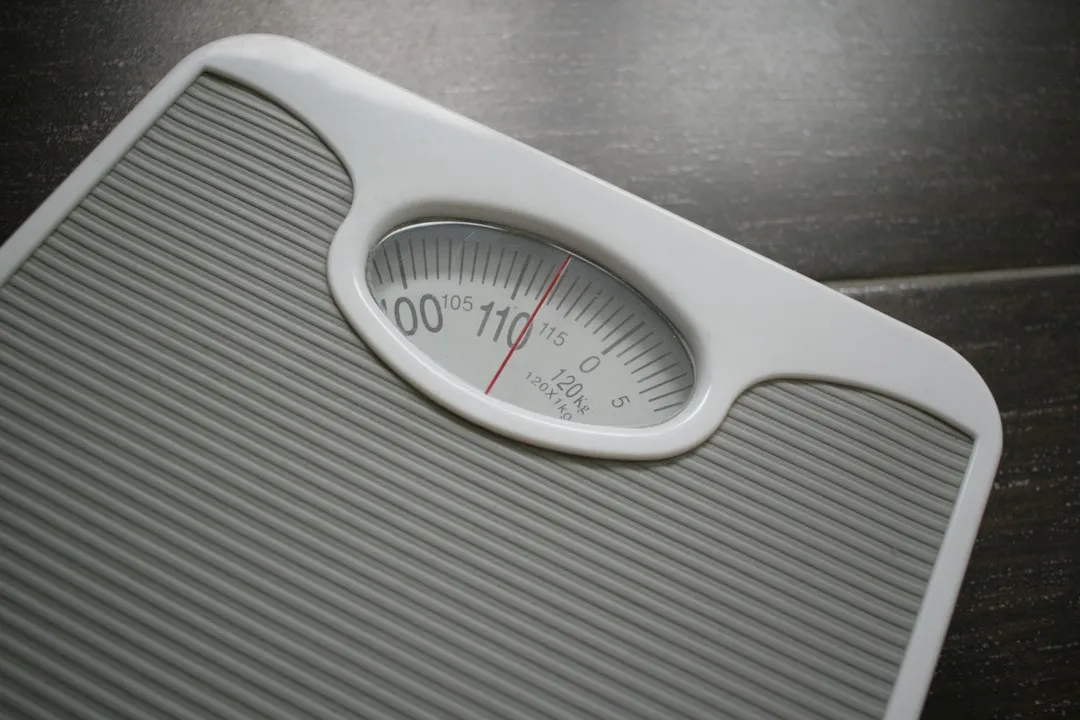
Strict rules restricted height and weight, and stewardesses were often weighed before flights. This wasn’t a one-time assessment at hiring. It was an ongoing obligation that followed a woman through her entire career.
The weight limit was strictly enforced, and a large medical scale stood in the center of the Hostess Lounge where a pre-flight check-in was required. Stewardesses would have their pay docked if they surpassed the limit by just one pound. One pound. The margin left essentially no room for a bad week, let alone a normal human life.
Starting in the 1930s, a girl would have to be between 100 and 118 pounds and between 5 feet and 5 feet 4 inches tall. A 5-foot-2-inch stewardess could weigh no more than 118 pounds under some airline standards, leaving almost no margin at all. Weight restrictions were not formally relaxed until 1991.
Marriage Was a Fireable Offense
Many airlines required women to retire from flying once they married or reached their early thirties. Getting married wasn’t a private personal decision. It was grounds for immediate termination, full stop.
Braniff Airlines fired flight attendant Betty Green Bateman on November 12, 1964, because of her marriage, although in fact, she was an excellent flight attendant. Her performance didn’t matter. The rule was the rule. Marriage, unless kept very secret, meant retirement. Some women tried to hide their marriages, which gives a sense of how deeply the policy invaded their personal lives.
The ban on marriages was lifted in 1967, decades after the rule had first been imposed. The no-marriage policy resulted in a high turnover rate for flight attendants, which airlines accepted as perfectly normal.
Age Was a Hard Ceiling, Not a Guideline
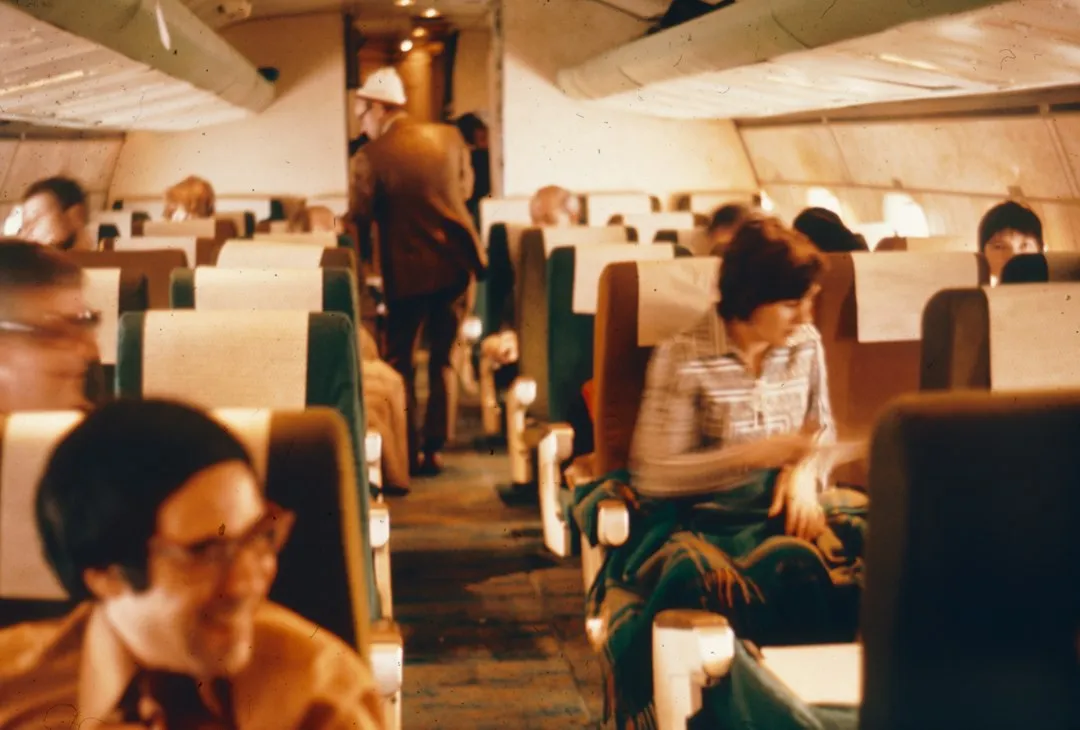
Originally, female flight attendants were fired if they reached age 32 or 35 depending on the airline, were fired if they exceeded weight regulations, and were required to be single upon hiring and fired if they got married. The age cutoff was treated as an organizational necessity rather than a form of discrimination.
In the 1960s, Pan American World Airways’ flight attendants had to be at least 5 feet 2 inches, weigh a maximum of 130 pounds, be single, and retire at age 32. A woman of 33 was considered past her professional usefulness, regardless of skill or experience. The top age limit for a flight attendant was 34 at some carriers, so women needed to round up a husband or a plan B if they were approaching their expiration date.
In 1968, the EEOC declared age restrictions on flight attendants’ employment to be illegal sex discrimination under Title VII of the Civil Rights Act of 1964. It took legal intervention to end a practice most airlines had never questioned.
Grooming Rules Governed Nearly Every Physical Feature
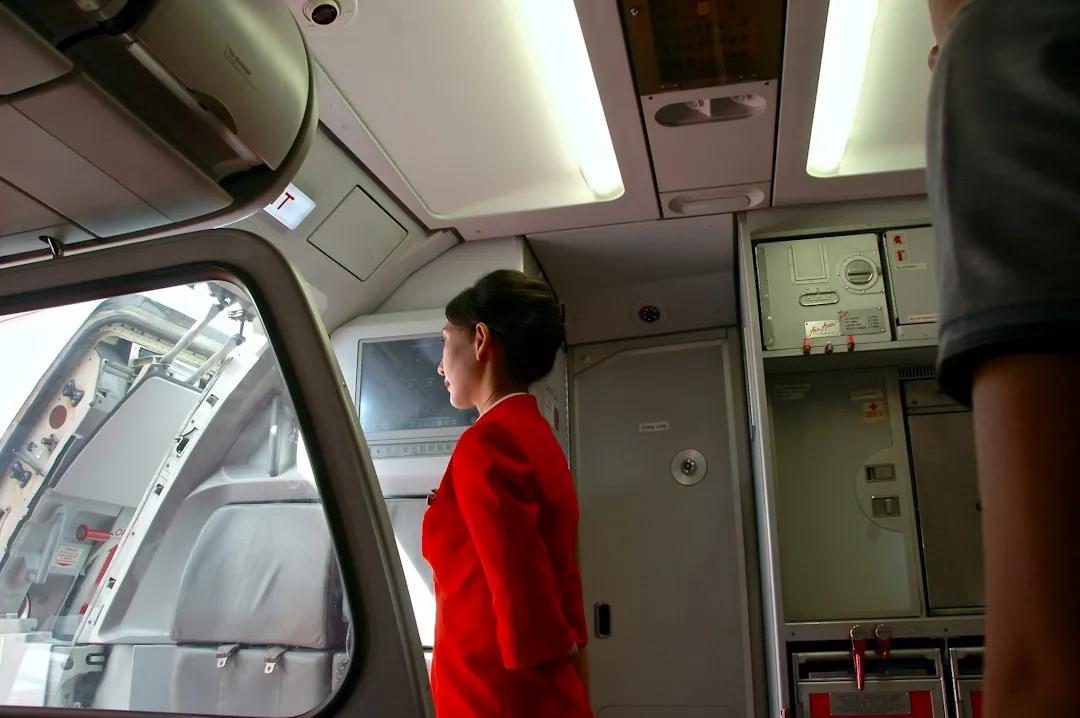
A document titled “Qualifications for Stewardess” showed a list of 19 requirements that ranged from specific physical attributes such as “slender legs,” “a good figure,” and “nice hands,” to restrictions on personal life, including a rule that applicants had to be “single, not engaged.” This wasn’t unusual. It was standard practice across carriers.
Other stipulations included a height range of 5 feet 2 inches to 5 feet 5 inches, a weight range of 100 to 120 pounds, “good eyesight (no glasses)” and “natural color to hair.” To qualify to fly, you had to be “attractive” with an “unblemished complexion,” and your hair had to be “immaculately groomed,” couldn’t be colored, and was allowed to be no more than shoulder length.
One review stated that a flight attendant needed to shorten her uniform skirt to improve her appearance, and another ordered a flight attendant to change her hair color. Supervisors had genuine authority over these details, and employees had little recourse.
Girdles Were Part of the Uniform
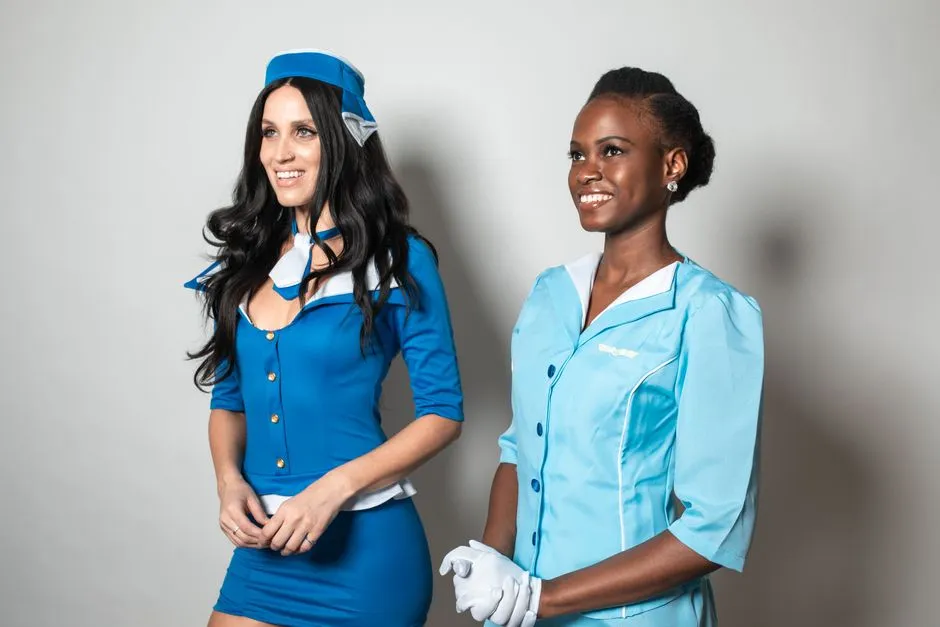
Girdles were a mandatory part of the uniform, and the pre-flight supervisor would thump a crew member’s backside with her finger to ensure they were girded properly. This was not an isolated practice. It was routine at multiple airlines during the 1950s and into the 1960s.
Fifty to sixty years ago, the requirements for flight attendants included controlling their weight, having a particular body shape, and following a specific dress code with short, tight dresses in the 1960s and 1970s, and a flight attendant who worked during that time confirmed they were forced to wear a special girdle to create the necessary body shape.
In the 1960s and 1970s, the workforce was still mostly female, uniforms became brighter, shorter, and more revealing, and were often heavily sexualized. The shift from nursing-inspired modesty to overtly provocative dress reflected the way airlines marketed the role to male travelers.
Racial Discrimination Was Built Into the Hiring Process
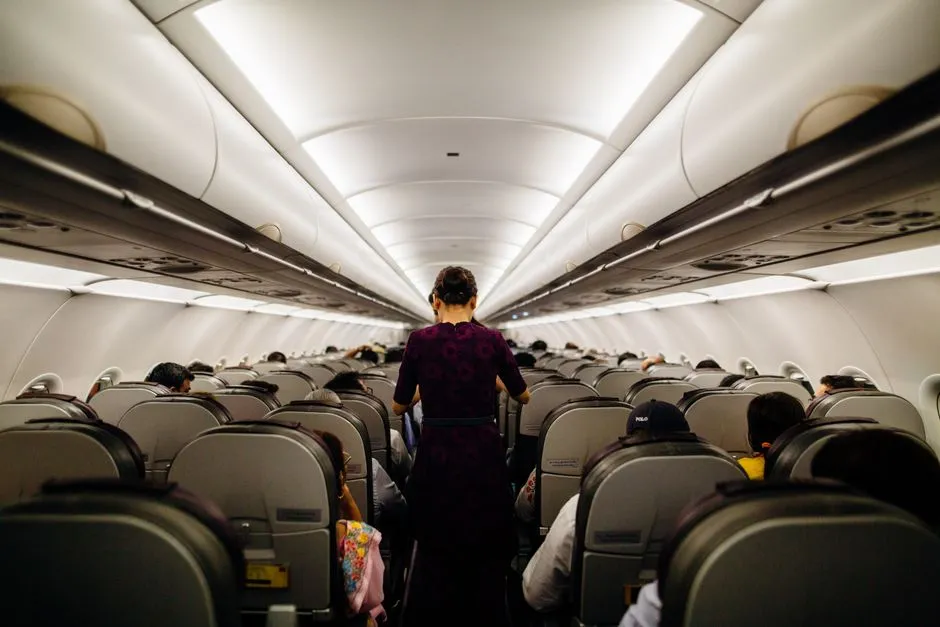
From the start, stewardess work was restricted to white, young, single, slender, and attractive women. This exclusion wasn’t incidental. It was deliberate and enforced through specific grooming and appearance standards.
There were also strict rules about makeup and hairstyles, as well as rules against having a “broad nose,” a requirement that, according to Gloria Steinem, was “only one of many racist reasons why stewardesses were overwhelmingly white.” Of an estimated 14,000 female flight attendants flying in 1965, approximately 50 were African-American, translating to roughly 0.004 percent.
Patricia Banks, the first Black flight attendant on a commercial aircraft in 1960, challenged Capital Airlines’ discriminatory hiring practices. She filed a case with the New York State Commission Against Discrimination, which led to a ruling against the airline, requiring them to hire her and overturn their racist policy.
Women Were Barred from the Role Entirely – Men Need Not Apply
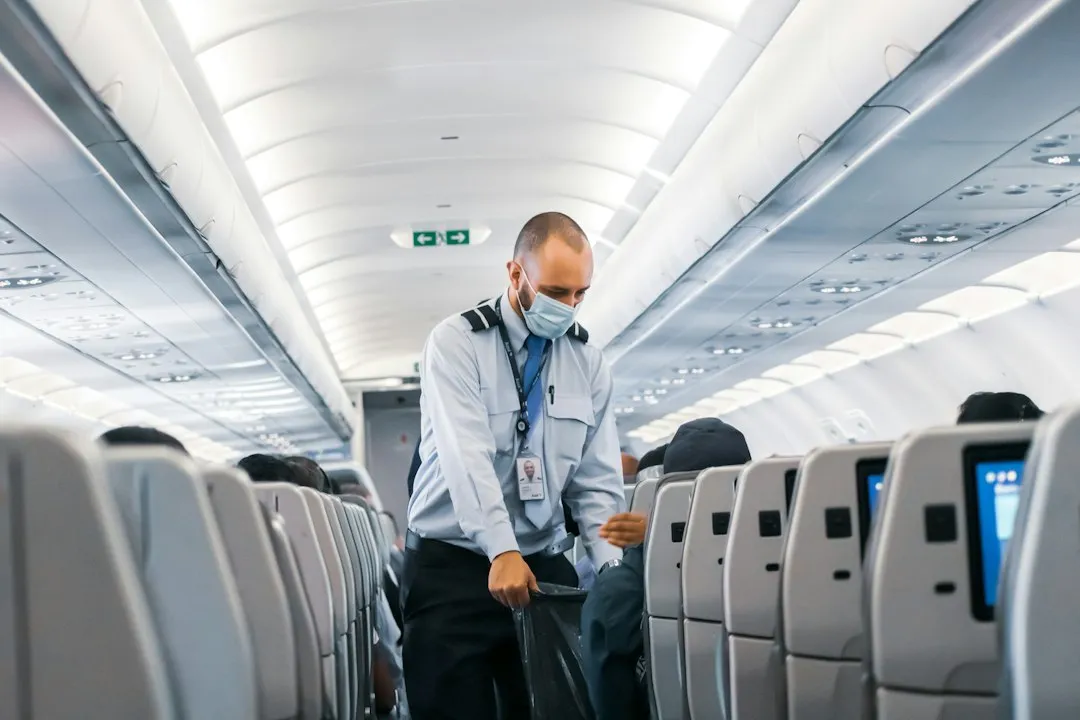
The position was restricted to women, and it was considered “good psychology” to have women in the air, as their presence was sure to keep men at least outwardly calm in case of emergency. This reasoning justified the exclusion of men from the profession for decades.
The Civil Rights Act of 1964 insisted that men could do the job too, but this legal opening took years to translate into meaningful change on the ground. The first male flight attendants began appearing on several airlines during the 1970s as restrictions gradually disappeared.
In the 1970s, males started to enter the workforce, and the term “flight attendant” came into play as a deliberate shift away from the gendered “stewardess.” That change in language reflected a genuine, if slow, transformation of the profession.
Pregnancy Meant Immediate Termination
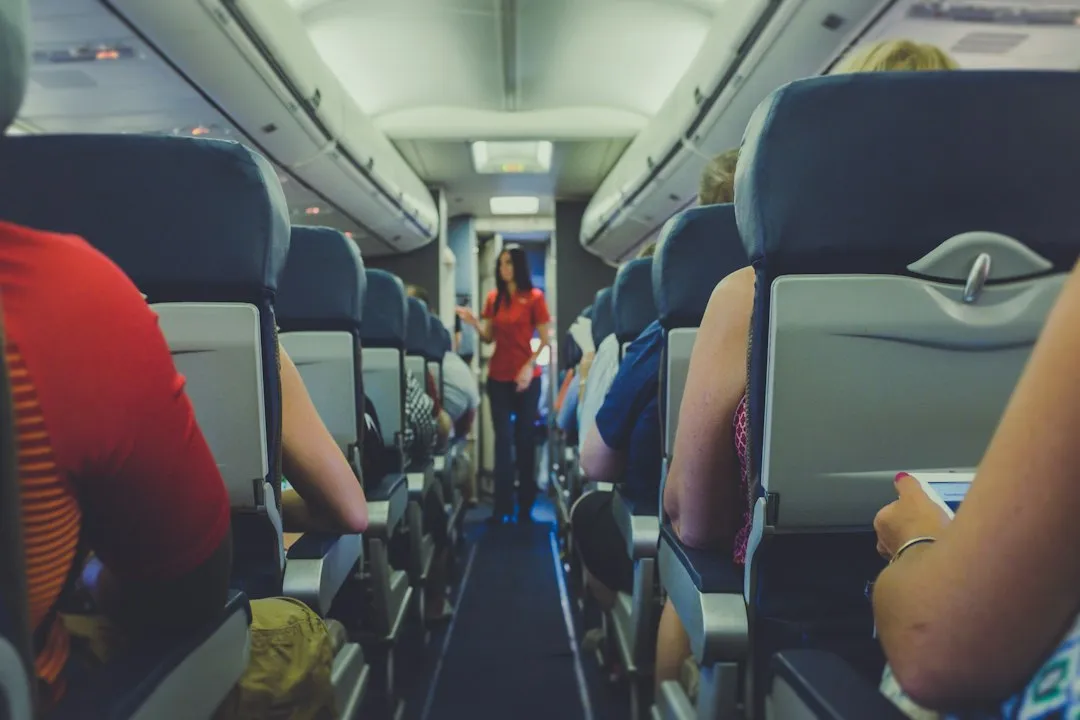
If a stewardess were to be married, pregnant, or over 30, she was no longer considered suitable for the position. Pregnancy was treated not as a life event but as a disqualifying condition, something to be managed by removal.
Women who decided to marry or become pregnant were once required to quit their jobs. There was no maternity leave, no temporary accommodation, and no appeal. Pregnant flight attendants were no longer fired after 1970, but were required to take an unpaid leave of absence, which was itself a compromise that took years of pressure to achieve.
Flight Attendants Were Among the First to Fight Back Under Civil Rights Law
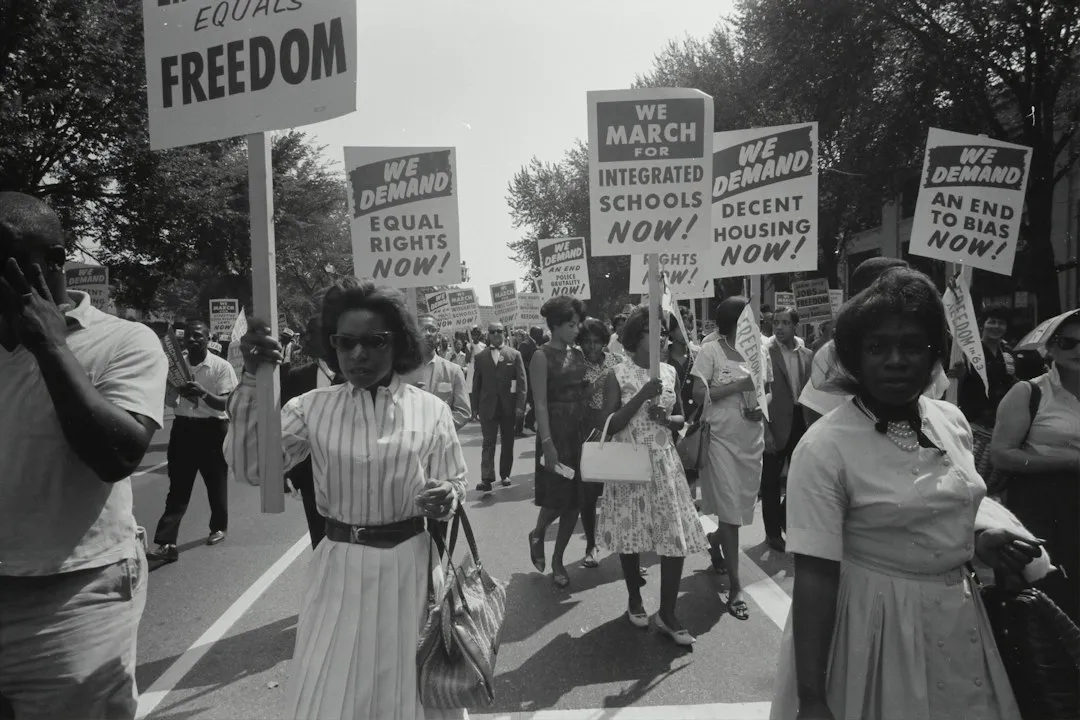
Flight attendants were one of the first groups to file a case under Title VII of the Civil Rights Act of 1964, which made biased hiring practices illegal. As social attitudes evolved, they challenged biased rules through the courts. Their legal battles helped shape how sex discrimination law was interpreted across entire industries, not just aviation.
Flight attendants were among the earliest group of women workers to utilize this legislation, and as a result they contributed to the interpretation and development of sex discrimination law in the United States. Inspired by the Women’s Liberation Movement and armed with Title VII, stewardesses launched a rebellion. They formed independent women-led unions, such as Stewardesses for Women’s Rights, and filed numerous employment discrimination cases.
The Equal Employment Opportunity Commission’s first complainants were female flight attendants complaining of age discrimination, weight requirements, and bans on marriage. Their persistence reshaped what employers across America were legally permitted to demand of their workers.
A Profession Transformed – and What It Tells Us

Looking back at these rules today, it’s easy to see them only as relics of a crueler era. The weight scales in the lounge, the finger-thump to check for a girdle, the firing of an excellent employee simply because she got married – these feel remote. They weren’t, though. Many of the women who lived under these rules are still alive, and the legal frameworks they helped build are ones we still depend on.
These policies reflected the social norms of the era but would later become the subject of major legal challenges and workplace reforms. The reforms didn’t happen automatically. They happened because specific women, at specific moments, decided the rules weren’t acceptable and took action.
The history of the early flight attendant is, at its core, a labor history and a civil rights history wrapped into one altitude-defying story. The cabin crew of today works in a profession that was fundamentally redesigned by the women who were most wronged by it. That’s worth knowing the next time you settle into your seat and the safety demonstration begins.
AI Disclaimer: This article was created with the assistance of AI tools and reviewed by a human editor.