

Most people picture a desert as a rolling sea of golden dunes baking under a merciless sun. That image is vivid, but it only captures one kind of desert. The real definition is far simpler, and far more surprising: a desert is any region that receives less than 250 millimeters of precipitation per year. Heat is optional. Sand is optional.
That single, quiet clarification changes everything. It means the world’s largest desert isn’t in Africa or Arabia at all. It’s at the bottom of the planet, blanketed in ice, and most people have never thought of it as a desert in their lives.
What Actually Makes a Desert a Desert
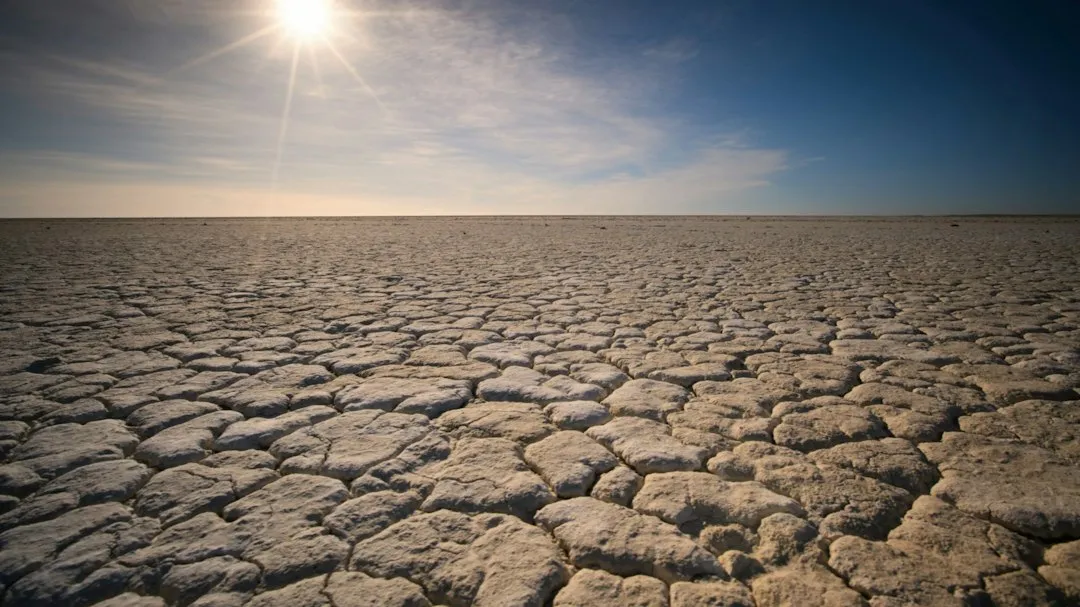
A desert is not defined by sand, and it is not defined by heat. It is defined by the absence of water – specifically, any region receiving less than roughly 10 inches (250 millimeters) of precipitation a year meets the standard. That threshold is straightforward, and it’s the same rule applied by climatologists the world over.
Deserts are defined not by temperature or terrain but by their lack of precipitation. This is why a frozen plateau covered in centuries-old ice can qualify just as legitimately as the Sahara. The common denominator is an almost chronic absence of falling water, not the presence of sand or scorching temperatures.
Antarctica: The Surprising Record Holder
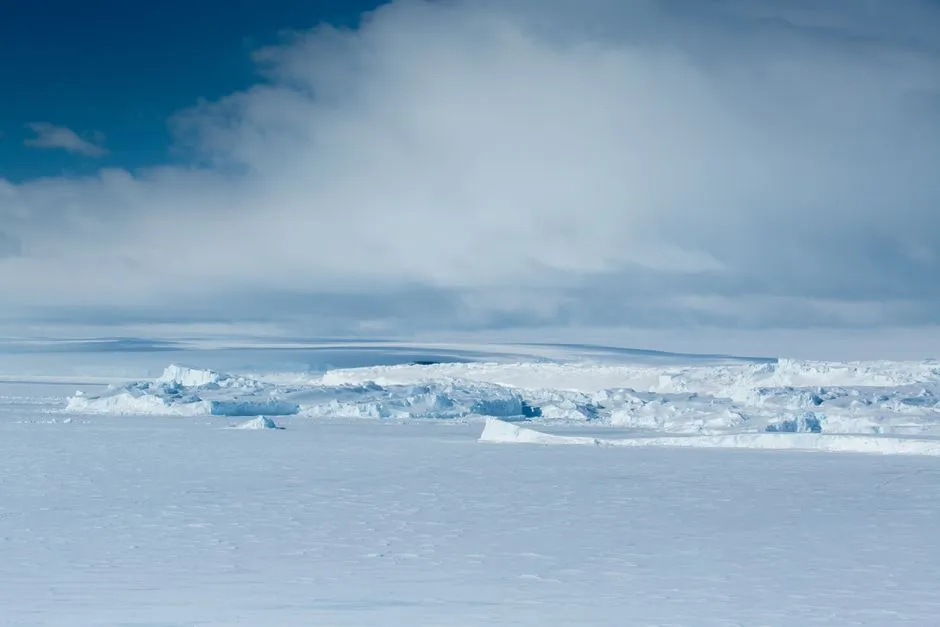
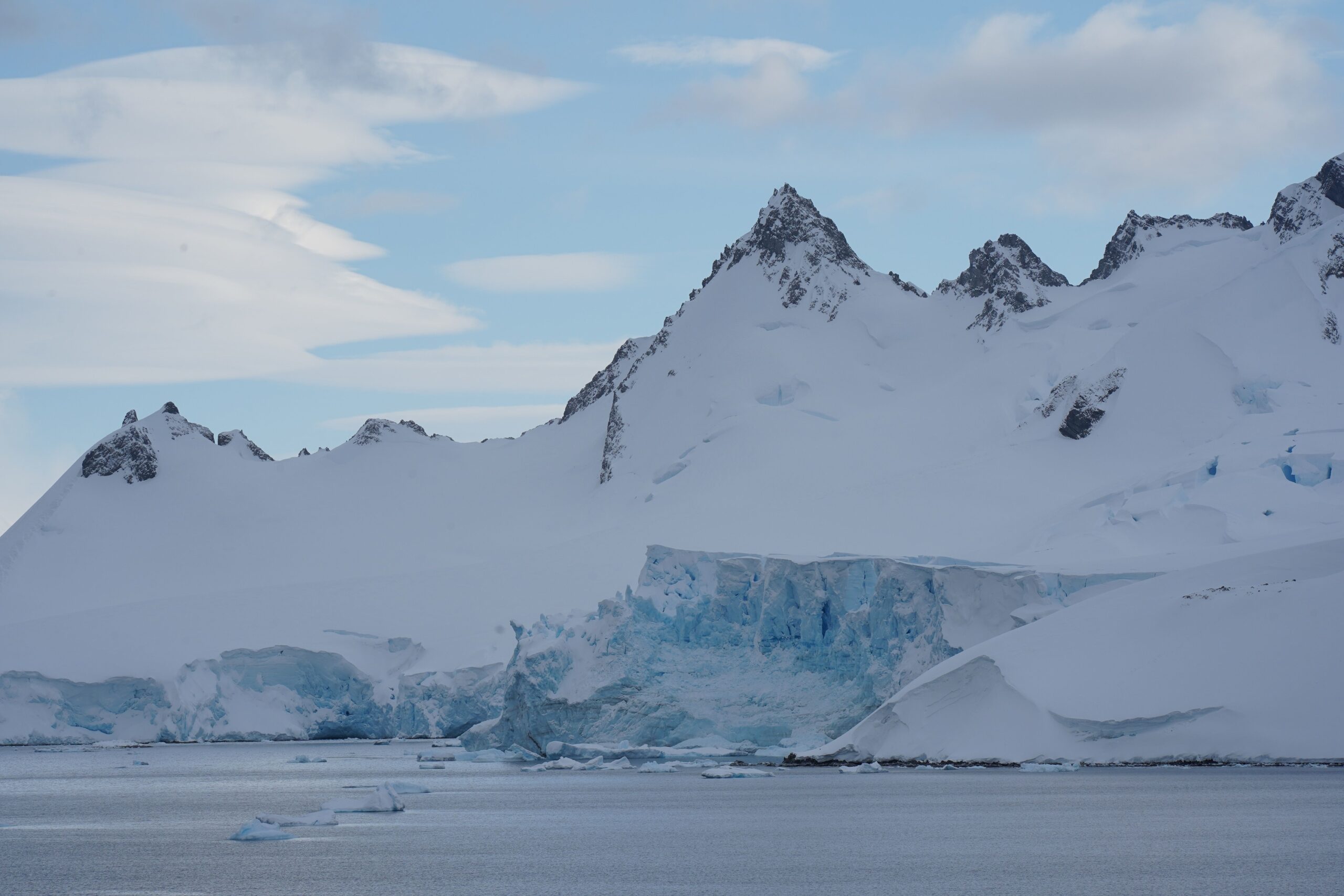
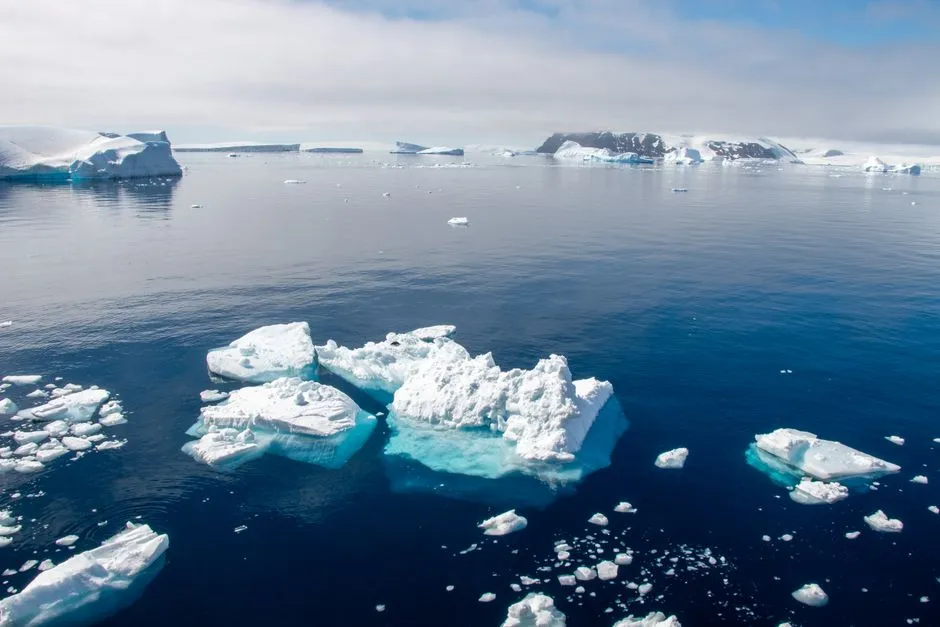
Antarctica is the largest desert on Earth, covering roughly 5.5 million square miles (14.2 million square kilometers). To put that in perspective, the Antarctic Ice Sheet is roughly 1.5 times the size of the United States, and it receives less precipitation than the Sahara, making it the driest continent on Earth.
Antarctica is the largest desert in the world, nearly twice the size of the Sahara Desert. That size gap is significant. The Sahara, which most people assume holds the top spot, doesn’t even come close. The Sahara ranks third overall, but remains the world’s largest hot desert at 3.5 million square miles.
How Little Precipitation Antarctica Actually Receives
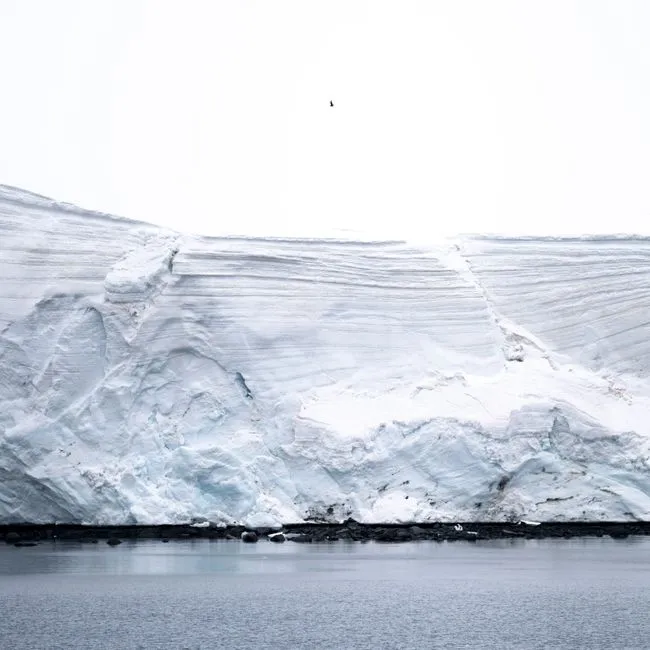
Antarctica averages 166 mm (6.5 in) of precipitation per year, and snow rarely melts on most parts of the continent. That average, already low by any standard, hides an even starker interior reality. Interior regions get only around 5 cm (1.9 inches) of annual precipitation, while coastal areas feature a maritime climate with around 20 cm (7.8 inches).
The average yearly rainfall at the South Pole over the past 30 years was a tiny 10 mm (0.4 in). For context, that’s less moisture than falls on parts of the Atacama Desert in Chile, long considered one of the driest spots on the planet. Almost all Antarctic precipitation falls as snow, with rainfall rare and mainly occurring during summer in coastal areas.
Why Cold Air Means Dry Air
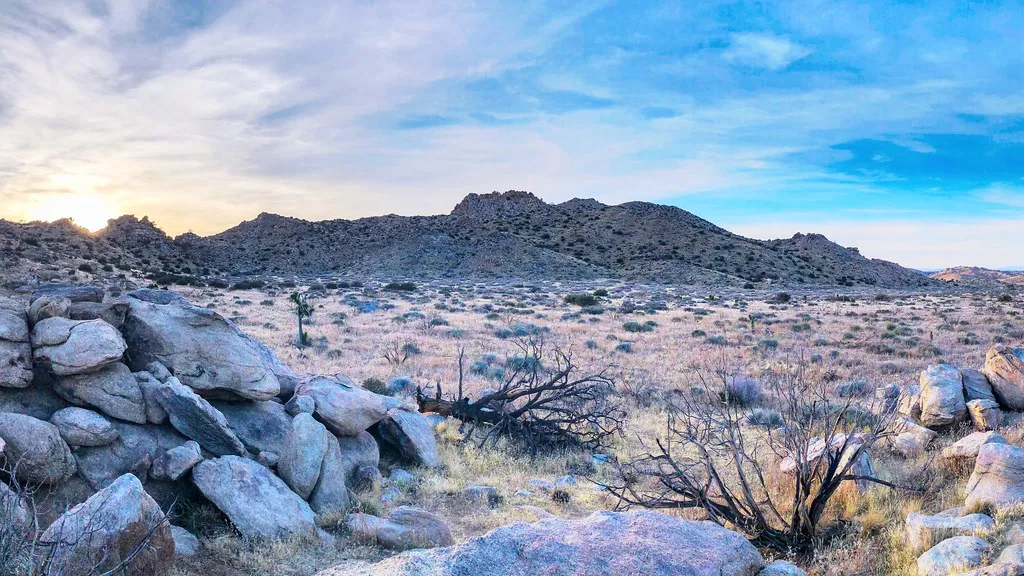
Antarctica qualifies as a desert because its extreme cold prevents water from evaporating into the atmosphere, limiting precipitation. The physics behind this are consistent and unforgiving. Frigid air holds almost no water vapor, so there is simply nothing available to precipitate.
This is a crucial point that often gets overlooked. The ice you see covering Antarctica isn’t really evidence of abundant precipitation. It has accumulated over an extraordinarily long time. Due to Antarctica’s desert conditions, it has taken an impressive 45 million years to grow to its current thickness. Slow accumulation, almost no melt, and nearly no fresh snowfall in the interior: that’s how you build a continent of ice in one of the driest places on Earth.
The McMurdo Dry Valleys: Where the Desert Is Unmistakable
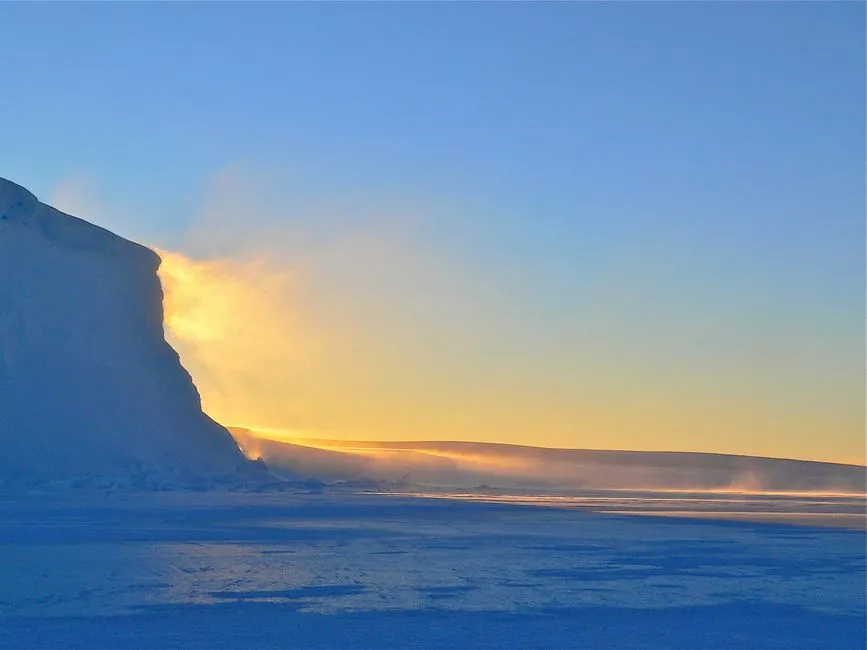
The McMurdo Dry Valleys are a series of largely snow-free desert valleys on the continental coastline of Victoria Land, Antarctica. The Dry Valleys are the coldest and driest desert in the world, and the largest ice-free region in Antarctica.
These dry lands exist because the mountains surrounding them block precipitation and keep snow and ice from covering the ground. Any precipitation that does fall as snow on the valley floor is blown away by strong, dry katabatic winds through the process of sublimation. The result is a bare, windswept landscape of exposed rock and soil that looks nothing like the Antarctica of postcards.
In some places, rain hasn’t fallen there in millions of years, and conditions resemble the surface of Mars more than any place on our planet. At approximately 4,500 square kilometres, the valleys constitute around 0.03% of the continent and form its largest ice-free region.
Life at the Edge of What’s Possible
There are no plants, birds, or mammals in the McMurdo valleys, but there are many microorganisms living here. Early explorers believed the valleys were completely sterile. They were wrong. A large variety of aquatic ecosystems thrive in the harsh climate of the McMurdo Dry Valleys due to glacier melt-streams that flow into the ice-covered lakes.
Researchers have discovered that the Dry Valleys are home to a variety of extremophiles. Among them are lichen and mosses, communities of microbes including cyanobacteria, and nematodes. These organisms push right up against the boundary of what life can withstand, and scientists study them partly for what they might reveal about the possibility of life on other planets.
Antarctica Holds Most of Earth’s Freshwater, Locked in Ice
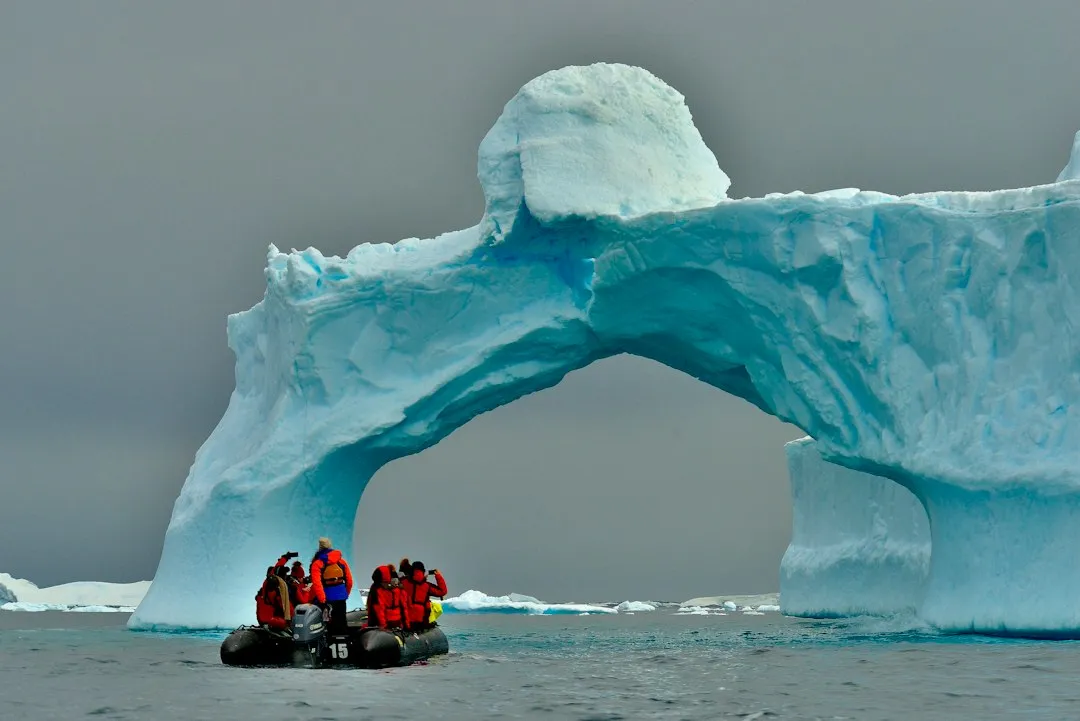
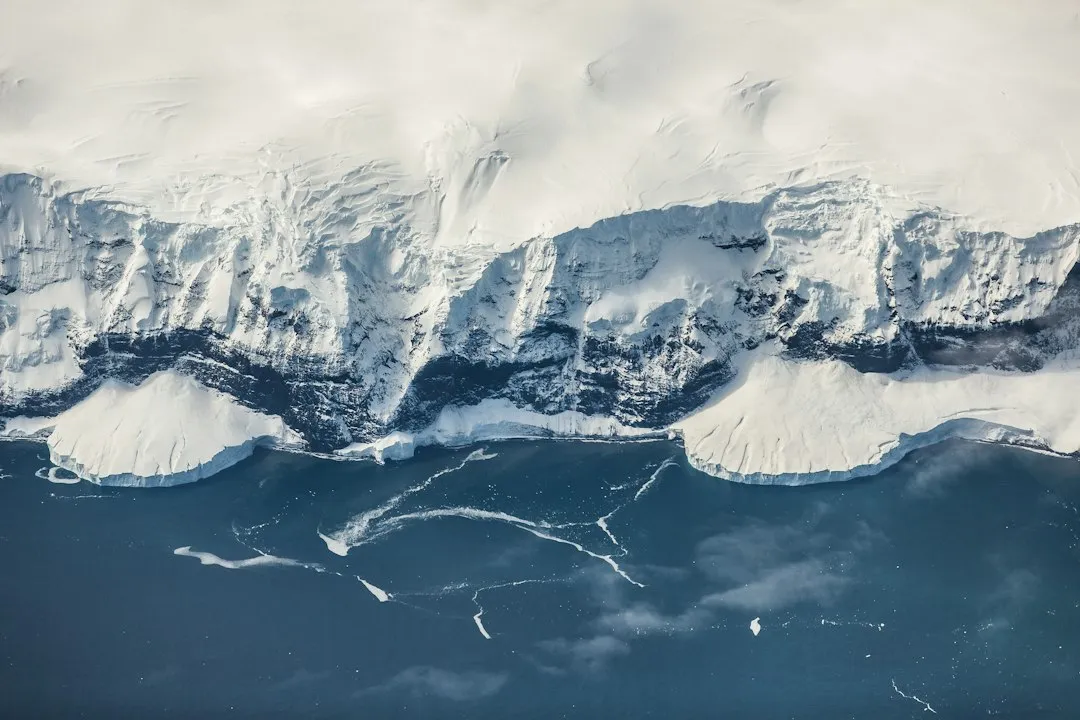
Antarctica is the largest desert on the planet, even though it holds 90 percent of the world’s surface freshwater locked in its permanent ice sheet. This is one of the great paradoxes of natural geography: the driest continent is simultaneously the planet’s largest reservoir of fresh water.
That water isn’t arriving in meaningful annual quantities. It’s ancient accumulation, preserved by cold in a continent where it almost never rains. Antarctica is, on average, the coldest, driest, and windiest of the continents, with annual precipitation of over 200 mm along the coast and far less inland. The coast and the interior might as well be different worlds.
The Sahara Is Often Misidentified as the Largest Desert
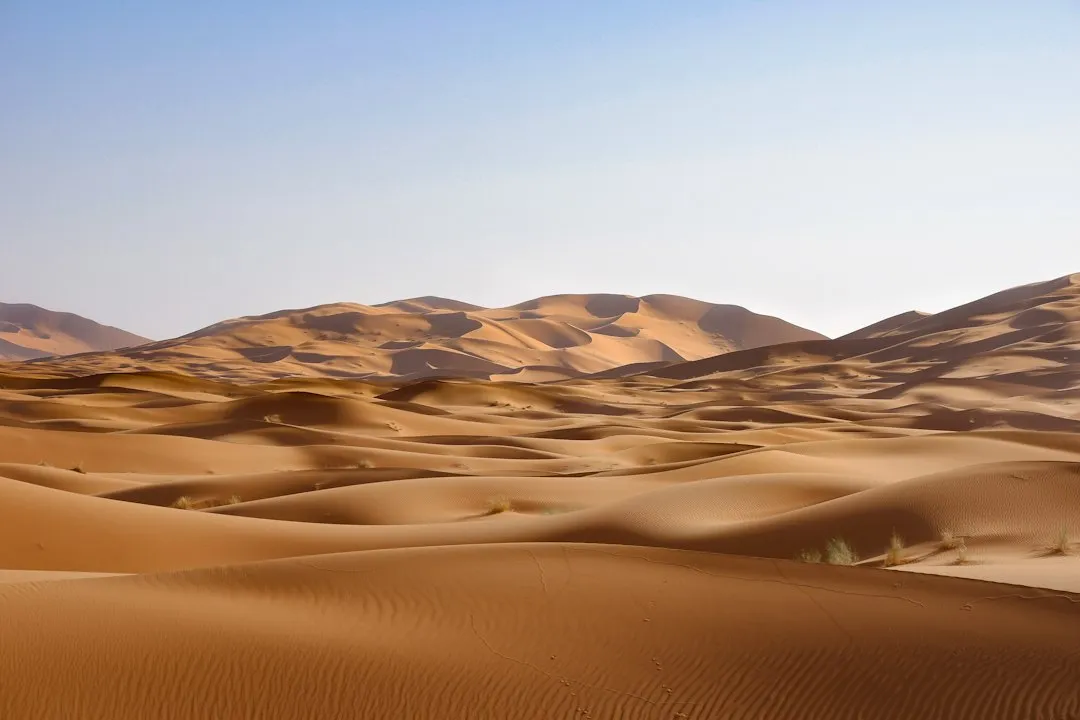
The confusion is understandable. The Sahara is enormous, unmistakably arid, and visually dominated by the sand dunes that most people associate with the word “desert.” It gets far more attention in popular culture than a frozen polar wilderness ever could.
The Antarctic Desert is the largest desert on Earth by a wide margin. It covers almost the entire Antarctic continent and sits beneath the planet’s largest ice sheet. That alone confuses many readers, because ice and desert seem like opposites. The Sahara, for all its scale, is simply not in the same category when area is measured accurately.
The Arctic Desert: Earth’s Second Largest Desert
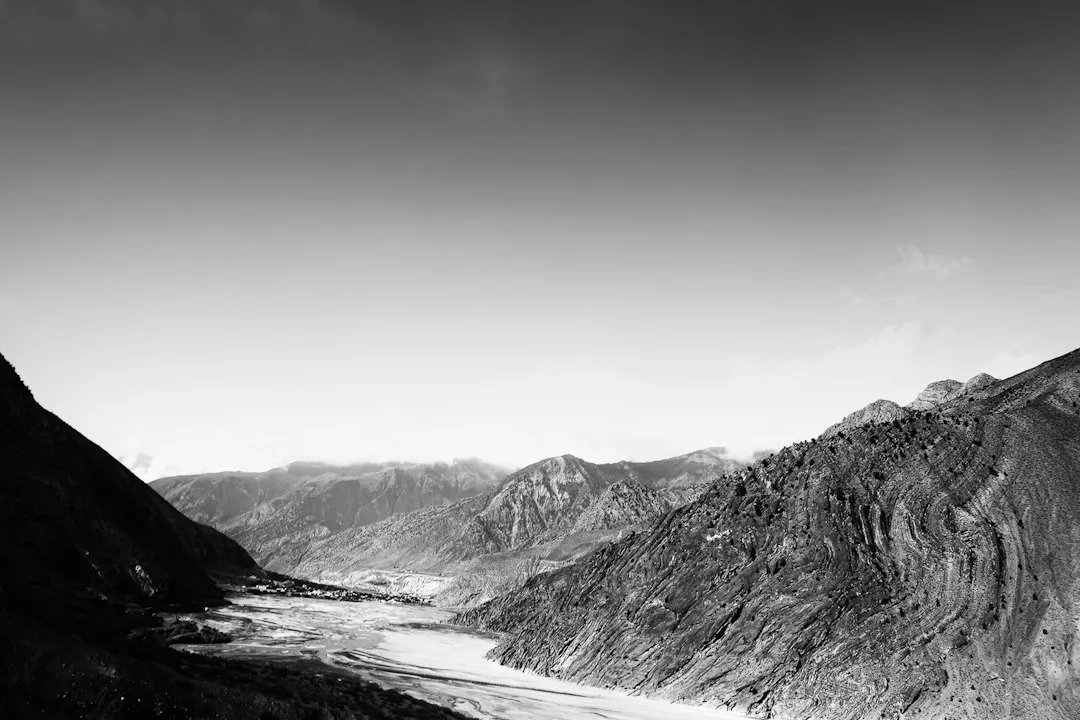
The Antarctic and Arctic deserts are the two largest deserts on Earth, each covering more than 5 million square miles. The Arctic Desert, which covers much of the high Arctic including parts of Greenland, Canada, Russia, and Norway, is a close second. They are the world’s only polar deserts.
The Antarctic and Arctic are considered polar deserts due to the minimal precipitation these regions receive in addition to their extremely low temperatures and arid conditions. Furthermore, most of this precipitation comes as snow and fog instead of actual rain. Two polar giants, both qualifying as deserts on the same basic rule, together accounting for a staggering portion of the Earth’s surface.
Why This Matters Beyond Geography Trivia
The McMurdo Dry Valleys of Antarctica are considered to be the closest environment to Mars on Earth. Despite this, microorganisms still thrive in the barren areas. That connection to Mars research is genuinely significant. Understanding how life persists in Antarctica’s polar desert informs the search for life beyond Earth.
There’s also a broader lesson here about climate and water. Experts have raised concerns about the declining sea ice in Antarctica, which can be exacerbated by climate change effects. A warming atmosphere changes the moisture dynamics of a continent that has been defined, for millions of years, by almost absolute dryness. What happens to the world’s largest desert when its conditions begin to shift is a question scientists are watching carefully.
The Takeaway
Geography, it turns out, is full of definitions that quietly contradict our assumptions. The world’s largest desert is not a hot, sandy expanse. It’s a frozen continent at the far south of the planet, covered in ancient ice, receiving almost no precipitation, and technically drier than many places most people would never hesitate to call a desert.
The Antarctic Desert overturns the usual image of a desert. A desert is defined by very low precipitation, and on that measure Antarctica is not just a desert but the largest desert on Earth. Sand was never really the point. Water was always the point. Antarctica simply has almost none falling from the sky, and that single fact rewrites the record books entirely.
AI Disclaimer: This article was created with the assistance of AI tools and reviewed by a human editor.