


The Record France Holds
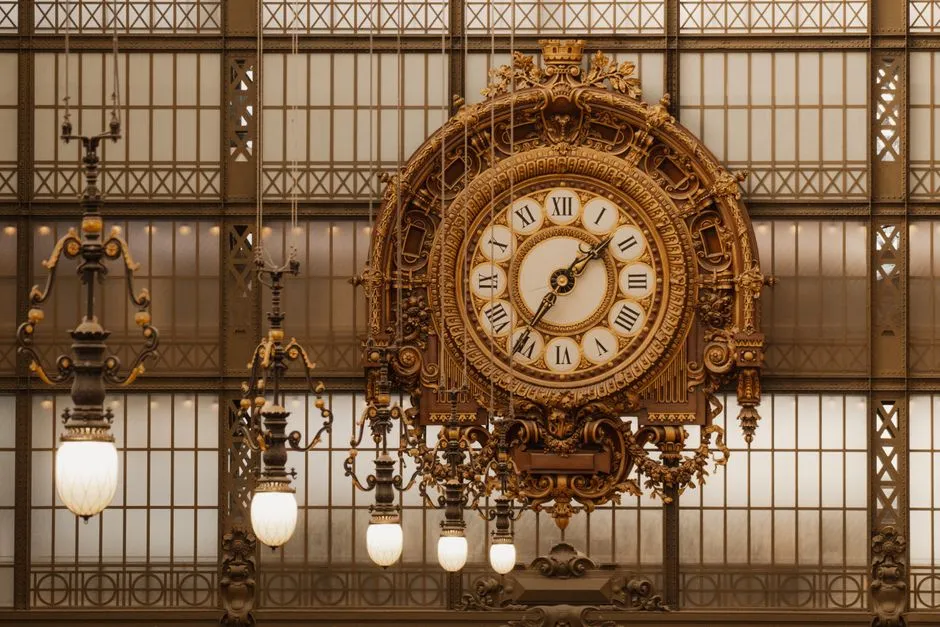
With its 12 standard times, France currently holds the world record for the country with the most time zones, beating even the United States and Russia, which have 11 time zones each. According to Guinness World Records, that number rises to 13 if you include France’s territorial claim in Antarctica.
While often overlooked due to its relatively compact mainland, France’s extensive overseas territories contribute to its holding of a remarkable twelve different time zones. Interestingly, France has more time zones than Russia despite the enormous difference in size between the two countries.
Metropolitan France: Just One Zone for the Mainland
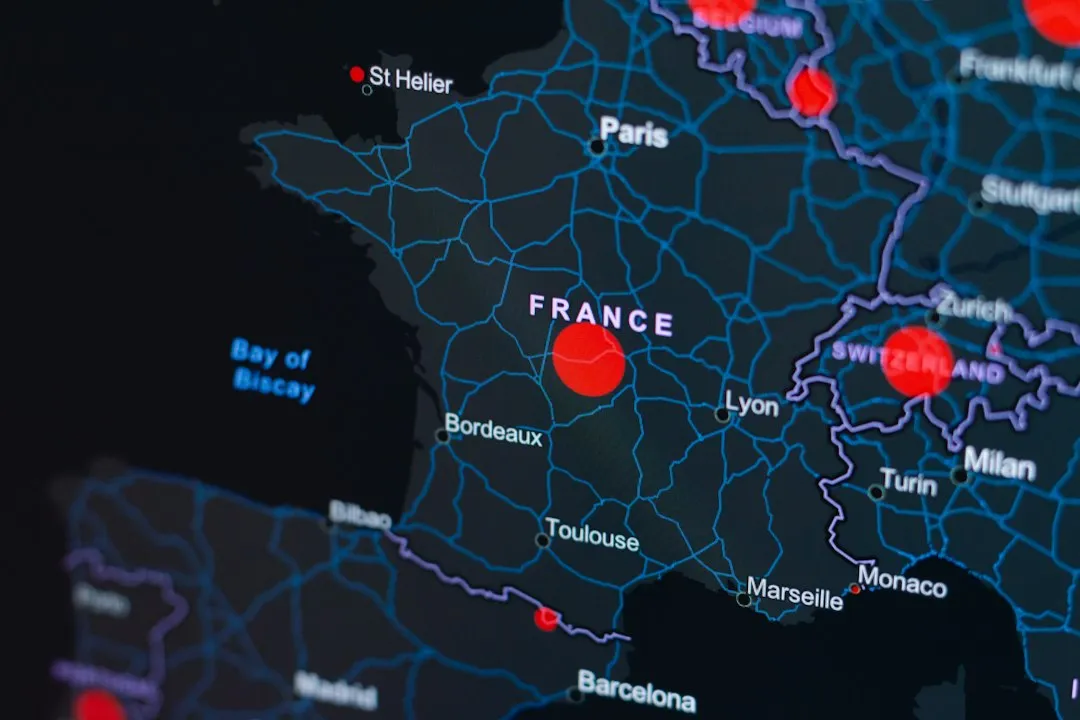
France métropolitaine spans only one time zone, UTC+1. The remaining 11 time zones are added by France’s dependencies, known as France d’Outre-Mer. The mainland alone tells almost none of the story.
Metropolitan France could technically use Greenwich Mean Time, since the prime meridian passes through the country. Instead, France is one hour ahead, largely to maintain economic ties to the rest of continental Europe, and has been on this time zone since the 1940 to 1944 German occupation.
The Colonial Roots Behind the Time Zones
The reason that France has so many time zones is because of its overseas territories. Like many former colonial powers, France has territories outside of Europe, but the difference with France is that some of these territories are classed as integral parts of the Republic itself.
People living in overseas French territories have French nationality as well as the right to vote in elections for the European Parliament and the French presidency. These are not remote outposts with loose diplomatic ties. They are, in a legal and civic sense, France.
French colonies were established in regions like French Guiana as early as 1503, and unlike British Guyana, which gained independence in 1966, French Guiana opted to become a department of France after the Second World War and remains so to this day.
The Overseas Territories That Span the Globe
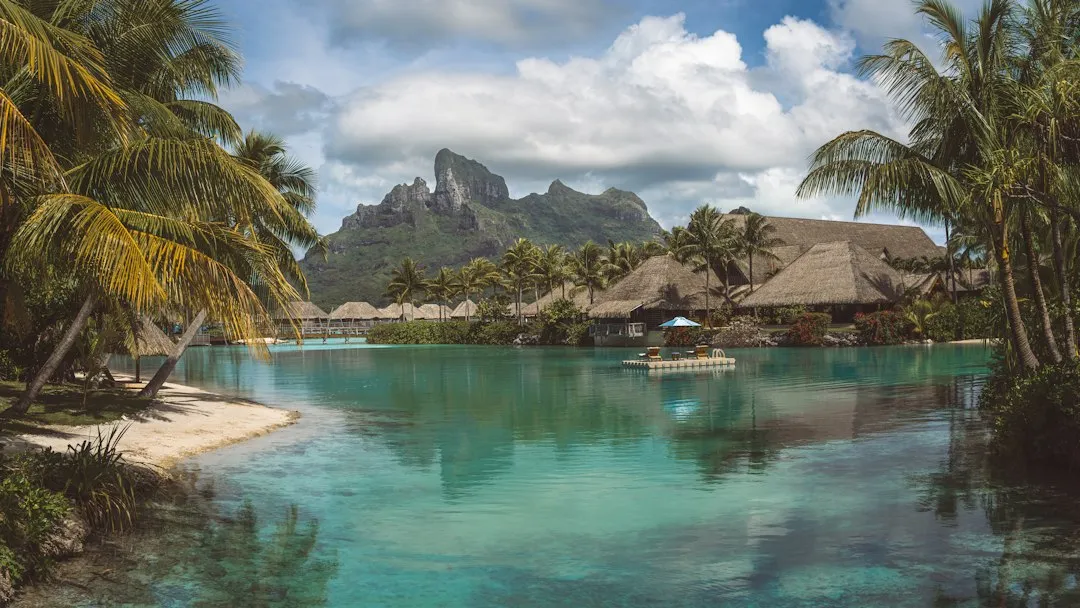
France includes twelve overseas territories across four oceans, home to around 2.7 million French citizens, from Martinique and Guadeloupe in the Caribbean to Réunion and Mayotte in the Indian Ocean and French Polynesia in the Pacific.
As of January 2026, 2,891,000 people lived in overseas France. France’s overseas territories are very scattered, taking in the Caribbean, South America, the Indian Ocean, the Pacific, and the Antarctic.
French Polynesia: The Westernmost Reach
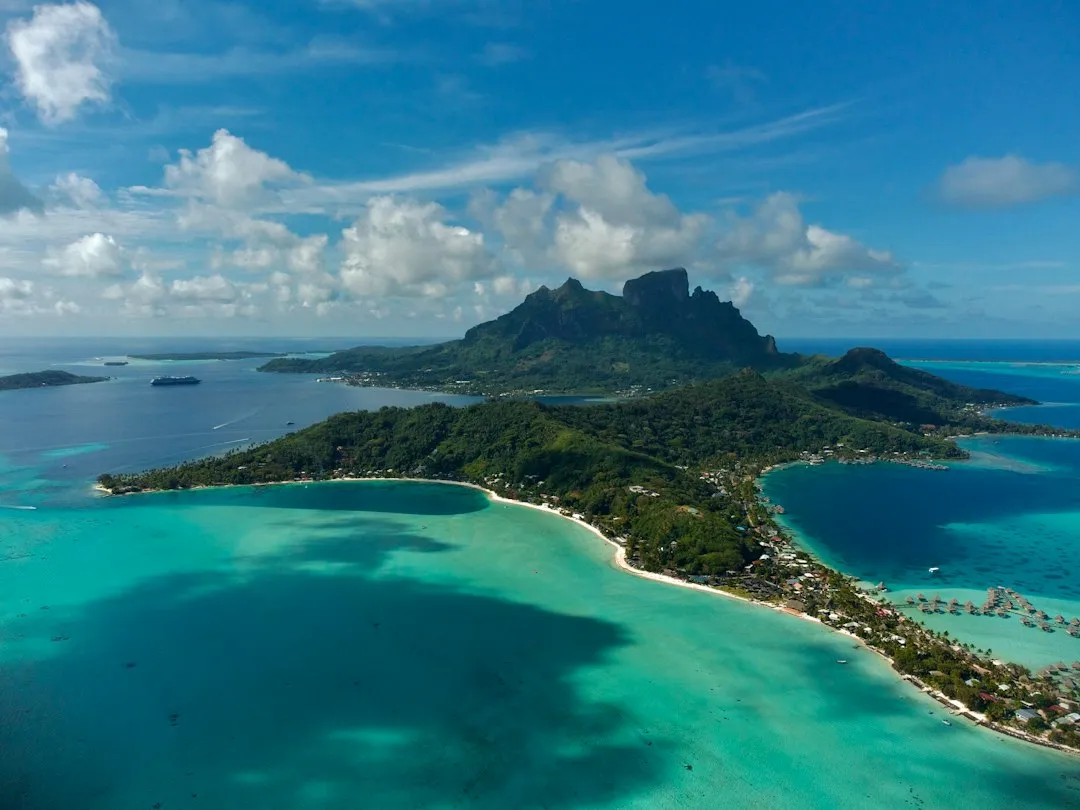
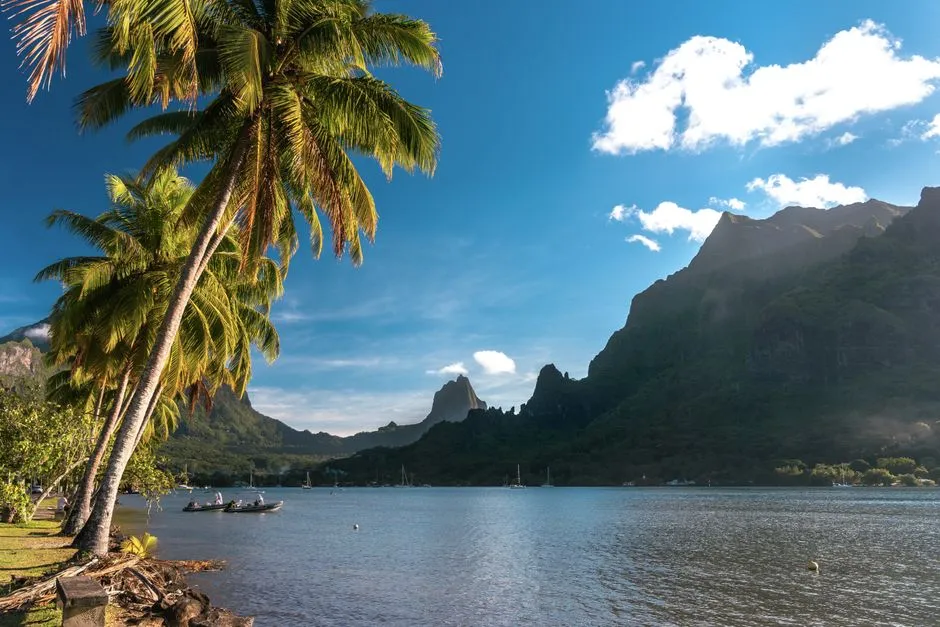
The more than 100 islands that make up French Polynesia cover two time zones in the South Pacific, at GMT minus 10 and GMT minus 9. Tahiti, sitting at UTC minus 10, places this French territory in roughly the same time as Hawaii.
The Marquesas Islands in French Polynesia use UTC minus 9:30, making them the most westerly French time zone in practical terms. The nearby Society Islands, which include Tahiti, use UTC minus 10. The half-hour offset of the Marquesas is one of the quirks that makes France’s time zone picture more unusual than a simple count suggests.
Wallis and Futuna: The Easternmost French Territory
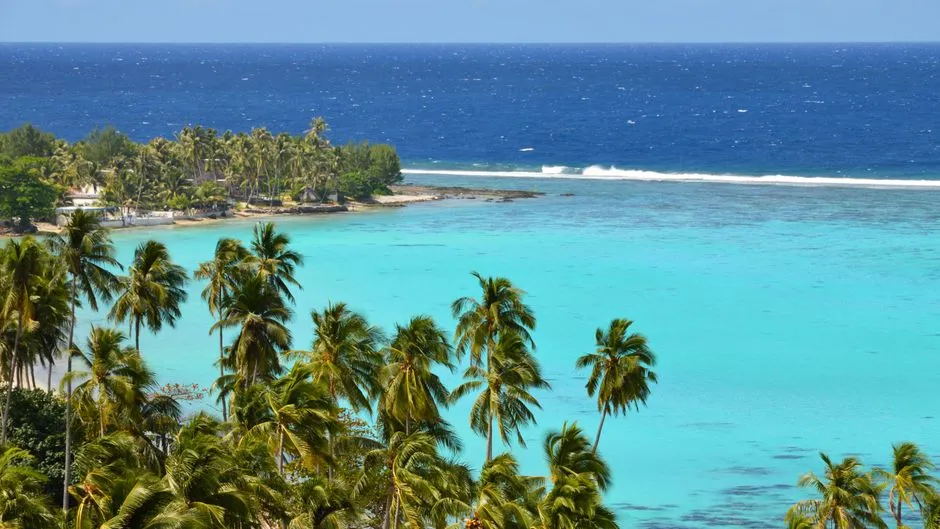
France spans 12 distinct time zones ranging from UTC minus 10 in Tahiti to UTC plus 12 in Wallis and Futuna. That spread of 22 hours between the most westerly and most easterly French territory is genuinely difficult to picture for a single sovereign nation.
The collectivity of Wallis and Futuna, for example, which is 16,000 kilometres away from Metropolitan France, is ten hours ahead of the mainland in summer time and eleven hours ahead in standard time. Wallis and Futuna became a French protectorate in 1887 and 1888.
The Daylight Saving Complication

Only the European part of France and the collectivity of Saint Pierre and Miquelon use Daylight Saving Time. Every other overseas territory stays fixed to its UTC offset year-round, which means the time gap between Paris and these territories actually shifts depending on the season.
While Metropolitan France observes summer time, moving clocks back in March and forward in October, the territories of overseas France do not. The exception is Saint Pierre and Miquelon, which follows the daylight saving time schedule of the United States and Canada. Regardless of whether Metropolitan France is in summer or standard time, it does not share a time zone with any of its territories.
France and Its Exclusive Economic Zone
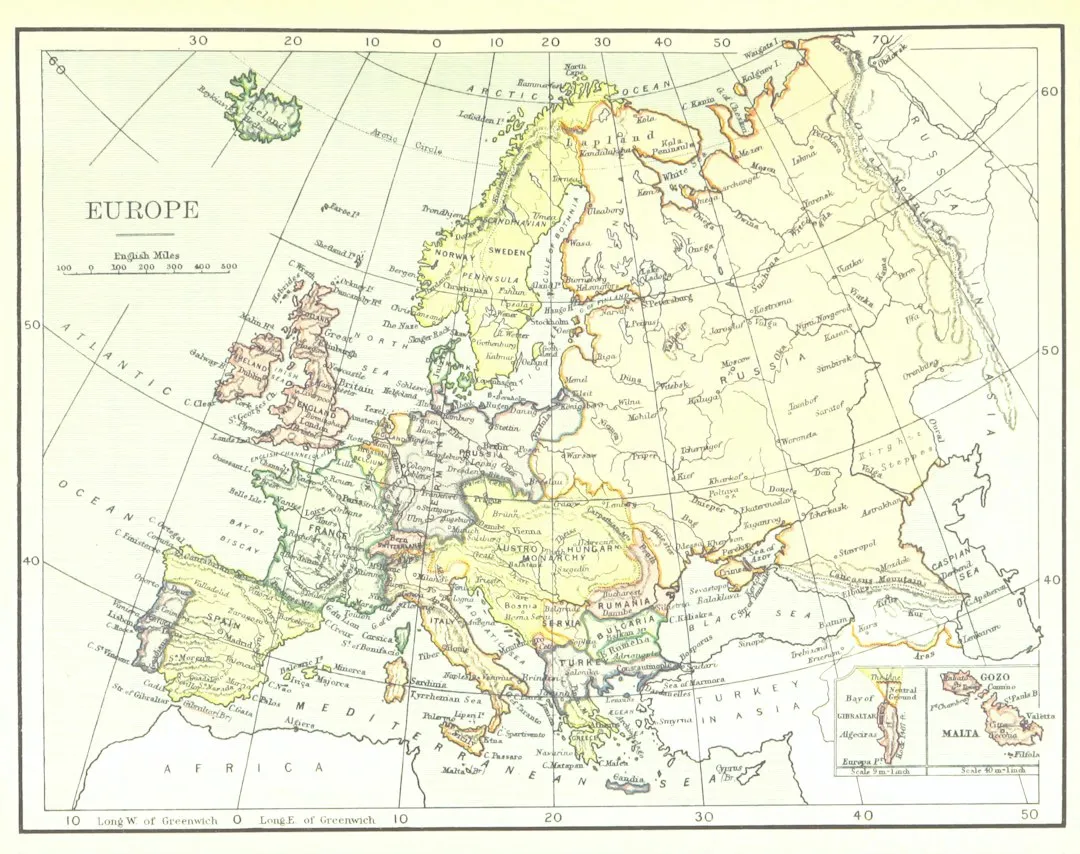
France has twelve time zones, a record recognised by Guinness World Records, and it also holds the second largest exclusive economic zone in the world, around 11 million square kilometres of ocean, of which roughly 97 percent lies overseas.
This oceanic reach is directly connected to the time zone count. The territories that push France’s clocks to their furthest extremes also give Paris sovereign access to vast stretches of the Pacific, Indian, and Atlantic oceans, with all the fishing rights, mineral rights, and strategic positioning that entails. The time zones are, in that sense, only the most visible symptom of a much larger geopolitical footprint.
How France Compares to Russia and the United States
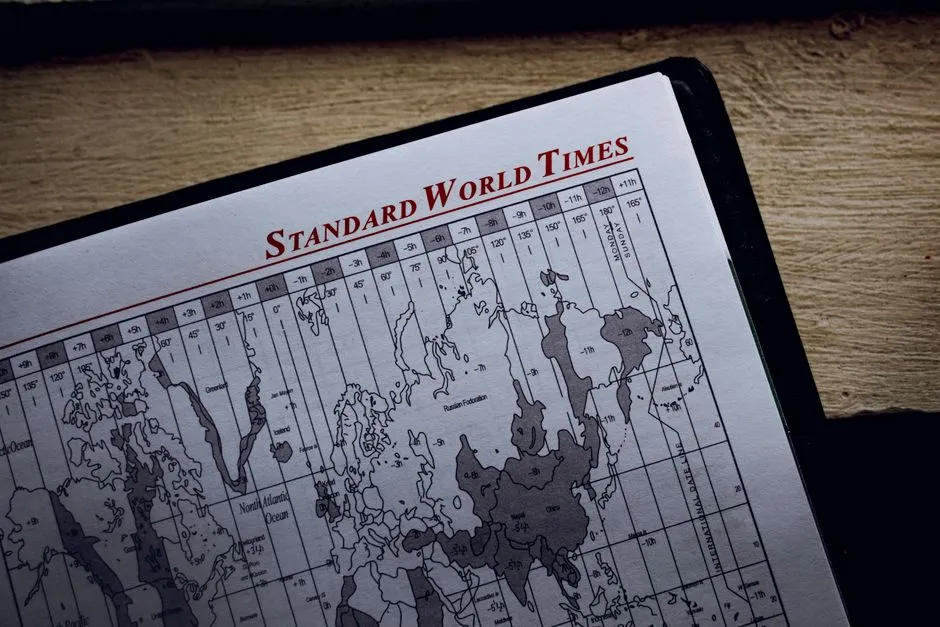
While France and its dependencies span 12 time zones, Russia holds another world record: ten of its 11 time zones cover a contiguous landmass, with only the Russian exclave of Kaliningrad breaking that pattern. Russia is the largest country in the world and has the most contiguous time zones, meaning successive time zones that touch each other without relying on separate territories.
The United States also has 11 time zones, covering unincorporated territories such as Guam, Puerto Rico, and the U.S. Virgin Islands. The UK has nine time zones thanks to its overseas territories, which encompass places such as Bermuda, Montserrat, Gibraltar, and the Falkland Islands. France still sits alone at the top of the list.
The Strange Reality of Being a 12-Zone Country
The world currently has 38 observed time zones, not 24. The majority of countries have a single time zone, although around 23 countries have two or more. France, with 12, accounts for nearly a third of all possible national time zones in a single sovereign nation.
France has not one, not two, but twelve different time zones. That number rises to thirteen if you include France’s claim in Antarctica. With twelve or thirteen time zones, France is ahead of Russia and the United States, which both have eleven, and Australia and the UK, which both have nine.
The Takeaway
France’s record is, at its core, a geographic consequence of historical choices made over several centuries. The territories that generate all those extra time zones were not accumulated recently. They are the lasting footprint of an empire that, in most of its corners, chose to stay French rather than seek independence.
What makes this fact genuinely interesting is the contrast it creates. A country that fits neatly onto a single page of a European atlas technically stretches from the Western Pacific to the shores of South America, from the tropics to the edges of Antarctica. Mainland France wakes up at one time. Meanwhile, somewhere in French Polynesia, the previous day is still in full swing. That is what 12 time zones actually feels like, even if most people never think about it that way.
AI Disclaimer: This article was created with the assistance of AI tools and reviewed by a human editor.