
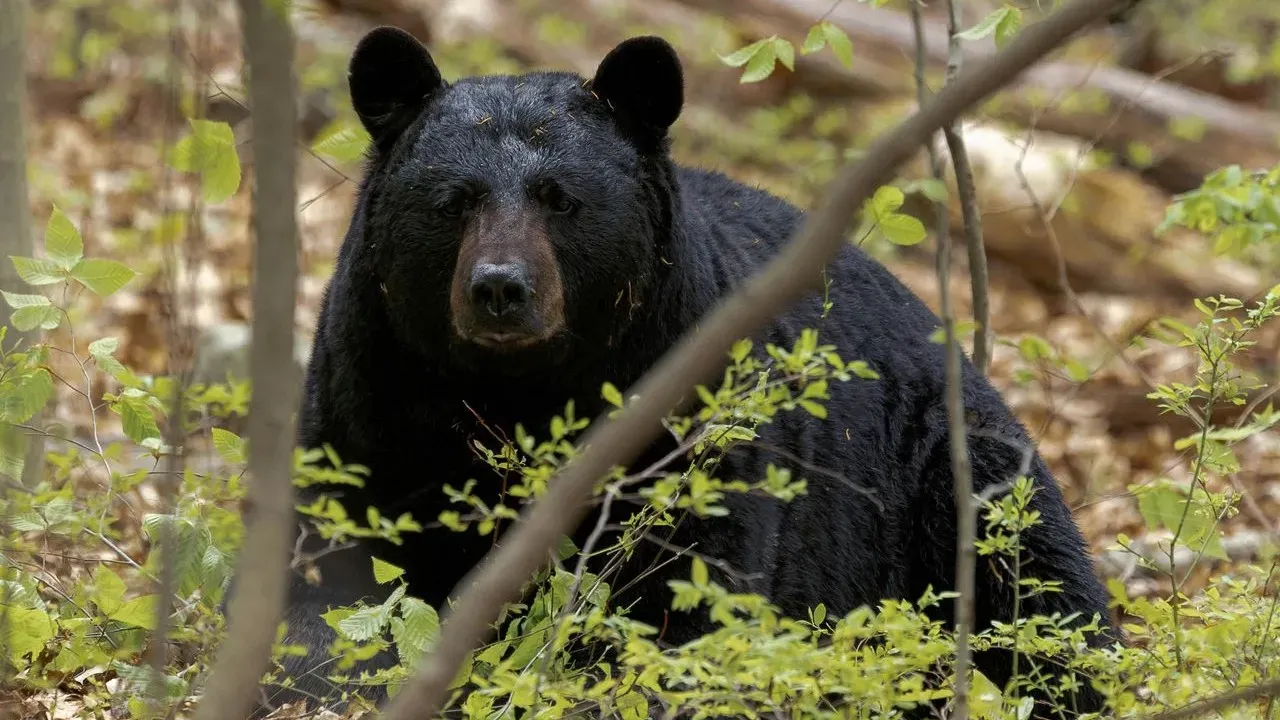

California’s national parks draw visitors year-round for their granite cliffs, towering sequoias, and clear mountain air. This season, black bears have become more visible along trails and in campgrounds as they prepare for winter. Wildlife officials note that natural feeding patterns, combined with busy visitor seasons, explain the increased activity across Yosemite, Sequoia, and Kings Canyon. ([1])
The Drive Behind Fall Foraging
Black bears enter a period of intense feeding known as hyperphagia before hibernation. During these weeks they may forage up to 22 hours a day and consume roughly 20,000 calories daily to build the fat reserves needed for the colder months. This instinctive behavior brings them into areas where food sources are easiest to find, including popular campsites and parking areas.
Park records show the pattern is especially noticeable this year. In Yosemite, human-bear incidents rose 52 percent in 2026, with 50 documented cases through mid-September that resulted in property damage. Similar increases have appeared in Sequoia and Kings Canyon, where conflicts have climbed sharply since 2020.
Why Encounters Have Increased
Higher park attendance plays a clear role. Without a reservation system in place, visitor numbers have grown along popular corridors, and staff shortages have limited the number of bear-proof trash bins available. Rangers report that improperly stored food and unsecured garbage triggered the majority of recent incidents.
These conditions create predictable overlap between bears and people. When food is left accessible, animals quickly learn to associate campsites with easy meals. The result is more frequent but still manageable interactions that rangers address through education rather than relocation whenever possible.
Practical Steps for Respectful Visits
Park staff continue to emphasize simple, effective habits that protect both visitors and wildlife. All food, scented items, and trash must be stored in provided metal bear lockers when not in use. Keeping a clean campsite and never feeding animals reduces the chance of unwanted approaches.
Maintaining distance remains essential. Observers should stay at least 100 yards from any bear and avoid sudden movements or loud noises that could startle the animal. These practices allow visitors to enjoy the parks while supporting the bears’ natural routines.
Sharing the Landscape Responsibly
California’s national parks remain extraordinary places to witness wildlife in its habitat. By following established guidelines, travelers contribute to the long-term health of bear populations and the ecosystems they inhabit. Rangers and federal partners continue to monitor conditions and adjust messaging as the season progresses.
Thoughtful preparation turns a potential challenge into an opportunity for deeper connection with the natural world. Visitors who plan ahead and travel with care help ensure these parks stay vibrant for future generations of both people and bears.
AI Disclaimer: This article was created with the assistance of AI tools and reviewed by a human editor.