


What an ISO Microchip Actually Is

ISO 11784 and ISO 11785 are the international standards that most of the world has adopted for pet microchipping. They work as a pair, each doing a different job. ISO 11784 defines the data structure the chip must use, which is a 15-digit numeric ID. ISO 11785 defines the transmission protocol, including the 134.2 kHz frequency requirement.
Most countries require ISO-compliant microchips because they ensure consistency across borders. Whether your dog is scanned at a veterinary clinic, airport, or customs checkpoint, the chip can be reliably detected and matched to its documentation.
Why the 15-Digit Number Matters So Much

ISO-compliant chips are always 15 digits long. If your pet has an older 9- or 10-digit chip, common with older AVID or HomeAgain models, it may not be readable by universal scanners used at foreign customs.
Your pet must be identified by a microchip conforming to ISO Standards 11784 and 11785. If your pet has a non-compliant 9- or 10-digit chip, it will fail automated border scanners in Europe, Asia, and the Middle East. That failure isn’t a minor administrative hiccup. It can unravel months of preparation in a single moment at the airport.
The Chip-Before-Vaccine Rule: The Most Misunderstood Requirement

This is the single most violated sequencing rule in international pet travel, and it restarts months of preparation when it goes wrong: the microchip must be implanted before the rabies vaccination. The logic behind it is straightforward. The microchip number must be recorded on the rabies vaccination certificate at the moment of injection.
Any rabies vaccination administered before the microchip is implanted is considered invalid for international travel purposes, even if the vaccination is medically effective. If no microchip existed at the time of vaccination, there is no verifiable chain of custody proving the certificate belongs to the specific animal presenting at the border. Destination authorities treat pre-microchip vaccinations as invalid for import purposes, regardless of the vaccine’s medical effectiveness.
Where the ISO Standard Is Enforced

The European Union in all 27 member states, the UK, Japan, Australia, New Zealand, Singapore, South Korea, and dozens more countries all require an ISO 11784/11785-compliant microchip. The USA has no federal domestic requirement, but since August 2024, any dog entering the US must have a chip readable by a universal scanner.
EU Regulation 576/2013, Article 17, requires that pet animals be identified by a microchip transponder complying with ISO 11784/11785 before any international movement. New Zealand, Singapore, South Korea, and most of the Middle East also require ISO 11784/11785 compliance. The standard has become, effectively, the global baseline.
What Happens When the Chip Can’t Be Read
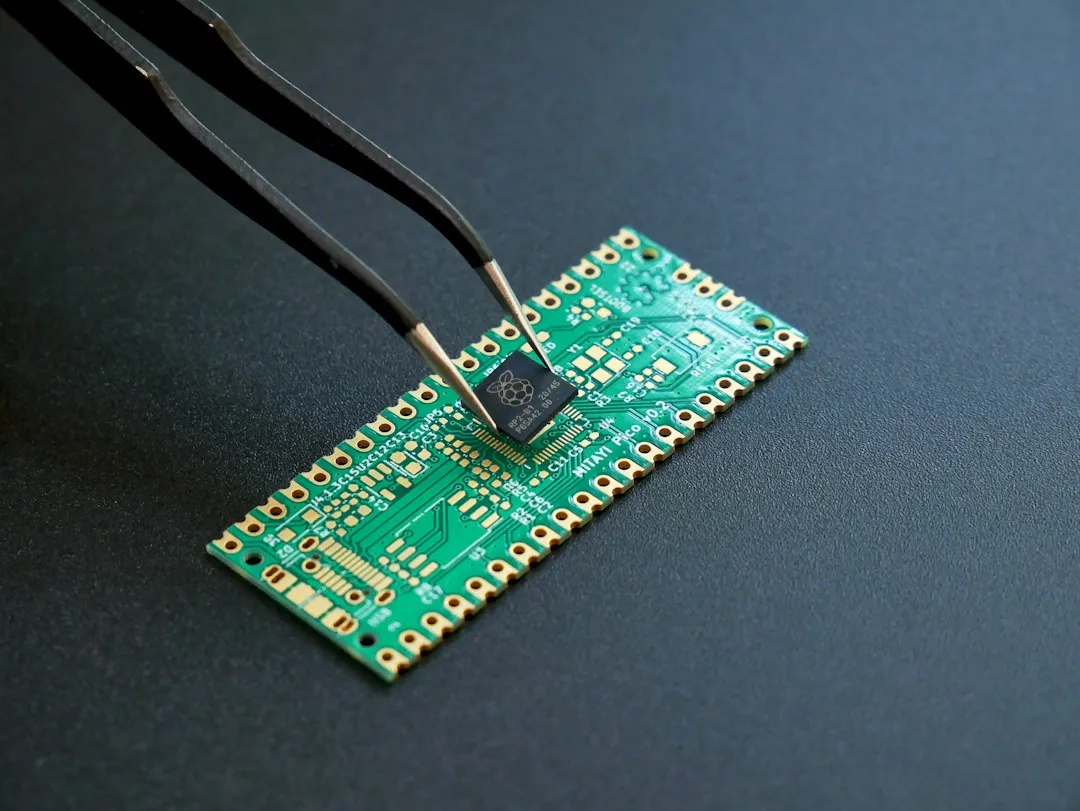
The EU, UK, US, Australia, Japan, and Singapore all require an ISO 11784/11785-compliant microchip that can be read by a universal scanner. Non-ISO microchips may not be readable at border control and can trigger quarantine even if the rest of your paperwork is in order.
Getting these details wrong doesn’t just cause a headache at the border; it can mean your pet is refused entry and returned at your expense. At the destination border, a mismatch typically results in mandatory quarantine or re-export at the owner’s expense. For some countries, particularly Japan and Australia, those consequences stretch across months.
Japan’s 180-Day Rule and What It Means

For your reference, when importing dogs or cats into Japan from outside designated areas, the animal must be microchipped, receive at least two rabies vaccinations, and have an antibody titer of 0.5 IU/mL or higher confirmed. The Japan Animal Quarantine Service has stated that if dogs or cats are imported from areas other than designated regions and do not meet the import requirements, they may be subject to quarantine for up to 180 days.
If the chip number cannot be read or it doesn’t match documentation when your pet arrives in Japan, your pet will need to quarantine for 180 days or be returned at your expense. Japan requires advance notification to the Animal Quarantine Service at least 40 days before arrival. No amount of good faith or medical proof resolves a chip problem after you’ve landed.
Australia’s Biosecurity Standards and Quarantine Reality
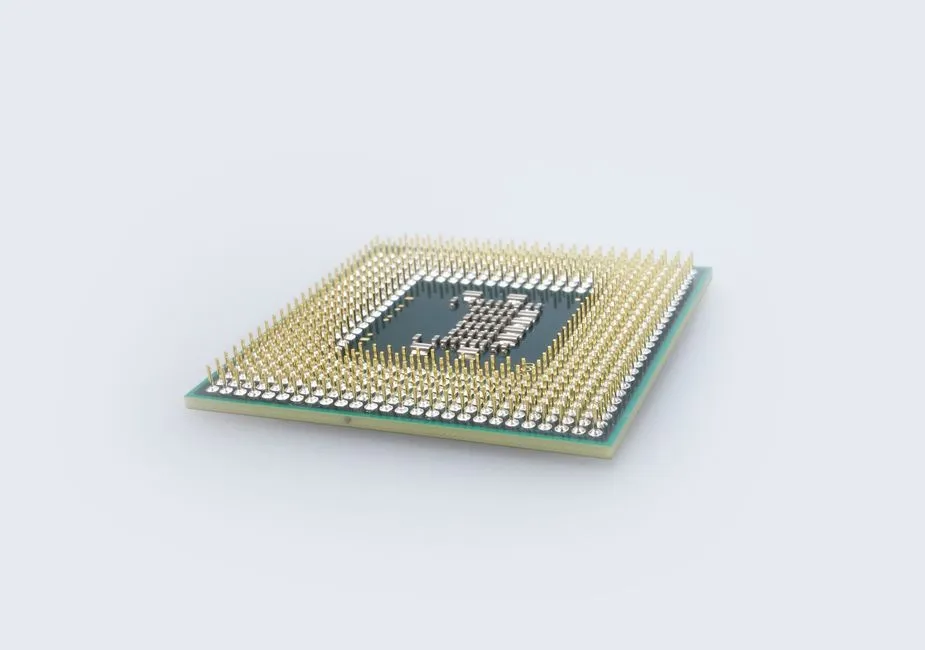
Australia has some of the world’s most stringent biosecurity laws, making international pet travel particularly complex. Pets must have an ISO 11784/11785 compliant microchip implanted before the rabies vaccination, and an import permit is issued by the Australian Department of Agriculture, Fisheries and Forestry.
A minimum of 10 days at the Mickleham Post Entry Quarantine Facility near Melbourne is required. This extends to 30 days if identity verification fails on arrival, with a 180-day total preparation window required before export. The microchip isn’t just one item on a checklist in Australia. It’s the thread that holds the entire document chain together.
The Problem With Non-ISO Chips Already in Place
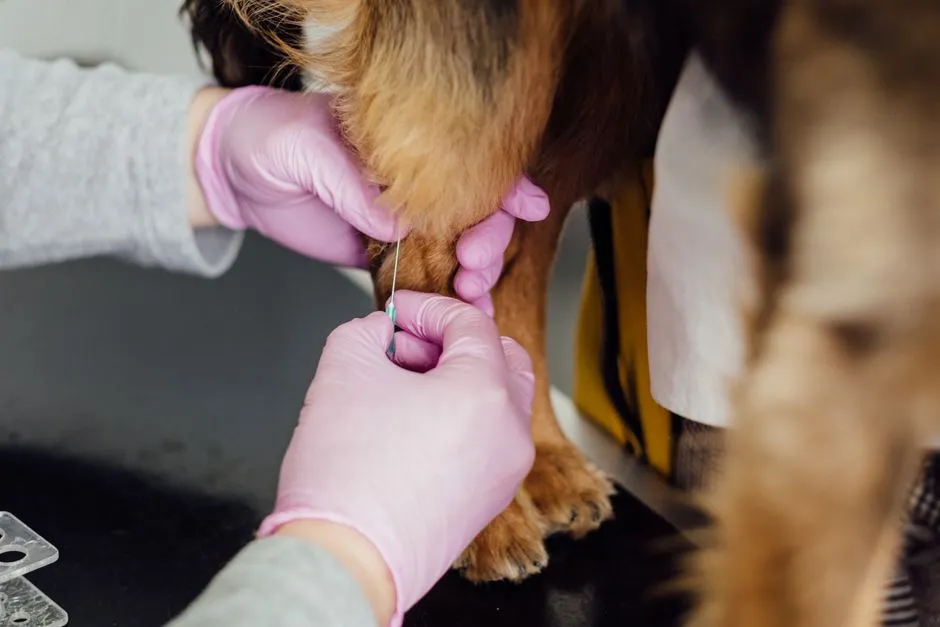
Older technology chips are not read by ISO standard readers used at European, Japanese, and Australian border controls. Chips at 125 kHz use pre-ISO technology and are not read by ISO 11784/11785 readers used at European, Australian, and Japanese border controls.
Fortunately, there is a practical path forward for owners with older-chipped pets. If your pet has a non-ISO chip, you don’t necessarily need to remove it. You can have a second ISO-compliant chip implanted, but both numbers must be recorded on your pet’s official health certificate to avoid confusion. The key is doing this well before any vaccination appointments, so the sequence remains correct.
Number Consistency Across Every Document

The chip number on the vaccine certificate must match the health certificate, must match the titer test, must match the import permit. This sounds obvious, but typographical errors are far more common than most people expect. A single transposition, such as 968 versus 986, will cause document rejection at the destination border, even if everything else is perfect.
Japan, Australia, and New Zealand have especially strict documentation requirements; even a single digit discrepancy can result in your pet being turned back. Scanning the chip physically before submitting any document to any authority is one of the most important habits a traveling pet owner can form.
The UK’s Post-Brexit Microchip Rules

The UK requires all dogs entering the country to have an ISO 11784/11785-compliant microchip. The chip must be implanted before the rabies vaccination is administered, and the microchip number must be recorded on all supporting documentation. If your dog’s microchip cannot be read upon arrival, entry may be denied or delayed until proper identification can be confirmed.
Post-Brexit, the EU Pet Passport is no longer valid for entry into the UK. A Pet Health Certificate with official vet endorsement is now required, along with tapeworm treatment for dogs within a specific window before arrival. The chip underpins all of it, the same as it does everywhere else.
How to Plan Around the Microchip Timeline

A 15-digit, ISO-compliant chip should be put in before the rabies vaccine, ideally six to twelve months before travel. That timeline exists because some countries require a blood titer test after vaccination, and then a mandatory waiting period before entry is permitted. After successful RNATT blood test results, a wait of 180 days is required before travel to Australia.
Planning backwards from your travel date is the most reliable approach. The microchip’s installation or verification date must precede or match the exact date of the primary rabies vaccine across every piece of global paperwork. Implanting your pet’s 15-digit ISO microchip should happen around 180 days before departure when strict-country travel is involved.
A Small Device With an Outsized Role

AI Disclaimer: This article was created with the assistance of AI tools and reviewed by a human editor.