
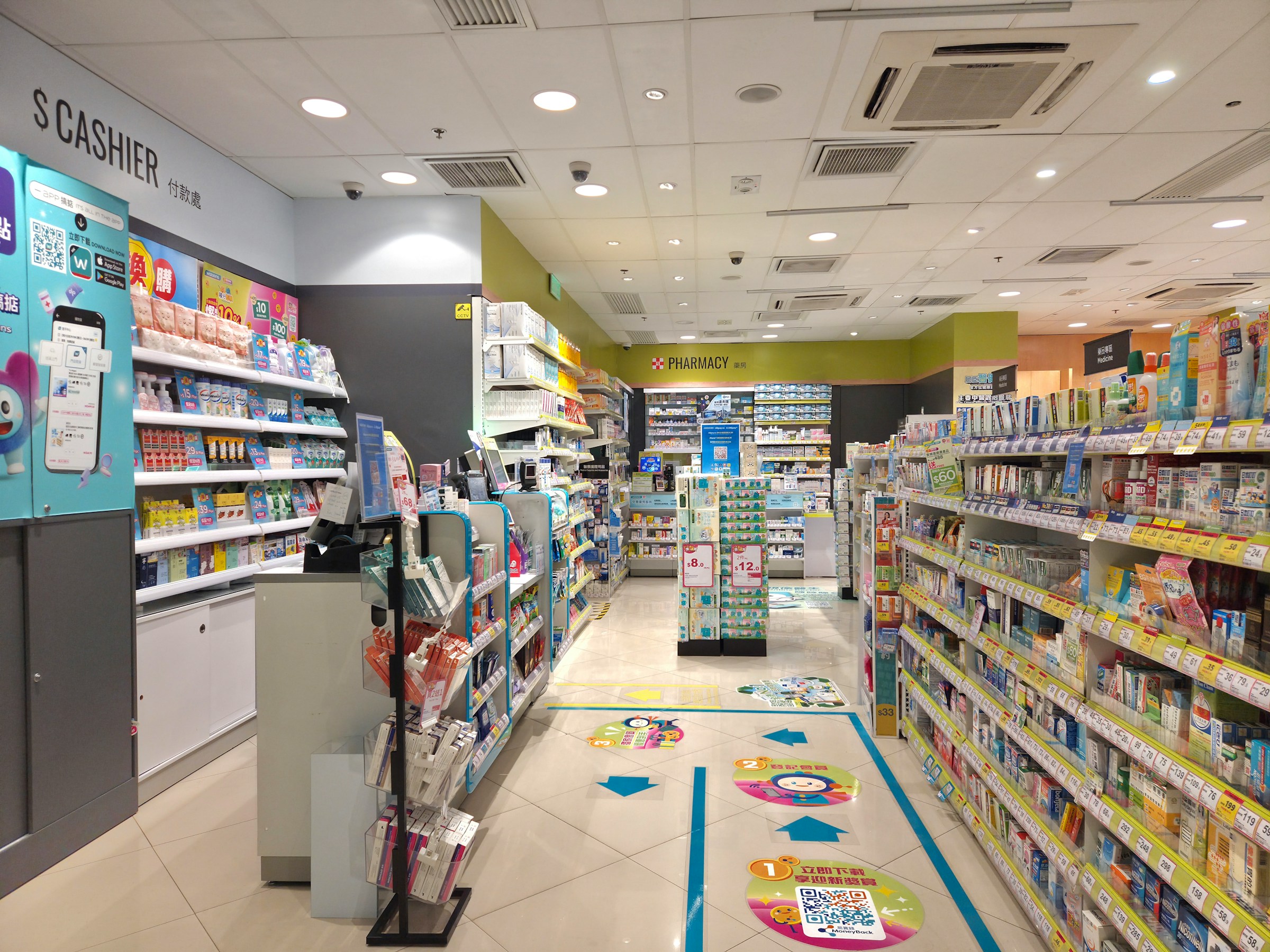

1. Bottled Water: The Undisputed Champion
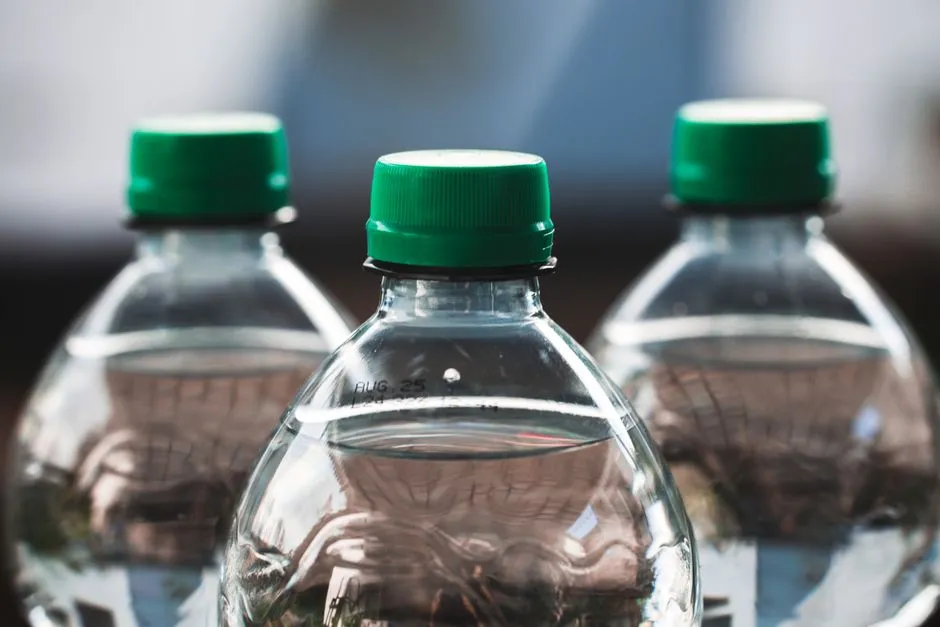
No product dominates airport retail more consistently than bottled water. Despite the high price of bottled water at the gate, it’s the number one item purchased in Hudson’s travel essential stores in the United States. The reason isn’t hard to figure out. Bottled water is such a hot commodity at airports because people aren’t allowed to bring their own hydration supply through security.
Bottled water is not only number one, it’s number one through five, with Dasani’s bottled 20 oz taking first place and Glaceau’s Smartwater 23.8 oz coming in fifth. Pharmacy staff near gates report that hydration products, including electrolyte drinks and rehydration sachets, are among the first items they restock each morning.
2. Pain Relievers: The Universal Backup Plan
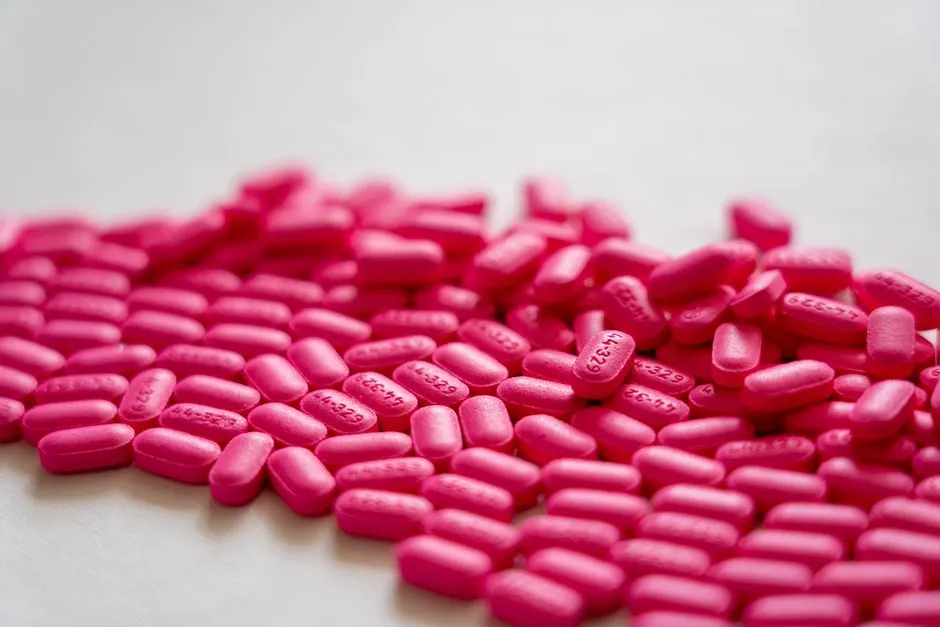
Phone chargers, headphones, travel-size toiletries, and over-the-counter medications are in high demand, helping passengers who forgot something at home or need a quick replacement before boarding. Pain relievers, in particular, are a near-constant grab. RPM Retail data reveals that pain relief leads as the top-selling retail category in pharmacy by volume, with paracetamol tablets ranking as the number one product.
Between the pressure changes of a cabin, stiff seats, and the physical toll of getting to the airport itself, it makes sense that a small pack of ibuprofen or acetaminophen is the first thing many travelers reach for before boarding. Airport pharmacy staff note that travel-size pain relief packs, designed specifically for carry-on compliance, move particularly fast at peak travel hours.
3. Hand Sanitizer: Still a Constant Seller
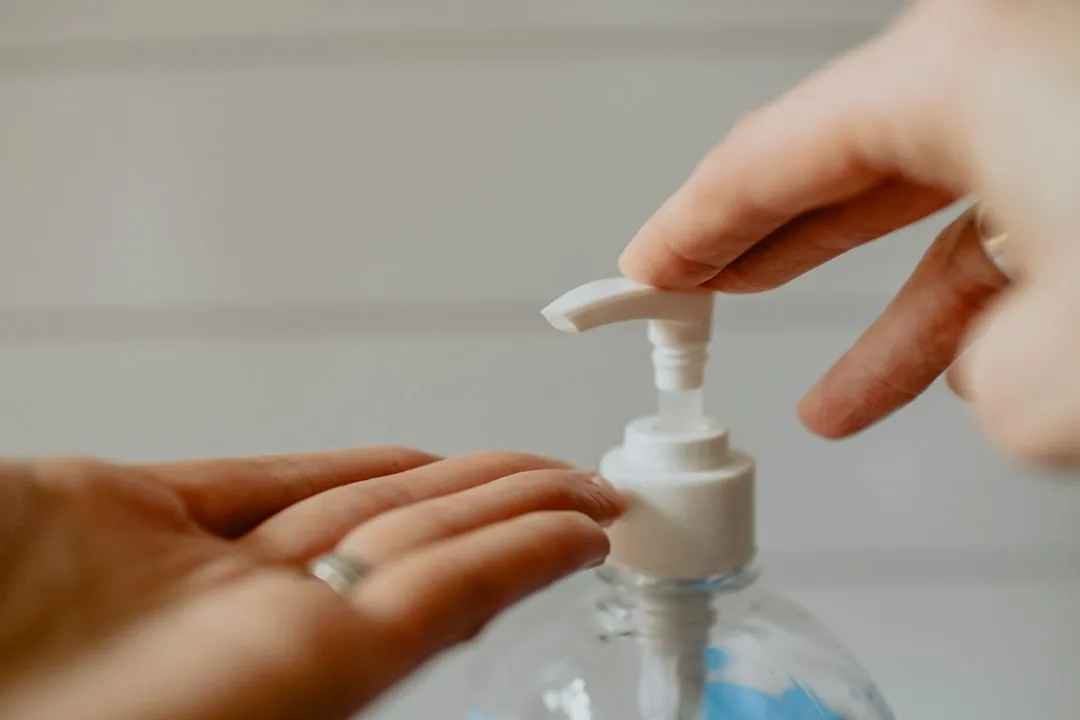
Hand sanitizers, wet wipes, and face masks remain core items stocked by airport pharmacies under their hygiene and personal care category. The habit of sanitizing hands at the gate stuck around well beyond the years it was strictly necessary, and travelers today still consistently pick up small bottles before boarding. Between overzealous hand sanitizer use and airplane cabin air that could parch a plant, hands are usually the first to suffer during travel.
The format matters here. Compact spray bottles and gel packs that fit easily into a seat pocket sell much faster than larger formats. Airport pharmacies have adapted their shelving accordingly, placing these items at or near the checkout counter for easy impulse grabbing.
4. Compression Socks: A Practical Purchase on the Rise

Sitting still for extended periods slows blood circulation in the legs and increases the risk of deep vein thrombosis (DVT), a potentially serious condition where blood clots form in the deep veins. This risk increases with age, making compression socks especially worth wearing for travelers over 50. Awareness around this has grown substantially in recent years, and airport pharmacies are stocking more compression options as a result.
The pharmacies distribution channel held approximately 21.6% market share in the travel compression socks market in 2025, underpinned by its dominant role in the distribution of medically classified compression products. The 15-20 mmHg category represented approximately 38% of graduated compression sock units sold globally in 2025, making it the most commercially significant compression class. At the airport gate, these are frequently a last-minute decision rather than a pre-planned purchase.
5. Personal Care Items: Spending More Than You’d Expect
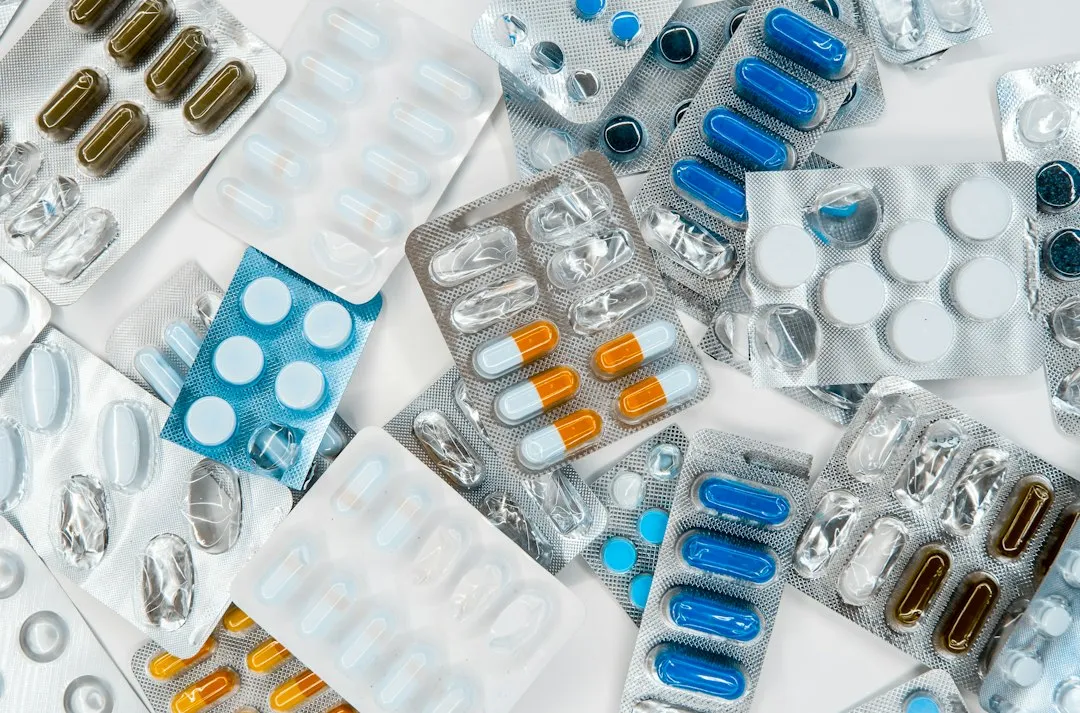
Personal care items are among the notable airport purchases, with 21% of Americans buying them at the airport and spending an average of $73 on them. That’s a surprisingly high spend per category, more than food and nearly as much as souvenirs. Items like travel-size deodorant, toothbrush kits, mini shampoo, and contact lens solution fall into this bucket.
Toothbrush kits, deodorant, mini shampoo and soap, and contact lens solutions in travel-size formats are standard stock at airport pharmacies. Travelers often buy these because they’ve packed liquids in checked luggage, or because they simply want fresher versions for a long-haul flight. The gate-side pharmacy becomes a kind of last chance to feel prepared.
6. Vitamins and Wellness Supplements: A Growing Category

Traditional drugs, once the leading airport pharmacy category, are now only the third best-selling product type, with medicated oils and vitamins topping passengers’ choices, purchased both for personal use and as gifts. This shift reflects a wider wellness mindset that has reshaped how people think about travel preparation. Immune support, vitamin C, and melatonin are among the supplements travelers most often pick up.
Growing awareness regarding personal wellness and hygiene products has increased demand for skincare items, supplements, and medical accessories at airport retail outlets. Pharmacy staff have noticed that the category expands noticeably during international travel seasons, when flyers heading overseas are particularly focused on staying healthy en route.
7. Motion Sickness Remedies: A Quiet but Steady Seller

First-aid kits, insect repellent, sunscreen, rehydration salts, motion sickness bands, and eye drops are core travel health and safety products stocked at airport pharmacies. Motion sickness remedies, in particular, tend to sell in bursts. They’re often the item people only remember they need once they’re already feeling uneasy at the gate.
Both pharmacological options, like dimenhydrinate tablets, and drug-free alternatives, like acupressure wrist bands, are common on airport pharmacy shelves. Staff note that wrist bands tend to move faster because they’re suitable for children and adults alike, require no prescription or dosage concern, and can be used immediately without water.
8. Sunscreen and Insect Repellent: The Forgotten Essentials
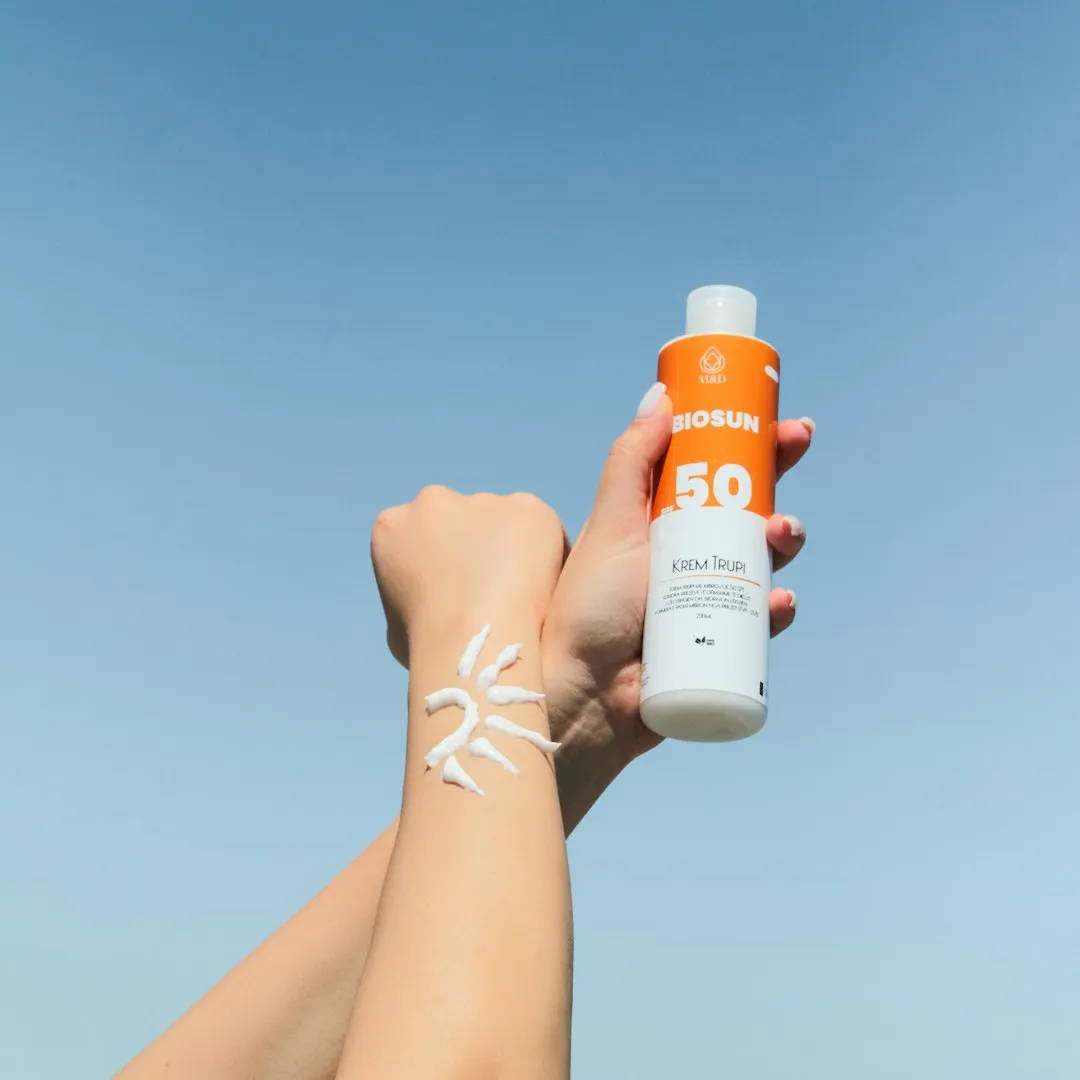
It’s a familiar scenario. The sunscreen stayed on the bathroom counter and the destination has a beach. Airport pharmacies stock both sunscreen and insect repellent because they’re among the most commonly forgotten travel items. Airports are expanding pharmacy retail areas to provide convenience for travelers requiring immediate healthcare solutions.
Travel-size SPF products and compact repellent sprays sell well precisely because they solve an immediate, tangible problem. Travelers heading to tropical or sun-intensive destinations are the most likely buyers, and pharmacy staff in airports serving Caribbean, Southeast Asian, or Mediterranean routes tend to keep these items prominently displayed year-round.
9. Sleep Aids and Melatonin: The Long-Haul Staple
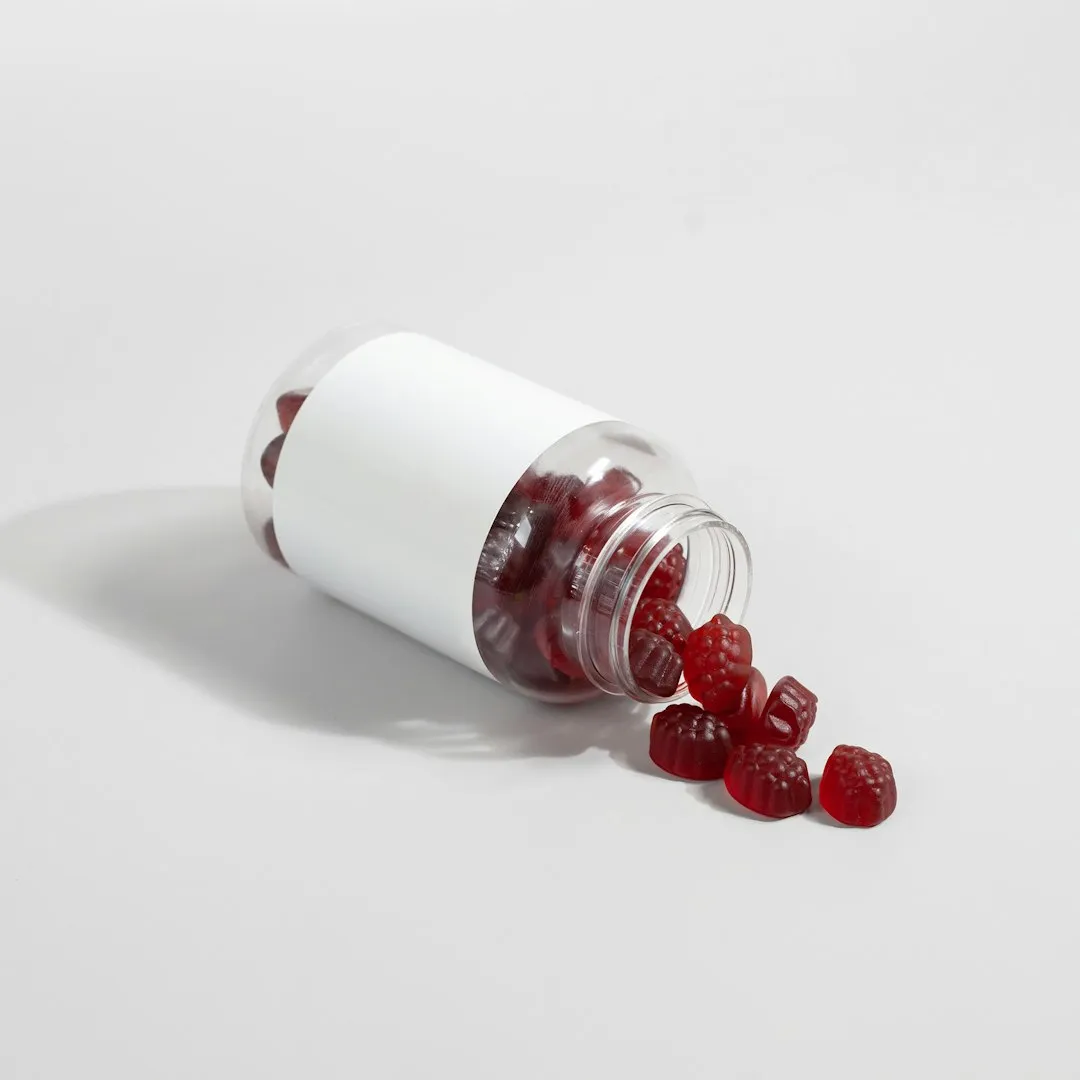
Sleep services and products, including those for obstructive sleep apnoea, are among the leading health service categories at pharmacies, with melatonin-related products showing consistent market momentum. For travelers crossing multiple time zones, melatonin has become a go-to purchase at the gate, often grabbed alongside an eye mask or a pair of earplugs.
The appeal is straightforward. Melatonin is non-prescription, widely trusted, and small enough to fit in any bag. Many airport pharmacies now stock it in gummy formats alongside traditional capsules, and the gummy variants have grown steadily in popularity, particularly among travelers who dislike swallowing pills. It’s a small thing that can genuinely affect how well a long flight goes.
10. Impulse Buys and the Overall Spend Picture
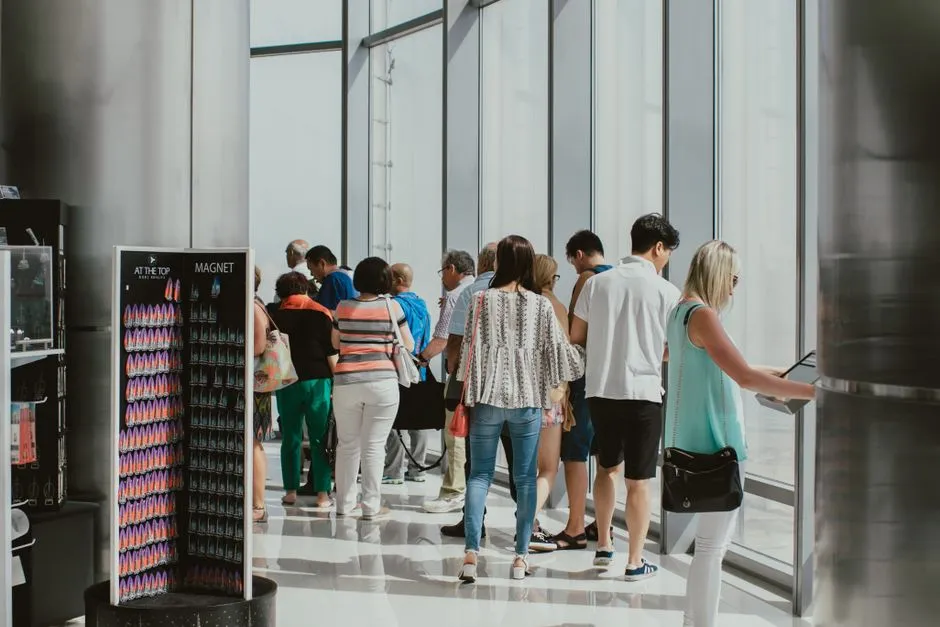
According to a survey from CardRates.com, 70% of Americans say they have made unplanned purchases at the airport, with 22% admitting that they frequently make impulse purchases. The survey found that Americans spend an average of $135 at the terminal. Airport pharmacy staff are effectively positioned at the peak of that impulse cycle, stocking items that solve real problems travelers only recognize once they’re already past security.
Around 44% of respondents say they have bought something at an airport just to pass the time. Pharmacy items, though, tend to be more purposeful than that. Whether it’s compression socks for a 12-hour flight or a travel-size hand cream for dry cabin air, most pharmacy purchases at the gate reflect genuine need. Pharmacy products contribute 12% of the market share in the airport retail market, as passengers increasingly seek healthcare essentials, personal care items, wellness products, and travel-related medicines.
The Takeaway
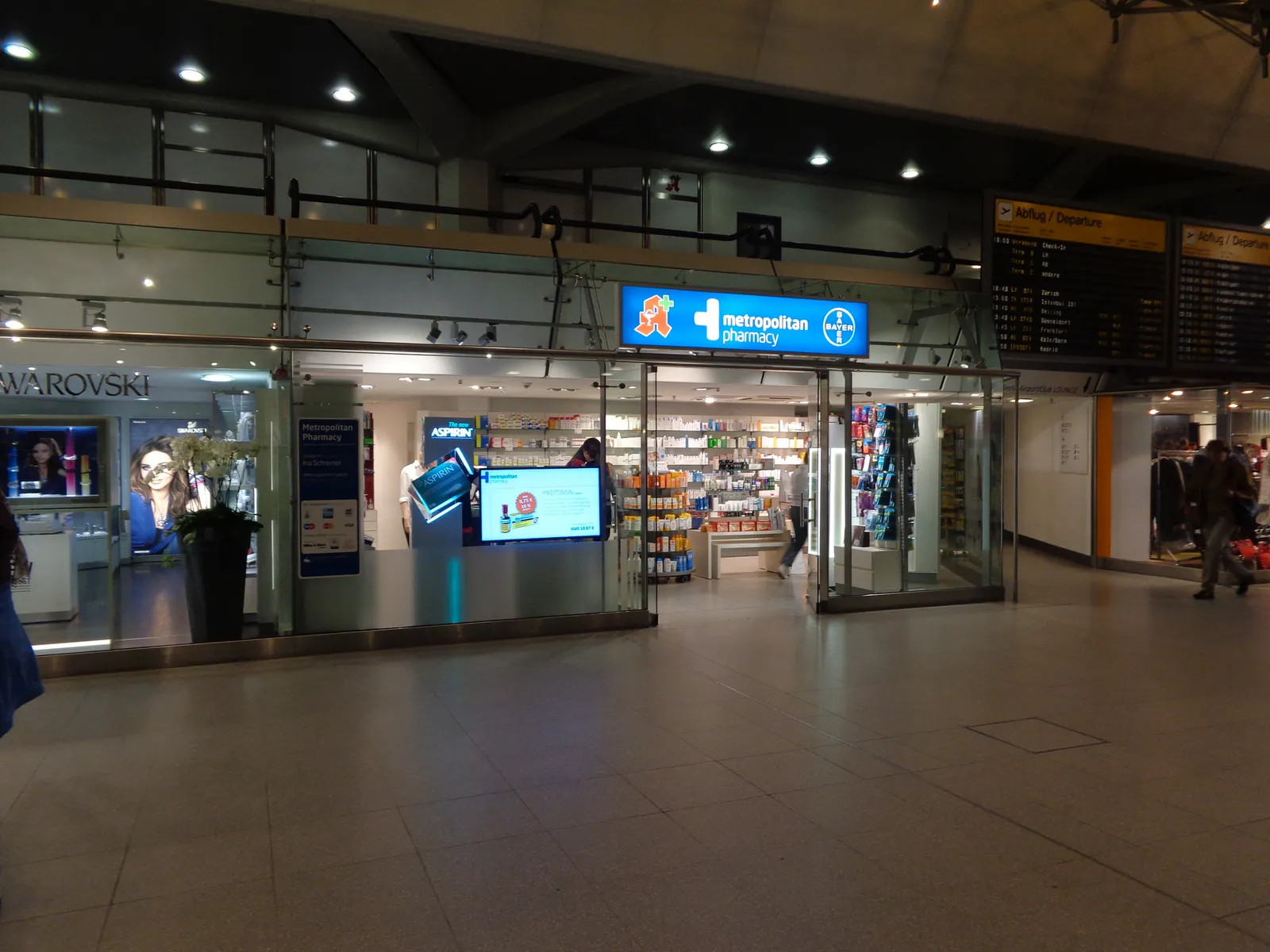
Airport pharmacy shelves are a kind of mirror. They reflect what flyers forget, what they underestimate, and what they’ve learned from previous trips. Water, pain relief, and hand sanitizer sit at one end of the spectrum. Compression socks and melatonin sit at the other, the purchases of someone who’s done this before and learned to take long-haul comfort seriously.
The steadiest sellers are items that solve a real, immediate problem. That’s worth remembering the next time you’re packing. A small investment at home beats a rushed, premium-priced grab at the gate. Though if you forget, the pharmacy staff will be there, quietly ready.
AI Disclaimer: This article was created with the assistance of AI tools and reviewed by a human editor.