

Hiding Dirt Is the Most Practical Reason
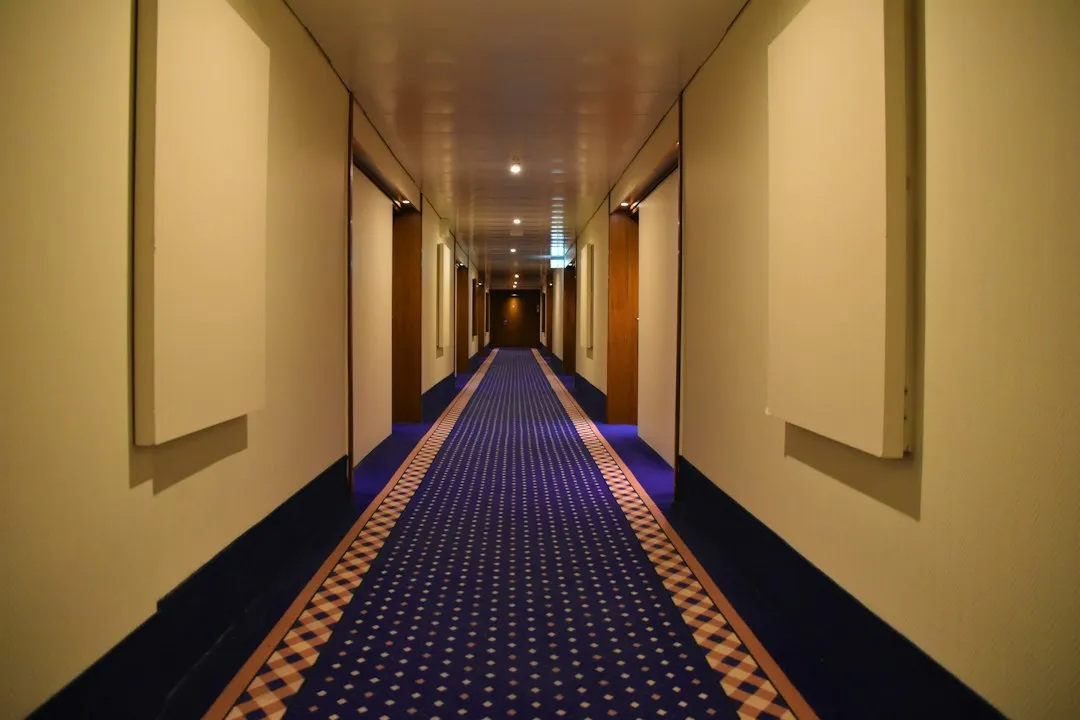
Hotels use bold, busy carpets to hide dirt, stains, and even wear from thousands of guests passing through every year. A plain carpet would quickly reveal spills, mud, or worse, forcing constant cleaning or replacement. That’s a genuinely serious operational concern when you consider how many people cycle through a single hotel in a week.
Hotel carpets often look the way they do because they are designed to obscure dirt and stains. Unlike home carpets, hotel carpets almost always carry noisy patterns with lots of color and high contrast, particularly in the corridors where stains are more readily noticeable. These designs buy hotel staff more time to clean soiled carpets and also give hotels a distinctive look.
Extending the Carpet’s Lifespan
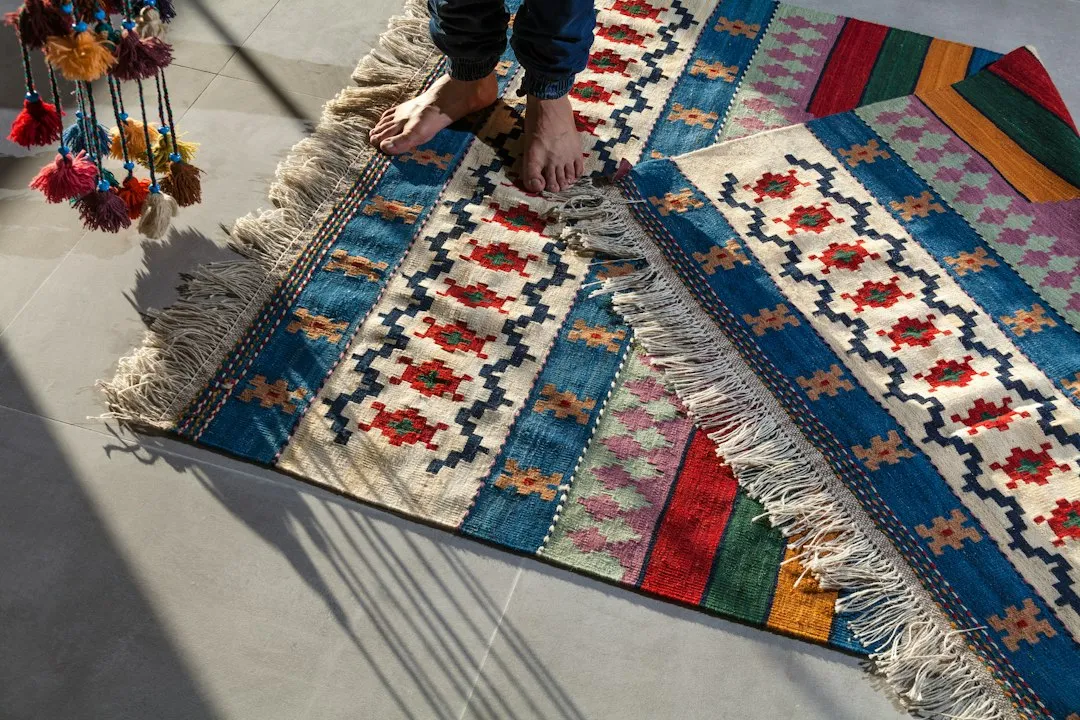
By choosing carpets with colorful, complex patterns, hotels can extend the carpet’s lifespan while keeping maintenance costs down. Essentially, the louder the design, the more it distracts the eye from what’s actually on the floor.
Stains are only the beginning. Hotel flooring sees a lot of foot traffic, and heavy wear shows up sooner on plain surfaces than on patterned ones. Replacing a hallway carpet in a large hotel is an expensive, time-consuming project. Any design choice that pushes that timeline further into the future saves real money.
The Acoustic Benefits Are Genuine
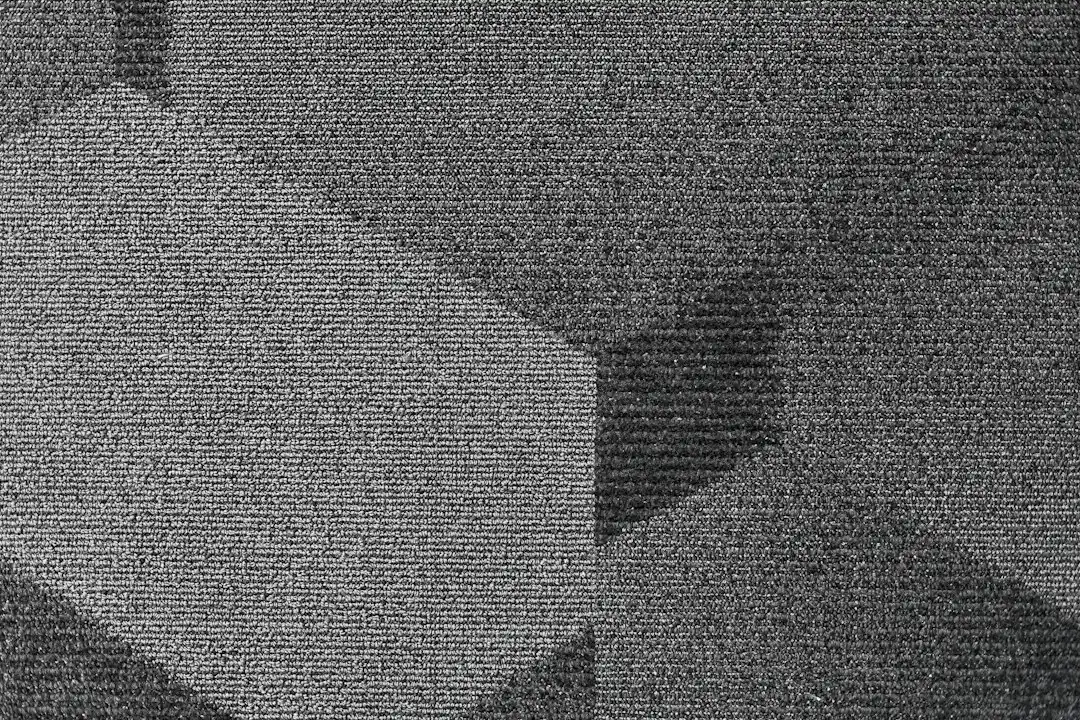
Carpets reduce noise by absorbing sound, rather than reflecting it as hard surfaces do. In a hotel hallway, this matters more than most guests realize. Thick carpets help muffle the sound of late-night arrivals and disruptive conversations.
Each footstep on carpet generates significantly less noise, preventing sound from traveling through hallways and to lower floors – an experience both hotel guests and staff greatly appreciate. The busy pattern, then, is paired with a material doing quiet but critical acoustic work underneath your feet.
Spatial Perception and How It Shapes Movement
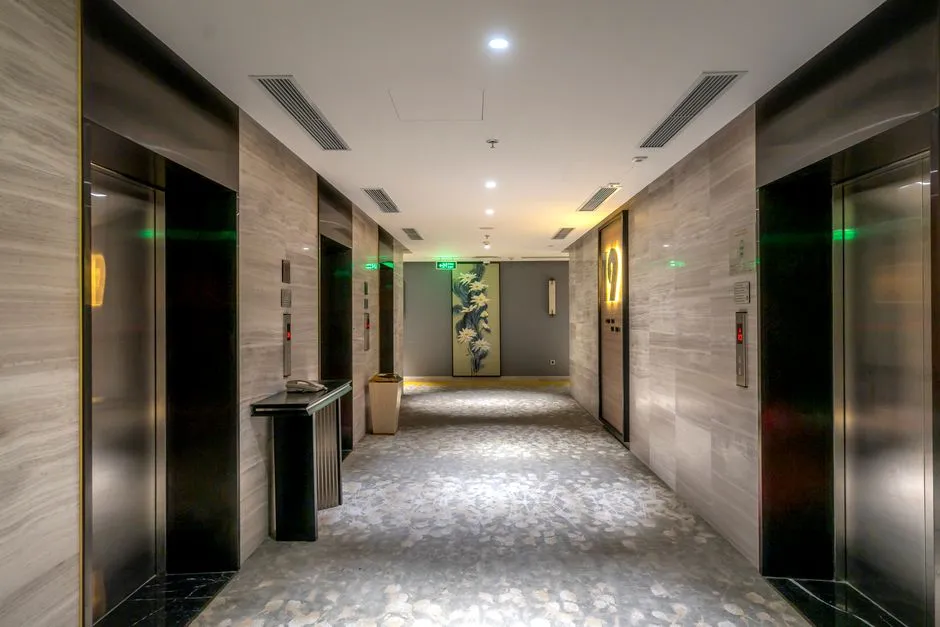
Hotel lobbies and corridors are often vast, open, or long, stretching spaces. An undivided plane of solid color in such an environment can feel disorienting or even oppressive. Patterned carpets work both to subconsciously break up the open spaces of a hotel, giving our eyes a means of working out distances and spatial flow, and obscure a multitude of sins that would otherwise be much more noticeable.
Patterns essentially give the eye something to track. In a long, featureless corridor, that sense of visual rhythm helps guests feel oriented rather than adrift in an endless tunnel of identical doors.
The Psychology Behind the Design
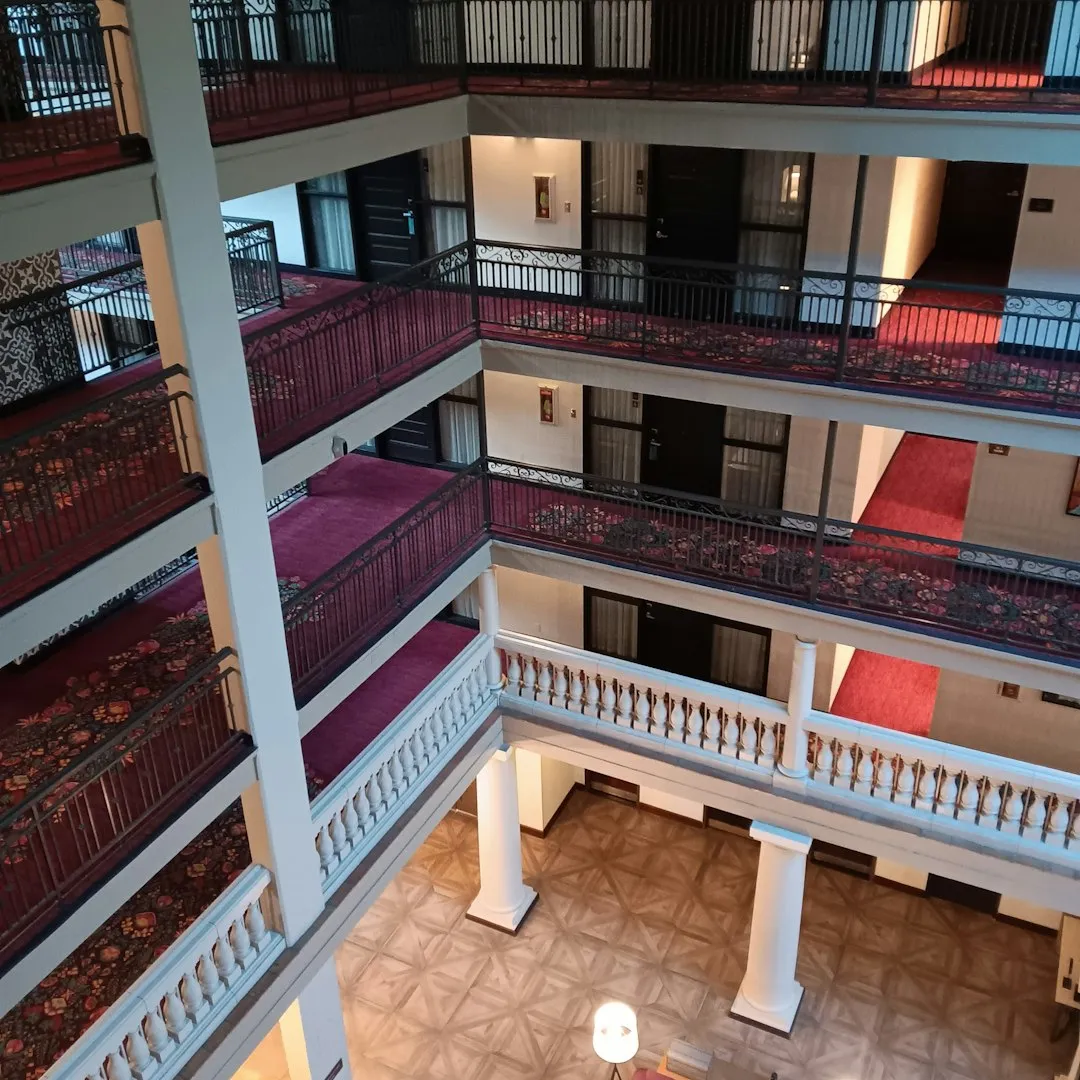
Hotel carpets often feature busy patterns, darker tones, and textured designs for practical psychological reasons. Complex patterns hide stains, dirt, and heavy foot traffic better than plain carpeting. This helps spaces appear cleaner during busy periods.
Softer, flowing carpet designs create calmer environments, while casinos and entertainment spaces may use brighter or more energetic patterns to stimulate activity and movement. Hotels, by contrast, tend to choose patterns that feel active without being agitating – busy enough to hide dirt, but not so intense that guests feel unsettled during what should be a calm walk to their room.
Branding Woven into the Floor
Hotel carpets often incorporate the hotel’s logo or branding in repeating designs, and this is part of the reason they look the way they do. The carpet is, in a very literal sense, a branding surface. With options ranging from intricate patterns to elegant neutrals, carpets can be customized to reflect the unique brand identity and ambiance of the hotel, contributing to an inviting and cohesive guest experience.
The Press Hotel in Portland, Maine, uses its carpeting as an extension of its story. Set in the 1923 building that once housed the Portland Press Herald, the Press Hotel runs old headlines across its corridor walls, and the type tumbles downward and spills onto the carpet, where a scatter of loose letters covers the floor. That’s a striking example of carpet doing real storytelling work.
Durability Engineering Behind the Scenes
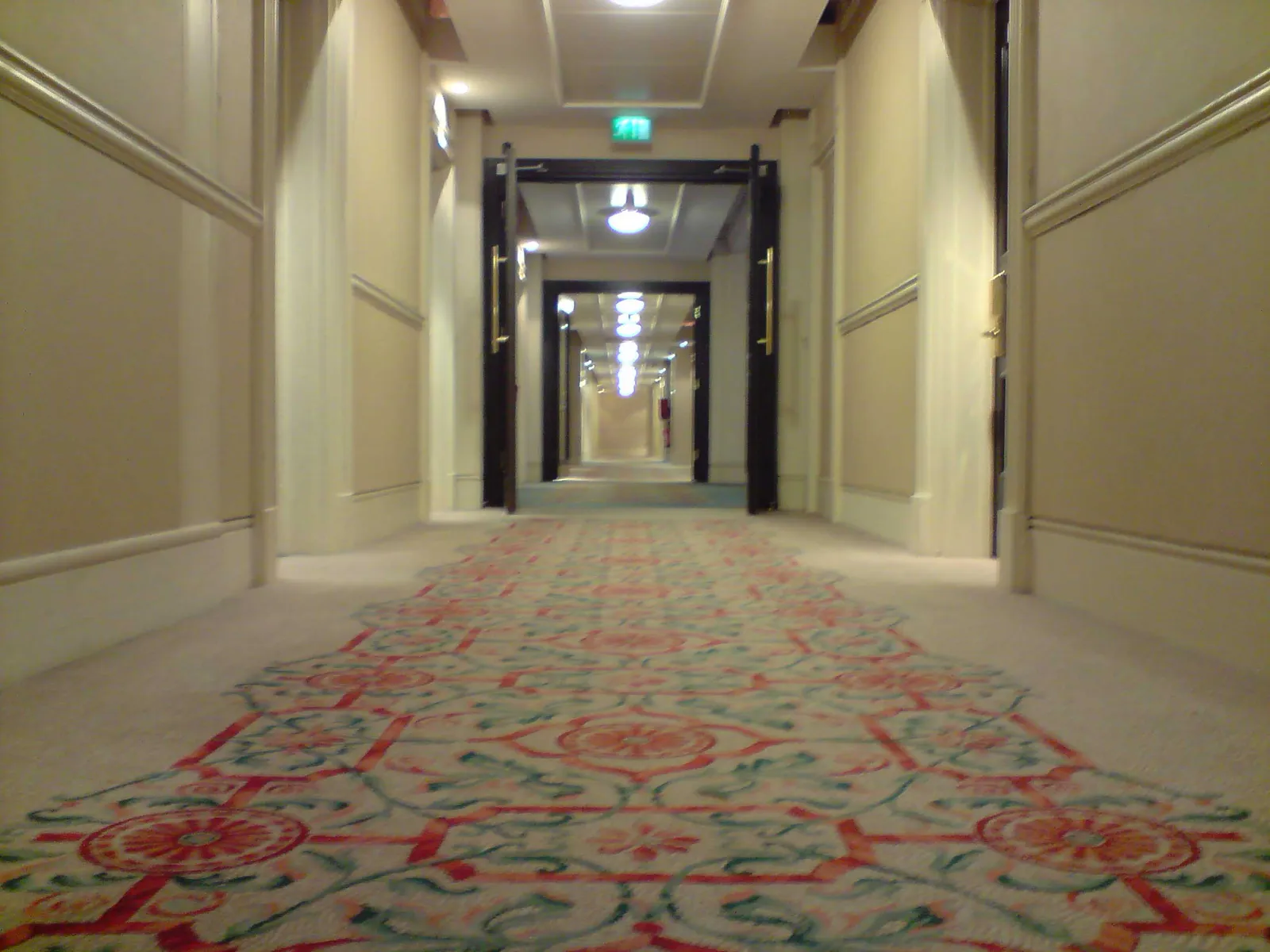
Broadloom carpet remains a preferred flooring system for hotel corridors because it minimizes seams, supports patterned design, and performs well under heavy hallway traffic. The construction isn’t an afterthought. The corridor is the workhorse zone. It runs heavy, continuous traffic in a narrow lane, plus luggage wheels and housekeeping carts, and it never closes. Corridors call for a heavy face weight, level loop or low cut-and-loop construction, solution-dyed nylon, and a mid-scale pattern that hides soil between vacuum cycles.
The pattern and the material work in concert. A bold geometric print on a flimsy weave wouldn’t last a season in a busy hotel hallway. The visual complexity is matched by an equally demanding physical construction.
Why Short Pile Matters Too
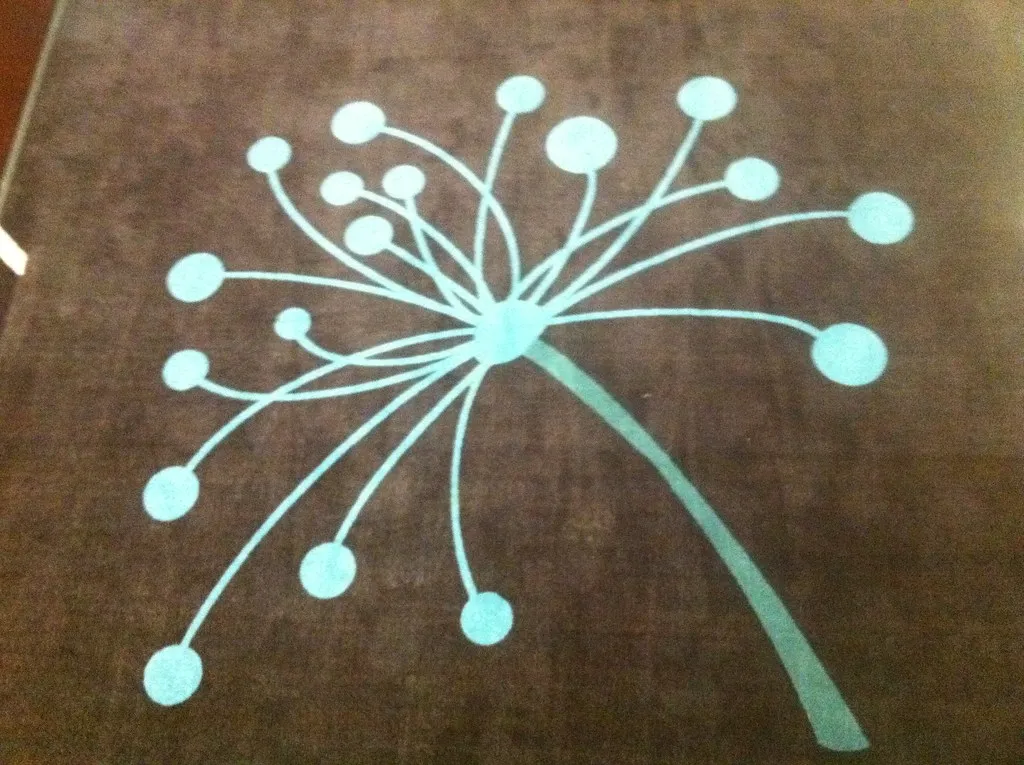
Hotel carpets usually have shorter piles – the layer of fibers you actually touch – to make for easier cleaning. If a carpet’s pile is too tall, glass or other debris can be difficult to remove from the fibers, and that debris can damage the carpet.
What makes hotel carpets feel especially different is their density. They generally pack more yarn per square inch. A denser, shorter pile holds up to luggage wheels and constant foot traffic far better than the softer carpets found in homes. The busy visual pattern, layered on top of that dense construction, makes for a floor that performs under pressure.
The Standardization Effect
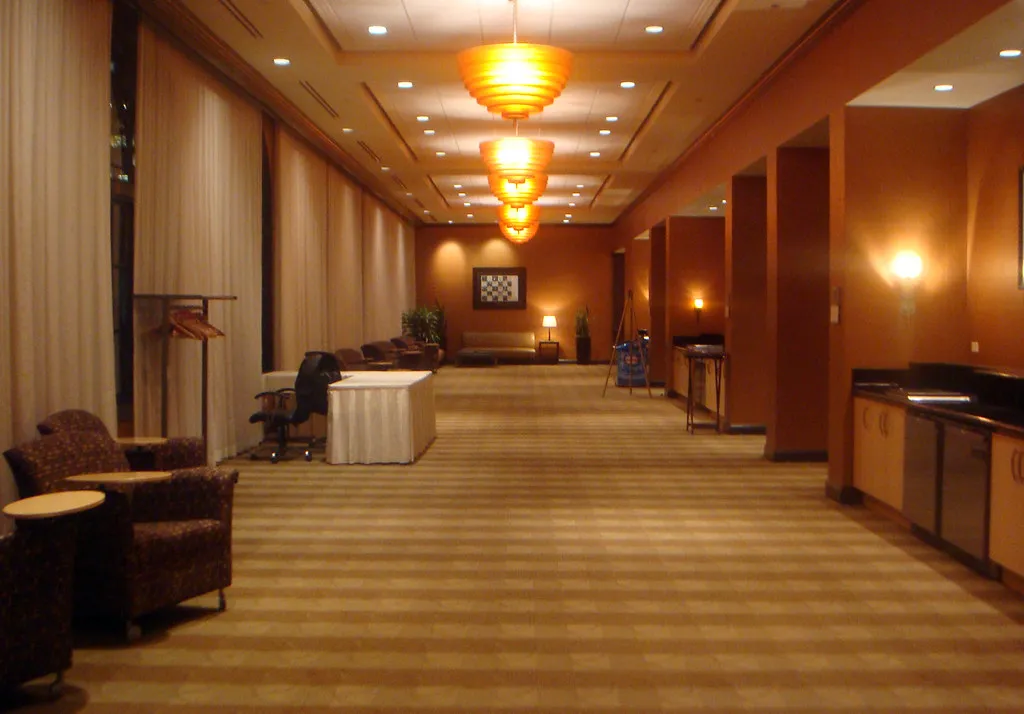
No matter where you are in the world, if you’re staying in any sort of large hotel chain, the hallways are likely to look almost exactly the same. It’s easy to picture if you’ve been to even one: dreary patterned carpet, an endless series of nearly identical doors, and perhaps some unassuming art or mirrors along the way.
The carpets we see in hotel hallways are often anything but calming, and sometimes the patterns can get a bit out of hand, particularly in older hotel chains. This actually has more to do with cleanliness than anything else, as a busy pattern better disguises stains and dirt and makes cleaning less of an urgent task for hotel staff. Chain hotels also benefit from ordering at scale, which makes it financially efficient to specify the same carpet across dozens of properties.
Where Hotel Carpet Design Is Heading in 2025 and 2026
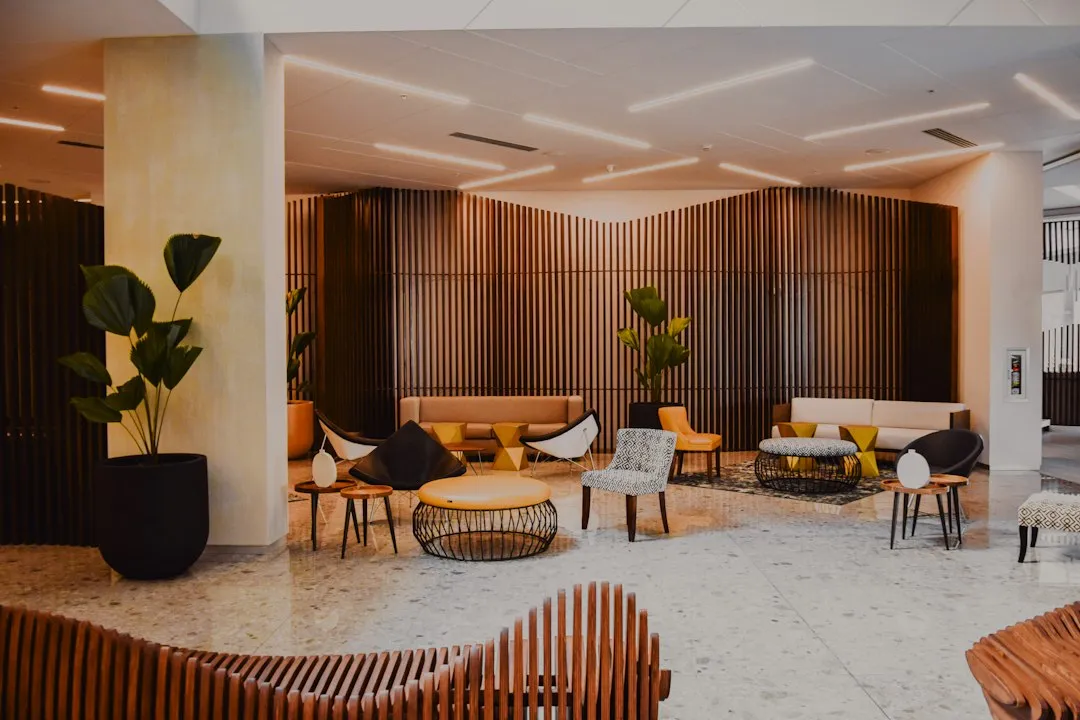
Hotel carpet design has evolved significantly in recent years as hospitality brands focus more heavily on guest experience, luxury atmosphere, acoustic comfort, and visual storytelling. The busy pattern isn’t disappearing, but it’s becoming more intentional. The 2024 HD Expo showcased nature-inspired, wellness-forward collections like Milliken’s water-themed carpets and Mohawk’s carbon-neutral ReBloom range.
In 2025, the right hospitality carpet does more than absorb foot traffic – it sets the tone for comfort, brand identity, acoustics, and safety. Biophilic motifs, sustainable fibers, and acoustically engineered backings are increasingly part of the conversation alongside the traditional swirls and florals. The loud pattern isn’t going away; it’s just picking up a few new responsibilities.
The Takeaway
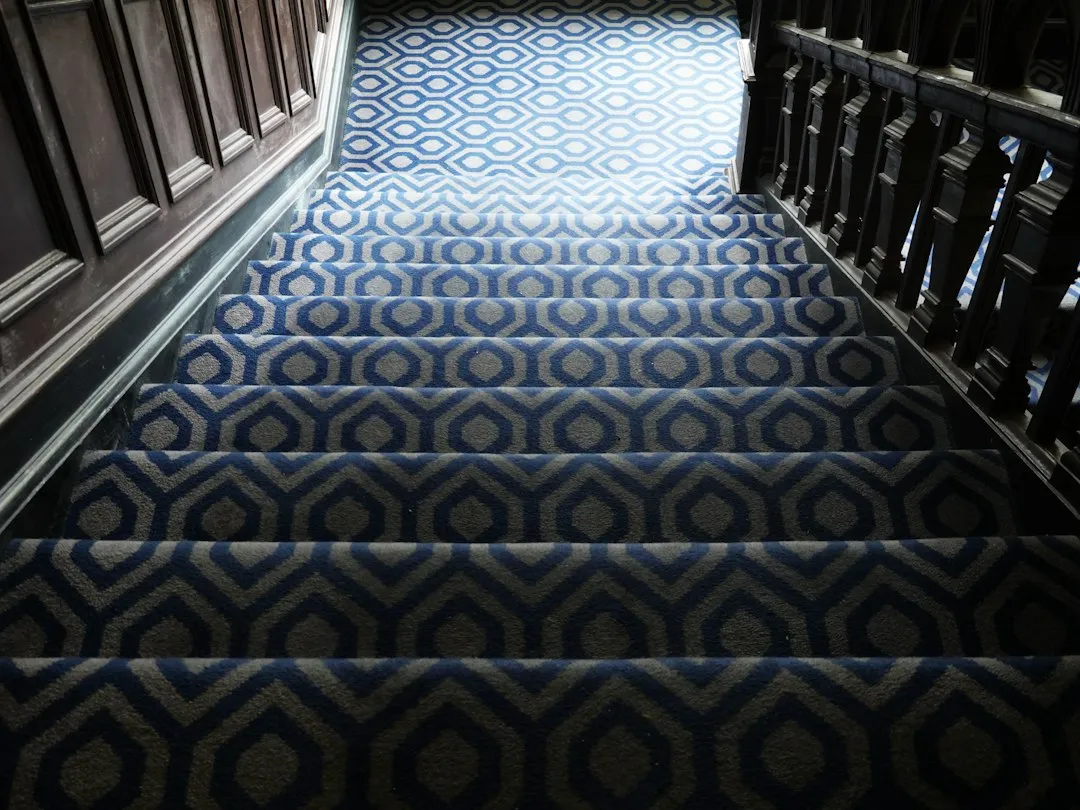
That explosion of color under your feet is doing a great deal of work. It’s hiding last Tuesday’s spilled coffee, muffling the sound of a rolling suitcase at midnight, reinforcing the hotel’s visual identity, and quietly helping management defer a costly replacement for another few years.
What looks like a chaotic design decision is, in practice, a carefully calibrated one. The next time you step off an elevator and onto a sea of overlapping medallions and tangled geometry, you can walk across it with a slightly different kind of appreciation – even if you still wouldn’t put it in your living room.
AI Disclaimer: This article was created with the assistance of AI tools and reviewed by a human editor.