

The Problem Is Real and Measurable
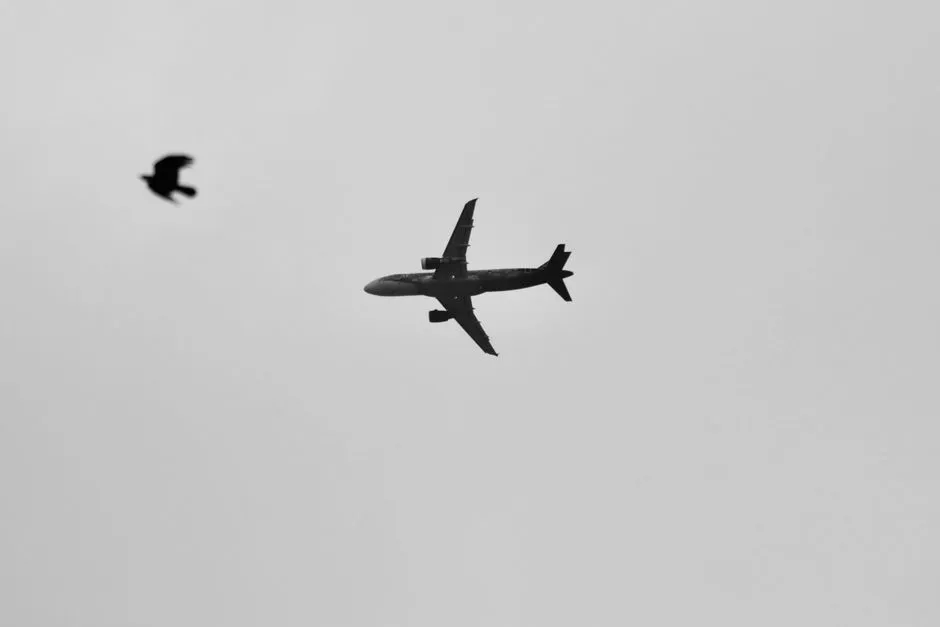
Bird strikes occur approximately 14,000 times per year in the United States alone, and far more globally. That number is not a rare edge case. It is a steady, predictable feature of operating aircraft in shared airspace, particularly around airports where food, water, and shelter attract wildlife.
The projected costs for civil aircraft in the USA have averaged about $272 million per year from 1990 to 2025. Globally, bird strikes are estimated to cost at least $1 billion in damage annually to commercial aircraft worldwide. Those figures make the engineering problem worth solving at almost any cost.
Wings and engines are the components most frequently damaged by bird strikes, each accounting for roughly a quarter of all damaged aircraft components from 1990 to 2023. An engine is not just expensive to repair. Its failure mid-flight carries consequences that no other damaged component does.
What Actually Happens When a Bird Hits an Engine
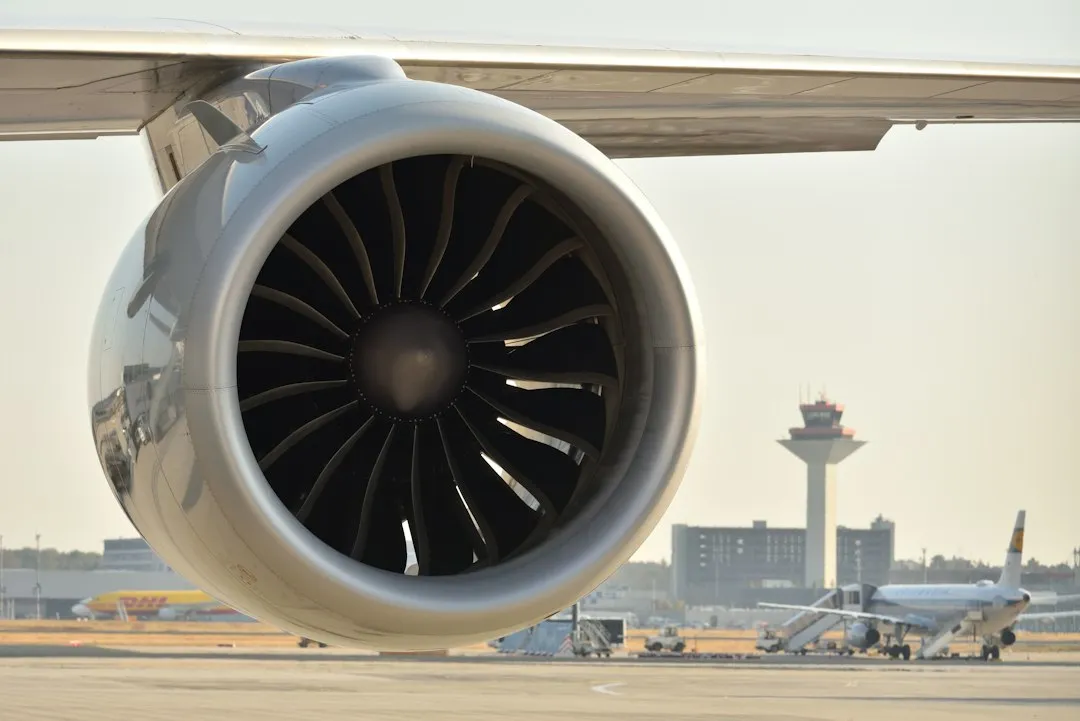
A bird ingested by a jet engine can break the engine’s compressor blades, potentially causing catastrophic damage. The mechanism is straightforward physics. The fan spins at enormous speed, and the kinetic energy released on impact is far greater than the bird’s weight would suggest.
Depending on the bird’s size relative to the engine, the impact can bend or break fan blades, disrupt airflow, and in severe cases cause the engine to surge, lose power, or shut down. In a twin-engine airliner, losing one engine is survivable by design. Losing both simultaneously is a different matter entirely.
The rare catastrophic scenarios involve multiple large birds ingested into both engines simultaneously. This is exactly what happened when an Airbus A320 struck a flock of Canada geese shortly after takeoff from LaGuardia Airport, causing dual engine failure. That event, known as “Miracle on the Hudson,” became a defining moment in public awareness of just how serious bird strikes can be.
The Chicken Gun: What It Is and Where It Came From

A chicken gun, or flight impact simulator, is a large-diameter compressed-air gun used to fire bird carcasses at aircraft components in order to simulate high-speed bird strikes. Although various species of bird are used in aircraft testing and certification, the device acquired the common name of “chicken gun” as chickens are the most commonly used ammunition owing to their ready availability.
The chicken gun is a compressed-air cannon used to rocket dead birds into aircraft engines for testing, first used in the mid-1950s, designed to simulate high-speed bird strikes using whole, dead, standard-size chickens. It has remained the standard method with refinements ever since.
The chicken gun has been around since at least 1972 in its modern form, used for the “chicken ingestion test,” one of a series of stress tests required by the Federal Aviation Administration before a new jet engine design can be certified. Some sources trace an even earlier prototype to the 1940s. The fundamental method has not changed dramatically, which is itself a testament to how well it works.
How the Test Is Actually Conducted
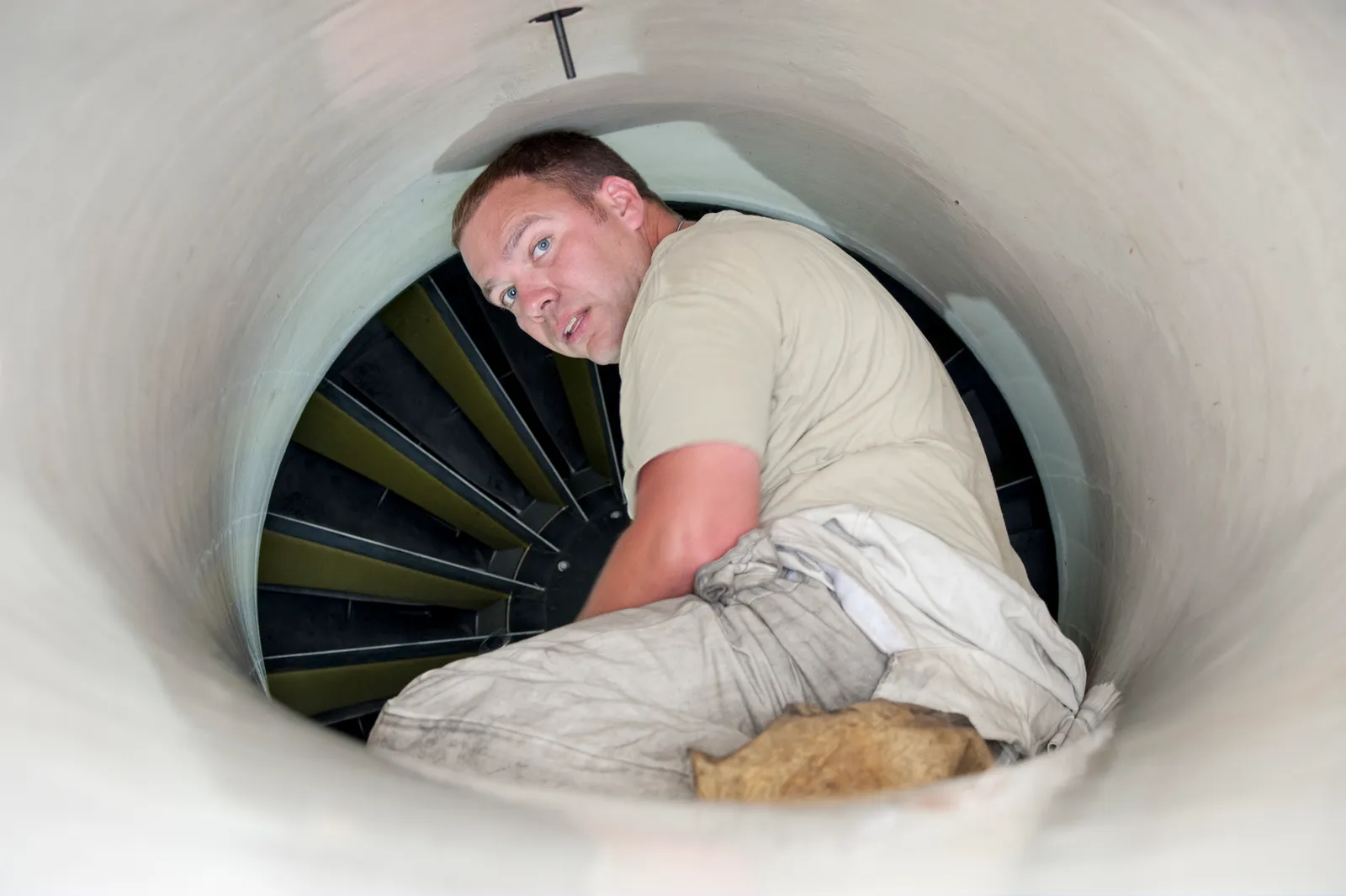
New commercial jet engines must be tested by firing whole birds directly into running engines. Engineers use a pneumatic cannon to launch chicken carcasses at a running engine at 200 to 300 mph. The engine must survive the impact, contain the debris, and maintain enough thrust to continue flight.
The bird carcass is placed in a lightweight foam sabot inside the barrel, oriented so it will strike the target in a specific attitude. The angle, speed, and point of impact are all controlled variables. The FAA does not specify the species of bird that should be used for testing, but does state that the birds should not be frozen, as this would not accurately reflect the reality of a strike.
The tests take place in a concrete building large enough to enclose an entire jet engine. Given their complexity and the expertise required to operate them, an aircraft manufacturer will typically contract with a facility that operates a gun to perform a test against a given standard.
The Regulatory Framework Behind the Test
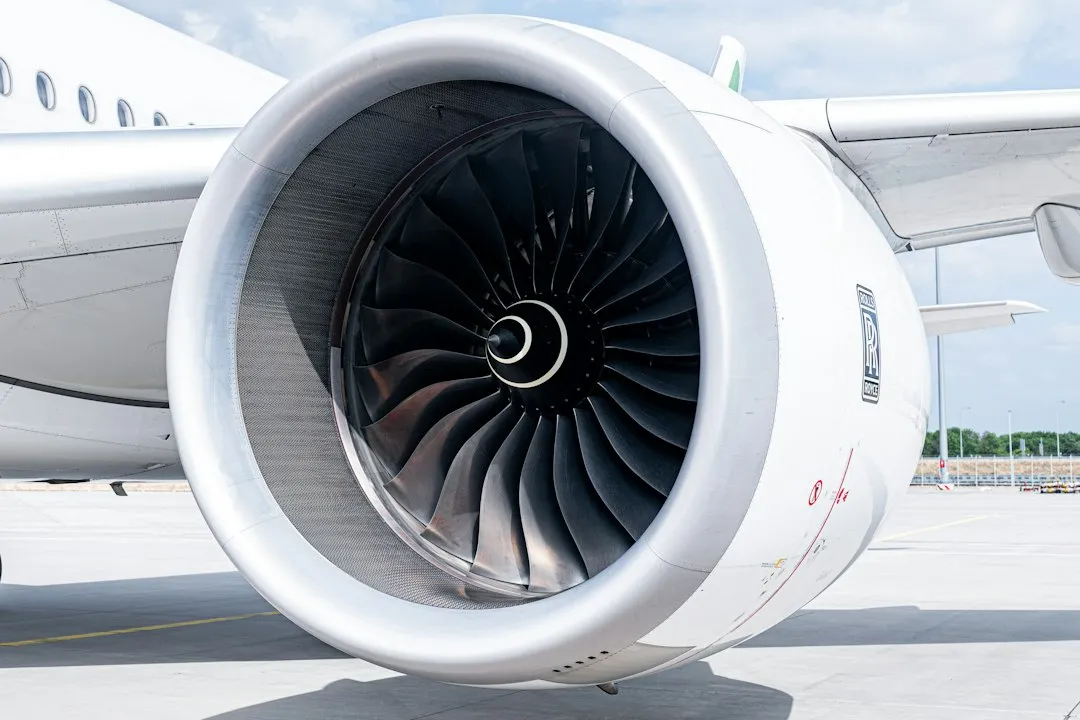
In the US, the Federal Aviation Administration sets baseline requirements under 14 CFR Part 33, while the European Union Aviation Safety Agency enforces equivalent certification criteria through CS-E standards. Both regulators require bird ingestion testing before any commercial engine can be certified for passenger service.
Within this framework, Part 33.76 and Advisory Circular 33.76-1B set out strict parameters for bird ingestion testing. Certification testing targets particular parameters by bird type, weight, and test case. Medium bird tests, involving birds of approximately 1.15 kg and up to seven ingestions, require the engine to produce at least 20 minutes of usable thrust.
Regulators specify that an engine’s performance after a bird strike must exhibit controlled thrust reduction, steady run, and no uncontained failure. That last requirement is critical. The engine can fail. Its pieces cannot fly outward and destroy the aircraft around it.
What the Engine Must Survive
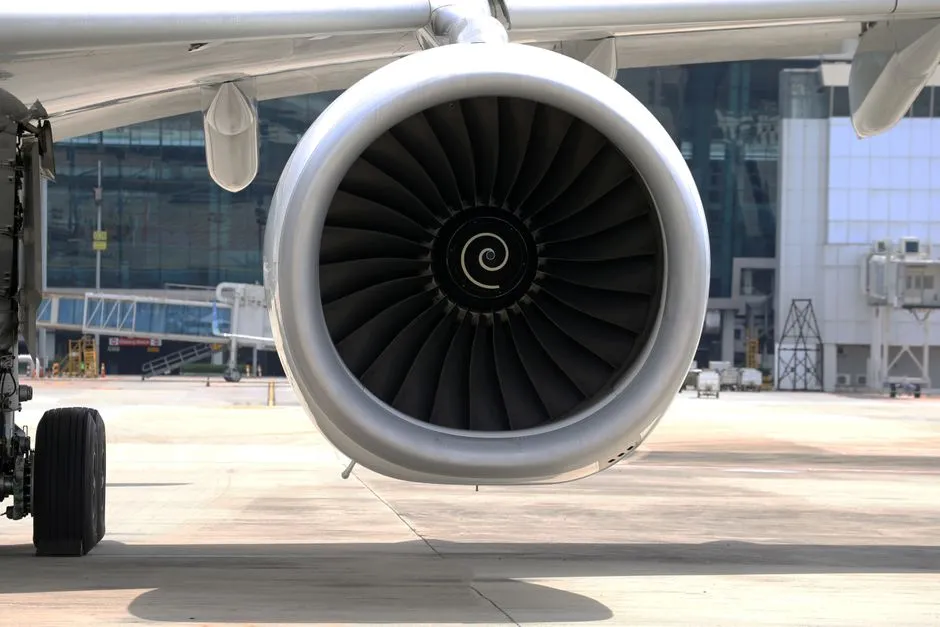
Jet engines are designed and certified to survive ingesting a 2.5-pound bird at full power without catastrophic failure. That is roughly the weight of a large duck. The test is graduated: smaller flocking birds, medium birds, and a single large bird each represent a distinct scenario with different pass-fail criteria.
Under small and medium flocking bird requirements, multiple birds target critical areas including the core flow path and fan blade tips. The engine needs to absorb the impacts, avoid automatic flameout, and continue producing the required thrust for at least 20 minutes to enable a safe emergency landing.
The engine does not have to remain functional after the test, but it must not cause significant damage to the rest of the aircraft. If the bird strike causes it to throw a blade, that must not result in the loss of the aircraft. It is a deliberately practical standard rooted in what pilots actually need to survive a worst-case encounter.
Why Chickens Specifically
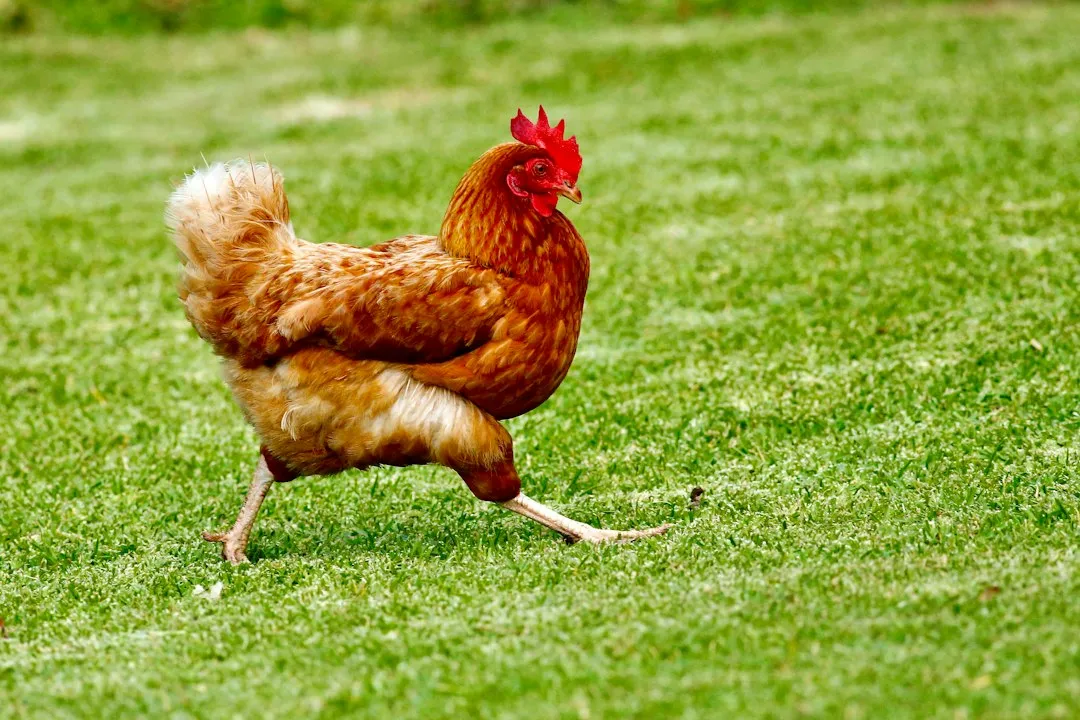
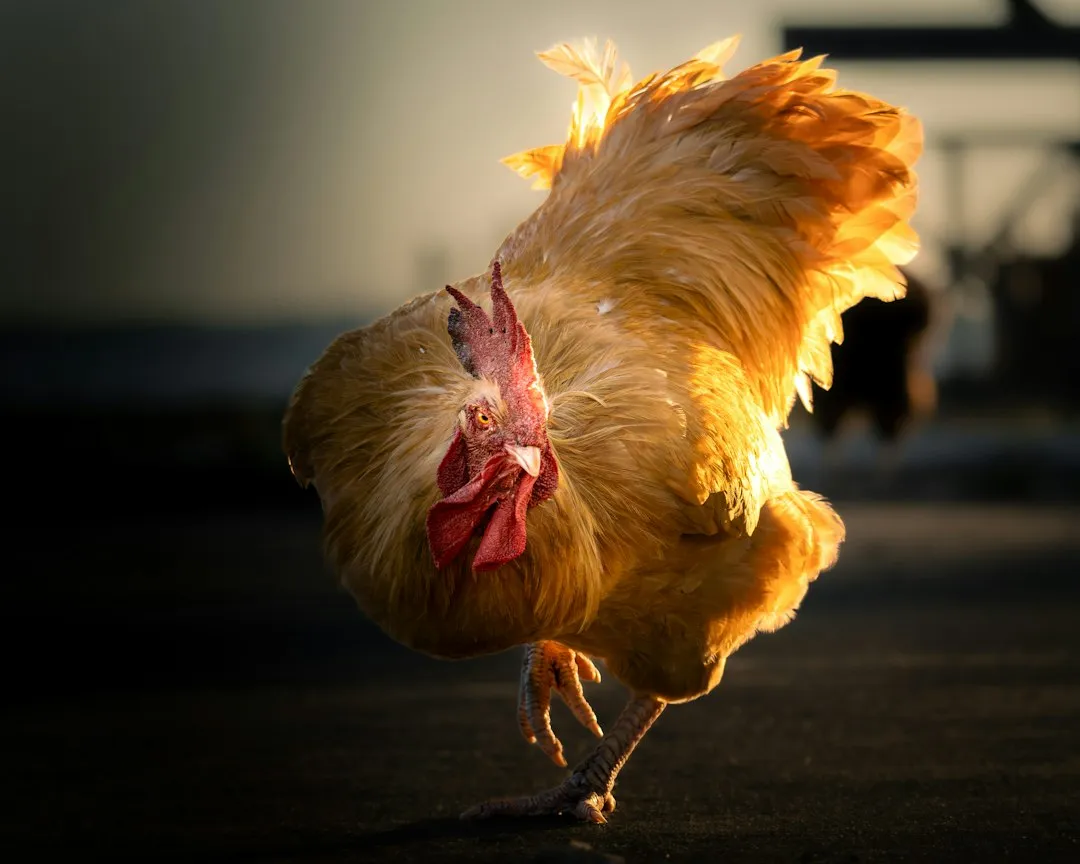
The use of poultry rather than wild birds is partly about logistics. Chickens are commercially available, consistent in size and weight, and can be procured in standardized form year-round. A Canada goose or a vulture is not something you can simply order in bulk for a testing program.
The “chicken test,” as it is widely known, although any four-pound bird will do, is but one of a series of bird-ingestion tests any new engine must pass before the FAA will certify it. The chicken serves as a reproducible stand-in for wild species of comparable mass. Consistency is the point: without it, comparing results across tests and engine designs becomes unreliable.
In the tests, chickens stand in for other species of a similar mass, such as ducks. The test is not trying to replicate every possible wild bird. It is trying to establish a reliable, repeatable threshold. That is a meaningful distinction in engineering terms.
The Cannon Also Tests Windshields
The chicken gun is used to test windshields as well. Cockpit windows face the same hazard as engines, and the consequences of a windshield shattering at altitude are severe. The same cannon, same carcasses, same physics, applied to a different part of the aircraft.
During certification testing, a four-pound chicken was fired at the aircraft’s cockpit roof at 360 knots, approximately 670 kilometres per hour. Subsequent testing established that laminated panels made of glass interleaved with polyvinyl chloride sheets were substantially more resistant to bird impact. That discovery came directly from chicken gun testing and led to the multilayer cockpit glazing used on commercial aircraft today.
The AEDC’s chicken gun range played an instrumental role in developing the ASTM F330 specification: Standard Test Method for Bird Impact Testing of Aerospace Transparent Enclosures. What started as a jet engine test ended up reshaping cockpit design for an entire industry.
The Limitations Engineers Are Honest About

Real bird strikes frequently involve multiple birds hitting different parts of the aircraft simultaneously, which the standard test protocols simulate only imperfectly. A single bird launched from a cannon into a mounted engine does not fully replicate the chaos of a flock encounter during takeoff. Engineers know this.
Bird-strike tests can be read as a delicate bargain between representativeness and practicality. Perfect replication of every real-world scenario is not possible in a controlled test environment. The goal is to establish a defensible minimum standard, not to eliminate all conceivable risk.
Despite the rigorous nature of ground trials, operational experience sometimes reveals edge-case failure modes that laboratory testing did not fully anticipate. That is true of every engineering certification process, not just bird ingestion testing. The data from real-world strikes feeds back into regulatory review, which is how the standards evolve over time.
Eighty Years of Evidence That It Works

The chicken gun has, on the accumulated evidence of eighty years of use, functioned as a broadly effective means of catching structural vulnerabilities before they enter service. The commercial aviation industry has one of the strongest safety records of any form of mass transport, and bird ingestion testing is a meaningful part of the reason why.
The bird strike test is one element of a larger engine qualification process, including endurance, ice, water, and debris ingestion tests, all of which aim to test the engine’s durability in a range of operating stresses. The chicken cannon is the most colorful part of that process. It is not the only part.
Modern engines are certified to survive bird strikes of specified severity, and aircraft are designed so that a single engine loss does not prevent safe flight and landing. The chicken gun is, in the specific sense in which engineering practice is judged, a working solution to a problem that has no other tractable solution.
The Quiet Logic of an Absurd-Looking Test
AI Disclaimer: This article was created with the assistance of AI tools and reviewed by a human editor.