
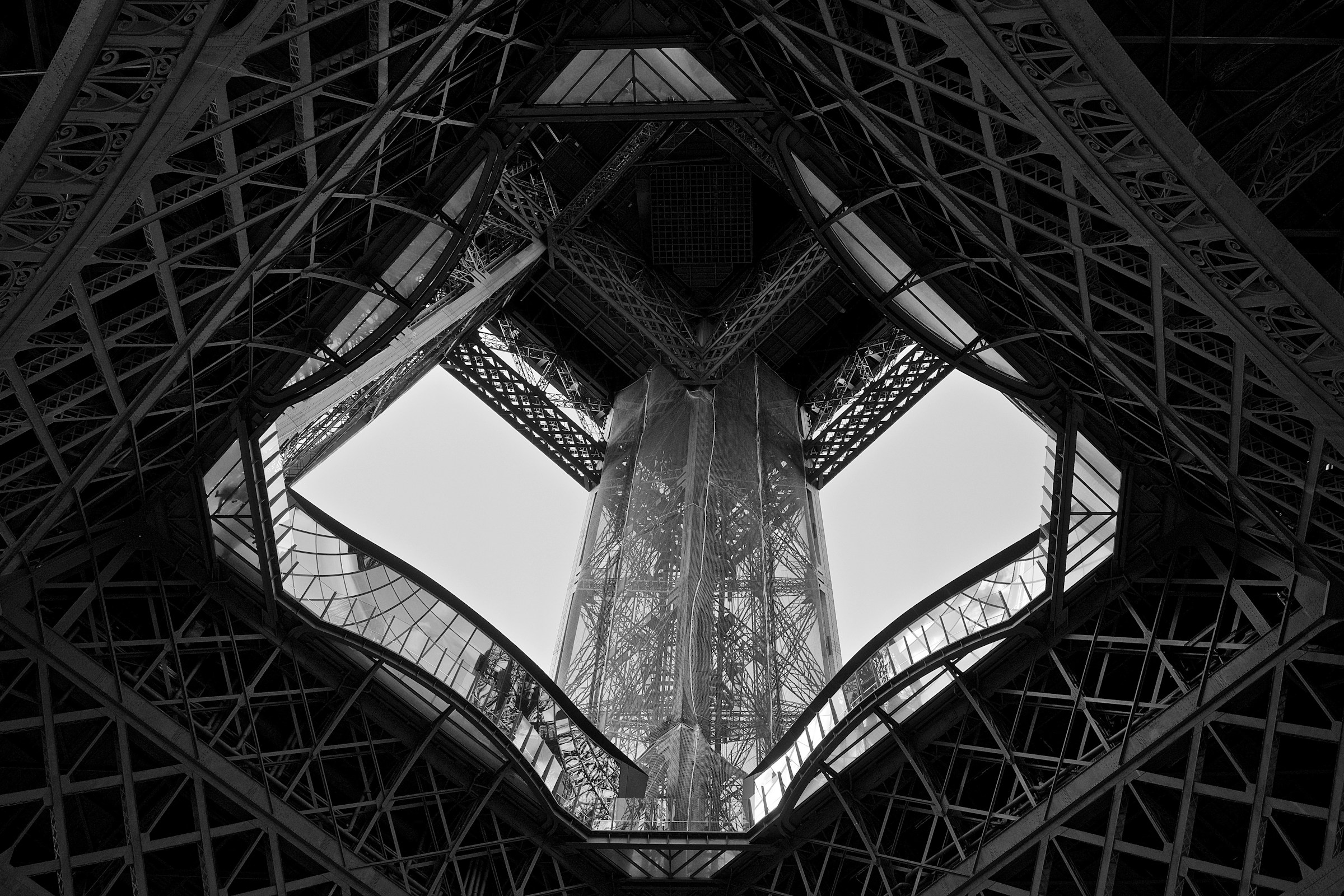

Most visitors to Paris spend their time on the Eiffel Tower’s observation decks, scanning the rooftops of the city from dizzying heights. They photograph the Seine, locate the dome of Sacré-Cœur in the distance, and move on. Very few of them look up one more floor.
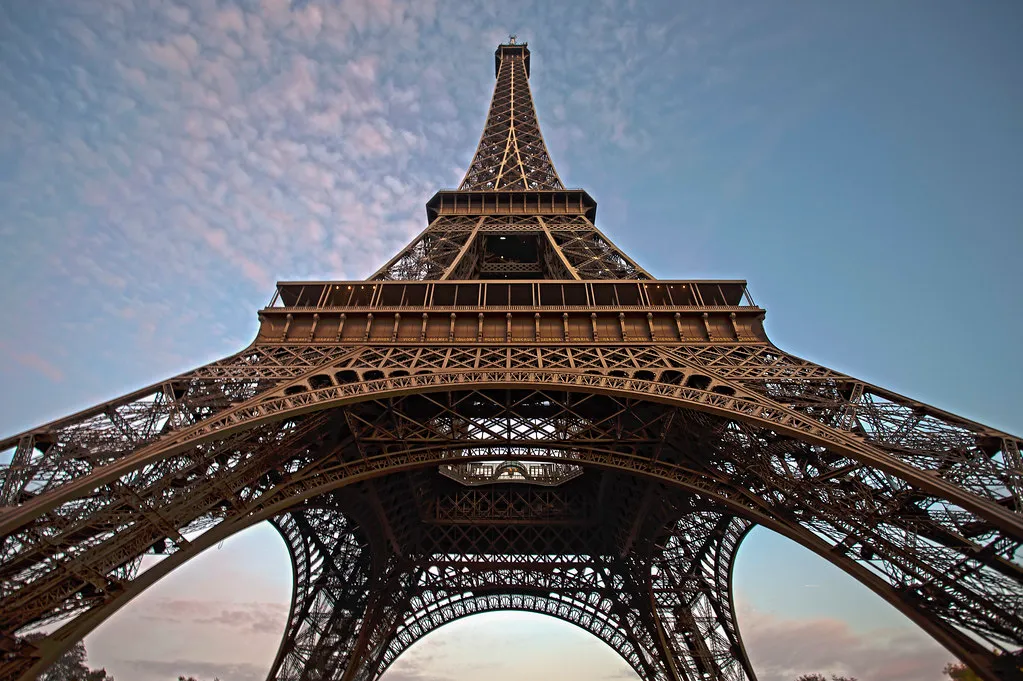
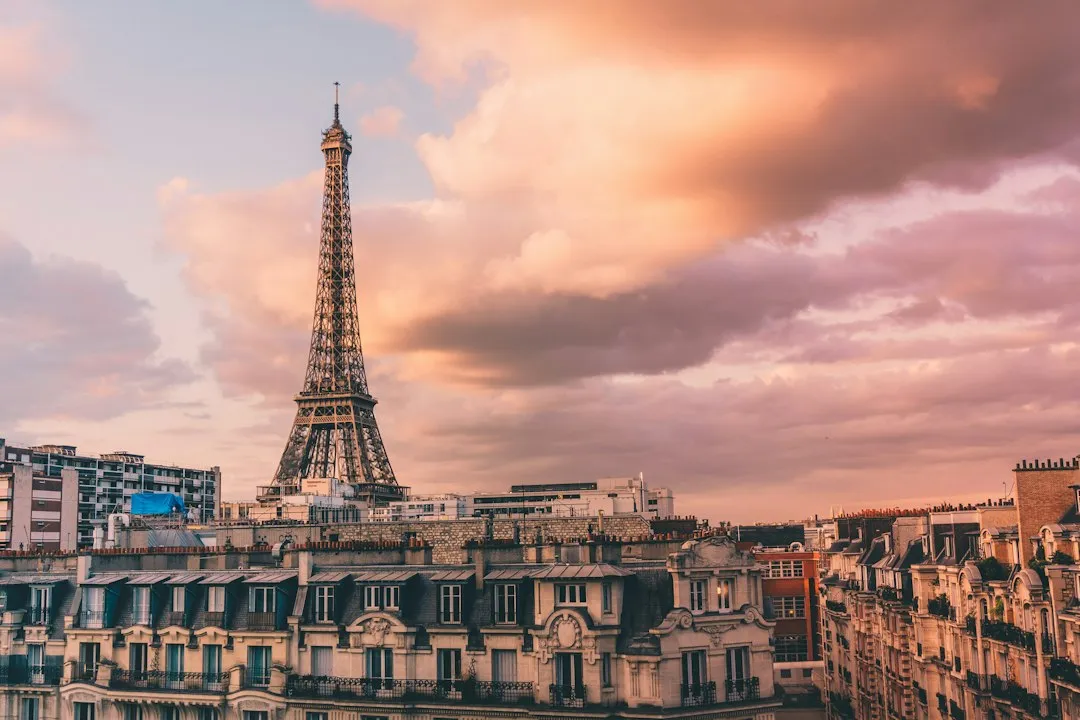
Tucked directly above the main third-level observation deck, accessible to the public only as a view through a pane of glass, is one of Paris’s most quietly compelling spaces: the private apartment that Gustave Eiffel built for himself at the very summit of his iron tower. It’s been there since 1889, hiding in plain sight on the most visited paid monument on earth.
A Space Built Into the Blueprint from the Start
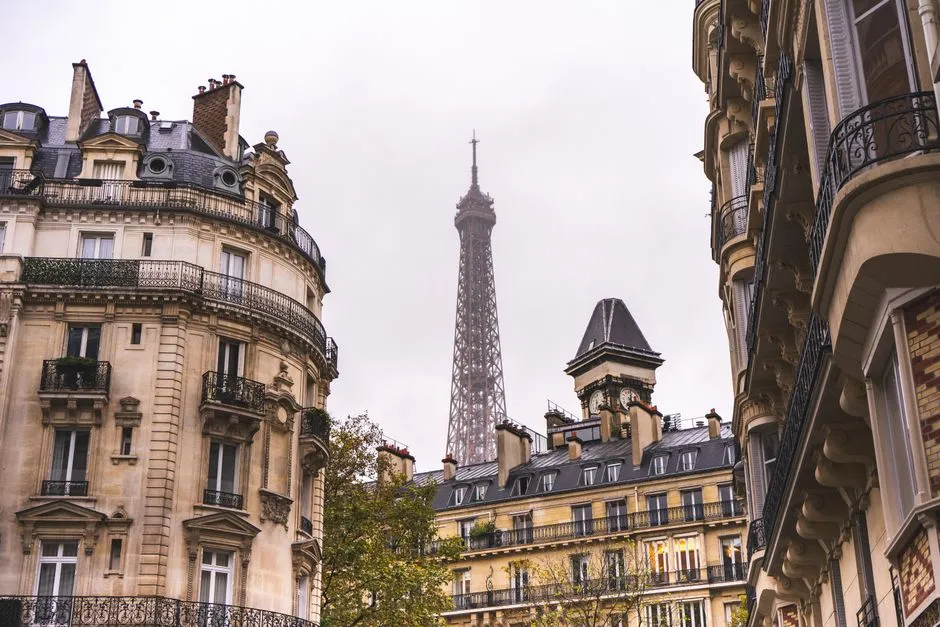
When the designs for the Eiffel Tower were completed, Eiffel had included plans for a roughly 1,000-square-foot dwelling, exclusively for his own private access, to be built on the tower’s very top floor. This wasn’t an afterthought or a late addition. It was part of the original architectural vision, drawn up alongside the iron lattice girders and the elevator shafts.
It was designed by Gustave Eiffel as a private space for himself to entertain notable guests and perform scientific experiments. The apartment sat directly above the level open to the paying public, creating a quiet vertical divide between the crowd and its architect.
What the Apartment Actually Looked Like
In contrast to the cool modern aesthetic wrought in iron throughout the rest of the Tower, Eiffel’s apartment was decorated in a simple but comfortably bourgeois style, with velvet cushioned chairs, wooden tables and cabinets, and colorfully patterned wallpaper. The effect must have been genuinely striking, stepping from cold industrial steel into something that felt like an upscale Parisian sitting room.
In Eiffel’s time, the small room was filled with wooden furniture, colorful wallpaper, and a grand piano. The apartment also had a small laboratory area, where the designer installed the most advanced scientific equipment of the era. Around 1,000 feet above Paris’s streets, the apartment was complete with a bathroom and a kitchen.
Why Eiffel Wanted It There
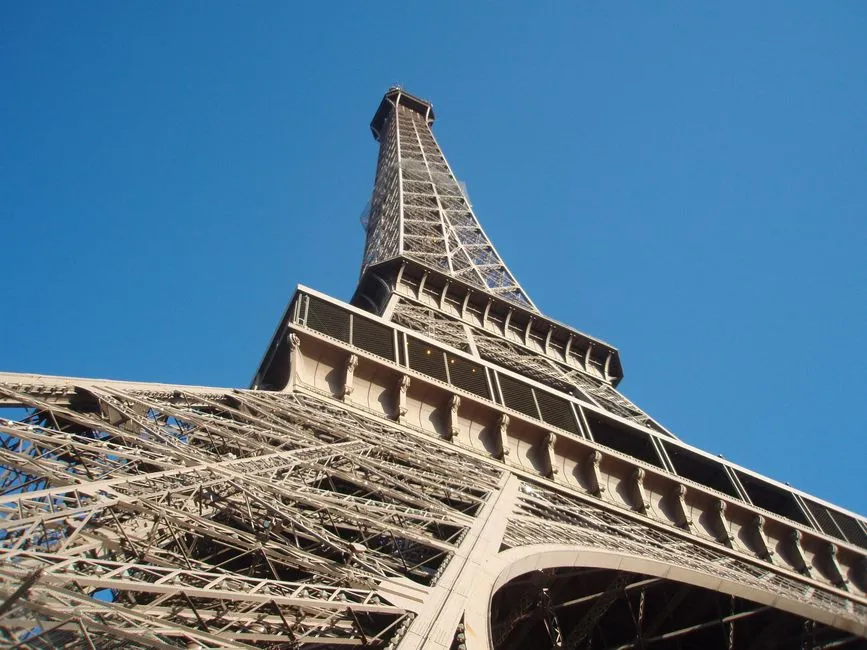
A private apartment was built at the top of the tower so that Gustave Eiffel could work without being disturbed. For a man overseeing one of the largest and most scrutinized engineering projects of the nineteenth century, that kind of solitude had real practical value.
Eiffel also saw the apartment as the perfect setting for hosting esteemed guests and discussing ideas with fellow scientists and engineers. The apartment was the lowest of a series of platforms that reached the uppermost sections of the tower, which Eiffel used for atmospheric and astronomical experiments. In that sense, the apartment was never purely domestic. It was a working retreat.
The Envy of an Entire City
Discovered shortly after the tower’s construction, the apartment was coveted by the Parisian elite. Eiffel’s apartment was considered among the city’s most valuable addresses, with many offering the architect hefty sums to spend a single night enjoying panoramic views of Paris.
Eiffel was reportedly flooded with offers of huge sums to rent the place for even a single night, and he turned every one of them down. There’s a certain satisfaction in that detail. The same Parisian high society that had ridiculed the tower as an eyesore before its construction was now begging for a single evening inside it.
Thomas Edison on the Top Floor
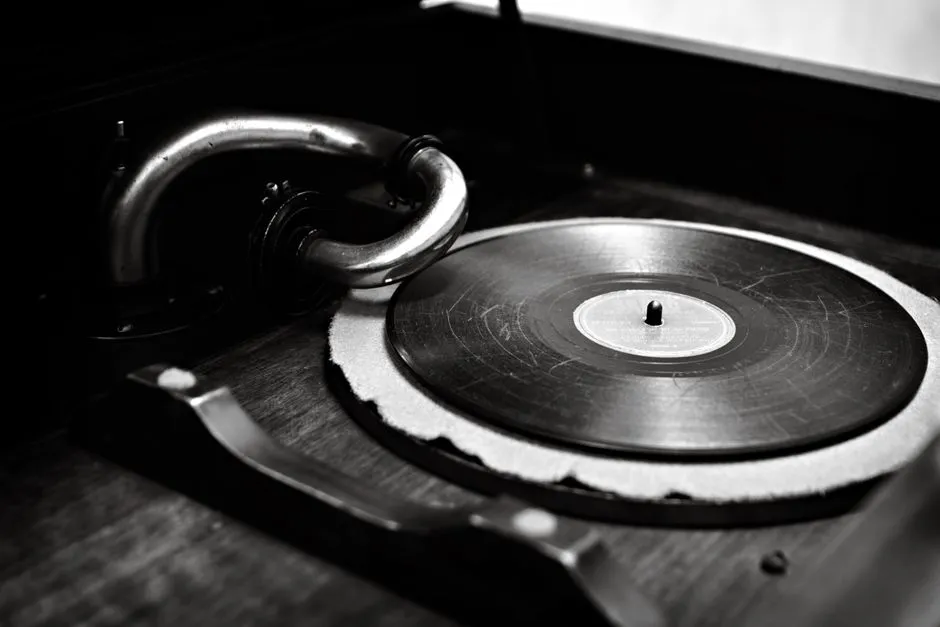
Accompanied by his daughter Claire, Gustave Eiffel built a small apartment at the top of the Tower, where he hosted prestigious guests during small, private receptions. This scene includes the visit by Thomas Edison on September 10, 1889. To mark the occasion, the American physicist and inventor gave Gustave Eiffel a model of his famous phonograph that he had just presented at the 1889 Universal Exposition.
Thomas Edison didn’t come empty-handed: as an admirer of the prominent French engineer, he brought Gustave Eiffel the most recent model of the phonograph, the “Class M.” The Bibliothèque nationale de France holds several wax cylinders engraved by Gustave Eiffel on his phonograph, which are also the oldest audio recordings in France. That single visit left a tangible acoustic trace that has survived more than a century.
A Golden Book of Remarkable Names
Eiffel also kept a Golden Book in the lounge, which carries the signatures of French President Sadi Carnot, the future King Carlos of Portugal, and actress Sarah Bernhardt. The range of those names says something about who Eiffel considered worth inviting to his highest room.
He carried out scientific experiments there and hosted scientists, including the astronomer Jules Janssen. The guest list was never purely about prestige. Eiffel seemed genuinely drawn to people doing serious intellectual work, whatever their field.
The Scientific Life of the Apartment
Eiffel used his apartment to study atmospheric pressure, wind speeds, and even the effects of altitude on different scientific instruments. The tower’s height made it a uniquely useful platform for this kind of research, and the apartment gave Eiffel a stable base from which to conduct it.
Eiffel used the space for conducting meteorological observations and experiments tracking the impact of air resistance on falling objects. The Eiffel Tower itself became a platform for various experiments, including early radio transmissions. The apartment was never merely a personal indulgence. It was, in many ways, a functioning laboratory.
How the Apartment Was Eventually Abandoned
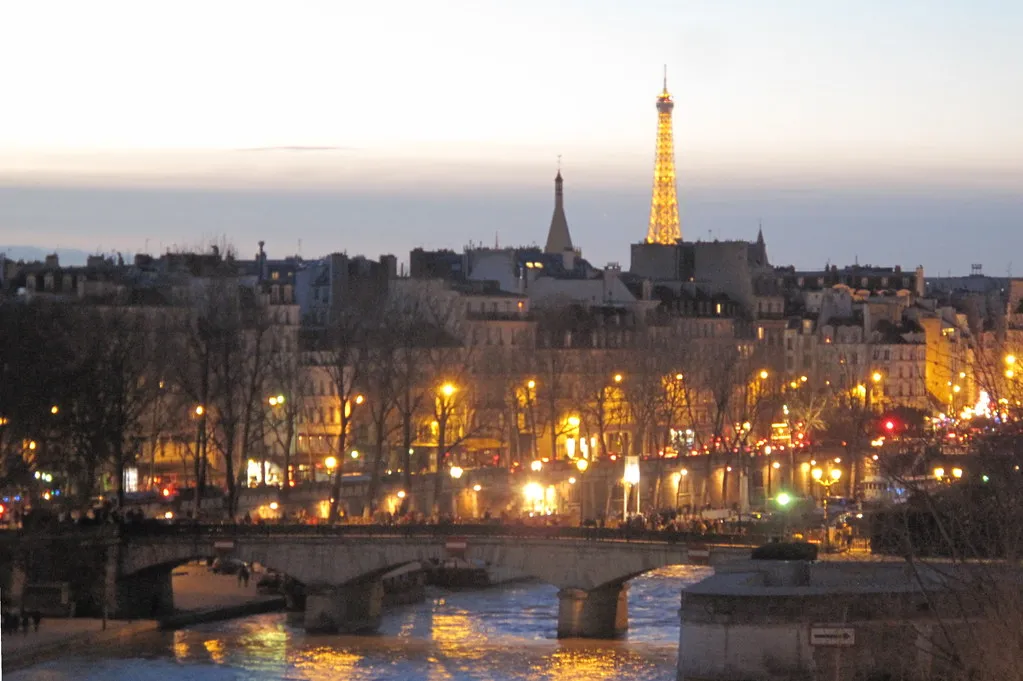
After World War II, more than 20 years after the death of Gustave Eiffel in 1923, the development of television and the telecommunications antenna that was set atop the tower required storage space for electrical devices on the top floor. The space that had once hosted Edison and Bernhardt became a utility room.
An antenna was installed at the top of the tower, and the only place for all the electrical equipment was the apartment. Today, only the office remains, the rest of the apartment being taken up with machinery. It’s a quiet irony: the room built for scientific curiosity was eventually displaced by the practical technology it helped inspire.
How It Was Restored for Visitors
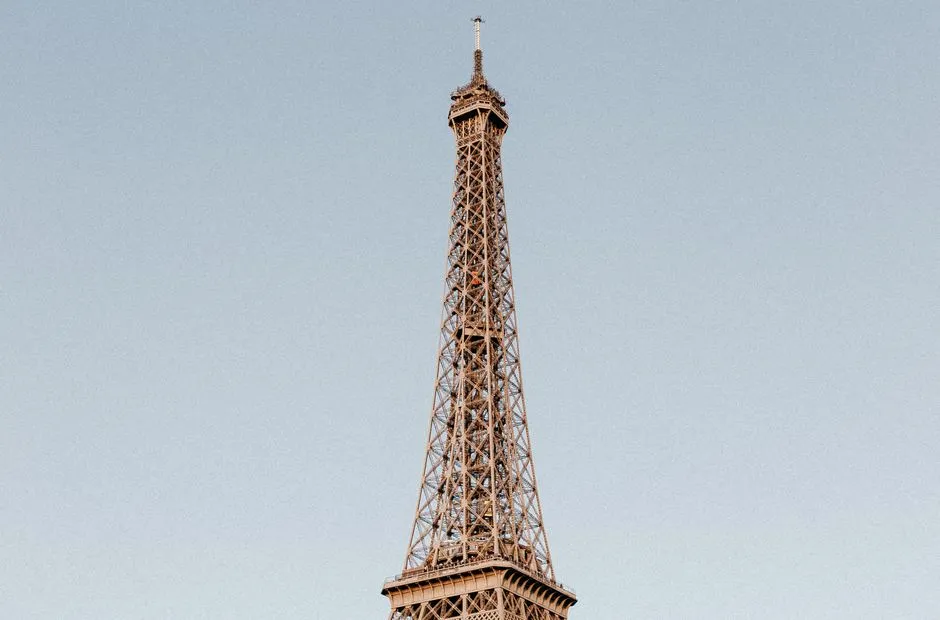
In recent decades, the Eiffel Tower’s caretakers recognized the historical significance of Eiffel’s private office and decided to restore a portion of it for visitors. The apartment may no longer function as living quarters, but today a small section has been carefully recreated to its 1890s appearance.
Inside the exhibit, visitors will see a restored replica of Eiffel’s office, complete with period furniture and tools. There are also three wax figures: Eiffel, his daughter Claire, and Thomas Edison. QR codes are set up throughout the tower, which visitors can scan to access a series of immersive experiences, including a 360° view of Eiffel’s apartment, and a recreation of the moment when Edison gifted Eiffel and his daughter with his phonograph.
Visiting the Apartment Today
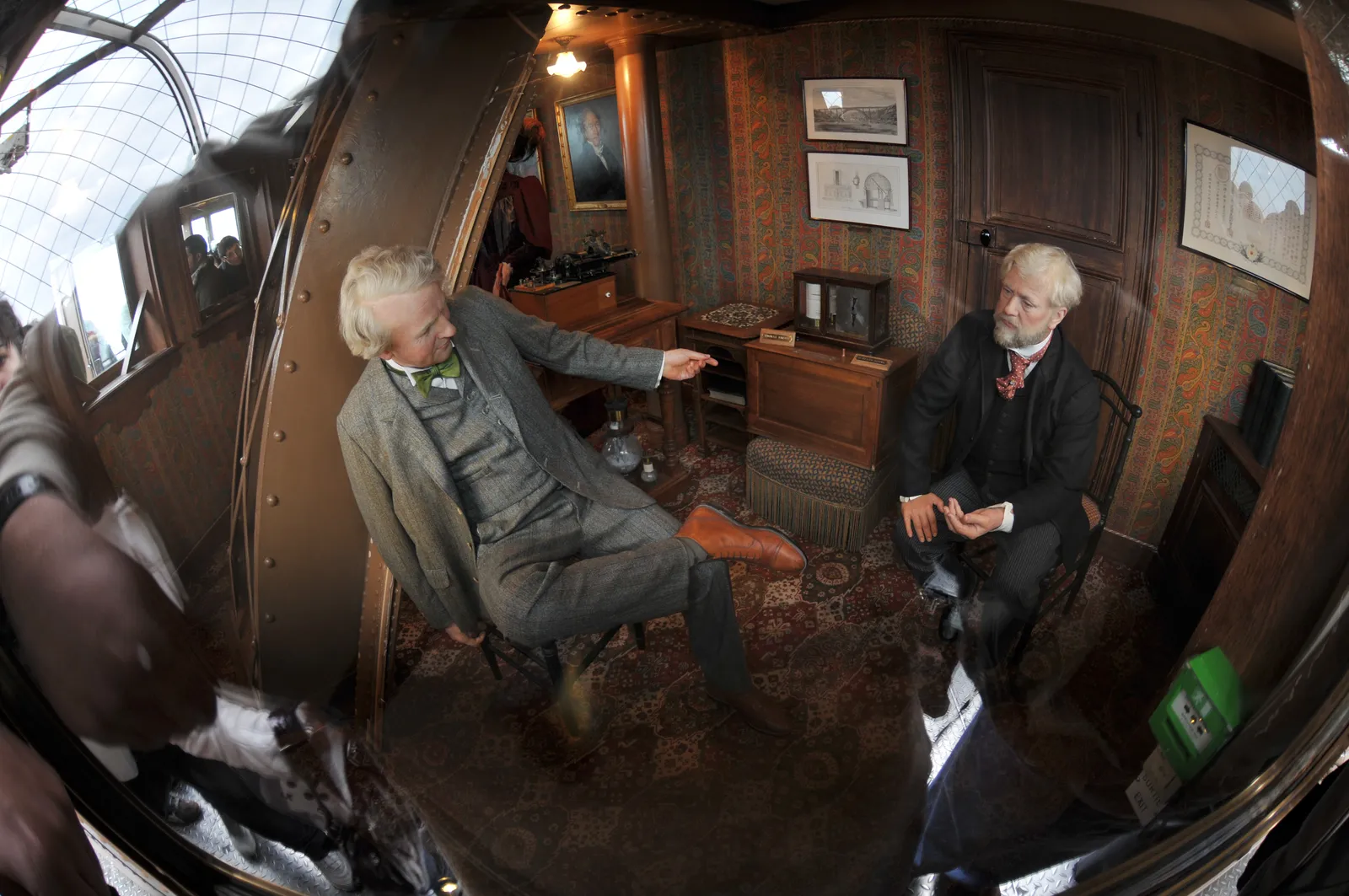
Today, the public can see the room, but not step into it. Anyone with a ticket to the top can look through the windows at a reconstruction of Eiffel’s office, with wax figures of Eiffel and his daughter Claire welcoming Edison. Because the room is so small, it’s closed to visitors, and the reconstruction covers only a small part of the original apartment.
Access to Eiffel’s apartment is included with Eiffel Tower summit tickets, with no additional fee required. Since opening in 1889, over 250 million people have visited the iconic Eiffel Tower in Paris. Of all those visitors across all those decades, only a fraction have paused long enough to notice the small, wallpapered room above the observation deck where everything began.
What the Room Still Tells Us
There’s something quietly telling about the fact that Gustave Eiffel, when given the chance to claim any part of his own tower, chose the very top. Not for comfort alone, and not purely for status. He chose it because the view was unmatched, the air was measurably different, and the height gave him something useful to study.
Some believe Eiffel lived up there, but with no bedroom, it’s safe to assume he used the private living quarters more like an office than an apartment. The distinction matters. This was a workspace that happened to have velvet chairs and a piano. It reflects a particular kind of nineteenth-century ambition: the belief that intellectual life and comfort didn’t need to be separate things.
The hidden apartment at the top of the Eiffel Tower is more than just a historical curiosity. It is a testament to Gustave Eiffel’s dedication to progress and innovation. Standing below it today, looking up through the glass, you’re not just glimpsing a room. You’re glimpsing the private interior of a mind that built something the whole world still comes to see.
AI Disclaimer: This article was created with the assistance of AI tools and reviewed by a human editor.