

The Hold Is Not What Most People Think
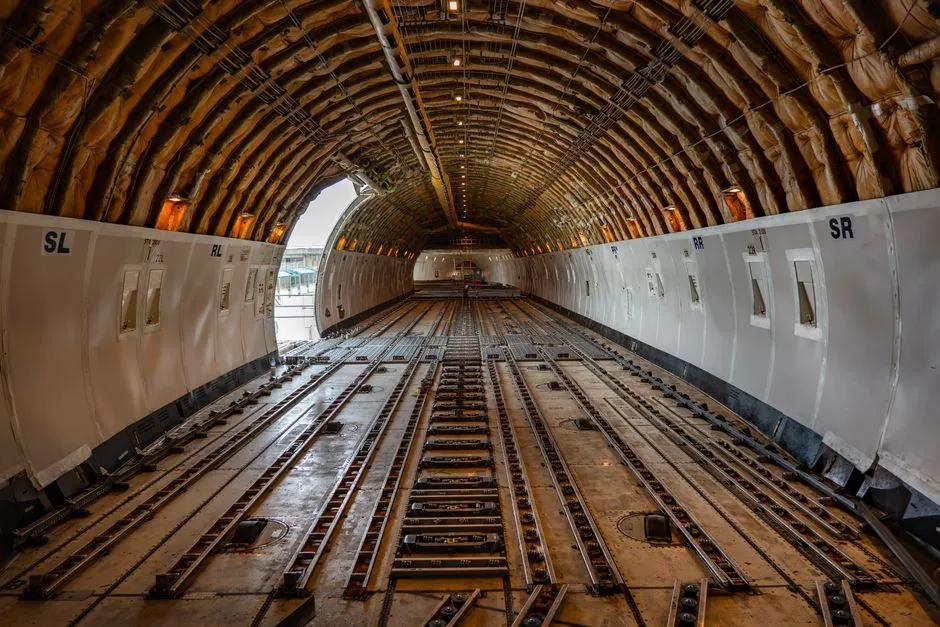
The cargo hold is pressurized and temperature controlled just like the rest of the plane. That surprises a lot of pet owners who picture their dog in a cold, pitch-black freight compartment. The reality is more carefully engineered than that, though it is still far from a comfortable lounge.
Pets fly in a pressurized compartment under the passenger cabin, with heating and air flow. The cargo space is divided into sections, and live animals are typically placed in a designated area separate from regular luggage and freight. Airlines operating live animal programs are required to follow International Air Transport Association (IATA) standards, which set minimum requirements for container size, ventilation, and temperature ranges.
The Real Numbers on Pet Safety in the Hold
The US Department of Transportation requires airlines to report every incident involving the death, injury, or loss of an animal during air transport. These reports are published monthly and are publicly available at transportation.gov. That transparency has made it possible to track trends over time with unusual precision.
In 2025, U.S. airlines carried 117,861 animals. They reported 9 incidents: 3 deaths, 5 injuries, and 1 lost animal. That is 0.76 incidents per 10,000 animals, according to the U.S. Department of Transportation Air Travel Consumer Report. For context, deaths fell sharply from 8 in 2024 to 3 in 2025. The trend is genuinely improving year over year.
Over 4 million pets travel by air globally each year. These flights are governed by strict IATA rules regarding handling, container standards, and animal welfare. What the U.S. data captures is just one window into a much larger, global picture.
Where the Risk Actually Lives: The Tarmac, Not the Sky
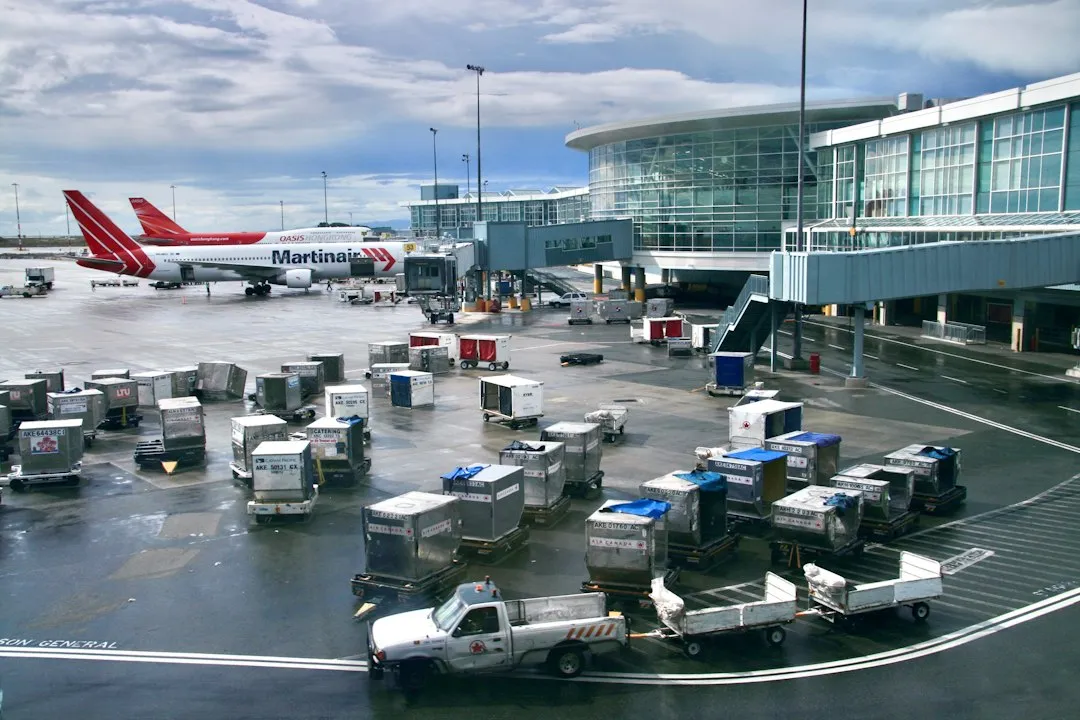
When things go wrong, it is mostly before take-off and after landing, not at cruising height. This is one of the most important things cargo handlers and pet transport specialists consistently point out. The aircraft hold, once airborne and climate-controlled, is not where most incidents originate.
Tarmac exposure, not the cargo hold, is the primary source of temperature-related risk. On a hot summer day, an animal crate sitting on an open apron while luggage is being sorted can heat up rapidly. Pets can be vulnerable to extreme temperatures, particularly during loading, unloading, and ground delays. This is a systemic vulnerability that has driven many of the procedural changes airlines have adopted in recent years.
The “Last On, First Off” Policy

Pets are loaded last and offloaded first, minimizing time on the tarmac and in the cargo hold before climate control is active. This protocol, followed by airlines with strong live animal programs, is one of the most meaningful practical protections in the whole process. It sounds simple, but its consistent execution matters enormously.
Pets are typically the last to be loaded and the first to be removed, which reduces their time in the hold. Handlers who work live animal shipments regularly describe this as the golden rule of pet cargo. The window of vulnerability is shortest when the animal is moved quickly from climate control on the ground to climate control in the air, and back again.
The Sedation Mistake That Still Costs Lives
The American Veterinary Medical Association (AVMA) advises against sedation before air travel because it comes with serious health risks. Airlines may even keep pets that appear sedated from boarding at check-in, especially in cargo. Despite this, some owners still try to calm their animals with sedatives before a flight, often with tragic results.
Sedatives affect a dog’s ability to regulate their own breathing and body temperature. At altitude, cabin pressure changes and reduced oxygen levels can compound these effects. Research presented to USDA and airline officials found that oversedation accounted for nearly half of animal deaths during airline transport. That figure alone should give any well-meaning owner serious pause.
The Brachycephalic Breed Ban

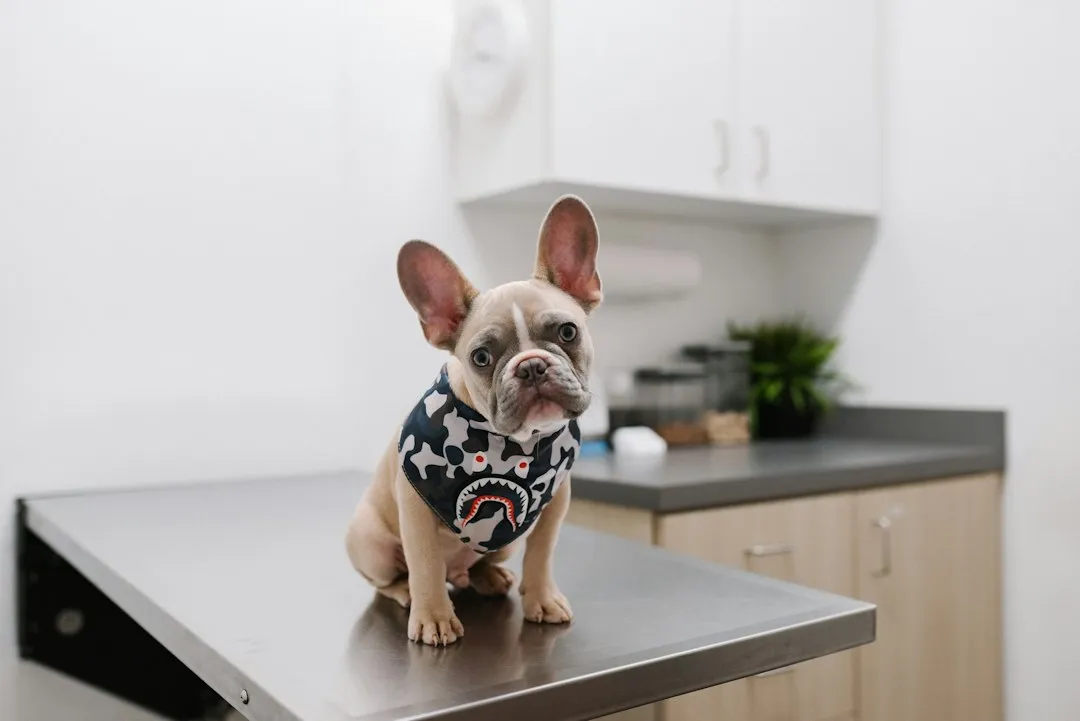
Animals with shortened muzzles and flattened faces are more susceptible to breathing difficulties during flights due to high temperatures and stress, which can lead to oxygen deprivation and circulatory issues. Many airlines have prohibited the transport of brachycephalic dog and cat breeds in the aircraft’s baggage hold. This is not a precautionary overreaction. It is grounded in documented incidents.
The snub-nosed breeds are documented to have higher in-flight mortality than other breeds in cargo holds. Most major US carriers either bar them entirely from cargo or prohibit them during summer temperature months. American Airlines does not accept brachycephalic breeds in cargo at all, regardless of season. For owners of French Bulldogs, Pugs, English Bulldogs, or Persian cats, cargo is simply not a viable option on most airlines.
What Handlers Actually See in the Cargo Area
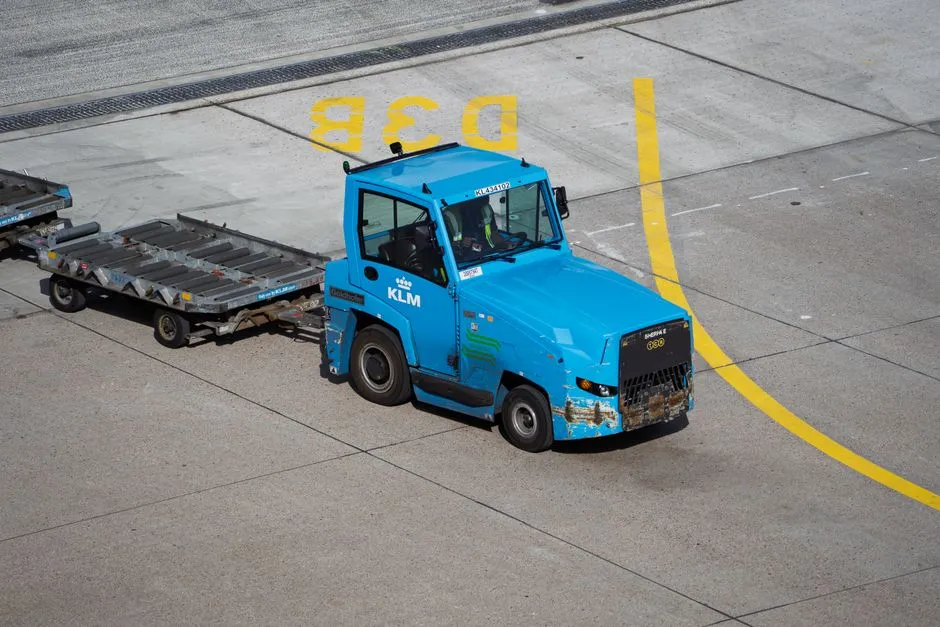
Documented incidents have included animals left on tarmacs for extended periods, pets placed on incorrect flights, carriers dropped or damaged during ground handling, animals escaping in cargo areas, and exposure to extreme temperatures during loading and unloading. These are not theoretical risks. They appear in the mandatory DOT reports filed by airlines over the years.
Despite the best efforts of pet owners and airline staff to comfort animals before their journey, it can be impossible to shield them from the anxiety they may experience. Online forums where cargo workers have shared their experiences reveal a more nuanced picture. Many handlers describe genuine care for the animals passing through their work area. A ramp worker at Athens International Airport was captured on video taking extra time to comfort animals arriving via plane, and amid the routine chaos of luggage handling and cargo transfers, the employee was seen gently checking on the animals and offering reassurance.
How Airlines Are Getting Better at This
Dedicated staff at each stage of the journey, not general cargo workers rotating through live animal assignments, mark a strong cargo program. The distinction matters. Airlines that treat pet transport as a specialized function, rather than a sidebar to general freight handling, consistently produce better outcomes for animals.
Airlines like Emirates and Lufthansa have invested in dedicated airport facilities where pets are kept in climate-controlled environments while waiting to be loaded, ensuring they spend the least amount of time possible on the tarmac. Certification is increasingly a meaningful signal of quality. Air Canada Cargo was the first airline in the world to earn the IATA CEIV Live Animals certification, in 2018, and EVA Air Cargo earned its CEIV Live Animals certification in 2025.
Airlines That Have Quietly Exited Pet Cargo Altogether
In 2025, carriers including Allegiant, Frontier, JetBlue, Southwest, and Spirit reported zero animals transported under the DOT animal-reporting system. This reflects a broader industry shift. Several budget and mid-size carriers have moved away from cargo pet transport entirely, effectively making in-cabin travel the only option they offer.
United Airlines’ PetSafe cargo program is closed, so United carries pets in the cabin only. Southwest Airlines only allows small pets in-cabin, under seat. JetBlue offers small pets in-cabin only, with no cargo option. For pet owners who need to transport a larger dog, this narrowing of options makes choosing the right airline more important than ever.
The Crate Matters More Than Most People Realize
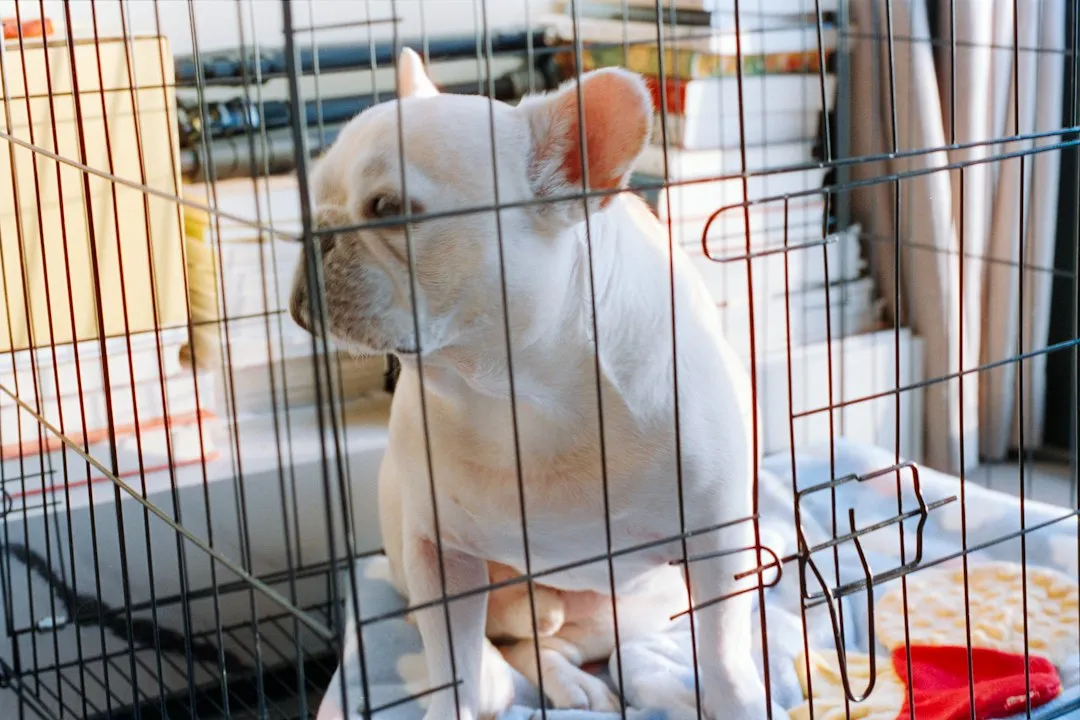
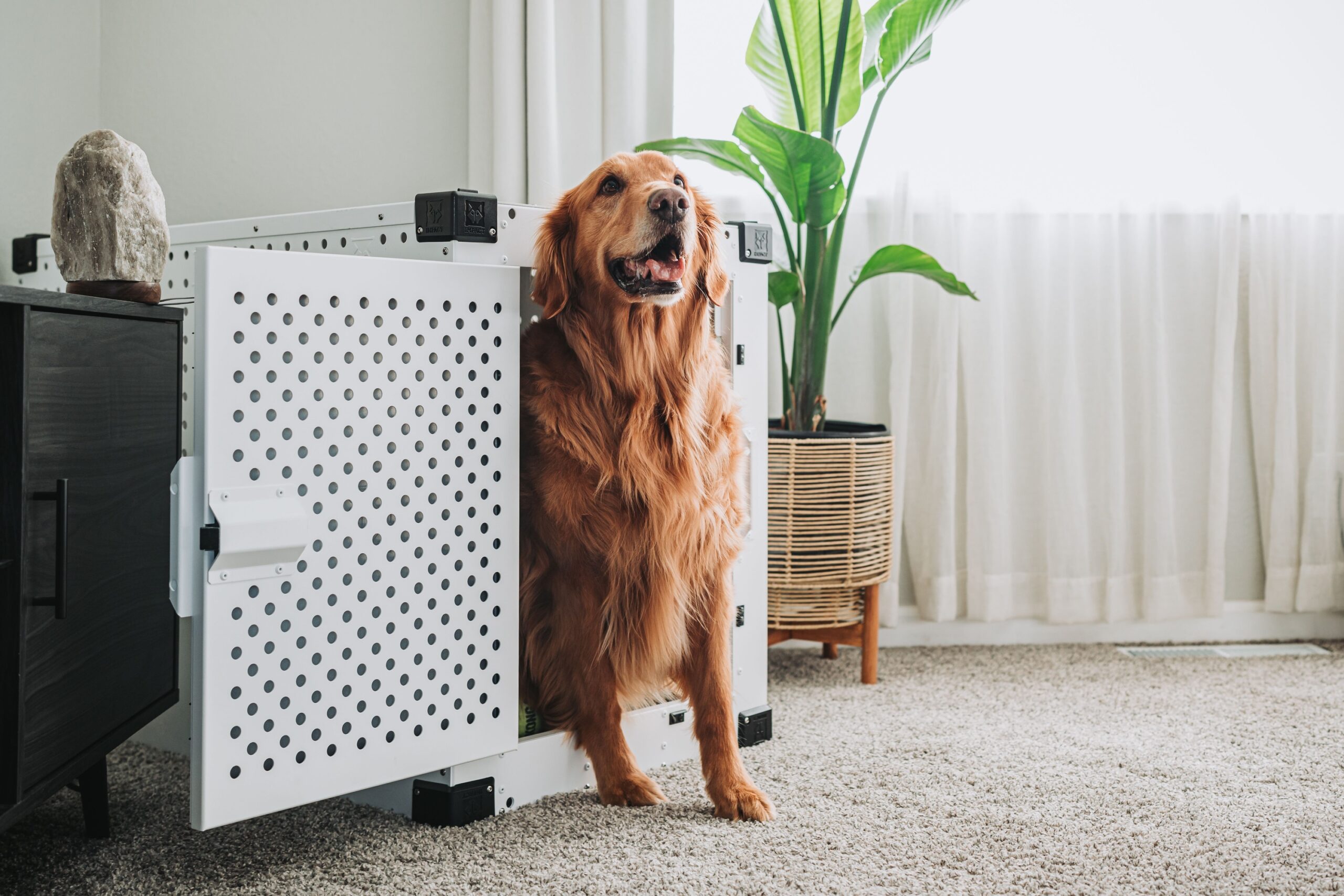
It is the International Air Transport Association (IATA) that sets the safety standards for carriers used in air travel, both in the cabin and cargo hold. A crate that meets IATA standards is sized so the animal can stand, turn around, and lie down naturally. It has secure locking mechanisms, ventilation on multiple sides, and absorbent bedding in the base. These are not optional niceties.
Pet crates are securely fastened using specialized netting and straps to remain stable even during turbulence. Unlike standard luggage, pet crates are positioned to ensure fresh air circulates freely throughout the flight. The condition of the crate at check-in also matters. A structurally weak or improperly assembled crate is one of the practical risk factors that handlers can identify on sight, and a well-prepared crate reduces risk for everyone involved.
The Honest Takeaway for Pet Owners
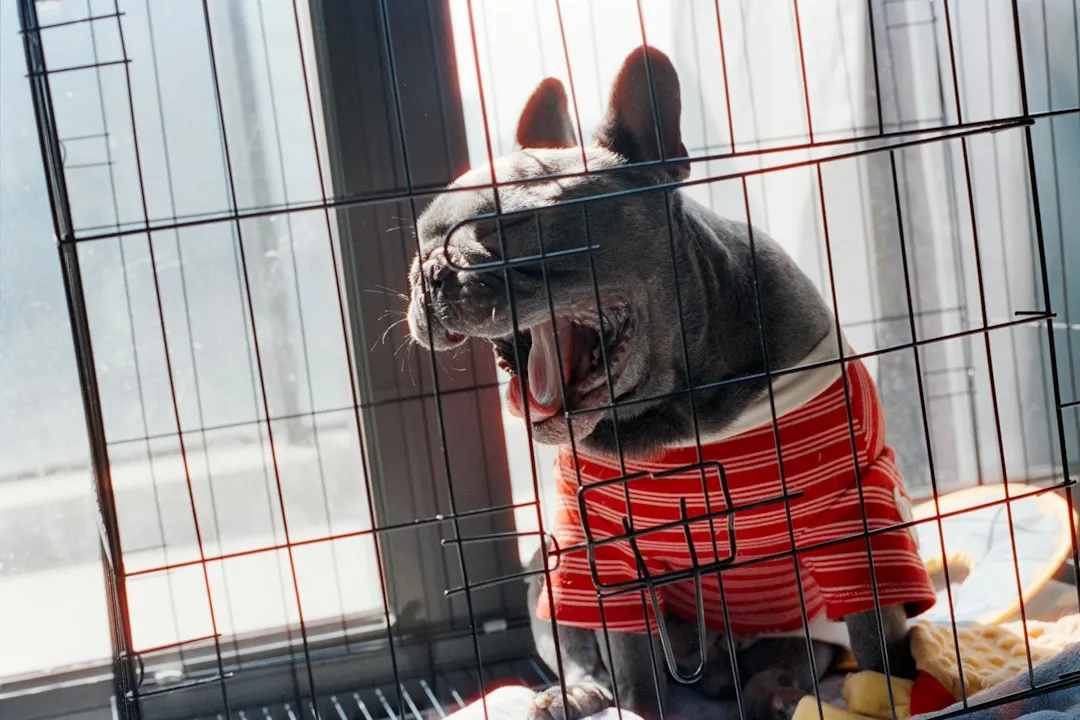
Most healthy pets flying in cargo arrive safely. Airlines with public data report fewer than one incident per 10,000 animals. The risk is real, though, and it sits mostly on the ground: heat on the apron, long waits, connections, a weak crate, or paperwork delays. That framing is more useful than either blanket reassurance or blanket alarm.
The data is clear that pet cargo has become measurably safer over the past decade, driven by better regulations, stronger certification standards, and the policy decisions of airlines that have taken the issue seriously. For pet owners navigating this decision, the smartest approach is choosing a certified carrier, verifying your airline’s specific live animal protocols, using an IATA-compliant crate, and never sedating your animal. The hold is not a black box. It is a regulated, monitored system, and understanding how it works is the best protection you can give your pet before you ever reach the airport.
AI Disclaimer: This article was created with the assistance of AI tools and reviewed by a human editor.