
Traveling with a dog has shifted from a niche quirk into one of the fastest-growing segments of the entire hospitality industry. Dog-welcome experience bookings surged by a remarkable 260 percent year-on-year in 2025, according to Tripadvisor’s 2026 Trendcast. That’s not a blip. It’s a fundamental change in how people think about travel.
Dogs are the pet that travels the most, with 25 million dog owners taking their pups with them to stay at pet-friendly hotels when on vacation. Yet many of those owners still arrive at the front desk without having made a single specific room request. That gap between good intentions and smart preparation is exactly what experienced hotel managers want to close.
Always Request a Ground Floor Room with Direct Outdoor Access

Most dog-friendly hotels will ensure that you stay on the ground floor and may even have a direct door to the outside. This single feature changes the rhythm of your entire stay. Midnight bathroom trips no longer mean a lobby parade.
Experienced travelers with dogs almost always contact the hotel and request a lower level room, because it makes it easier to take a dog out for a last bathroom break before bed and reduces the time spent in an elevator, which can make some dogs uncomfortable. It’s a practical advantage that compounds across every day of the trip.
Many pet stay rooms are already on the first floor, but keep in mind that “first floor” does not always mean “ground level,” so if your dog isn’t used to elevators or can’t hold his bladder very long, be sure to clarify this detail.
Ask for a Room Away from High-Traffic Noise Zones

Be aware of what sets off your dog and their temperament. If you know that your dog often barks at external noises, ask the reception for a quiet room, ideally not next to the lift or bar. This is one of the most underused requests in pet travel, and one of the most effective.
When speaking with hotel staff, ask specifically about lift traffic, busy entrances, or other sources of repeated disturbance near the proposed room. A room next to a service corridor or a vending machine alcove can turn a calm dog into a restless one overnight.
For noise-sensitive dogs, turning on the TV at a low volume or using white noise can help block out the unusual sounds that happen throughout a hotel. Pairing a quiet room location with a white noise routine gives anxious dogs the best possible environment to settle.
Confirm Whether the Room Has Actual Pet Amenities – Not Just Permission
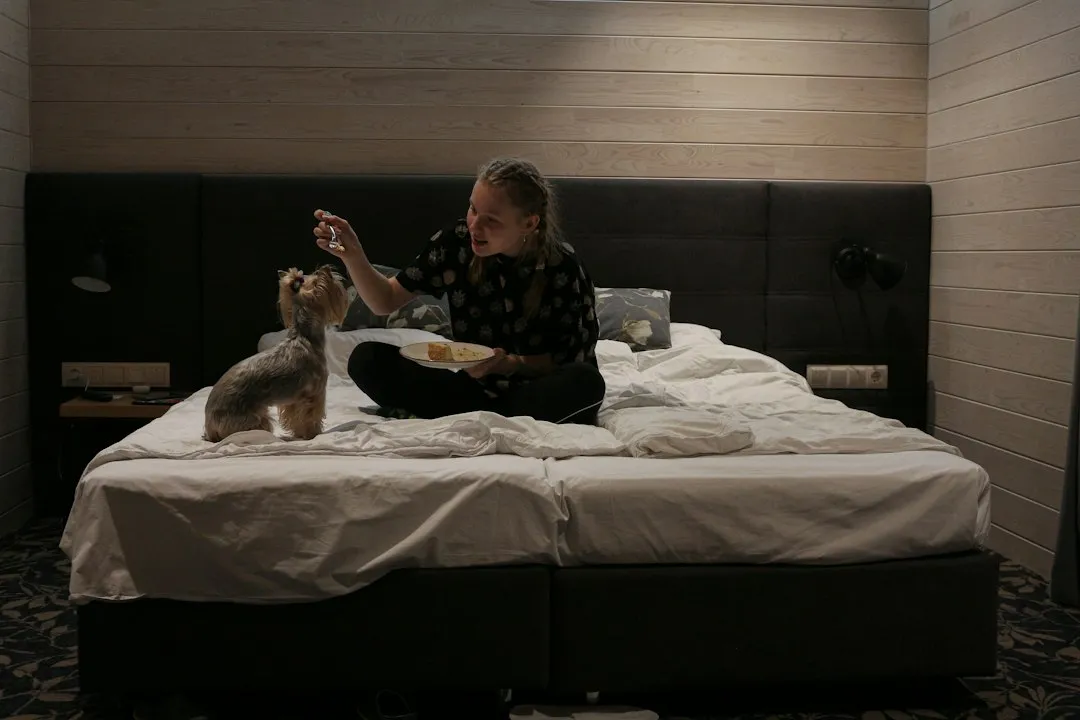
Not all pet-friendly hotels are created equal. Some hotels that allow pets might have restrictions on size, breed, or number of pets. The same logic applies to what’s actually in the room when you arrive. Permission to bring your dog and a genuinely dog-ready room are two very different things.
The best hotels for pets offer more than just a place to sleep. Looking for accommodations near dog parks, walking trails, or pet-friendly restaurants matters, and some luxury pet-friendly hotels now offer special amenities like doggy daycare, grooming services, and even pet room service menus.
When reviewing amenity claims, it’s worth asking whether a “dog bed” is a real amenity or just an old blanket. Seasoned dog travelers know to ask this directly before arrival, so they can bring backup supplies if the answer is vague.
Request Written Confirmation of All Pet Fees Before You Check In
There will almost always be an additional fee for staying at a hotel with a dog, and this fee varies, sometimes even between hotels within the same chain. Emailing the hotel to get confirmation of the fees in writing is the smart move. This protects both sides and removes any awkwardness at checkout.
Before booking a pet-friendly hotel, confirm accepted species, size, and number limits, all pet charges, unattended-pet rules, and access to shared areas. Doing this in one thorough call or email saves time and avoids unhappy surprises on the day of arrival.
Hidden costs can stack up quickly. Hotels can also charge a “clean up” fee if your dog makes a mess in the room or anywhere else in the hotel. Getting the full fee structure in writing before you arrive is simply good financial sense.
Ask About the Unattended-Dog Policy for Your Specific Room Type

Most hotels do not permit you to leave your dog alone in the hotel room. This matters more than many first-time traveling dog owners expect, especially when you want to enjoy a meal at a non-dog-friendly restaurant or visit a museum.
Some hotels won’t allow you to leave your dog alone in the room at all, whereas others might ask you to leave them in a crate to protect cleaning staff, guard against escapes, and prevent damage or accidents in the room. Knowing this in advance lets you plan your itinerary around reality rather than assumption.
Some dogs are perfectly comfortable being left alone in a hotel room for a couple of hours, while others may bark, become anxious, or cause damage. If your dog falls into the latter category, check whether the hotel offers dog-sitting services, since some do provide this, usually for an added fee.
Request Housekeeping to Be Scheduled Around Your Dog’s Routine

Agreeing with the hotel on when staff can enter and how the pet will be secured or removed during that time is an important part of planning the room logistics. This conversation is almost never prompted by hotel staff but it makes a real difference to the stay.
Staff have to come in and out of your room to clean, and some dogs can be upset by being left alone in unfamiliar places. Scheduling housekeeping for a window when you’ll be present or walking your dog outside removes one of the most common stress points of hotel travel with a pet.
A simple note added to your reservation explaining your preferred housekeeping window is enough to set this up in most properties. It’s also worth confirming the arrangement again at check-in, since front desk communication and housekeeping coordination don’t always move as smoothly as guests assume.
Ask the Hotel to Place You in a Pet-Designated Wing, If One Exists
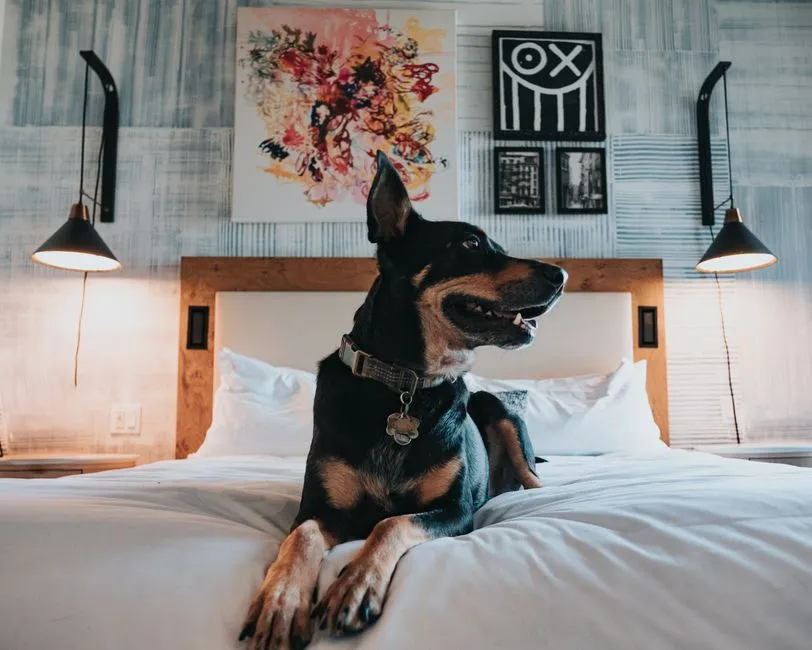
Some hotel managers have invested in hypoallergenic floors and separate wings for pets specifically to manage the balancing act between dog-owning guests and those with allergies. Knowing whether this infrastructure exists at your chosen property is worth a direct question before you arrive.
Many hotels have specific rooms designated as dog-friendly rooms, and some properties group dog-friendly rooms together and provide hang tags to let staff and guests know a pet is in the room. Staying within the dedicated pet wing also tends to mean nearby outdoor access and flooring that’s easier to clean.
Pet-friendly rooms are often limited and in high demand. Booking pet-friendly hotels well in advance, especially during peak travel seasons, is important because many hotels set aside specific rooms for guests with pets, and these can fill up quickly.
Verify Breed and Weight Restrictions for Your Dog Specifically
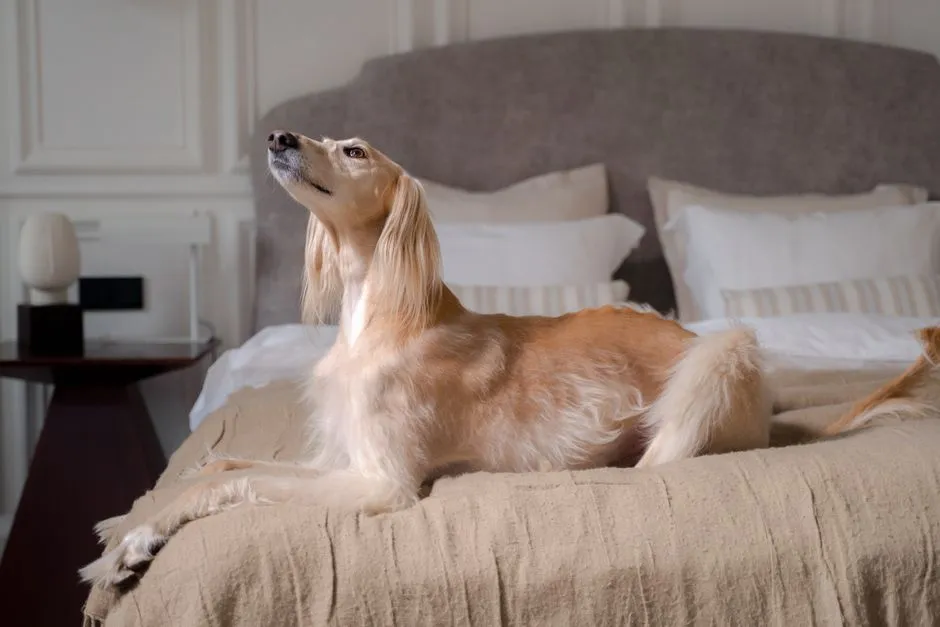
Weight limits, breed restrictions, number of pets per room, and pet fees are all things you need to know before booking a dog-friendly hotel. Some of these restrictions are listed online, but many are set at the property level and may not appear in the standard booking interface at all.
The “pet-friendly” filter is a useful search tool, but it does not tell you whether a hotel will accept your particular pet or whether the stay will work with your plans. This distinction matters especially for owners of larger breeds or breeds that sometimes appear on insurance exclusion lists.
A brand name you recognize might be a franchise with policies and fees set by current owners, so always call to verify the pet policy is still in place and confirm any changes that may or may not be listed online. A two-minute phone call eliminates a lot of potential disappointment.
Request a Dog-Proofing Check When You Arrive
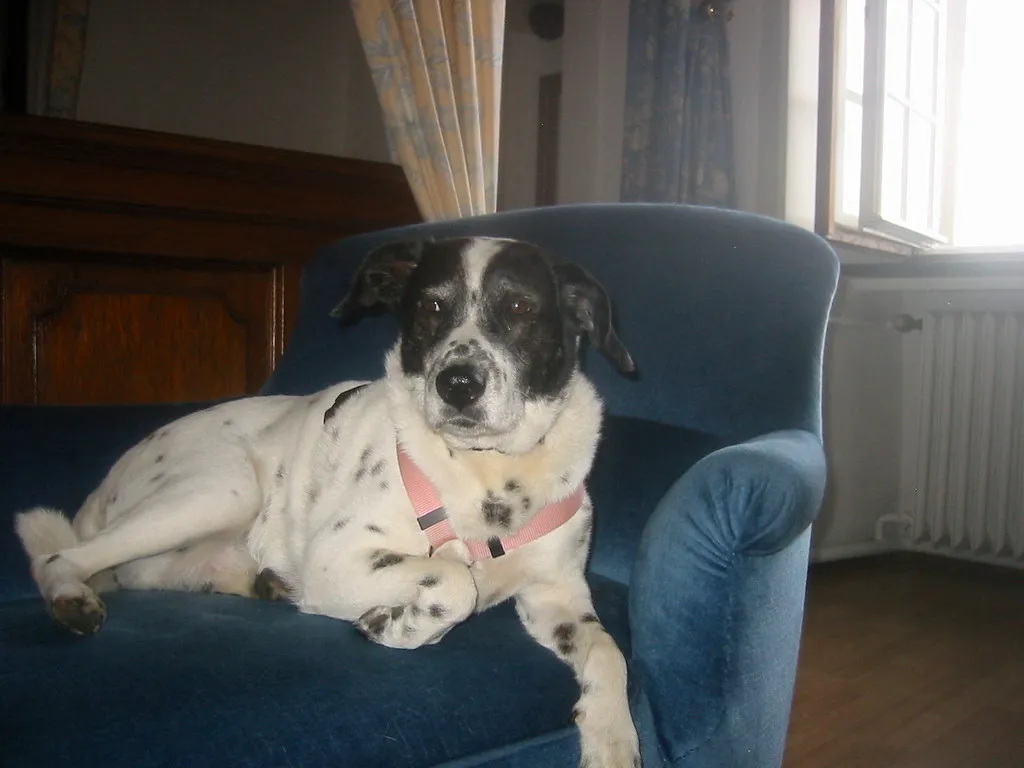
Hotels often provide toiletries or snacks and may have plug-in air fresheners or other hazardous items, so before you allow your dog free range of the room, make sure you do a sweep for harmful items. This is especially important for curious dogs who tend to explore at nose level.
When thinking about room features, it helps to consider entry and escape prevention, including doors, windows, and any balcony access, as well as usable floor space for the pet’s resting area, carrier, and normal supplies. Asking staff whether the room has been recently used by another pet is also reasonable, particularly if your dog is sensitive to new scents.
Some of the better-equipped pet-friendly rooms now address this proactively. A room that has been genuinely shaped by pet-friendly design will use performance fabrics, removable slipcovers, and scratch-resistant surfaces rather than treating dog proofing as an afterthought.
Ask About Direct Outdoor Access or Nearby Designated Relief Areas
Looking for hotels with dog parks or outdoor areas for walks is a worthwhile priority when comparing options. Ground floor rooms with a side or garden exit are the most practical arrangement, but it’s worth confirming exactly where the nearest designated relief area is located before you unpack.
Most hotels require dogs to be on a leash in public areas, so knowing the layout of the property’s outdoor spaces in advance helps you plan accordingly. Some properties have clearly marked pet relief areas with bag dispensers; others rely on guests knowing where to go without much signage.
Asking the hotel about nearby dog-friendly restaurants is another practical step, especially if you plan to dine with your dog during the trip. This kind of local knowledge is exactly what front desk staff are well-positioned to share, but they’ll rarely offer it unless you ask.
The Takeaway
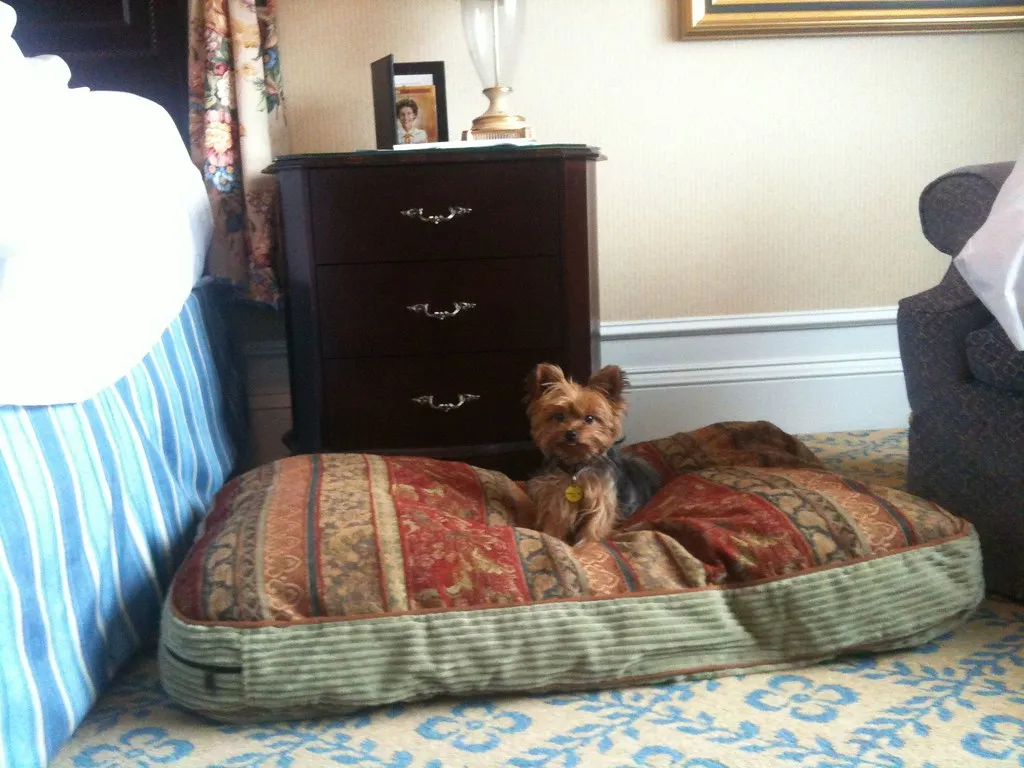
The single room request that hotel managers most consistently recommend is deceptively simple: ask for a ground floor room near outdoor access, away from high-traffic noise, and confirm that request in writing. About 75 percent of luxury, mid-scale, and economy hotels now allow pets to address the growing demand for pet-friendly travel, which means the infrastructure is there. The difference between a good stay and a stressful one often comes down to how specifically you ask for it.
Most of the friction dog owners encounter at hotels is avoidable with a single well-prepared phone call or email before arrival. Hotels that genuinely welcome dogs tend to appreciate the communication. Those that are merely dog-tolerant will at least have fewer grounds for surprises. Either way, the preparation works in your favor, and so does your dog’s comfort throughout the trip.
AI Disclaimer: This article was created with the assistance of AI tools and reviewed by a human editor.