

The Captain Can Marry You, But Only Under Specific Conditions
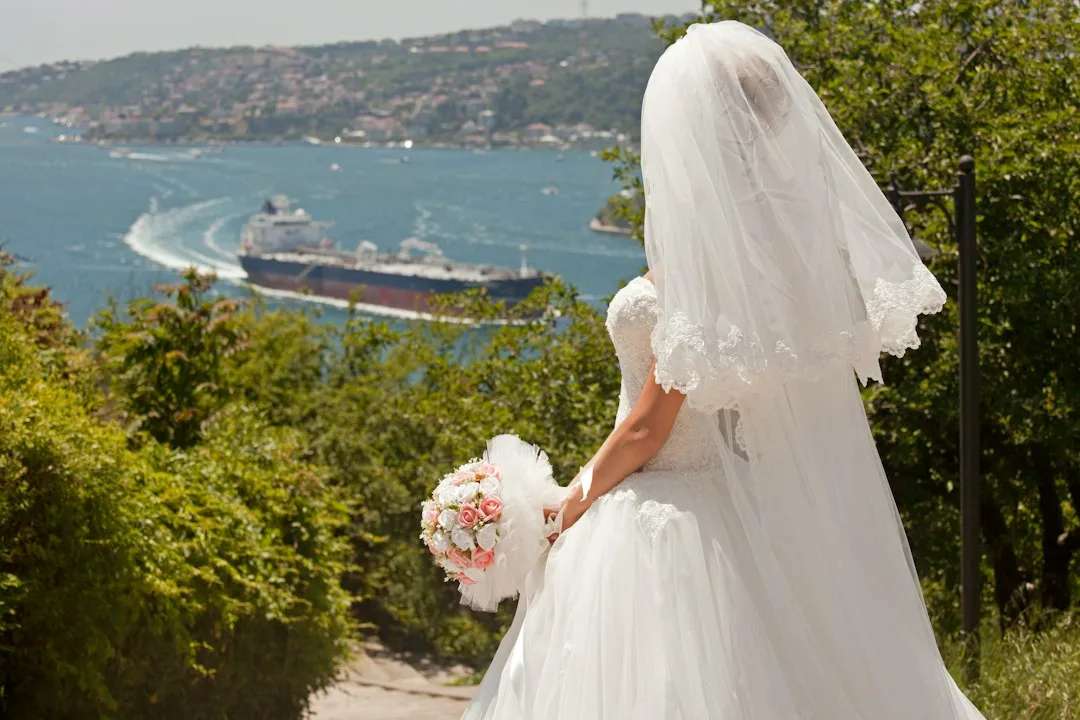
The image of a ship’s captain presiding over a wedding ceremony is one of the most enduring romantic ideas in popular culture. The reality is more nuanced. Despite the enduring myth, ship captains do not automatically have the legal authority to perform weddings. Their ability to do so depends entirely on where the ship is registered, not on their rank or experience at sea.
Countries including Malta, Bermuda, and the Bahamas have maritime marriage laws that allow suitably licensed ship captains to act as marriage officers and perform legal weddings at sea. Outside of these specific flag states, a captain-led ceremony is typically symbolic rather than legally binding. The captain still needs to meet the relevant legal requirements, and the cruise line needs to offer captain-led wedding ceremonies.
Ship Registry Is the Single Most Important Legal Factor
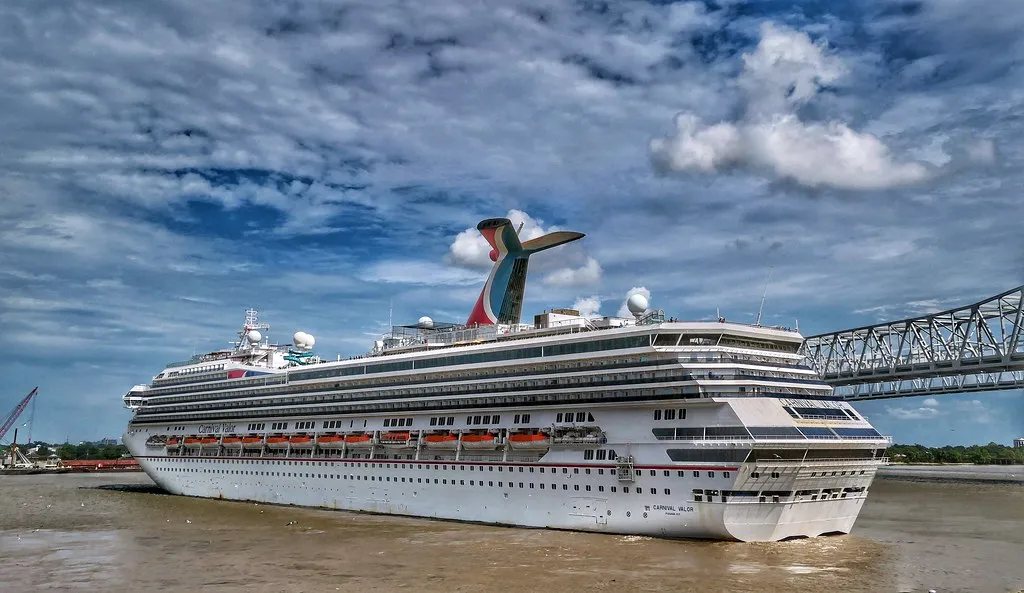
To be legally married on board, the ship must be registered in a country that grants the captain legal authority to officiate, specifically Bermuda, Malta, or the Bahamas. This is a detail many couples overlook when they first start researching cruise weddings. The cruise line’s brand name matters far less than the flag flying from the stern.
Celebrity Cruises’ ships are registered in Malta, where maritime marriage laws allow the master of a Maltese-registered passenger ship to conduct legal marriages while sailing in international waters. Known as the “Love Boat,” Princess Cruises offers a romantic wedding experience with ceremonies legally registered in Bermuda and typically officiated by the ship’s captain. These distinctions are not marketing language; they are genuine legal distinctions that determine whether your marriage certificate will hold up at home.
International Waters Are More Than Just a Backdrop
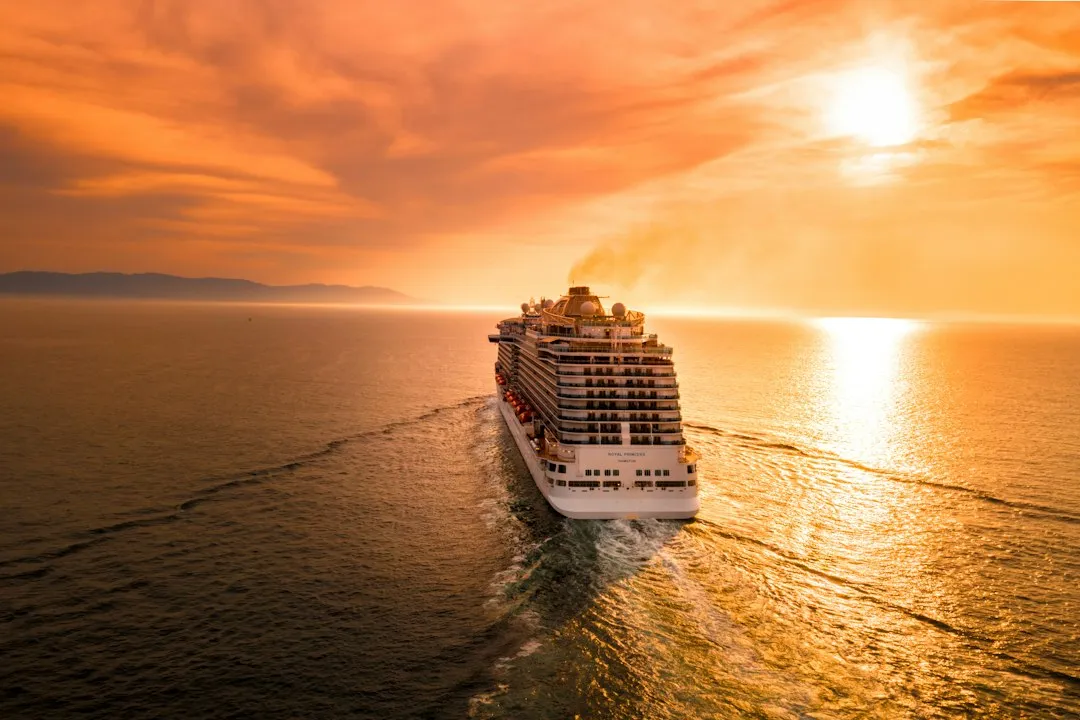
There’s a practical reason why wedding ceremonies at sea tend to happen on days when the ship is far from any coastline. Ceremonies typically occur on a sea day in international waters, at least 12 nautical miles from shore. This threshold matters legally, not just aesthetically.
The wedding takes place on a sea day when the ship is in international waters, so the wedding officially takes place where the ship is registered. Once you understand that principle, the whole logistical structure of a cruise wedding starts to make sense. Not every sailing will be suitable for a wedding at sea, and for a legal ceremony performed by the captain, the ship will normally need to be in international waters at the time of the wedding.
Symbolic Ceremonies Are Far More Common Than Most People Realize
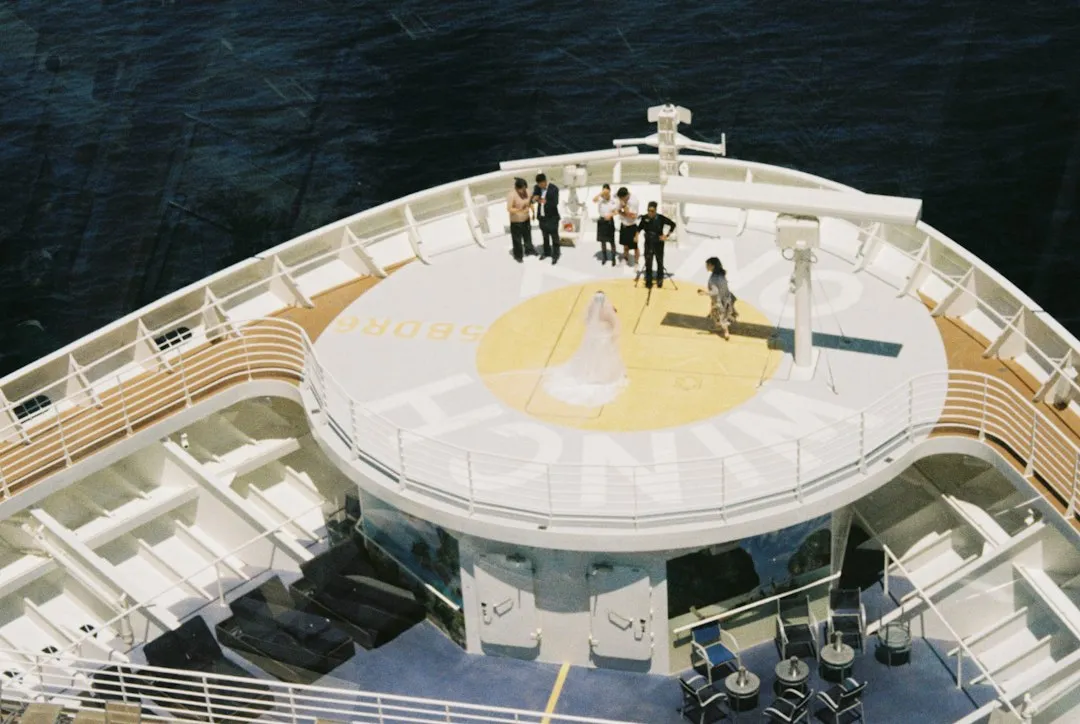
When couples picture a cruise wedding, they often assume the ceremony will be fully legal. In practice, a large proportion of shipboard weddings are symbolic rather than legally recognized. You can also choose to have a symbolic ceremony at sea by a non-denominational officiant. For many couples, particularly those who prefer a low-paperwork approach, this is actually the preferred path.
Holland America Line’s Symbolic at Sea option includes a non-legal ceremony performed by the captain or an officer, under the guidance of onboard and pre-cruise wedding coordinators. Many couples choose a symbolic ceremony on board, with the legal paperwork handled on land. There’s no judgment in that choice. For many people, the symbolic ceremony is the emotional heart of the event, and the legal signing is a quiet formality done beforehand or afterward.
Paperwork Must Be Submitted Weeks, Sometimes Months, in Advance

One of the things that surprises couples most is how early the documentation process has to begin. All legal documentation, including original birth certificates, valid passports, and proof of single status, must be submitted at least 90 days prior to sailing to ensure legal validity. Ninety days is not a comfortable buffer; it’s a firm deadline that requires early planning.
Timing requirements can determine whether the wedding is possible, as a jurisdiction may impose a waiting period, minimum residency period, appointment requirement, or deadline for submitting documents. If you or your partner have been previously married or widowed, proof of divorce or a death certificate will be necessary to validate your eligibility for marriage. Officiants working with cruise lines often say this paperwork phase is where couples most commonly stumble.
The Officiant Is Not Always the Captain
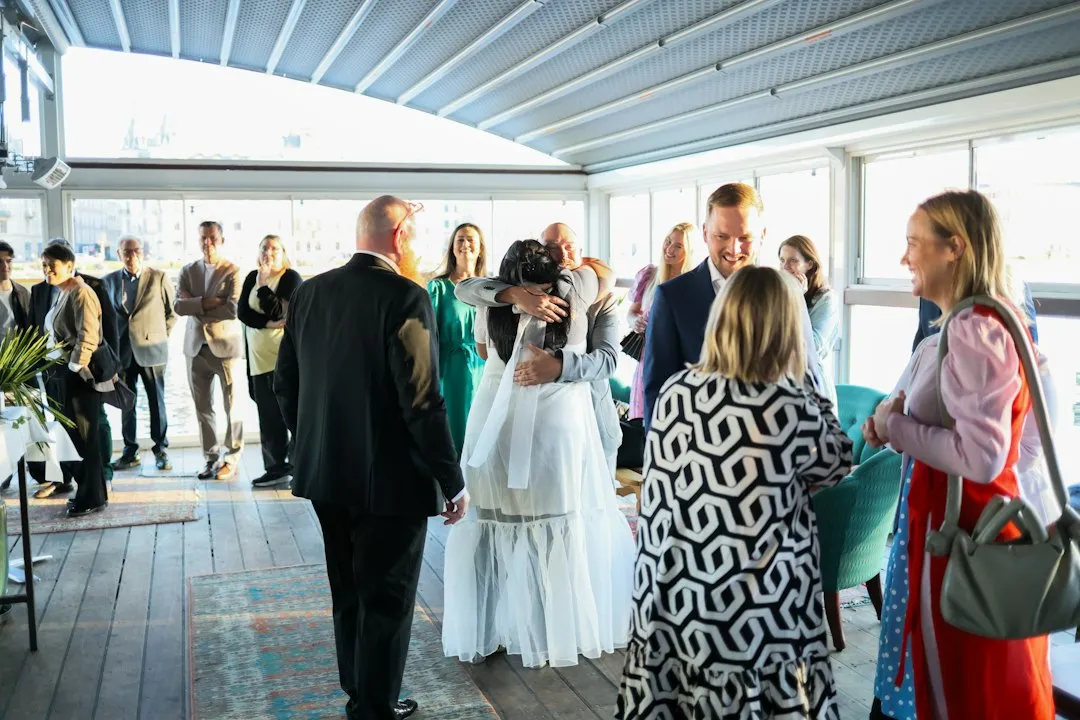
Cruise ship weddings involve more than one possible type of officiant, and understanding who stands at the bow with you matters. A cruise-line officiant may conduct a symbolic ceremony or, where permitted, support a legal marriage arranged through the cruise line. On many sailings, a dedicated ceremonies specialist or a senior officer other than the captain leads the proceedings.
Cunard’s ceremonies are legally registered in Bermuda and led by the captain or deputy captain, with the support of a dedicated ceremonies specialist. To make your wedding official and legally binding, you will need a licensed and authorized officiant; some cruise lines provide their own officiants who are qualified to perform marriages at sea, while others may give you the option to bring your own officiant on board. If you plan to bring someone from home to officiate, verify early that the cruise line permits it and that their credentials are recognized under the ship’s registry jurisdiction.
Same-Sex Weddings at Sea Have Their Own Specific Considerations
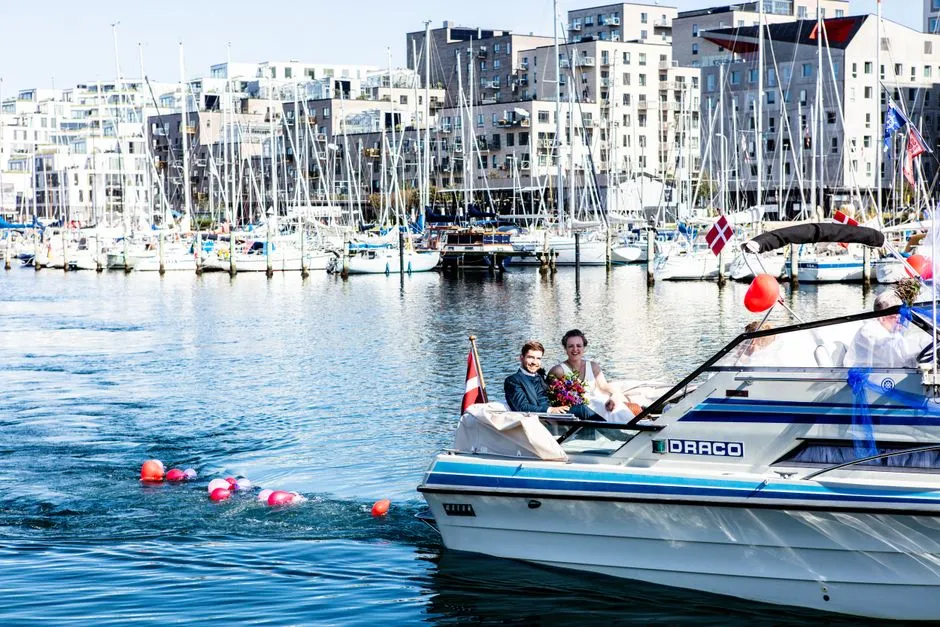
Legal recognition for same-sex couples at sea varies by flag state, just as it does for opposite-sex couples. Celebrity Cruises became the first cruise line to offer legal same-sex weddings at sea in 2017. That milestone was tied directly to Malta’s legal framework, which recognizes same-sex marriage.
Celebrity Cruises can also offer legal same-sex weddings, as they are legal in Malta. For legally recognized same-sex marriages at sea, Celebrity Cruises, registered in Malta, is the best option. Couples should always verify how their home country will recognize the marriage, since even a perfectly legal ceremony under Maltese maritime law may require additional steps for recognition elsewhere.
Guest Lists and Venue Sizes Come With Real Constraints
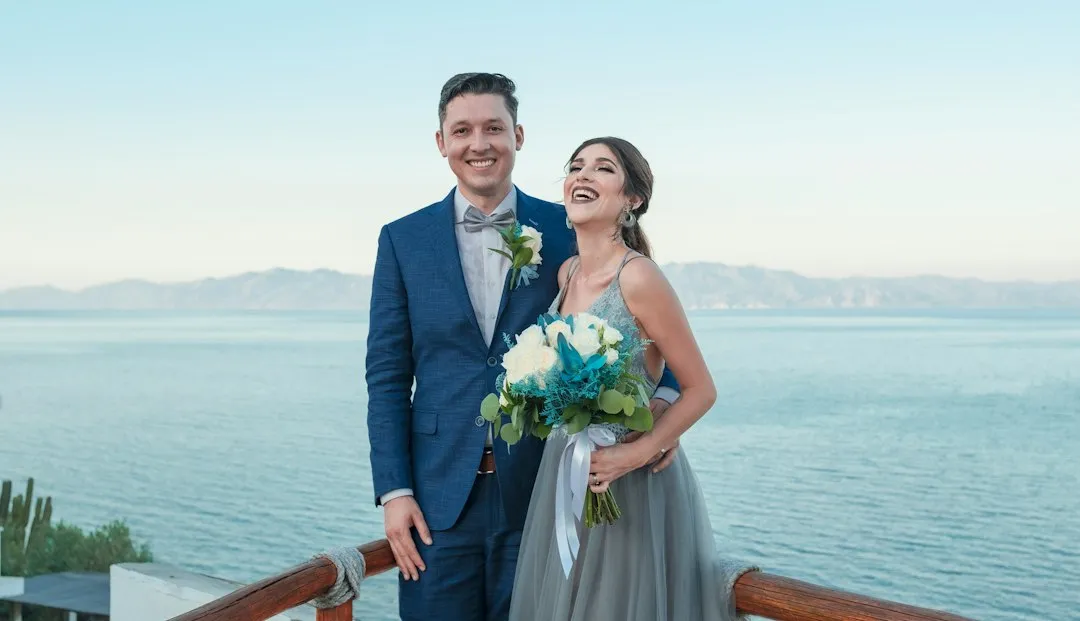
A cruise ship wedding is not the right setting for a sprawling guest list. The logistics of bringing guests aboard, especially those who are not sailing passengers, involve port and embarkation restrictions. Guests can get married on embarkation day, on the sea, on the ship at a destination, or on land at a destination. Each timing option carries different rules about who can attend.
Onboard weddings are not entirely flexible because only a limited number can take place on each cruise; Cunard, for example, hosts just one wedding per ship per day. The number of wedding ceremonies performed on each sailing is also based on the captain’s availability. Couples working with smaller guest counts often find this environment perfectly suited to an intimate ceremony, but larger celebrations require careful advance coordination with the cruise line’s wedding team.
Packages, Costs, and What’s Actually Included

Cruise wedding packages vary considerably in scope and price, and it’s worth reading the fine print. Typical inclusions can cover a wedding coordinator, officiant, floral bouquet and boutonniere, ceremony music, a cake, sparkling wine, photography, and a keepsake certificate. Photography, in particular, is sometimes listed as a separate cost even when it appears to be bundled.
For 2026, couples booking with Princess Cruises can choose from three main at-sea packages: the Perfect Pair at roughly $2,995, the Timeless Ceremony at around $3,995, and the comprehensive Timeless Wedding at approximately $5,995, with legal fees adding roughly $500. For larger parties, Royal Caribbean’s Knot at Sea package at $7,999 accommodates up to 75 guests and includes priority access and high-speed internet benefits. These figures represent the wedding package itself and do not include the cost of the cruise fare for the couple or their guests.
Embarkation-Day Ceremonies Follow a Different Set of Rules
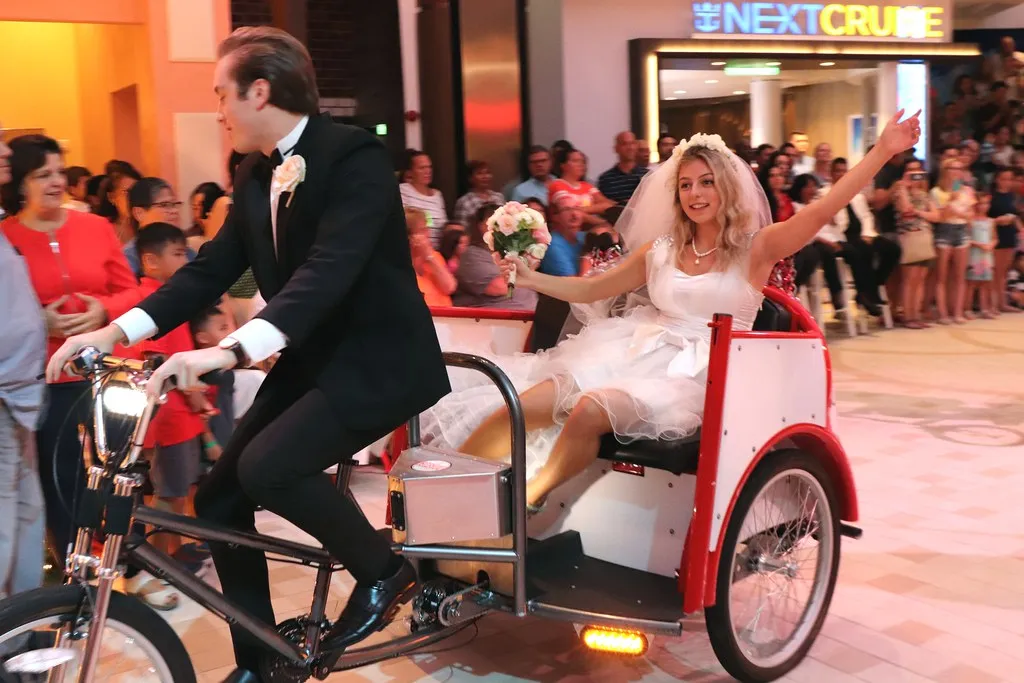
Getting married on the day the ship departs, while still docked at a domestic port, opens up a legally simpler path for many couples. If you’re getting married on embarkation day at a domestic port such as Miami, Seattle, New Orleans, or Fort Lauderdale, you can bring your own officiant to conduct a legal wedding, the same as you would at any land-based wedding venue. This removes the flag-state complexity entirely.
Carnival Cruise Line offers a variety of wedding packages, and guests can get married on embarkation day, at sea, on the ship at a destination, or on land at a destination, with the Signature Ceremony package starting at $1,799, including ten guests, wedding planning assistance, a fifteen to twenty minute service, a local officiant, photography services, a private venue, a cake, and a honeymoon dinner. The embarkation route is especially practical for couples who want the scenic setting of a ship without the maritime legal complexity of an open-ocean ceremony.
The Takeaway
Getting married at sea is genuinely achievable, and for the right couple, it offers something that no ballroom or garden can replicate. The key is approaching it with clear eyes about the legal framework. A couple can legally marry on a cruise ship if the ceremony follows the laws of the country or jurisdiction governing the ship or port, with some cruise lines using a ship’s flag-state laws while others conduct legal ceremonies in port.
Couples should verify the license’s validity date, ceremony location, officiant credentials, witness requirements, and filing responsibility before making nonrefundable travel arrangements. The ocean will take care of the scenery. The paperwork is your job, and doing it right, early and carefully, is what turns a beautiful idea into a legally recognized marriage that follows you home.
AI Disclaimer: This article was created with the assistance of AI tools and reviewed by a human editor.